In Pursuit of Images
In Pursuit of Images
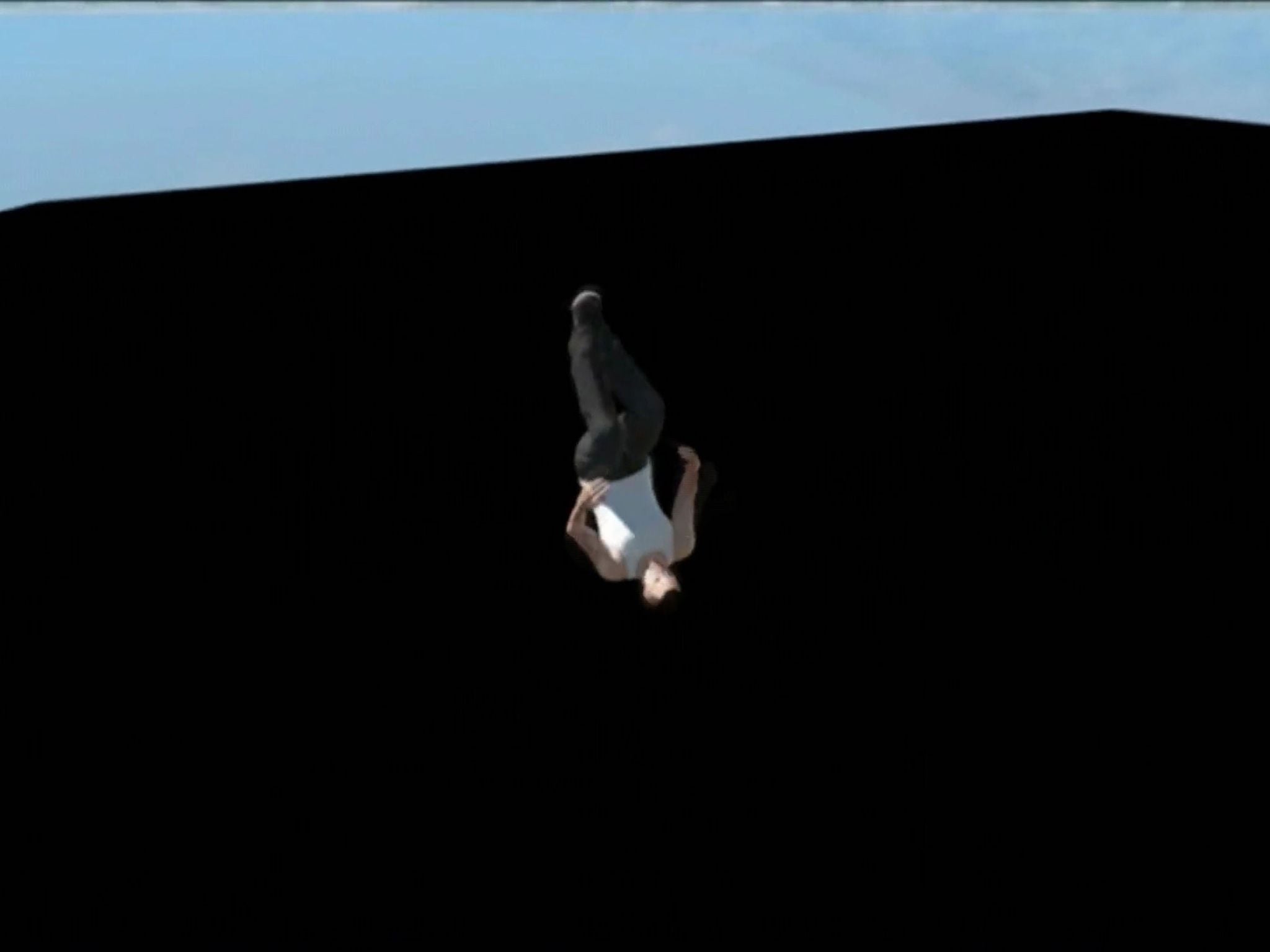
For Farocki, the distinction between the
documentary and the fictional film lay in the movement of the camera as
it tracks its subject: the subject is unpredictable, the documentarian
pursues. At times the image is missed by a few frames. The perspective
is corrected and returned. This logic of pursuit in Harun Farocki’s
Parallel 1-4 (2012-2014)
is tested as the camera disappears in the face of the
computer-generated images that are being documented. What is being
tracked here is not a visible subject as such, but the operational
figure of the coder, of the hardware engineer. The missed frames are
replaced by the simulation error, the badly executed routine, when the
reality-effect momentarily slips away from the real.
In
Pursuit of Images looks to these moments and explores how different
techniques of derealisation are utilised in documentary practice. The
works range from Anand Patwardhan’s revisionist rereading of Ramayana’s founding myth as a docu-music video in
We Are Not Your Monkeys (1996) to IM Heung-soon’s Short Dream: Short Dream Ⅱ -
Invitation to Happiness (2008/9) addressing the history of the Vietnam
War from the perspective of those whose dreams still reside within it.
As
found material from archives, tele-visual news and user generated media
are used to portray historic events, the documentation of these
mediatised records, of a simulated reality, become ever harder to
comprehend as in the work of Maha Maamoun’s
Night Visitor: The Night of Counting the Years (2011), Naeem Mohaiemen’s Abu Ammar is Coming (2016) and are subverted through Alia Farid’s use of the autobiographical in Theatre of Operations (The Gulf War Seen from Puerto Rico) (2017). The image’s verifiability becomes a tool that is mobilised in Kamal Aljafari’s re-montage of American and Israeli 1960s action films of Jaffa in Recollection (2015),
a method to reclaim and recollect the city’s disappearing Palestinian
identity through the documents of its perpetrator.
Larry Achiampong & David Blandy’s A Terrible Fiction (2019)
contest the racialised origin stories that support the scientific
objectivity so central to the military-industrial complex that
Farocki’s
Serious Games 1-4 (2009-2010) documents. Thinking through the role of contemporary art in Farocki’s first video installation, Interface (1995),
and by bringing together artists working in moving-image toexpose the
racial, social and political regimes of image production, In Pursuit of
Images questions the possibilities that documentary may still provide.
In Pursuit of Images will include commissioned work: Letter to Harun: a Postscript to What Everybody Knows by Ayreen Anastas & Rene Gabri and Wound Contra Empire by Edwin Nasr & Bassem Saad that will be performed on February 14 as part of the In 20/20 Symposium.
Curated by Moad Musbahi, as part of In 20:20 directed by Ana Maria Nicolaescu
Exhibition Design by Transformer Office
Programme Assistants: Jasmine Abu Hamdan and Paulina Burzynska
Image Credit: Video still from "Parallel II" 2014
© Harun Farocki GbR
23 January – 21 February 2020
Location
AA Gallery