AA tutor Simon Withers featured in national newspapers with research on lost Tudor Palace
AA tutor Simon Withers featured in national newspapers with research on lost Tudor Palace
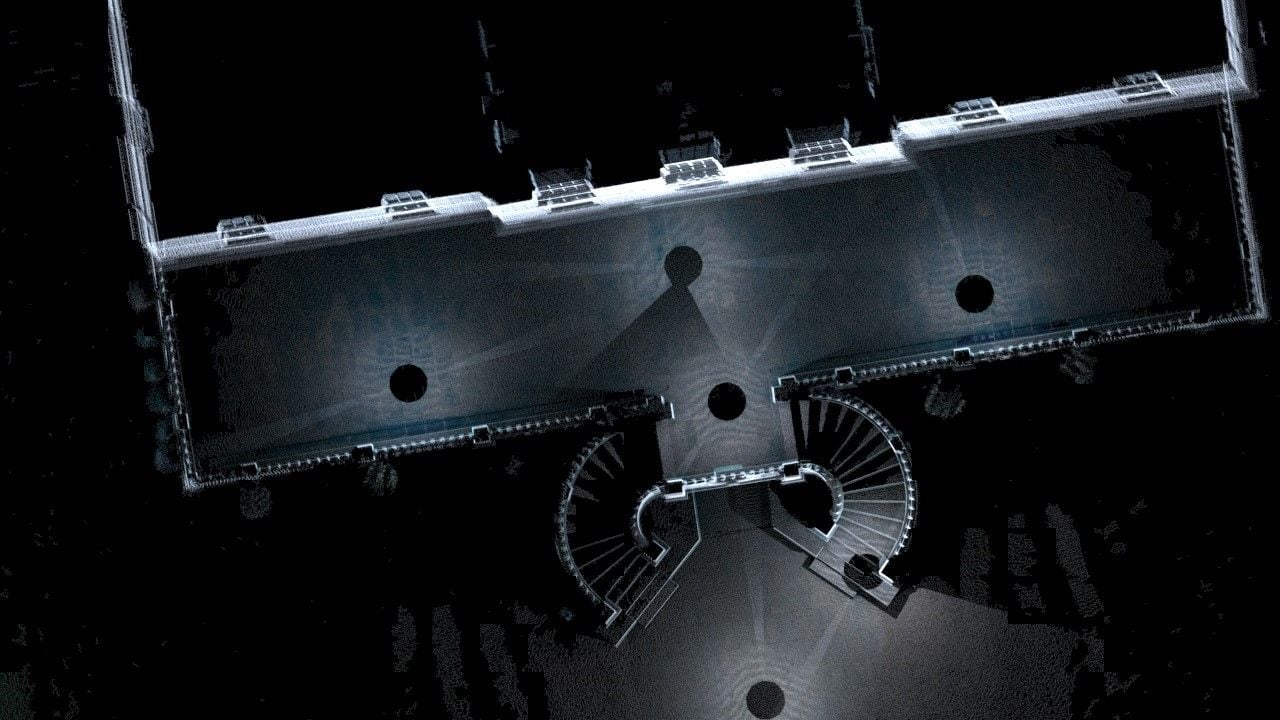
Captivate, working in partnership with Royal Museums Greenwich and Wessex Archaeology, have located King Henry VIII's Tiltyard or jousting ground where it was not meant to be. The discovery of this was made using ground penetrating radar for a survey of up to two metres in depth within the north lawn located in front of Queen's House, Greenwich. The archaeological find located the base of one of the two octagonal brick towers that were built by Henry for viewing jousting tournaments in considerable comfort.
The two towers exist in 16th and 17th century panoramic paintings and topographical drawings as ruinous remains of the once enormous Palace of Placentia where Henry VIII and his daughter, Elizabeth I, were born. The Tiltyard comprised the jousting ground, the banqueting house, the fabulously named disguising house or theatre and sundry buildings. The palace fell into desolation during the civil war, largely through despoliation of building materials, with the two towers a diminishing residual afterglow of the past.
The towers were re-discovered in 1875 whilst digging the cut-and-cover railway tunnel through Greenwich Park adjacent to Romney Road. Tudor brickwork was found and believed to be that of the Tiltyard tower, locating its placement and measurements of 600ft long and 250–300ft wide. Captivate’s find of this large-scale complex has challenged long held assumptions on architectural record of what is now the Maritime Greenwich World Heritage Site. The radar survey of the Tiltyard is one element of a high-fidelity 3D digital model Captivate is building of the entire World Heritage Site, both above and below ground.
Read more from the Mail Online
Image Credit: Captivate Research Group and Wessex Archaeology
6 November 2020