The AA begins a new collaborative research initiative, AAHKU Asian Investigations, with the University of Hong Kong
The AA begins a new collaborative research initiative, AAHKU Asian Investigations, with the University of Hong Kong
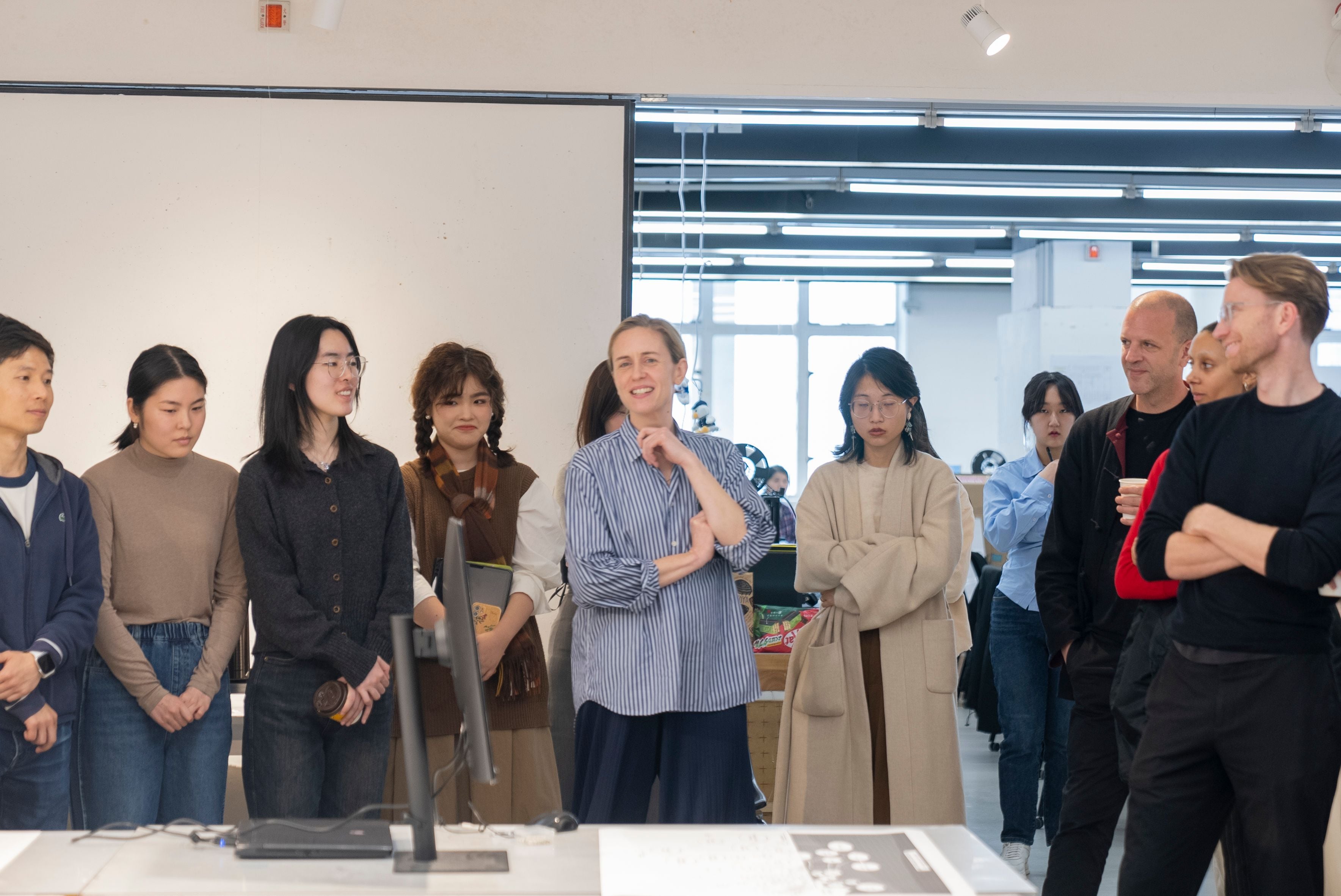
AAHKU Asian Investigations is a collaborative practice-based, historical and theoretical research investigation between faculty and students at the Department of Architecture, The University of Hong Kong (HKU) and the Architectural Association (AA) in London. The focus of the project is on urban and rural change in Asia, using architecture as an instrument for transformation. Its wider aim is to create and lead an extensive regional network supporting research into sustainable approaches to materials, fabrication, landscape, infrastructure and community, which will support a series of symposia, shared projects and programmes and publications, leading to intra-institutional funded research.
The project began in January when AA tutors Kate Davies, Shin Egashira and Rosy Head travelled to HKU to run a series of workshops with MArch students. Each of these workshops explored the use of specific research tools and design methods to reveal new perspectives on some of the prescient issues impacting Hong Kong and the region today.
Planetary Compositions, led by Rosy Head, sought to develop a new planetary consciousness to challenge the conventional ‘red line boundary’ of architecture and development, and the human-centred boundaries we have constructed around life. Participants investigated how a common ground might be established between the human and non-human entities that seek to maintain a habitable environment here on Earth.
Radical Conservation in Adaptation Urbanism, led by Shin Egashira, focused on cultural heritage at risk of disappearance within Hong Kong. The workshop highlighted how urban planning can often prioritise economic gain while neglecting social and cultural sustainability, and explored the friction and contrast inherent to the city’s urban fabric through collage and object-making.
NOWHERE NOW-HERE or the (red, white & blue) carrier bag theory of … the city, led by Kate Davies, explored how time-based media and storytelling could be used as active tools to reflect and construct characteristics that hint at the city’s multifaceted identity. Participants began by assembling collections of things that embody a personal facet of Hong Kong, before working together to use film to unravel subtle relationships within the city.
9 February 2024