Empathy and the Phenomenological Ethnography of Space MA HCT & PhD Debates: History ‘in-translation’
Empathy and the Phenomenological Ethnography of Space MA HCT & PhD Debates: History ‘in-translation’
5 March 2020
Time
4pm
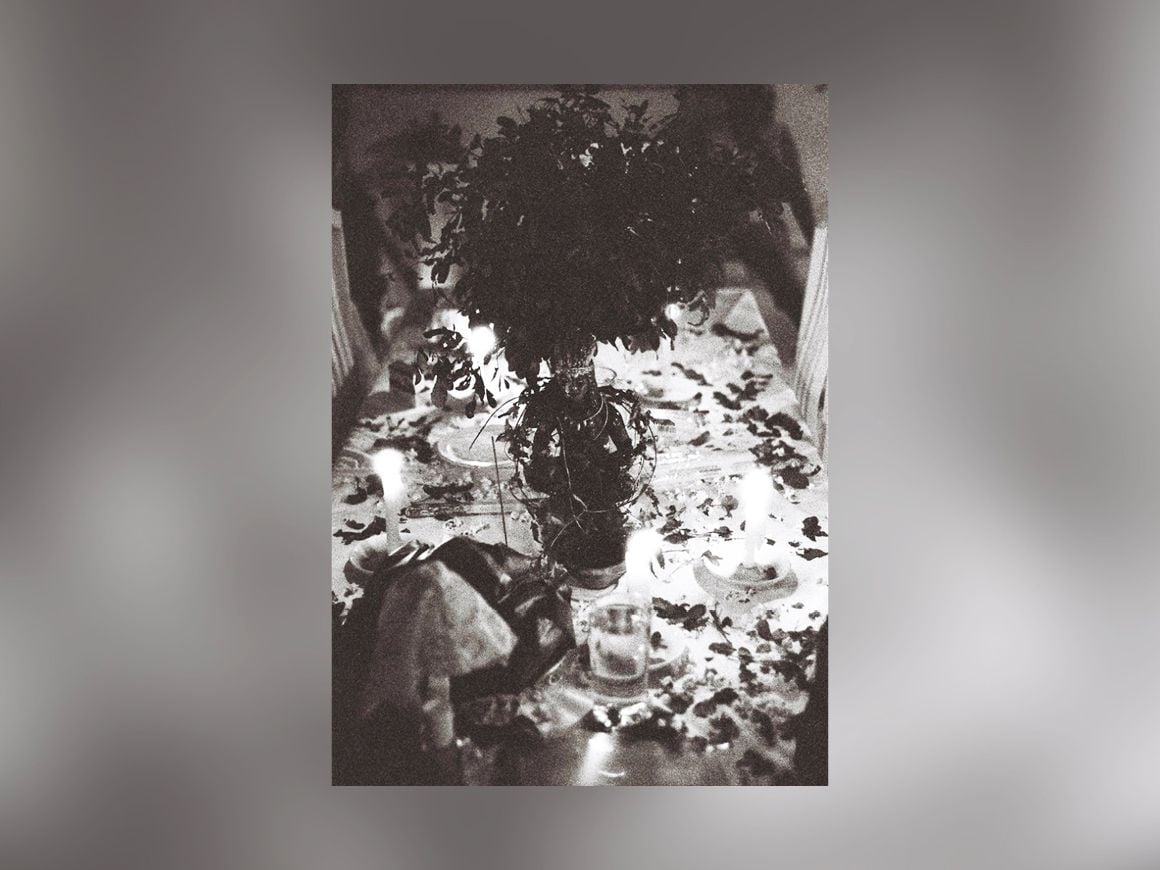
This lecture will address the Debates’ theme of history ‘in-translation’ in terms of an inquiry into three interrelated phenomena: empathy, corporeity, and spatiality. We will draw primarily on contemporary scholarship on the phenomenology of Edmund Husserl and Edith Stein on empathy (Einfühlung), and Jan Patočka and Maurice Merleau-Ponty on embodiment, in dialogue with the architectural theory of the late Dalibor Vesely. Beginning with this initial sketch of the philosophical problems, we consider concretely the question of the sense perceptual and empathic basis of the experience of the historical horizon of an ‘Other’s’ world, in terms of the expressive and communicative structures of corporeity and spatiality. The concrete, exemplary event that will guide our inquiry is a ritual practice of an Afro-Brazilian religion—called a Candomblé caboclo reunião of Tupikinim—situated in the periphery of the city of Salvador in the Brazilian Northeast. Our access to the ritual will be primarily through ethnographic descriptions of its spatiality, and thus implicated in our considerations is the question of the status of ethnography as a method and descriptive practice. Following the critiques of philosopher Valentin Mudimbe, we will foreground the ethical implications of the hermeneutic sense of empathy (Einfühlung) for ethnography. Mudimbe’s empathic thesis derived from hermeneutics, I propose, bears a certain affinity with anthropologist Marilyn Strathern’s methodological grounding of ethnography in the concrete conditions of fieldwork and its ‘effects’. We will thus explore the question of the status of spatiality for ethnography in Strathern in relation to Mudimbe’s critique of ethnography’s historicity. The problems raised through a consideration of the above phenomenological and anthropological relations will guide us in investigating the tensions in the understandings of the relationship between historicity and spatiality for the shared, embodied experience of the ritual as exemplary, and its more general implications.
Tao DuFour is Assistant Professor at the Department of Architecture at Cornell University. His work explores the overlaps between architecture, anthropology, and philosophy, building on his research on the phenomenology of Edmund Husserl. His current research is concerned with the question of architecture’s embeddedness in environmental histories. He holds a PhD and MPhil in the history and philosophy of architecture from the University of Cambridge, and a BArch from The Cooper Union. He is the author of Husserl and Spatiality: Toward a Phenomenological Ethnography of Space (Routledge, forthcoming 2020).
Image: Caboclo figurine on the ritual table. Salvador 2010. Photo by Tao DuFour