Fault Lines : (Pre)Legislation and (Post)Reconstruction
Fault Lines : (Pre)Legislation and (Post)Reconstruction
16 February 2024
Time
11am–6pm
Location
AA Lecture Hall
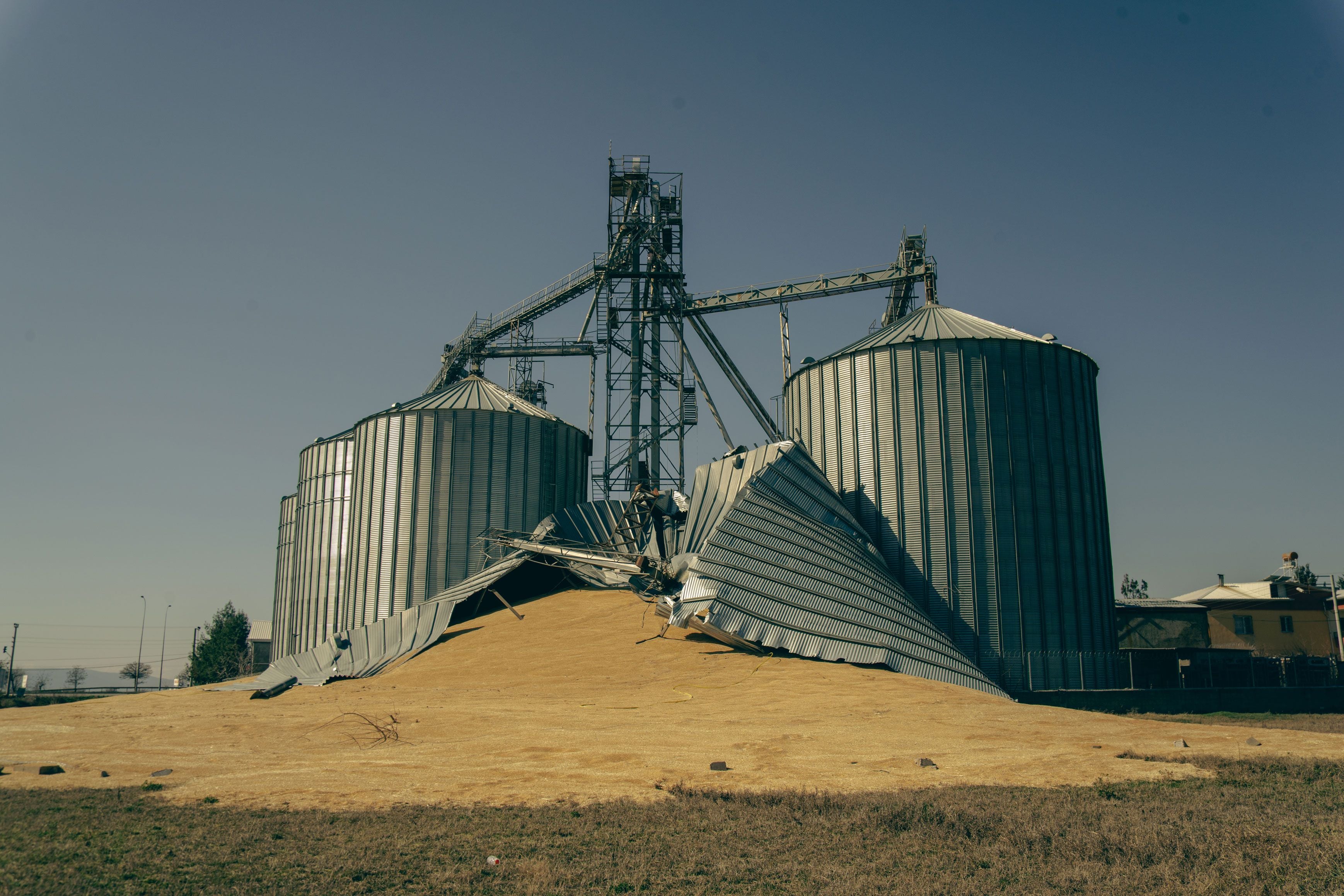
The 'fault lines' of architecture create disasters out of natural occurrences.
This symposium aims to gather us in the present to talk about events that have occurred in the past, and ones which we will continue to witness in the future. An earthquake, unpredictable yet inevitable, does not have to be destructive. However, recent incidents prove that without correct preparation of infrastructure or legislation, this does not hold true. As we witness the aftermath of major earthquakes around the world, we want to come together to discuss and speculate on our position as students, academics and practitioners. In a moment of crisis, what is our agency?
As individual spectators we often feel helpless, and it is at these times that we must highlight the value of conversation. This symposium does not necessarily aim to find solutions to the topics discussed. Instead, it aims to encourage discussion to question the wider system of an earthquake, as the socio-political aspects of tragedies are strongly intertwined with the architecture that underpins them.
Soil, as much as us, carries the necessity to move. As humans, our acceptance towards this physical phenomena is crucial when making major decisions in where and how we settle. If architecture and legislation in areas of active tectonic movement disregard the behaviour of the land, it brings along inevitable disaster. Throughout the symposium, we will look at methods of building in earthquake zones through a legislative and architectural lens. This aims to bring light to an architecture that listens to local communities and geographical contexts. We will look at local and vernacular examples of construction that have proved to be stronger against tremors. Is concrete always a solution? Or should we reconsider the vernacular as we design for vulnerable communities?
The symposium will host a series of presentations by a broad range of professionals from the fields of engineering, architecture, activism, anthropology and photography, which will be followed by round-table discussions. After each presentation the floor will be opened up for contributions from the audience. The discussions aim to serve as a mediator, allowing the invited guests to engage with one another and share their diverse experiences and perspectives, while encouraging the audience to interact and participate in this urgent set of discussions.
Image: 11th of February 2023, credit: Kaan Walsh
Schedule
10:45 – Doors open
11:00 – Symposium Welcome and Introduction by AA students
First theme: Legislation and Community Resilience
11:15 – Tuğra Ağrıklı
11:35 – Estella Carpi
11:55 – Driss Kettani
12:15 – Round Table & Audience discussion
13:15 – Lunch Break. Lunch for speakers and organisers will be served in the South Jury Room off the Lecture Hall
14:15 – Introduction by AA students
Second Theme: Reconstruction
14:30 – Yasemin Didem Aktaş
14:50 – Eray Çaylı
15:10 – Khalil Morad El Ghilali
15:30 – Carmine Galasso
15:50 – Round Table & Audience discussions
16:50 – Break
17:00 – Concluding Round Table
18:00 – Drinks and food in the Front Members' Room
Please get in touch to let us know of any access requirements that you might have and how we can best accommodate these. If you are unable to attend physically but would like to participate in the event remotely please email publicprogramme@aaschool.ac.uk.