Flying Panels: How Concrete Panels Changed the World
Flying Panels: How Concrete Panels Changed the World
10 October 2019
Time
6.30pm
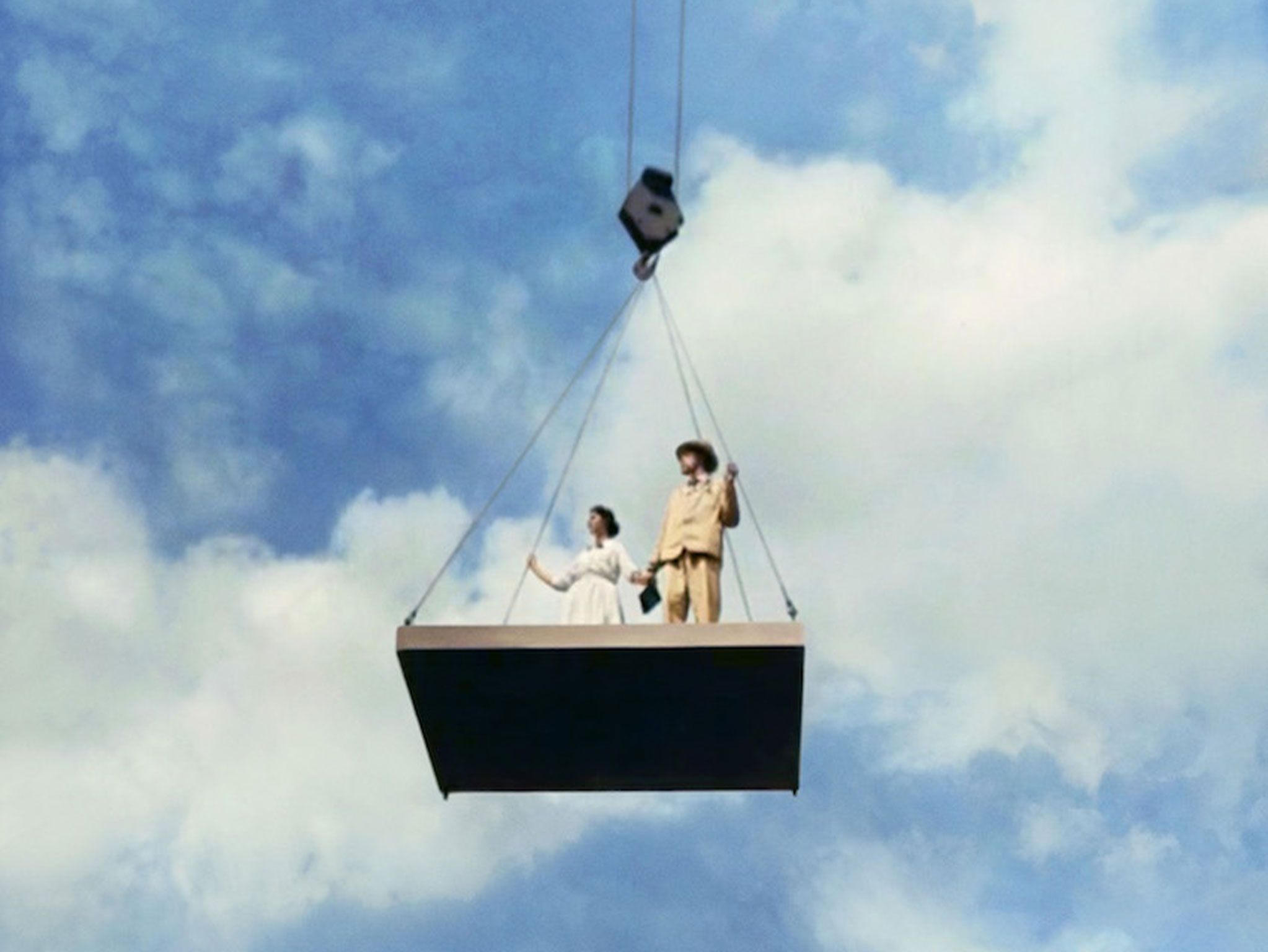
Housing millions of people, apartment blocks made of prefabricated concrete panels are one of the most common buildings in the world. Flying Panels – How Concrete Panels Changed the World tells of the time when a concrete panel soaring across the sky symbolised the future and embodied dreams of a better world. In the grip of a housing supply crisis, by looking at how a building technology became a powerful tool for the construction of a new society, this lecture will rethink the concrete panel as it was once considered an innovation that heralded a new, rational future for society at a global scale.
This lecture accompanies Flying Panels: How Concrete Panels Changed the World, exhibition curated by Pedro Ignacio Alonso and Hugo Palmarola at the ArkDes – The Swedish Centre for Architecture and Design in Stockholm (18th October 2019 to 1st March 2020).
Pedro Ignacio Alonso is an architect with an MSc from the Catholic University of Chile and a PhD in architecture from the Architectural Association in London. His 2014 Chile Pavilion exhibition ‘Monolith Controversies’, co-curated with Hugo Palmarola, was awarded a Silver Lion during the 14th Venice Architecture Biennial. Alonso is associate professor and director of research in the School of Architecture at the Catholic University of Chile, and was Princeton-Mellon Fellow 2015–2016 at Princeton University.
Hugo Palmarola is a designer who graduated from the Catholic University of Chile (2004) and holds a PhD in Latin American Studies from the UNAM (2018). His Chile Pavilion exhibition ‘Monolith Controversies’, co-curated with Pedro Ignacio Alonso, was awarded a Silver Lion during the 14th Venice Architecture Biennial (2014). Palmarola obtained the Student Essay Prize from the Design History Society (2018). He teaches at the School of Design of the Catholic University of Chile.
Image: Gerbert Rappaport, Cherry Town (Cheryomushki), 1963, Film still, Lenfilm, Soviet Union