Looking for clues in the rubble of Raqqa - How the “most precise air campaign in history” left Raqqa the most destroyed city in modern times
Looking for clues in the rubble of Raqqa - How the “most precise air campaign in history” left Raqqa the most destroyed city in modern times
29 April 2019
Time
6.30pm
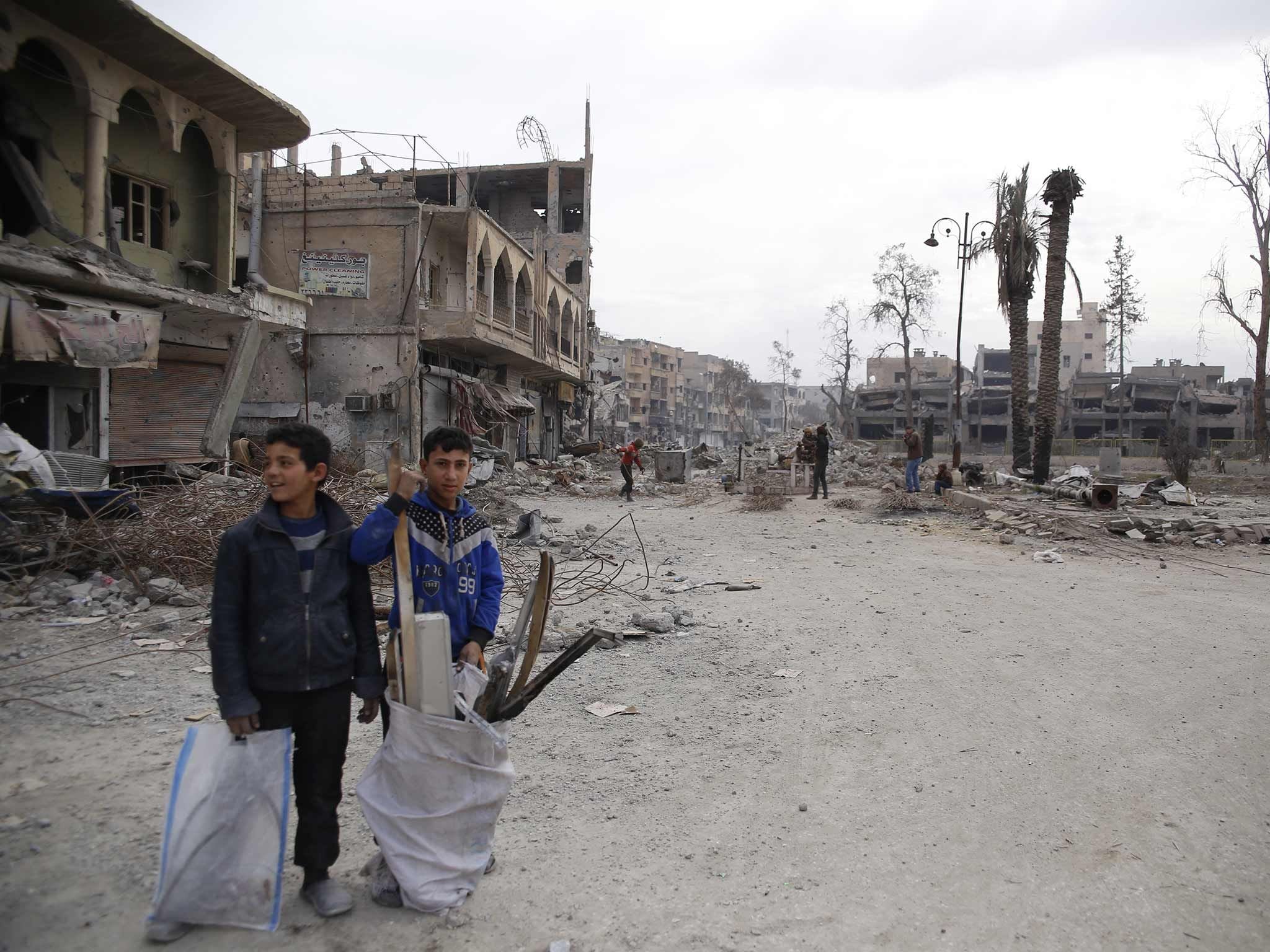
Destroying a city to liberate it. Who decides, and on what basis, how much destruction is necessary or acceptable? Some argue that the bombing campaign which destroyed most of the city was the only way to liberate it from the brutal rule of the self-styled “Islamic State” (IS). Others maintain that much of the destruction resulted from reckless strikes and ask why so much of the city had to be destroyed, only for IS fighters to then be allowed to leave.
Reconstructing the battle is crucial to understanding what happened, through a multidisciplinary methodology involving field investigations of strike sites and witness interviews, combined with remote sensing and OSINT analysis – including a satellite imagery analysis project, Strike Tracker, which involved the participation of thousands of online volunteers to review over 130,000 frames of buildings throughout the battle.
Donatella Rovera, Amnesty International’s Senior Crisis Response Adviser, led the Raqqa investigation. She has been leading Amnesty International’s field investigations into war crimes and other grave abuses in armed conflicts for over two decades, including Syria, Iraq, Yemen, Libya Somalia, South Sudan, Central African Republic, Ivory Coast, Nigeria, Israel/Palestine and Algeria. She holds a Master degree in Middle Eastern politics and economics from the School of Oriental and African Studies (SOAS), London University, and pursued further studies in international human rights and humanitarian law and criminal investigations.
Milena Marin, Amnesty International’s Senior Adviser, Evidence Lab, led the Strike Tracker project. She has over ten-year experience working at the intersection of technology, data and social good on issues like public sector transparency, corruption, open data and human rights. Before joining the Crisis Response Team, she led the development of Amnesty Decoders, an innovative platform using data science, crowdsourcing and artificial intelligence to process and analyse large volumes of data such as documents, satellite images and pictures. Previously she worked as programme manager of School of Data and also with Transparency International where she supported TI’s global network to use technology in the fight against corruption. Milena holds a Master in Interdisciplinary Research and Studies on Eastern Europe, with a focus on EU-Russia relations.
Caption: Paradise square in Raqqa, Syria
Credit: © Amnesty International