The Smart City & Post-Anthropocene (please note change of date and time)
The Smart City & Post-Anthropocene (please note change of date and time)
31 January 2017
Time
6.30–8pm
Location
Lecture Hall
We live in the Anthropocene, a geological era marked by human impact on planetary systems. Anthropogenic systems are becoming increasingly more autonomous as we hand over our decision making to machines and artificial intelligence filling every aspect of the built environment from self-driving vehicles to smart structures. Are we beginning to depart from our geological era towards the post-Anthropocene? This shift reveals an underlining truth for mankind: we are not the epitome of intelligence and being but instead, one within many intelligences and beings on our planet. When we establish self-driving vehicles and smart buildings as a being, what stops us from recognising ecosystems, climate change or the sea as their own non-human agencies? How will this influence architecture and cities in the future and thus should we include non-human agencies in our designs and proposals?
Alvise Simondetti, registered architect in Milan, has been formally educated in architecture, town planning, conservation, and computation. He believes that successful design cannot be separated from tools. He is an Associate in the Foresight + Research + Innovation team, leads the global Digital Environments neXt_work community within the firm. He is responsible for the business development of real-time synthetic environments as well as organising a recent event for Arup exploring artificial intelligence and machine learning in the built environment.
Karl Kjelstrup-Johnson is an AA graduate. He has worked at internationally acclaimed architectural practices such as Grimshaw as head of Computational Design Unit London (CDU). In 2010 he co-founded Skin Graph; developers of novel bio-technologies translating mapped realities into 4D personalized information models. As a Senior Lecturer and Unit Master (DS6) at the Oxford Brookes School of Architecture his research focuses on Situational Awareness through Multi Agent Systems (MAS), Artificial Intelligence (AI) and Psycho-Spatial-Temporal strategies.
Frederic Fol Leymarie, a professor of Computing, is the co-director and co-founder of the post-graduate program in Computer Games and Entertainment at Goldsmiths College. On the research front, Frederic is developing a mathematical language for shape representation with potential for applications in various domains and industries, from the Arts and Performance areas to Biology, Medicine, Computer Aided Design (CAD), Architecture, and more.
Ana Araujo is interested in the relationship between architectural design, theories of perception and psychoanalysis. She runs a small design studio in Windsor as well as being Unit Master for Intermediate 2 and has lectured and published internationally.
Tane Kinch is an AA Fifth Year currently in Diploma Unit 10. She has previously completed architectural assistantships at offices including Dominique Perrault Architecture in Paris and LOM Architecture in London.
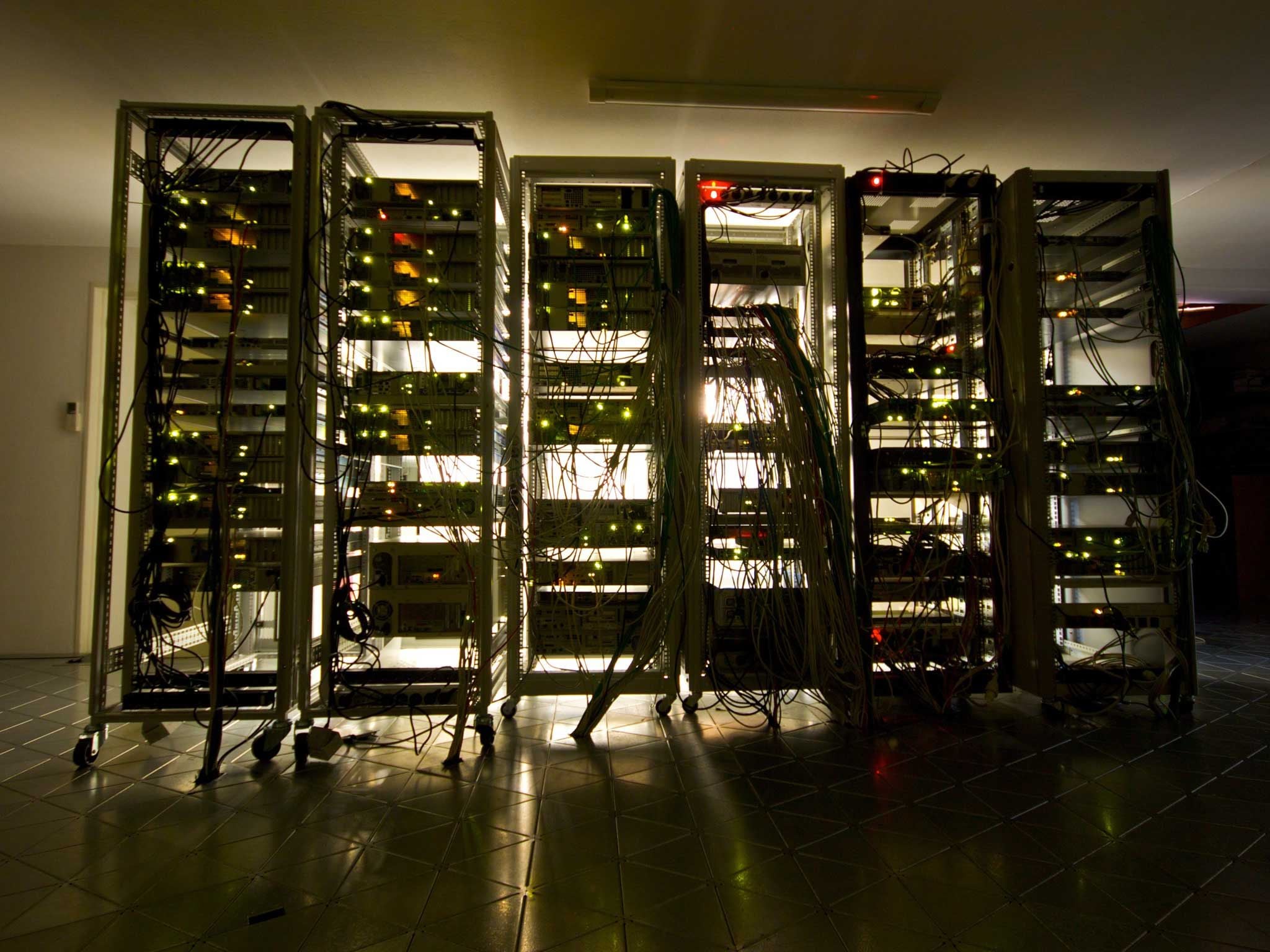
Image: Pierre CC-BY-NC