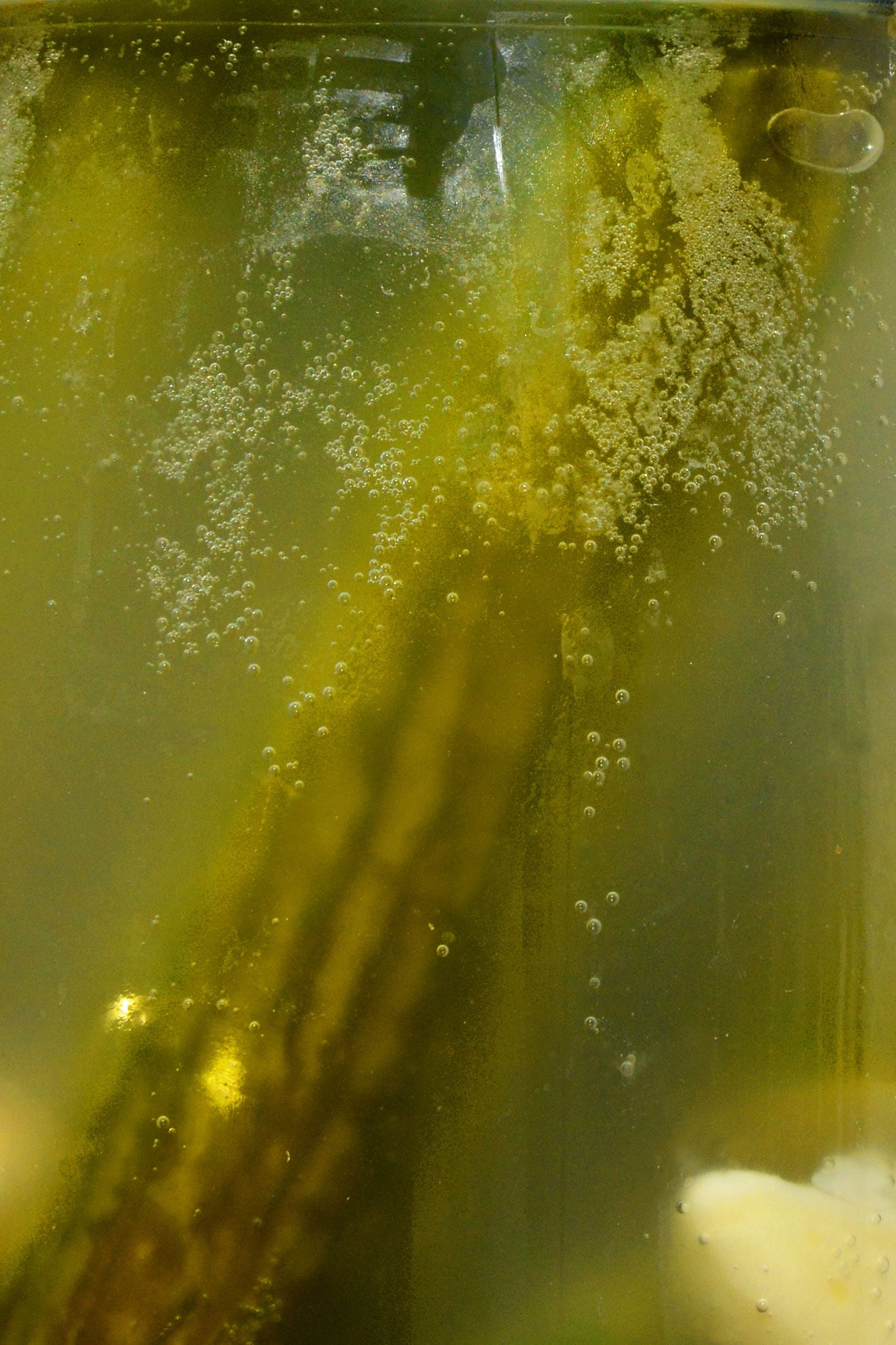
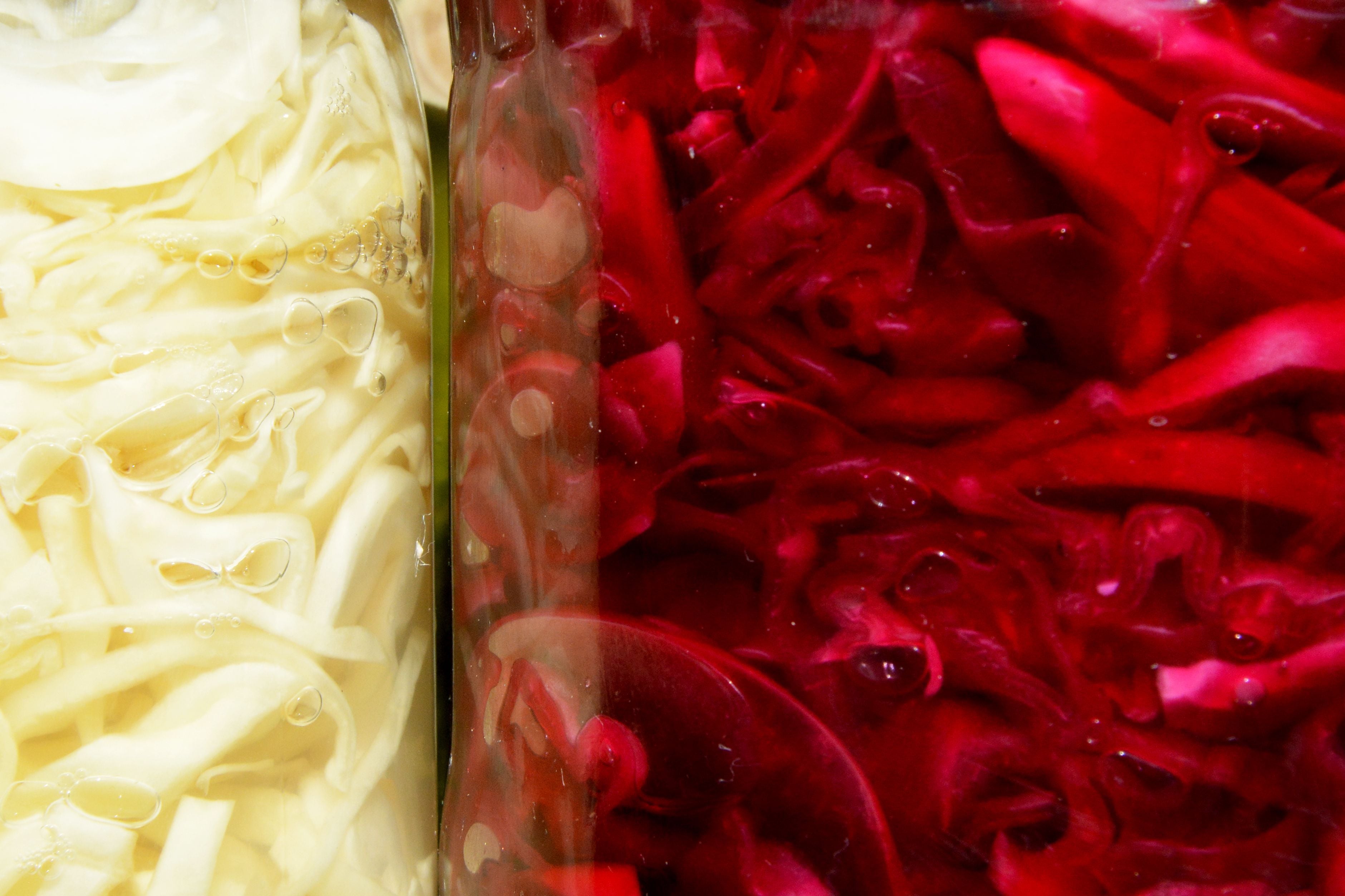
Rot (fermentation) strengthens connections across species. Image: Medieval wine fermentation, showing steps between the field, vine, fruit, fermentation pot and their various keepers. Tacuina sanitatis (XIV century) 9-autunno,Taccuino Sanitatis, Casanatense 4182. Recoloured.Can we digest the different nutrients circulating across the AA into new potions, materials, objects and spaces?
Knowledge of microscopic life reshapes how we design with the living, yet biotechnology is often confined to sterilised labs and extractive economies, limiting the potential to rethink cross-species relations. Rot Rehoused is an intensive two-week course that expands possibilities for biology, design and the built environment: turning to witches’ brews, communal ferments and rotting ecologies as intimate biological processes.
We connect precision fermentation with ancient practices and microbial protocols with agricultural supply chains and future architectural prototypes. Participants will work closely with the AA Restaurant, tracing the origins of ingredients and reimagining food waste through fermentation. Through hands-on experimentation with purpose-built fermentation architectures, students will learn how to safely transform food waste into ferments and novel materials. These experiments will build towards a recipe book of transferable protocols and a critical examination of production systems.
Rot Rehoused prototypes what a lab can be: not a room, but a set of protocols and infrastructures enabling the prototyping of bio-based material commons. Considering design from the origin of materials through to their end of life, we will design foods and the tools, implements and spaces used to enjoy them, culminating in a celebratory meal coproduced by all participants and their more-than-human microbial collaborators.
Sophie Kirkpatrick is an experienced biotechnologist, passionate about interdisciplinary collaboration and circular process design. She holds an MSc in Natural Sciences from the University of Leeds and an MSc in Bio-Integrated Design from UCL. Currently, Sophie is a Researcher at The Lifefabs Institute exploring community-led science and biodesign through fermentation.
Ioana Man is a designer and researcher in biodesign and bioeconomy value chains. She was design lead at Faber Futures, working across design and biotechnology R&D to bridge the gap between scientific advancements and real-world applications, developing microbial protocols, consumer products and lab infrastructure. She is Unit Tutor of Intermediate 6 at the AA and specialisation supervisor for Bio-Integrated Design, UCL.
Rosa Whiteley is an artist, designer and researcher whose practice explores the intersection of architecture, food systems, critical ecology and atmospheric politics. She is currently a Design Researcher in Residence at the Design Museum. Since 2021, she has served as Director of Material Research at CLIMAVORE. From 2020–25, she worked as a lead researcher and project manager within Cooking Sections. Rosa is an Associate Lecturer at Central Saint Martins and the Royal College of Art (RCA) School of Architecture.
Whether you are a student, practitioner or enthusiast, this course offers an opportunity to experiment with design-led biotechnological processes. No prior experience with biotechnology or fermentation is expected. We welcome applications from architects, designers, urbanists, chefs, biologists, gardeners, engineers, dancers and beyond. Open to all aged 18 or over. No CV or portfolio are required for the application.
£800 – Full Fee
Lab equipment, reagents, organisms and other materials will be provided. Students need to bring their own laptops. Fees do not include flights and accommodation.
Applications for this programme close 23 August.