The Foundation Programme is a one-year full-time course that focuses on observation, conversation and the development of key skills. This course is aimed at students who are at the very start of their architectural studies, and facilitates individual and group project work.
The Intermediate Programme (BA(Hons)) is a three-year full-time programme. The First Year is characterised by its shared, open studio, where students work individually and together across a series of projects. Years two and three introduce students to the unit system, in which small design studios (12–14 students) operate a vertical structure of Second and Third Year students.
The Diploma Programme (MArch) is a two-year full-time programme that accepts students who have completed the Intermediate Programme at the AA, as well as eligible new students who have studied elsewhere. The programme leads to the AA Final Examination (ARB/RIBA Part 2) and is structured around a unit system, in which small design studios (12–14 students) operate a vertical structure of Fourth and Fifth Year students.
The AA offers ten Taught Postgraduate Programmes for students with prior academic and professional experience. Most of the programmes are full-time courses of advanced study, except for Conservation and Reuse, which provides a part-time study option.
Professional Practice is a RIBA Part 3 course and examination that allows successful candidates to register as architects with the Architects Registration Board (ARB). The course is open to AA RIBA Part 2 graduates and eligible non-graduates.
The Visiting School encompasses diverse learning programmes, workshops and site-based agendas shaped by participants working intensively in small groups over varying periods of time from one to two weeks. Central to each programme is the idea that experimental, new and provocative forms of architecture are best learned by doing.
The Visiting School encompasses diverse learning programmes, workshops and site-based agendas shaped by participants working intensively in small groups over varying periods of time from one to two weeks. Central to each programme is the idea that experimental, new and provocative forms of architecture are best learned by doing. These programmes take place all over the world, including Bedford Square in London and Hooke Park in Dorset. The Visiting School welcomes applicants in any moment of their studies and careers, from within and outside of the architectural realm. The AA Summer School Programme, also part of the Visiting School, is equally open and takes place for three weeks during the summer period.
DTA Students’ education and architectural practices post AA
Join one of our Visiting School short courses happening around the world.
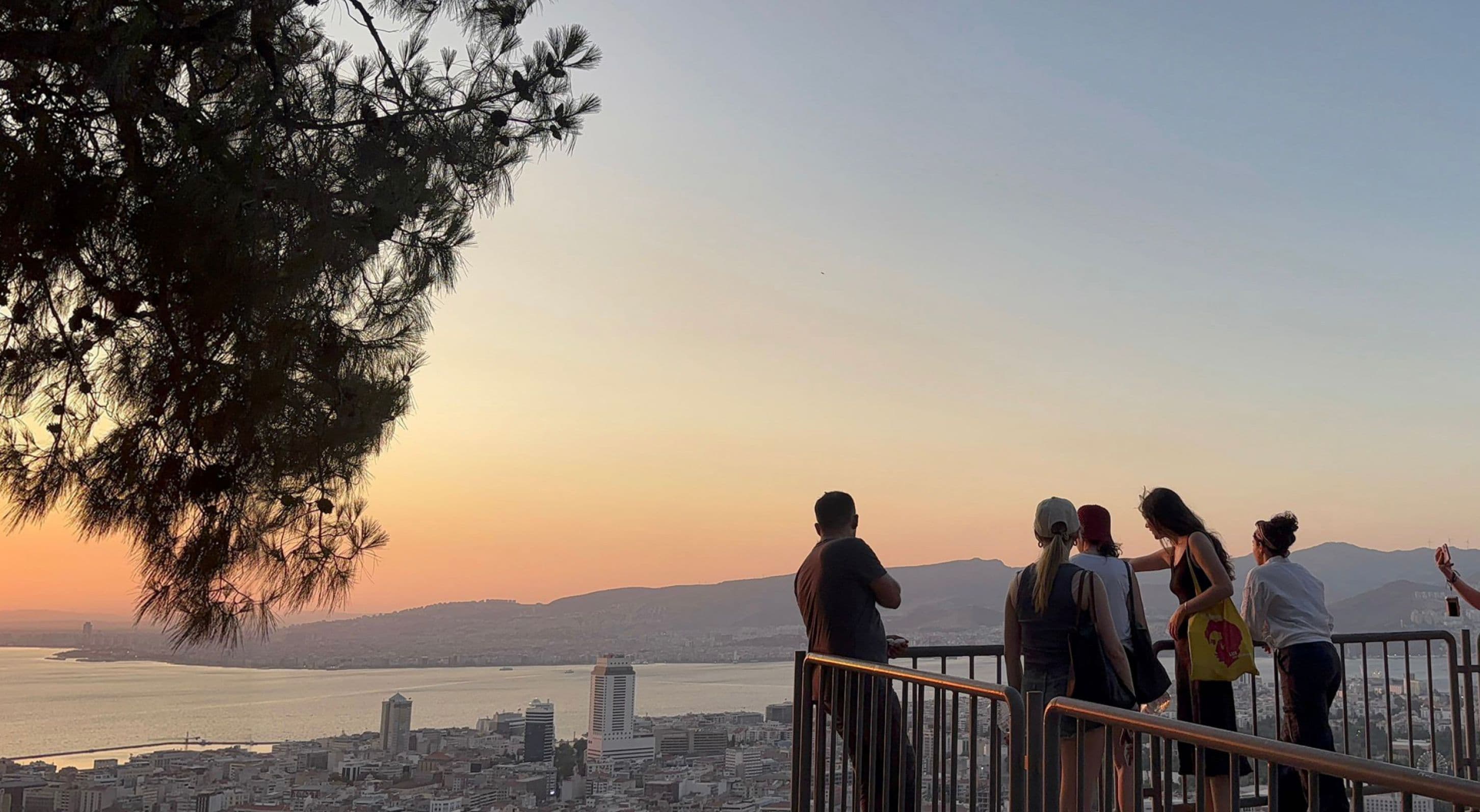
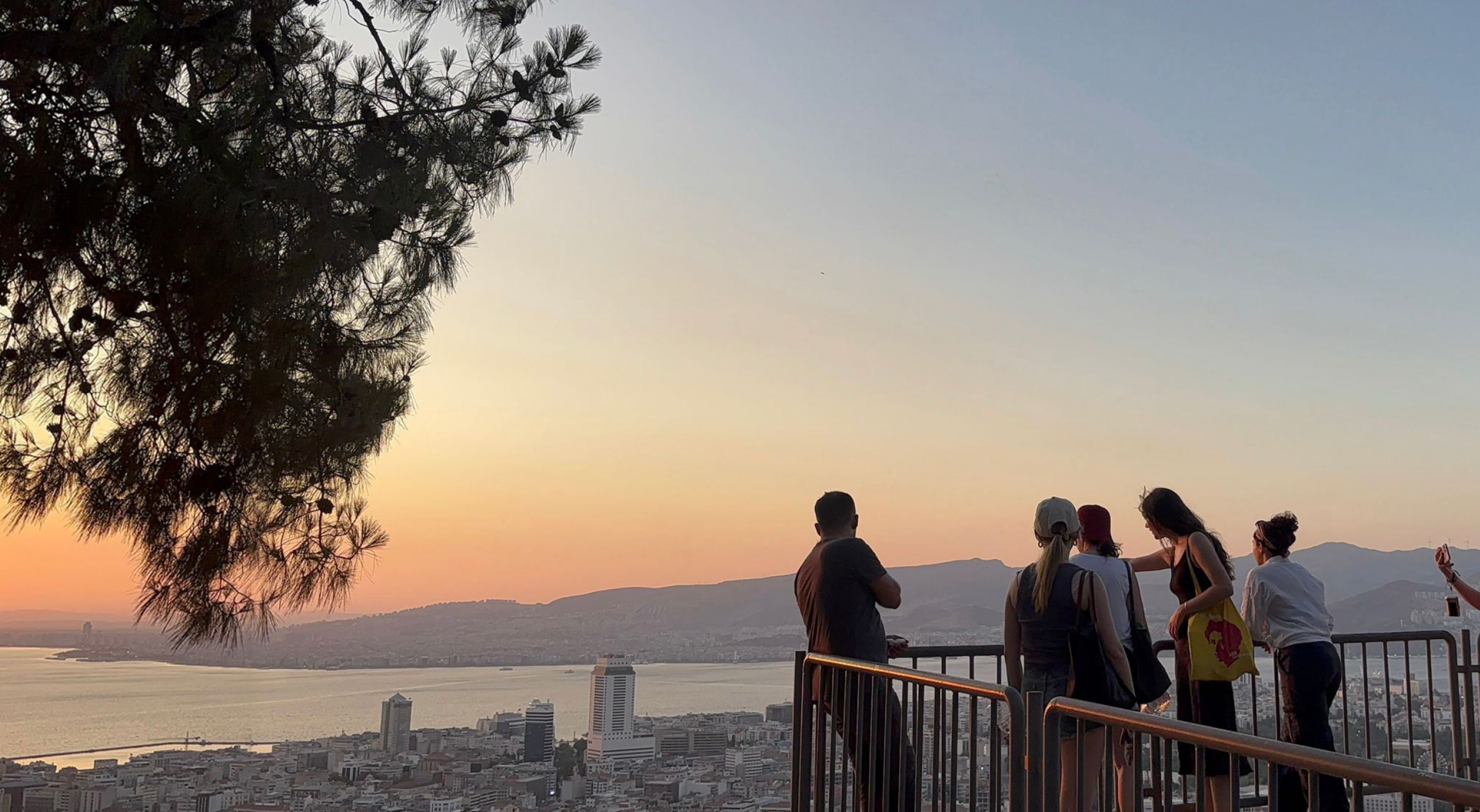
otograph by Yeşim Desticioğlu, In Other Latitudes 2023.APPLICATIONS FOR THIS PROGRAMME WILL BE OPEN SOON
The programme is open to graduate and undergraduate students, PhD candidates and young professionals interested in migration. Our multidisciplinary program is open to architecture as well as archeology, anthropology, history of art, migration studies, cultural studies, development studies and related fields.
All participants travelling from abroad are responsible for securing any visa required, and are advised to contact their home embassy early. After full payment of course fees, the AA School can provide a letter confirming participation in the workshop.
All participants are responsible for securing their own travel and health insurance. Please ensure that your travel insurance also covers your personal belongings i.e. laptop, equipment, tools, passport etc. The AA takes no responsibility for lost/ stolen property.
Aylin Gürel received her master’s degree from the Architectural Association, where she studied architectural theory and history. Her current research is on migration and displacement in relation to the built environment, visible in forms of cultural growth of societies, collective labor, and art. Currently working as a visiting researcher for the UNESCO Chair on International Migration, her research examines histories and contemporary conditions of human movement as means for cultural processes and political expression.
Ömer Selvi is a city and transport planner. He completed his master’s and doctorate at IYTE Department of City and Regional Planning and worked as a post-doc researcher for the EU Commission in Italy. He is a co-founder of the Kapılar project, a solidarity project that emerged in Izmir when the number of refugees reached its peak. He currently provides consultancy services for city and transport planning research and application projects.