Visiting School
Visiting School
Visiting School
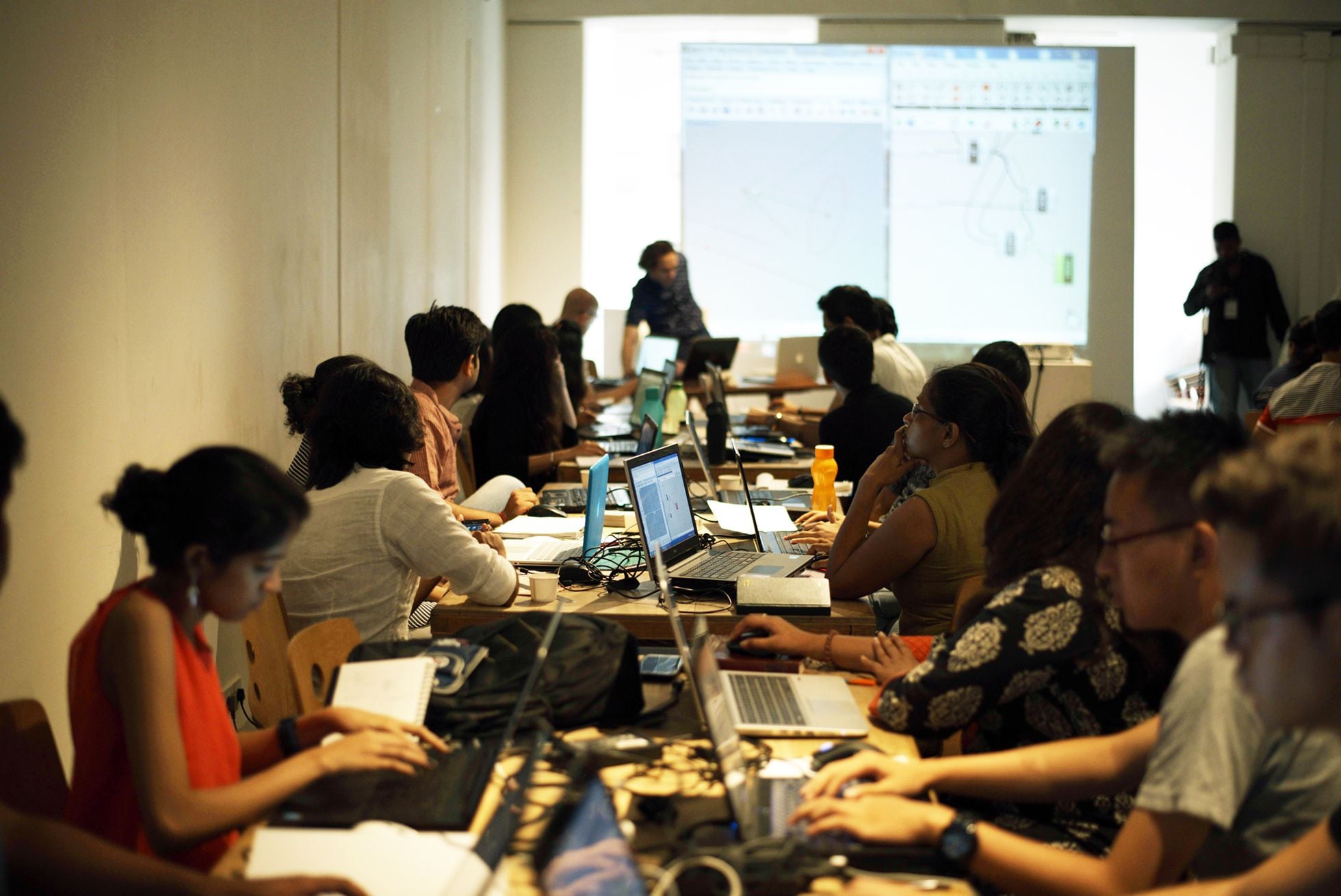
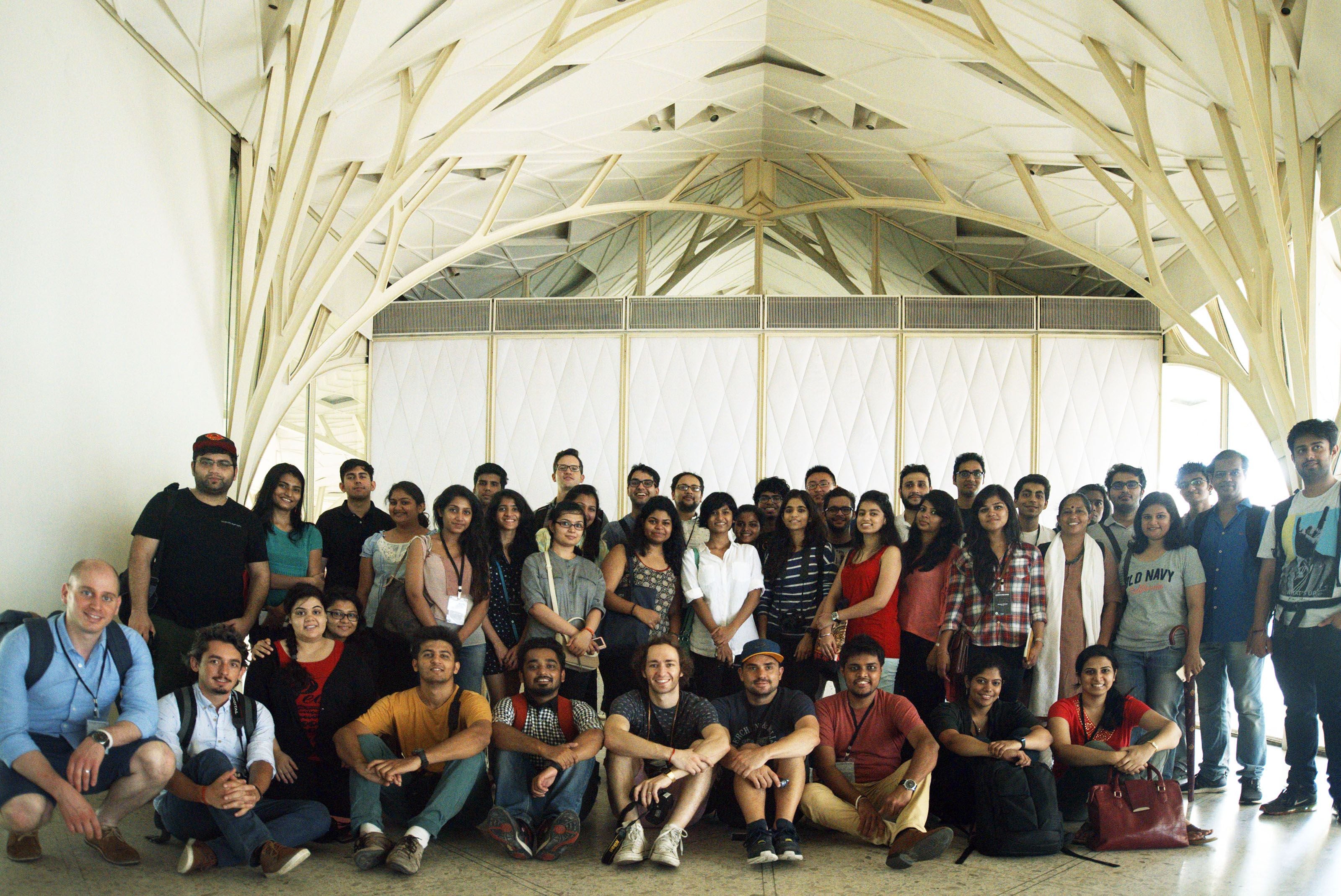
The Visiting School encompasses diverse learning programmes, workshops and site-based agendas shaped by participants working intensively in small groups over varying periods of time from one to two weeks. Central to each programme is the idea that experimental, new and provocative forms of architecture are best learned by doing. These programmes take place all over the world, including Bedford Square in London and Hooke Park in Dorset. The Visiting School welcomes applicants in any moment of their studies and careers, from within and outside of the architectural realm. The AA Summer School Programme, also part of the Visiting School, is equally open and takes place for three weeks during the summer period.
Incubators, Short Courses and Forums in the UK and around the World
 AA Autumn Semester Programme: Assembled Transparencies
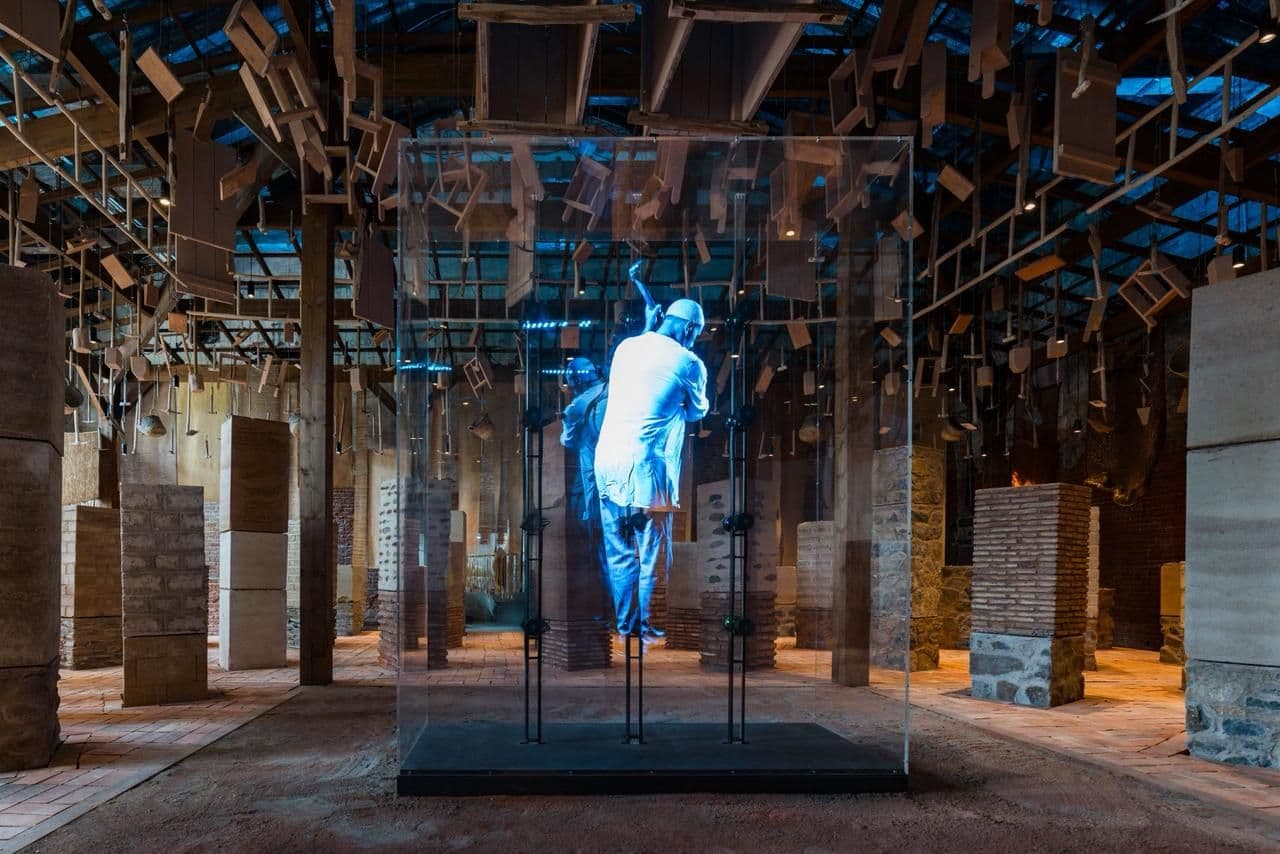 Grounds of Repair
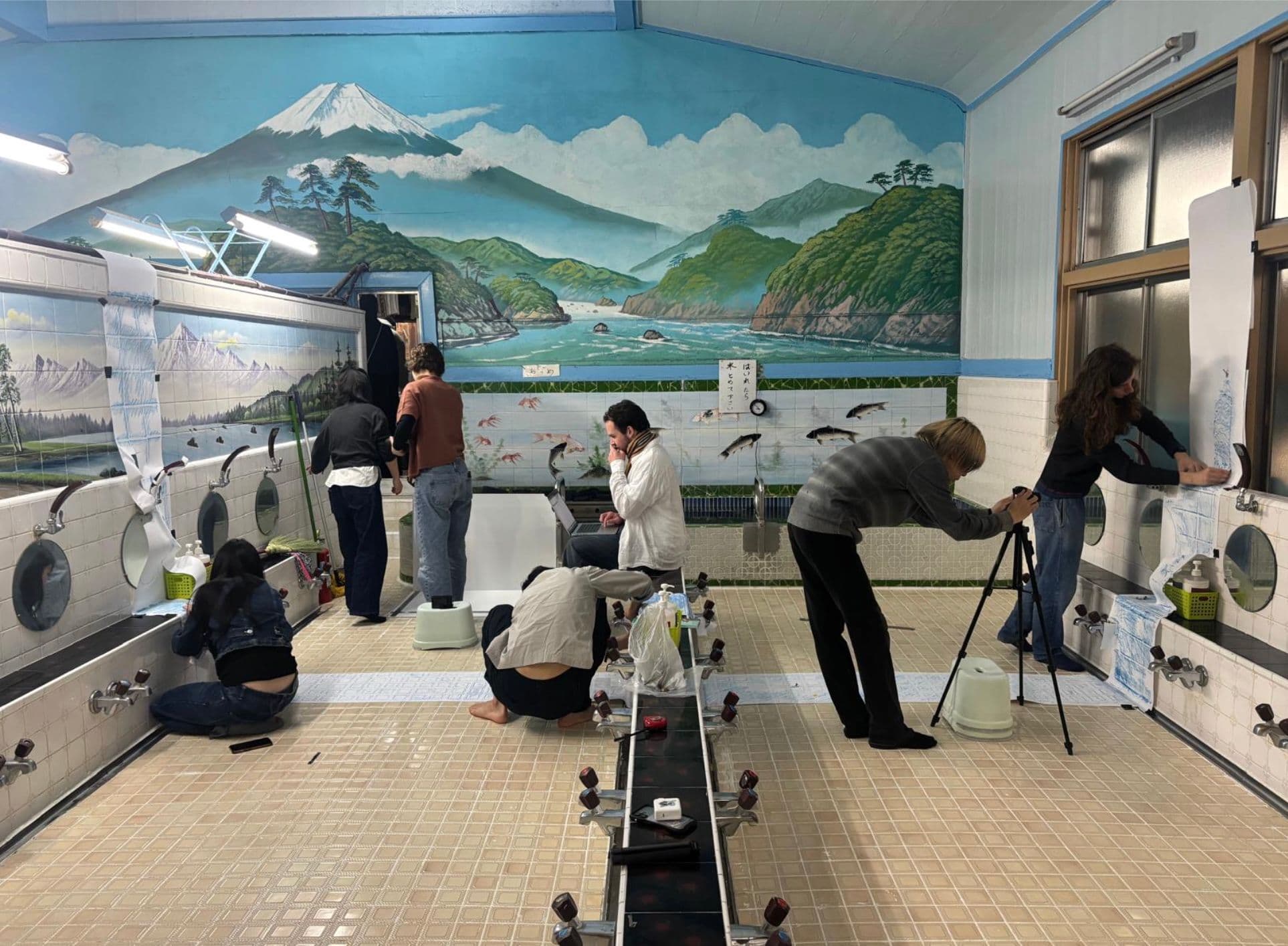 Archaeology of the Present Time
 Asagaya, Reading History, Ritual, Everyday Human Habits and Behaviours in an Inner-City Slack Space
 Coastal Apparatus
 Carbon Ecologies
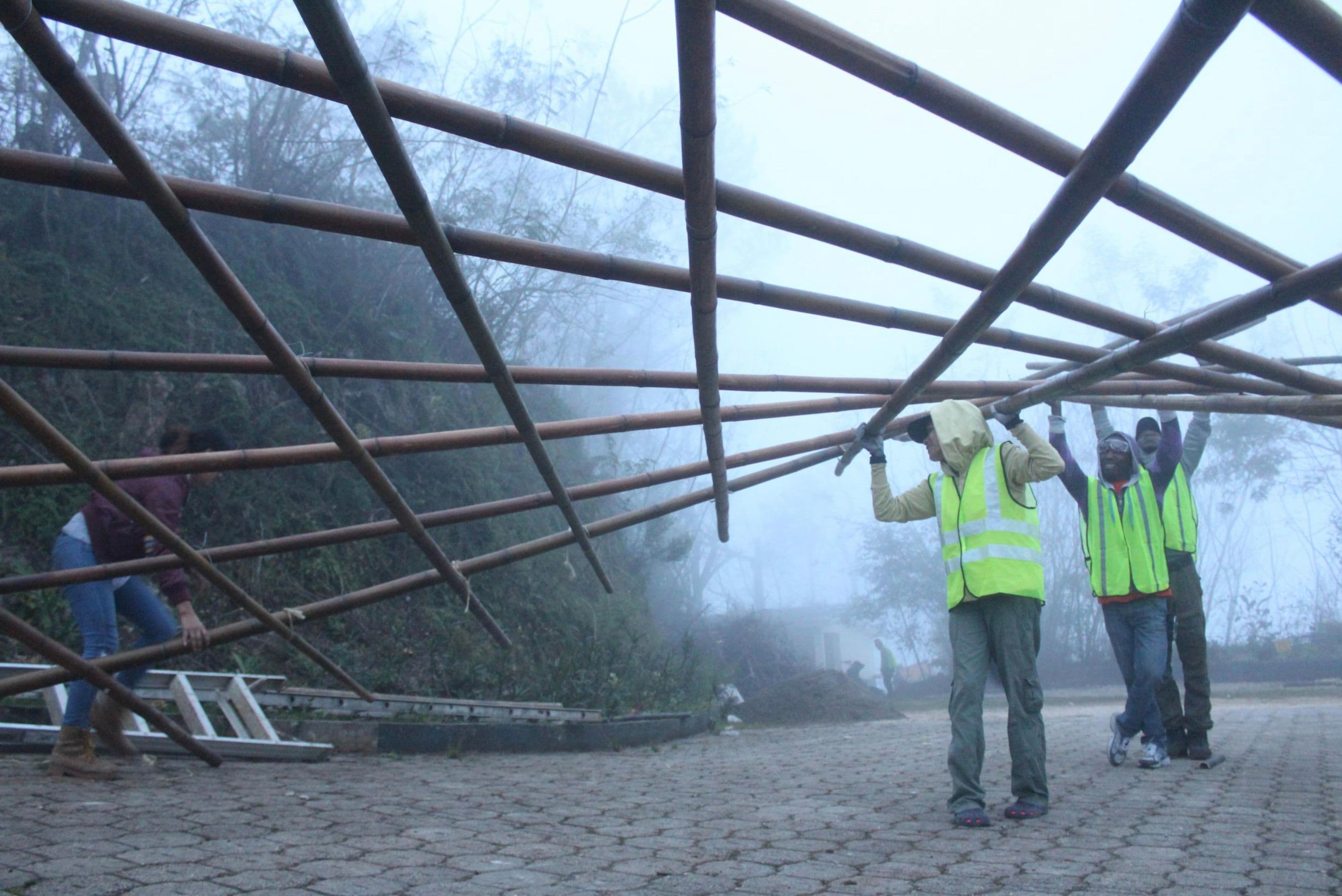 BambooLab India
 Hooke Park Build
 For the term of your natural life
 AA Spring Semester: Exchange Programme
Past Incubators
| Location | Course Title | Dates | Programme Heads |
|---|---|---|---|
| Hooke Park, United Kingdom | Earthbound Social Sculpture with Not Vital | 14–18 April 2026 | Paul Feeney, Marie-Louise Raue |
 Earthbound Social Sculpture with Not Vital