News
To submit your news please email us at: news@aaschool.ac.uk
AA alumnus José Ignacio Vargas featured in Wallpaper with his project 'Casa Martha' in rural Mexico
News

10 July 2020
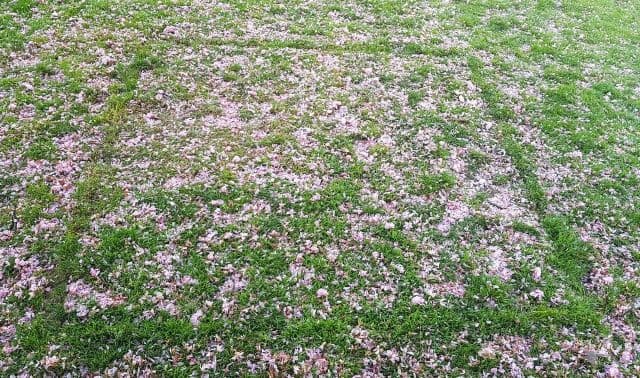
Nerma Cridge produces commentary on social distancing with ‘2X2 Distancing Squares’ project
News
22 May 2020
The AA elects Alison Brooks, Pui Quan (PQ) Choi, Cindy Walters and Steven Ware as new members of the AA Council
NewsAA Community

4 June 2024
St Minas House in Greece by AA tutors Ryan Neiheiser and Xristina Argyros features in Dezeen and Wallpaper
News

13 November 2021
Remembering Colin Fournier, 1944–2024
News

15 October 2024
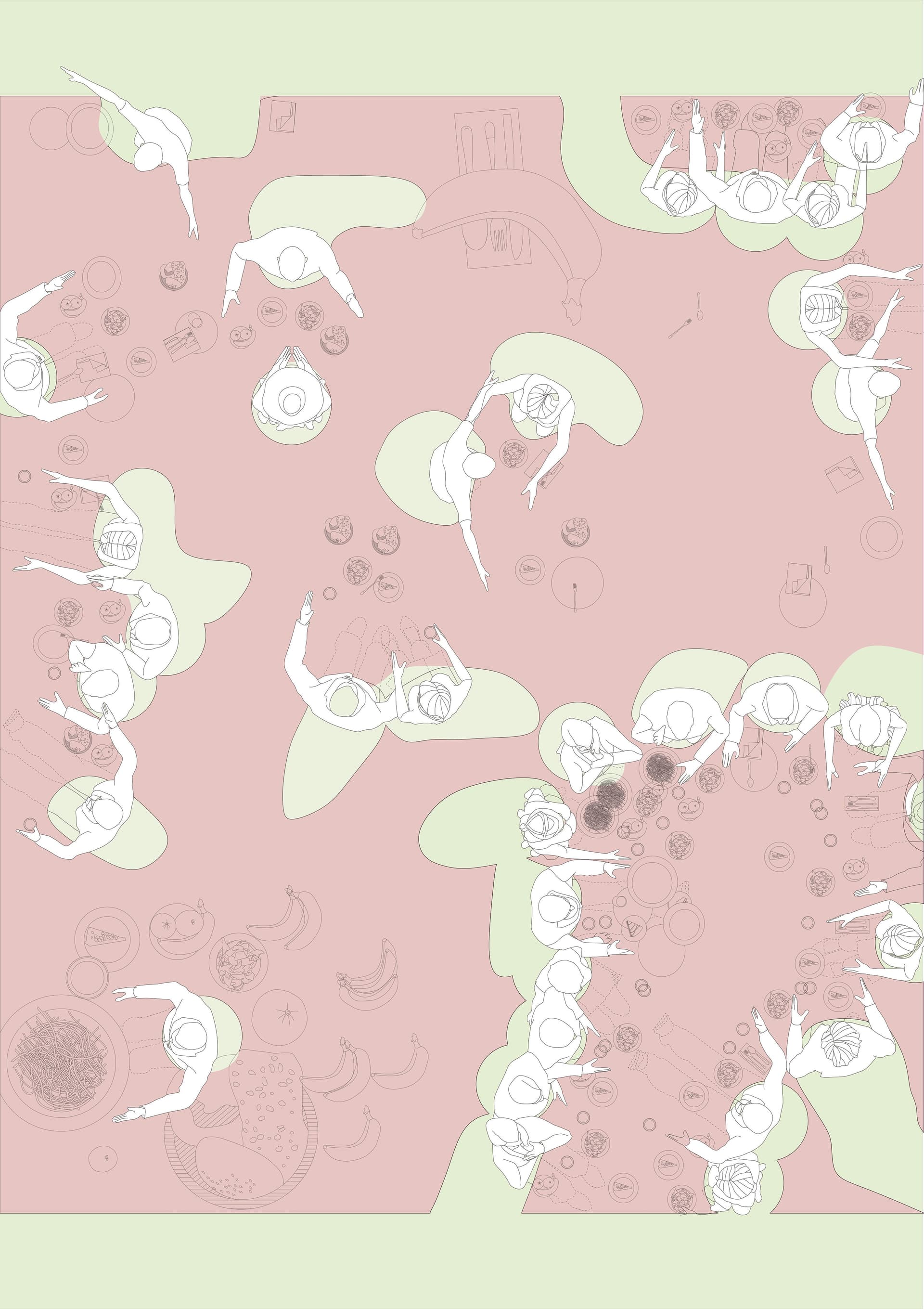
AA alumni Hosung Joo and Jingyeong Ryu win Royal Docks competition: Pews and Perches
News
1 February 2024
AA tutor Taneli Mansikkamäki interviewed by Agencia EFE about pavilion ‘Across Boundaries’
News

25 September 2020
AA tutors and alumni OMMX named in AJ's '40 under 40'
News

10 December 2020
Xristina Argyros and Ryan Neiheiser open The Tide and The Prism in London
News

2 July 2019
Peter Keith Collymore
1929-2019
30 January 2020
36 Bedford Square
London WC1B 3ES
+44 (0)20 7887 4000
reception@aaschool.ac.ukSign up for AA WeeklyFollow us on InstagramGovernanceDocuments
Architectural Association School of Architecture
The Architectural Association, Inc. is a Registered Charity Incorporated as a Company limited by guarantee. Registered in England No.171402. Registered office as above.
