News
To submit your news please email us at: news@aaschool.ac.uk
AA tutor Boštjan Vuga publishes new book from edu.arh accompanying the exhibition 'Practices in Architectural Education'
News
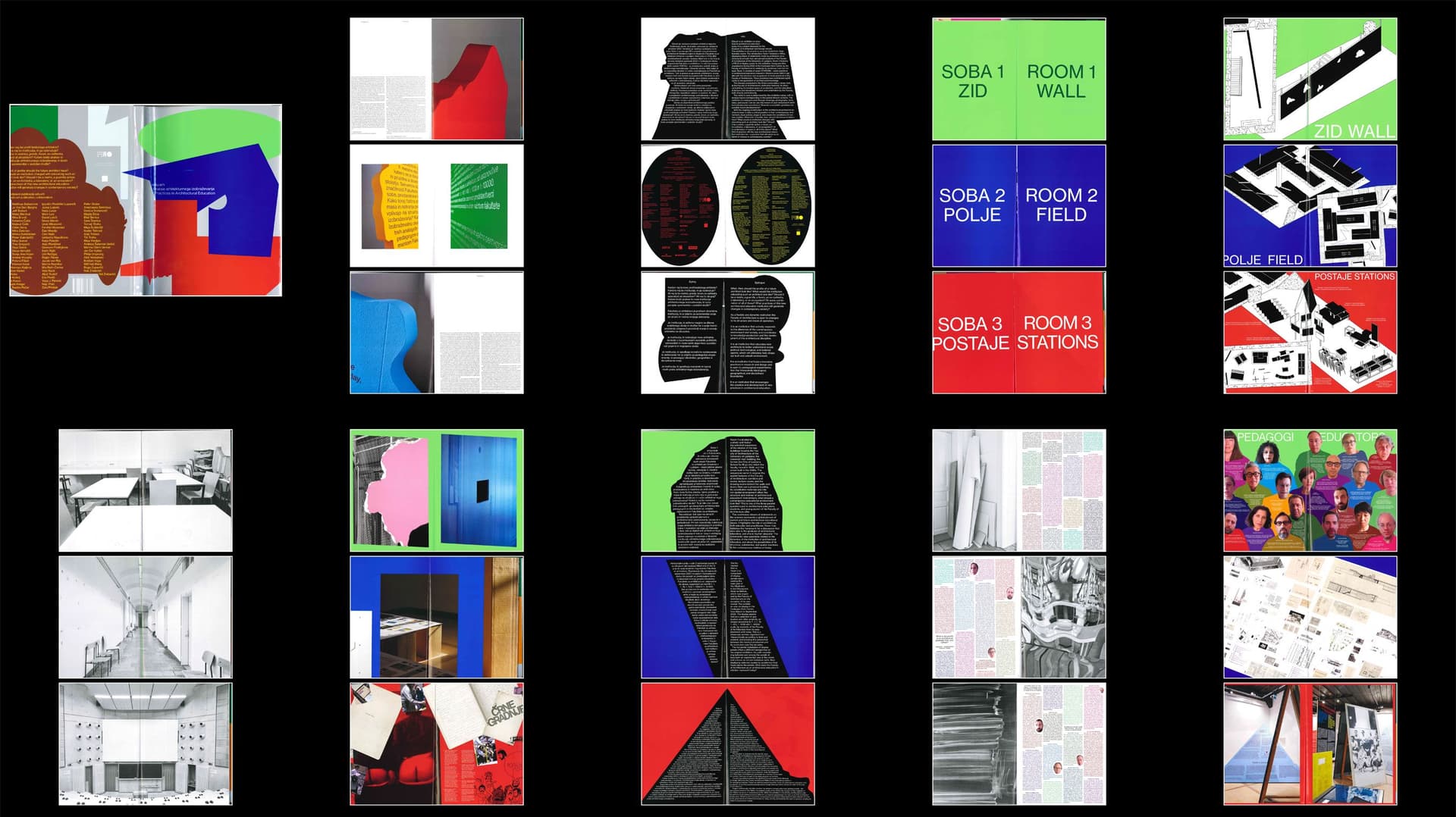
24 June 2021
Former AA student Alexander Eriksson Furunes receives special mention for Golden Lion at Awards of the 17th International Architecture Exhibition
News
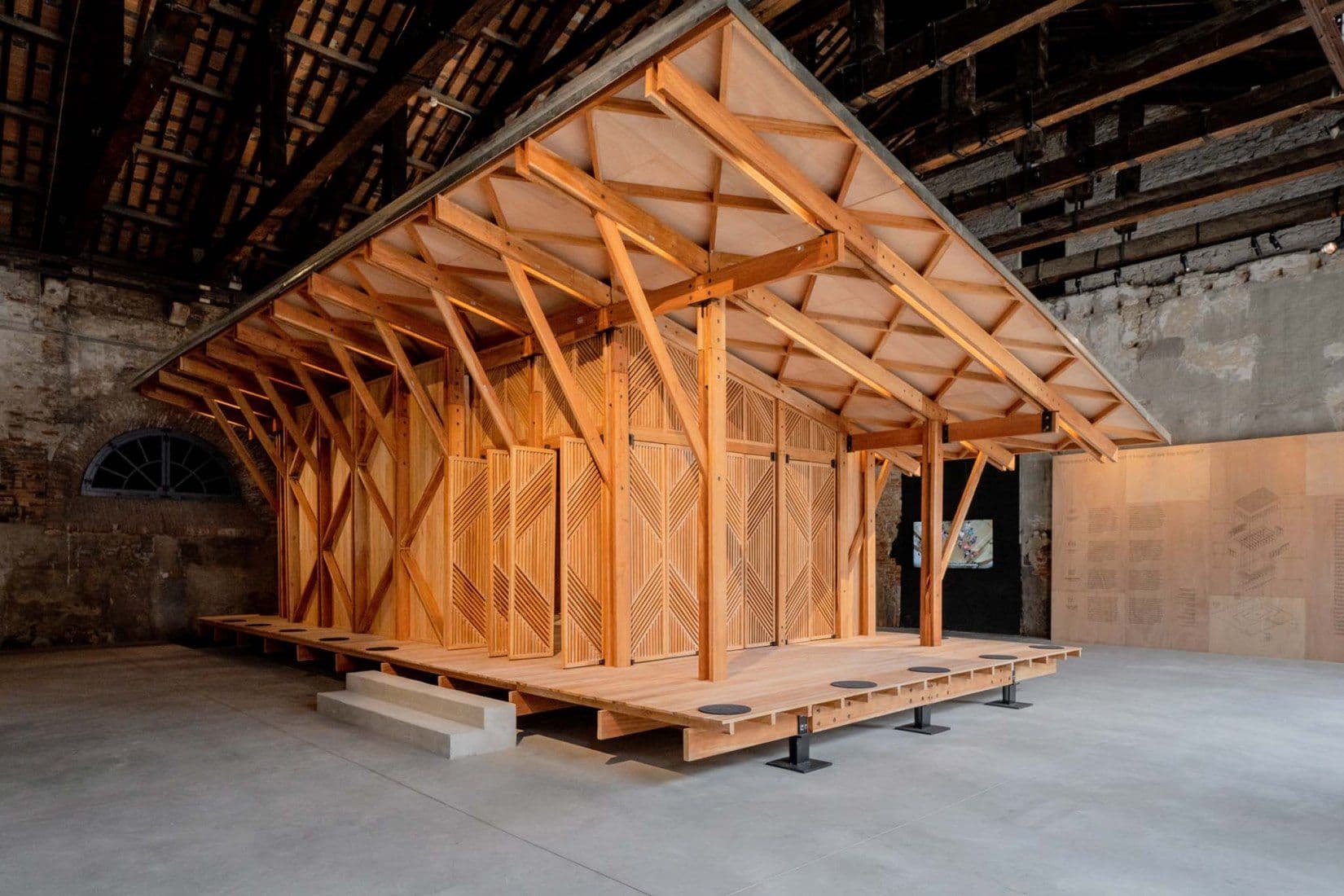
10 September 2021
Mohammed Makki, Milad Showkatbakhsh and Yutao Song have released a new plugin for Grasshopper 3D called ‘Wallacei’
NewsAA Community

15 January 2019
Chris Lee, Bolam Lee and Martin Jameson of Serie Architects complete three projects
News

4 March 2019
AA alumni MSSM Associates win Platinum A’Design Award for ‘Z Line House’
News

25 September 2020
AA Intermediate 7 tutor Marko Milovanovic is announced as 2024 Royal Academy of Arts Architecture Resident
News

11 July 2024
AA Dining Room features in new book Secret London - Unusual Bars & Restaurants
NewsAA Community
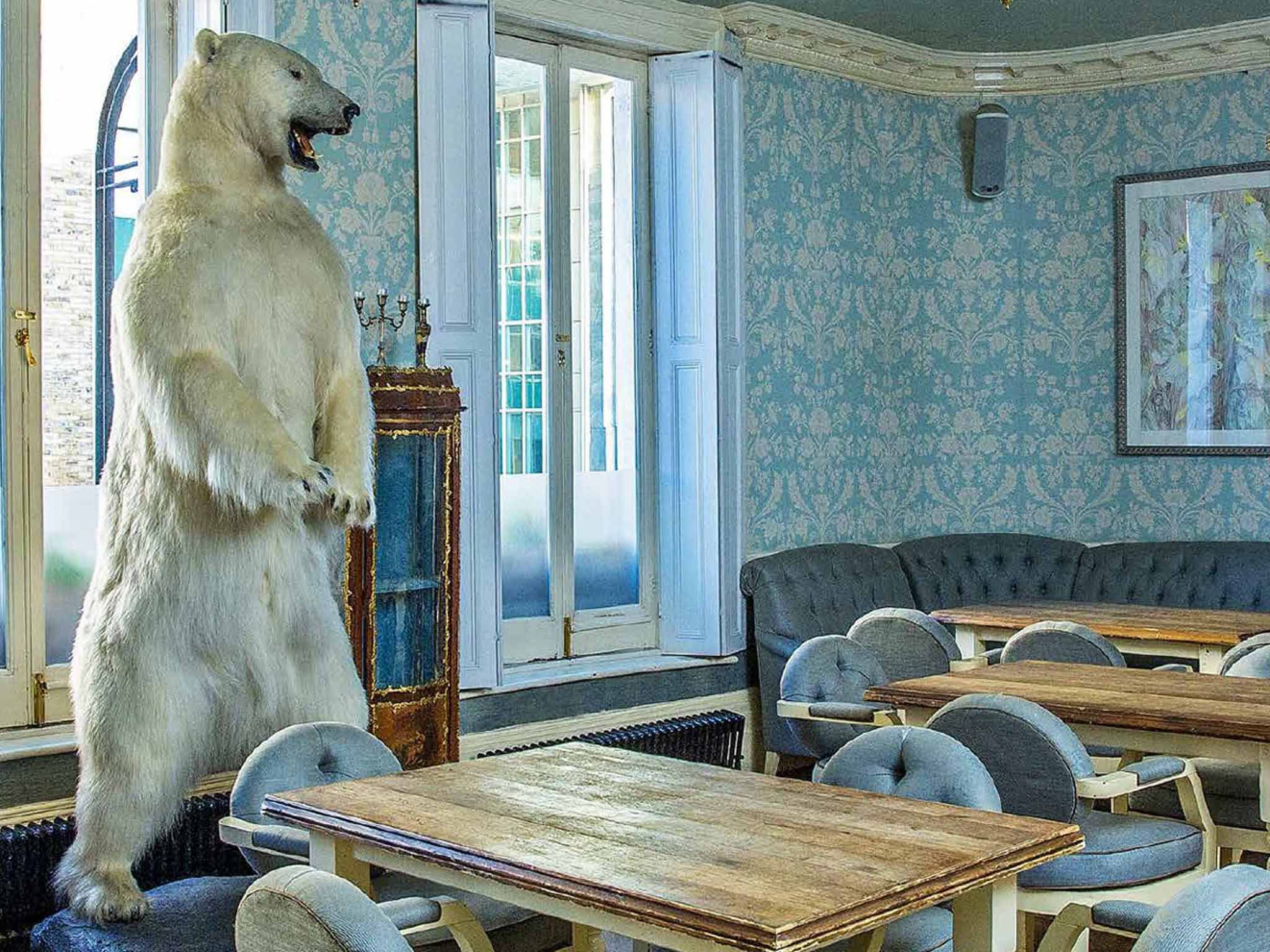
3 December 2018
AA alumnus Dan Narita presents at the Fondation Braillard Architects
News

4 February 2022
Lorenz Alarik Adriaens
1988–2021
18 October 2021
Former AA President Michael Pearson dies aged 88
NewsAA Community

28 January 2022
36 Bedford Square
London WC1B 3ES
+44 (0)20 7887 4000
reception@aaschool.ac.ukSign up for AA WeeklyFollow us on InstagramGovernanceDocuments
Architectural Association School of Architecture
The Architectural Association, Inc. is a Registered Charity Incorporated as a Company limited by guarantee. Registered in England No.171402. Registered office as above.