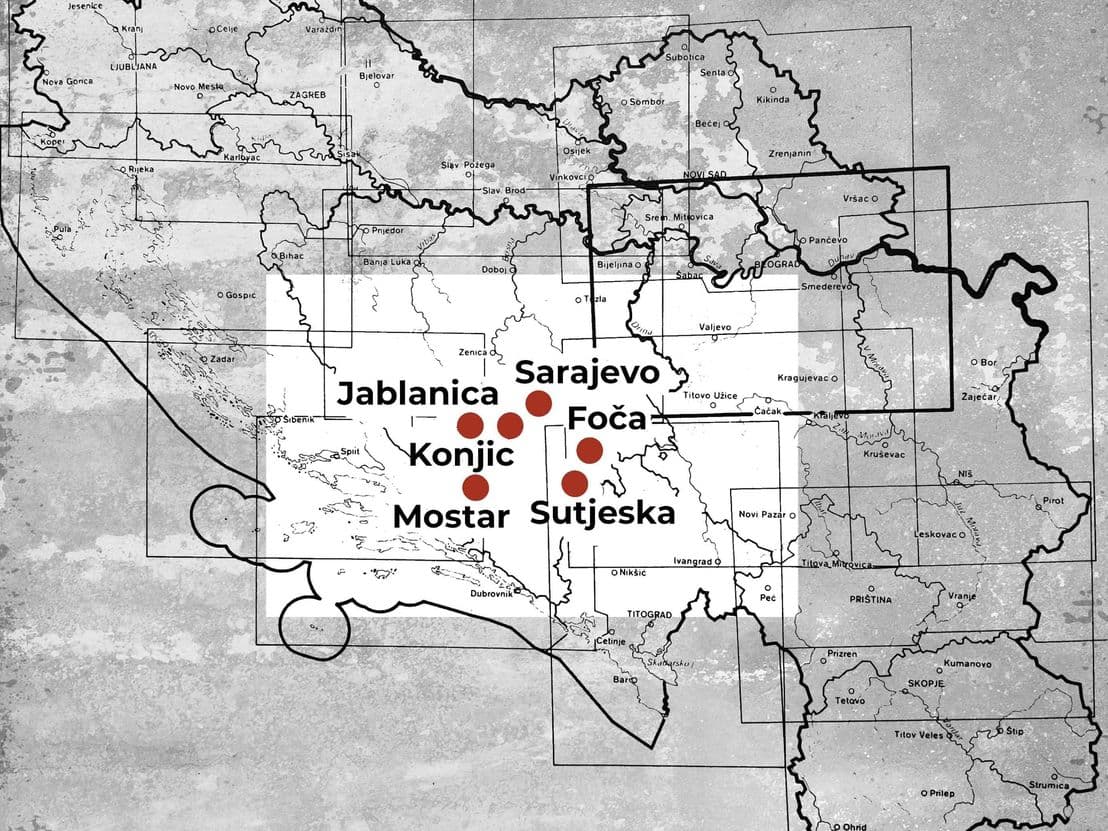
The Museum of Architecture has launched a new online exhibition titled ‘Colour Memories’, which seeks to ‘celebrate colour in architecture and explore its centrality to the work of a range of contemporary practitioners each of whom has a distinctive position on how and why they use it.’ Many members of the AA community contributed to this exhibition, nominating colours that held particular significance for their practice.
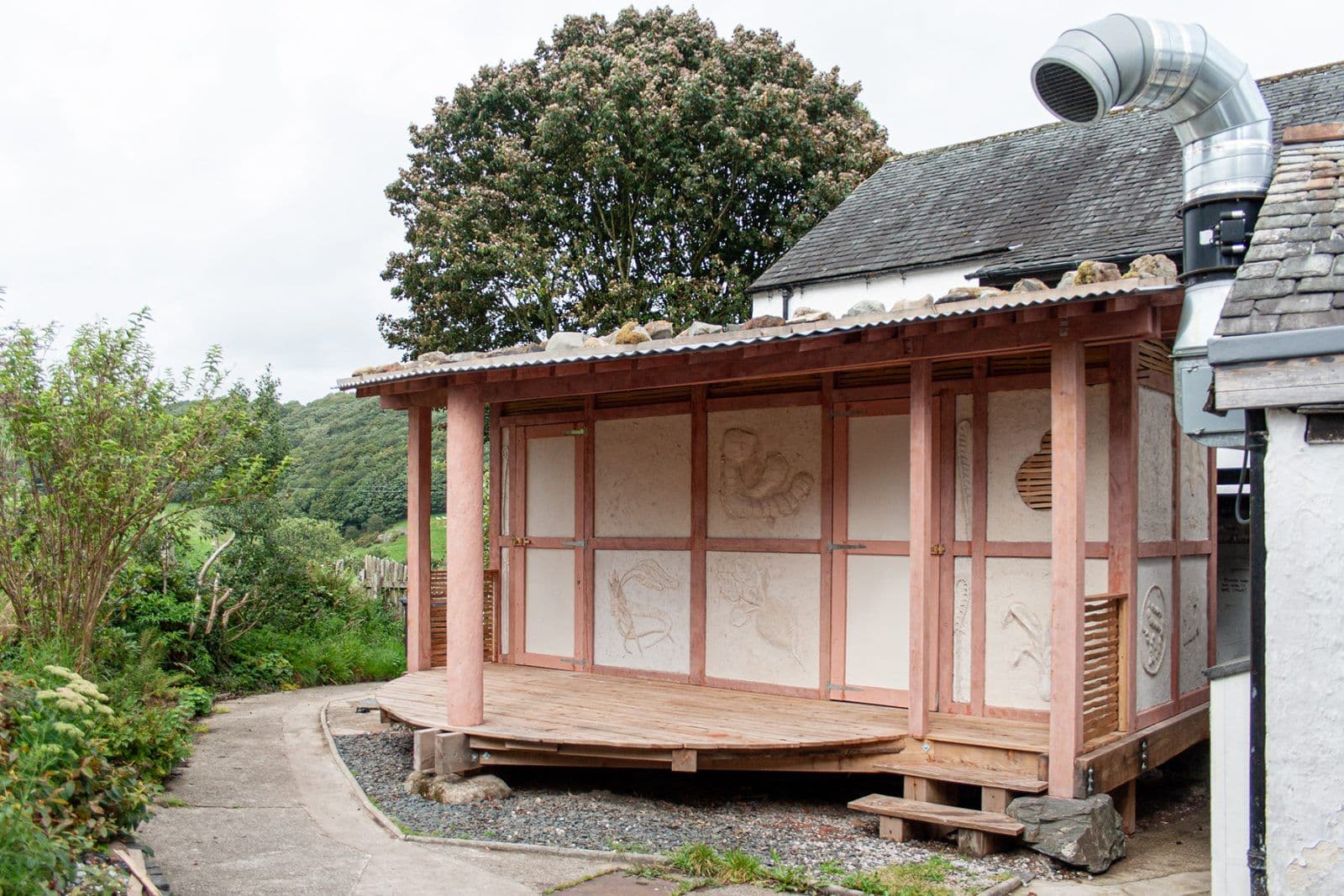
Several AA staff and alumni were invited to take part in the exhibition. The practice Unscene Architecture, which is led by Head of AA Public Programme Manijeh Verghese and AA alumna Madeleine Kessler discussed The Garden of Earthly Delights, a painting by Hieronymous Bosch which inspired their project at the 17th Venice Biennale. vPPR Architects, a practice led by AA alumna Catherine Pease and AA tutor Jessica Reynolds also contributed to the exhibition, highlighting the deep green colour of chlorophyll ‘to represent the colour of plants and nature: soft and calming; playful and ever-changing; innumerable and complex.’
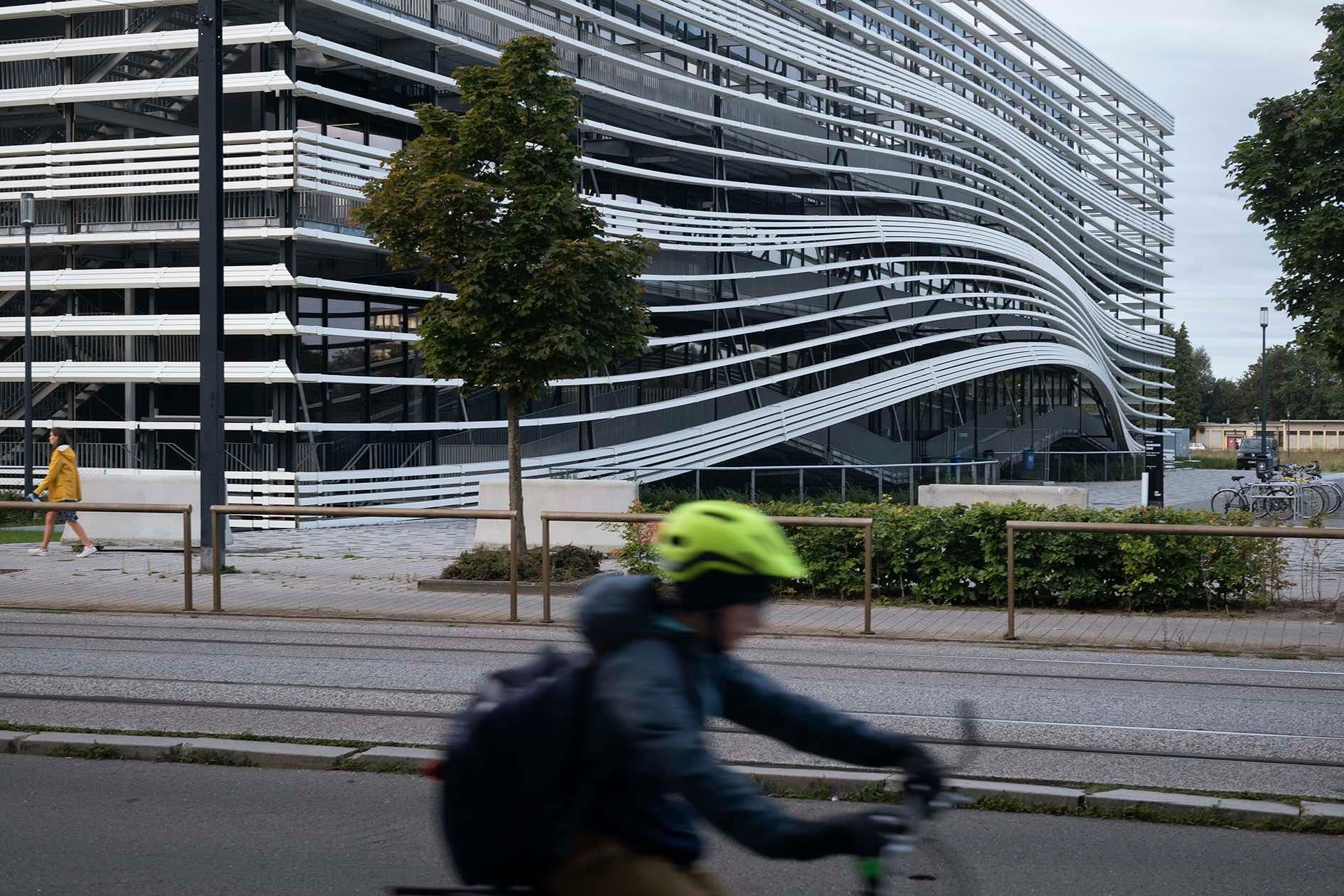
AA tutor Antoni Malinowski discussed his teaching on the course 'Politics of Colour' at the AA, the only structured practical colour course in an architectural school in the UK. Antoni commented that: 'In my colour course I focus on practical work. I encourage students to follow some of Joseph Albers’ 2D exercises and extend them into 3D colour constructs. Interaction of colour in 3D is different and has to be practically tested. By focusing on the characteristics of colours – such as dark/light, warm/cool, reflective/absorbent and how they interact with different light conditions, the students gain a better understanding of the colour phenomenon. The hands-on work is accompanied by a written analysis.' The exhibition features work by two AA students produced in Antoni's class, Luca Luporini and Charlotte Birrel (see gallery below), including photographs of Antoni's extensive body of painted architectural work with practices such as Haworth Tompkins Architects.
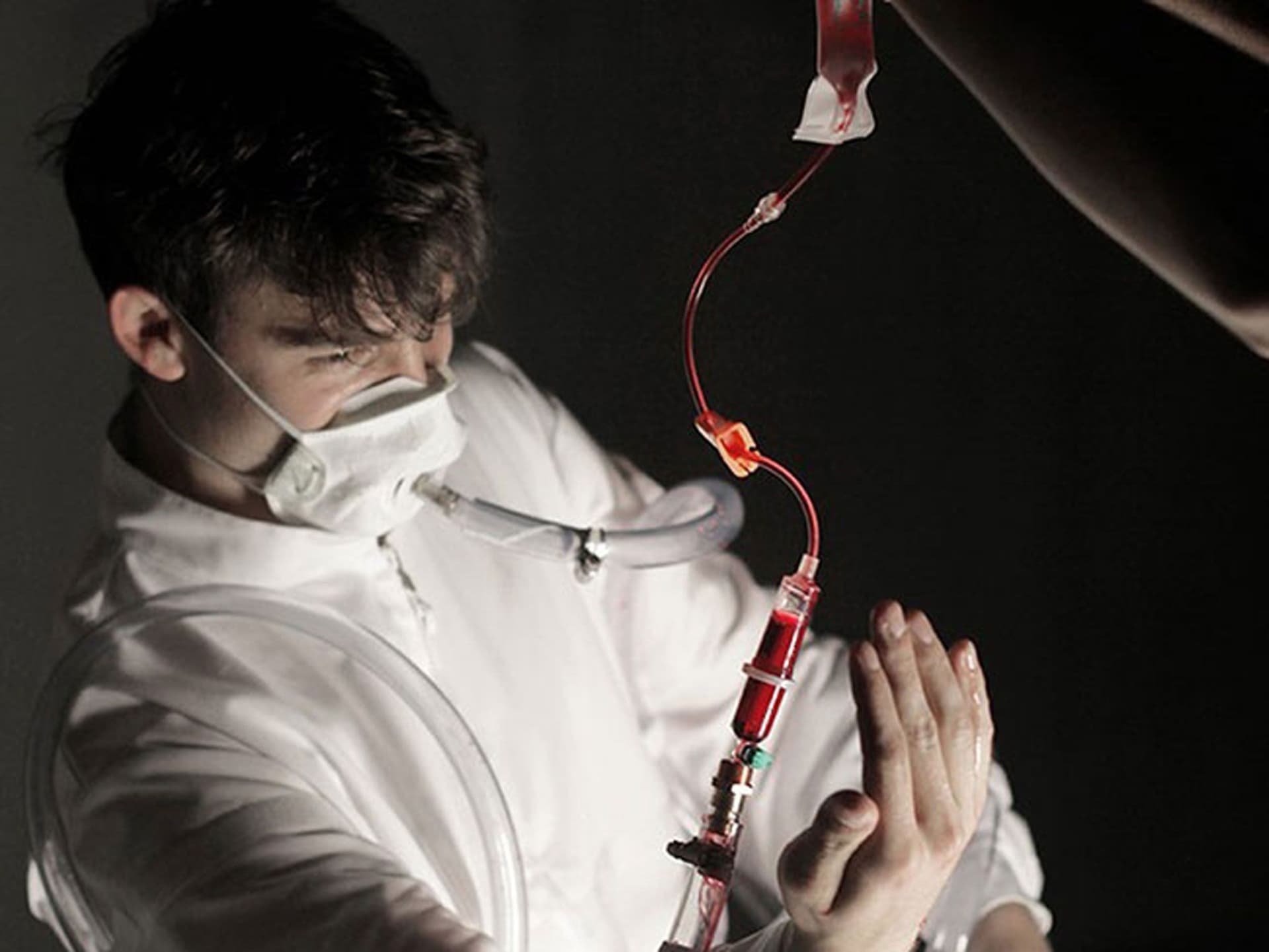
Afterparti, a collective of architectural writers of colour including AA alumni Thomas Aquilina and Aoi Philips spoke of the role that colour played in the changing identity and agenda of their projects: ‘Our prototype series, The Time for Failure is Now, was defined by the colour yellow: bright and emerging. This was followed by the series, For the Love of Power, where we adopted the colour of love, blood and revolution: red. In a sense, colour marks the evolution of our collective and defines the chapters in this journey.’
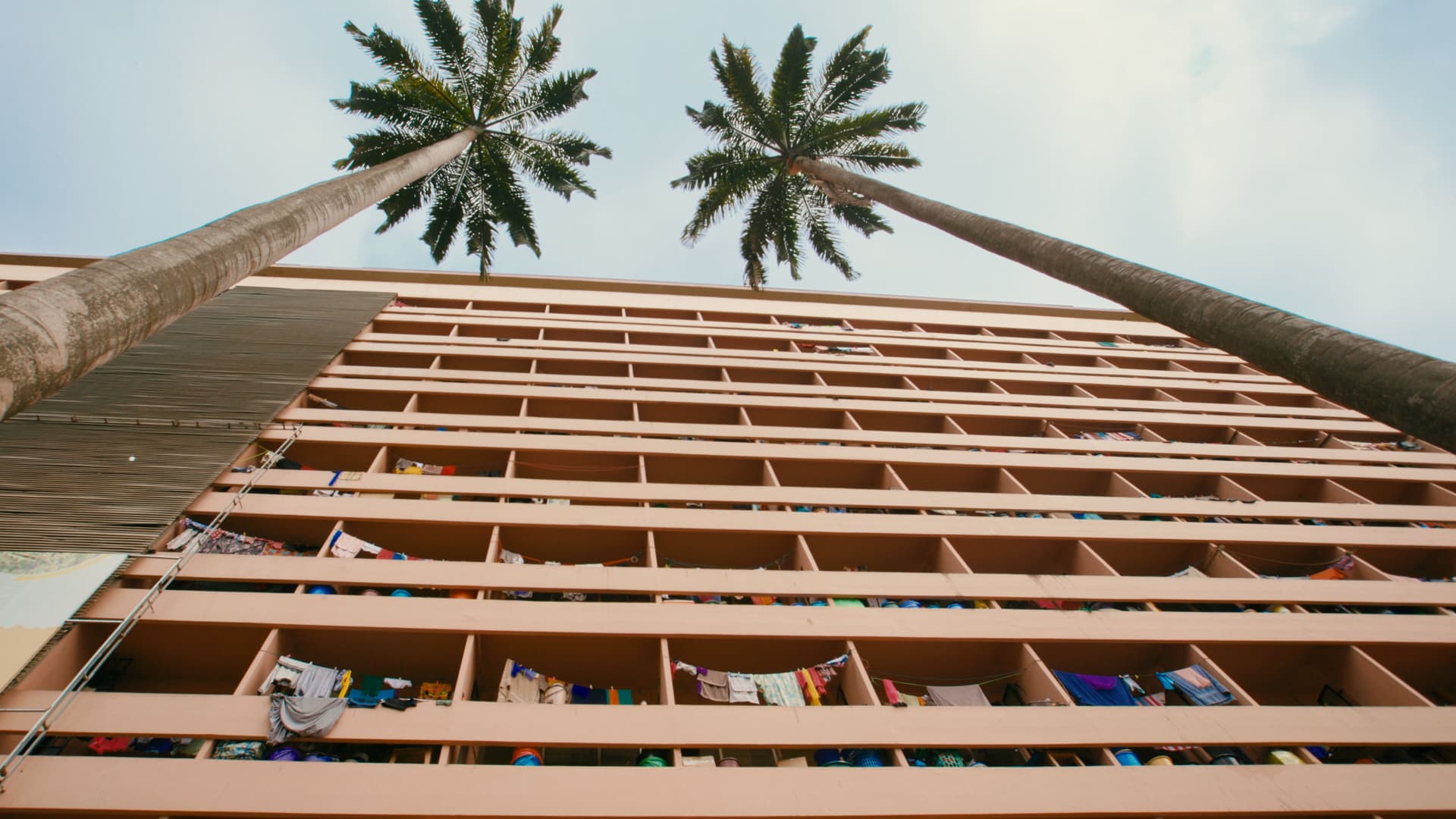
AA alumna Sarah Akigbogun, founder of the practice Studio Aki shared the importance of colour to her memories of visiting West Africa as a child, reflecting that ‘what I remember from these trips is the intensity of the colour of the soil, flashing like a film strip as we drove along. There was this long, red horizon line that seemed endless. This soil was everywhere. When I came back to the London I would dream and then draw in that colour.’ Her contribution explores the role that memory, colour and building materials play in her practice as an architect.
AA alumnus Asif Khan reflected on the complexities of colour through his identity as a colour blind person, asking ‘can a colour blind person add meaningfully to an exhibition about colour? If anything, isn't colour an immutable, absolute notion? I mean most people don't doubt the greenness of the grass or the blackness of the night sky. Well between you and me, these are exactly the kind of questions I often have on my mind, and you could say I try to explore through my work. Perhaps because I'm colour blind is why certain colours fascinate me so much.’
Visit the exhibition
Images: 'Colour Intervention in Suburbia' by Charlotte Birrel and 'Color_space light study' by Luca Luporini