Matthew: Congratulations Jessica on being included in the Architects’ Journal ‘40 under 40’ list! I was wondering if you could tell me a little about your unit and your teaching at the AA?
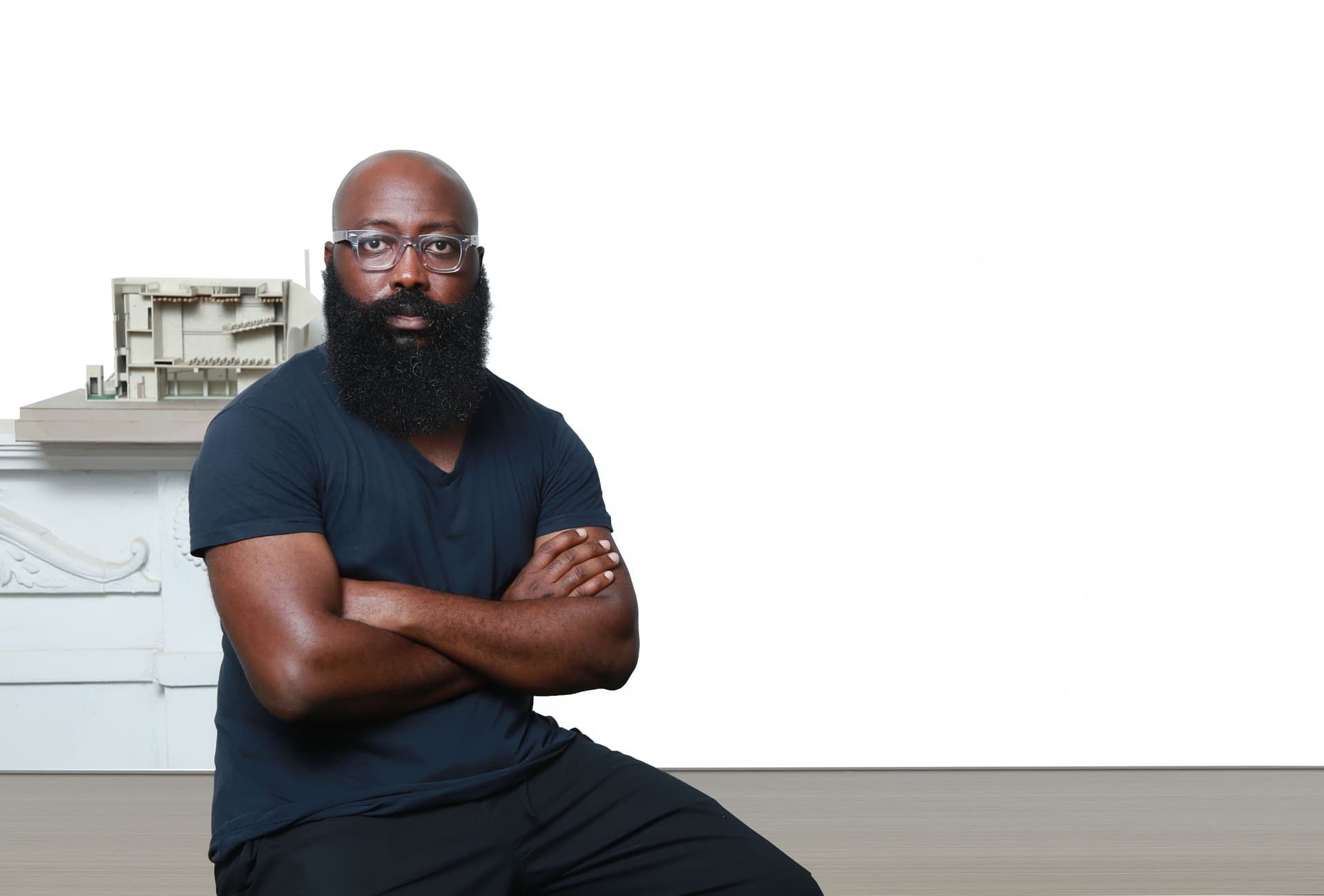
Jessica Reynolds: Thank you! I teach the unit Experimental 13 ‘UnNatural History Museums: Unbuilding the Museum Typology’ with Lily Jencks, and we’ve been researching museums in the unit for a couple of years now. It’s part of an ongoing project, challenging the singular monolithic cultural institution and asking what their future might look like: how they might be broken up and dispersed through the city, made more accessible, more porous and engage with more publics. It ties into the practice of both myself and Lily: Lily is in the process of setting up a museum, and my practice, vPPR Architects, which I run with Tatiana von Preussen and Catherine Pease, works closely with cultural institutions including the Barbican, the Hepworth Wakefield, the White Cube Gallery and the Design Museum. We both believe in the educational capacity of museums and the role they can play in the defining crises of our time, including the environmental emergency. Museums are spaces of preservation, display and reflection, but of course are also places of cultural discourse and of the production of knowledge. This year we are focusing on the Natural History Museum, which typically recalls a cabinet of curiosities; lots of taxidermied animals and fossils, dark and dusty corners. Our students remember visiting them when they were children, but they wouldn’t necessarily think to revisit today. We think the Natural History Museum is a powerful place to help us redefine our relationship with nature, to play a vital role in the public conversation around the urgent environmental issues of today and inspire us to act.
Matthew Lloyd Roberts: I think one of the striking things about the unit is that the museum as a subject gives you the opportunity to address the physical architecture of the institution, but also the social and political role that museums play through questions of curation. How do you approach these questions?
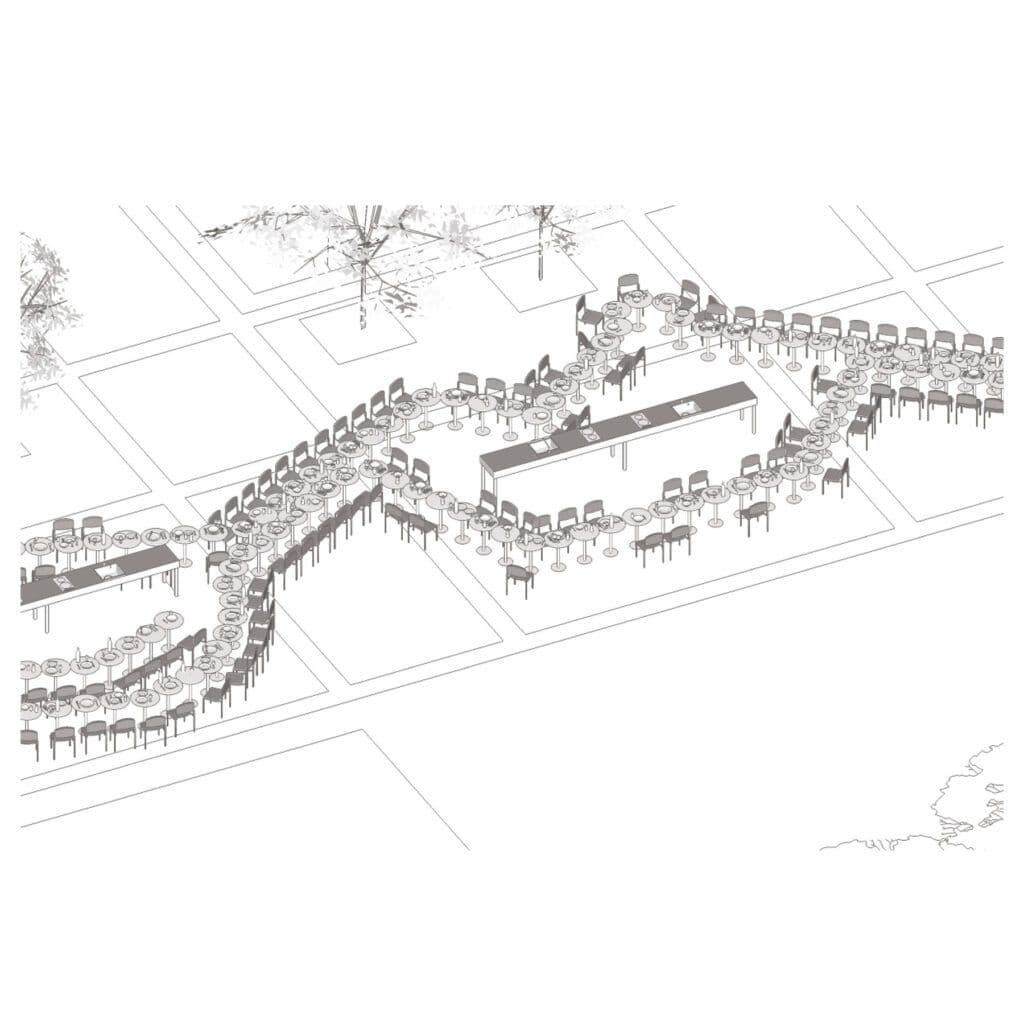
Jessica: One of our guiding ideas this year is the term ‘unbuilding’ — to challenge the idea of the ever-expanding museum. Instead, our students are exploring ways to revitalise the institution through strategies that tend towards reorganisations or modifications to the existing spatial or curatorial situation. For example, one student is hybridising the Natural History Museum with an adjacent zoo, exploring ideas of interspecies communication and empathy through engaging with living nature- how do you design a display space for a gorilla? Another strategy is decentralising the collection around the city, so that it is more integrated into everyday life, instead of being locked up inside the museum. Historically these institutions have been part of a centralising system of power, they are tied up with legacies of colonialism, and we’re interested in techniques to transform the way they work: from architectural interventions to performative and curatorial ones. And we’re interested in new ideas for curation that speak to the urgent environmental emergencies of our age. One of our students is designing an Institute of Extinction, which he’s speculatively proposing will grow so tall - responding to the increasing number of extinct species - that it will enter orbit, as a kind of capsule of extinct species, and will then beam holographic projections into space and use virtual reality strategies for engaging the universe with nature in new ways.
Matthew: Museums are obviously extremely prestigious clients, but they’re also often high-stakes: lots of press coverage, lots of public scrutiny. In your own practice working on museum projects, what are the challenges and the opportunities?
Jessica: The experience that we've had working with museum clients has been fantastic, curators and directors tend to be so passionate about their vision, which presents the incredible opportunity to make this vision spatial and experiential. My practice has always been informed by the crossover of art and architecture whether it is collaborating with artists and curators or being inspired by specific works and movements so there tends to be a lot of common ground working with cultural institutions. Some of the challenges relate to sustainability. For example temporary exhibition designs create an enormous amount of waste, because museums rarely have the space to store these big architectural elements. There are things you can do about this, specifying natural and recyclable materials, planning the afterlife of the display elements, designing flat pack systems that can be stored more easily. For “Masculinities: Liberation through Photography” at the Barbican last year, we designed the exhibition using a series of framing devices to display connections between artworks, visitors and the architecture of the Barbican. For it, we used as many partition walls as possible from the previous exhibition to minimise waste, in addition to using Valchromat as the primary material, and constructing the components so they can be easily dismantled, transported and reinstalled in its touring venues.
Matthew: Museum buildings are often historic and listed. How does that affect the way you approach them as clients? How important is that idea of the pre-existing building to the work of the unit?
Jessica: We've definitely been drawn to working alongside historic buildings, both in the unit and in practice. It's about designing with an idea of a continuum of time — past, present and future — and working with layers of history. At vPPR our designs develop out of research into the history of the site. For example on our Redchurch Street development, we worked with an existing brick warehouse and designed a decorative ventilation cast iron fascia panel inspired by local ironmongery, offering a contemporary take on its industrial past.
People tend to associate the Natural History Museum with an institution concerned with preservation, and the architecture — those dark and dusty cabinets surrounded by carved stonework depicting animals and plants — contribute to that feeling. But actually, it is a place of incredible creation, invention and new breakthroughs in biology, in labs, employing hundreds of scientists, mostly hidden away from the public. Architecture is the slowest moving art, so how can it do justice to this extremely forward-thinking place? Adapt it, activate it, revitalize it. One of our students is trying to expose how nature has been constructed historically: dissections in operating theatres, taxidermy, dioramas, these are processes which construct our understanding of nature itself. Another student is interested in the idea of decay, the opposite of the museum’s typical focus of preservation, and a fundamental process of life. Some of our students have shifted their focus from experiencing representations in the museum to experiencing the actual environmental phenomenon, asking what happens when these crises start to penetrate the building. For example, one student is exploring controlled flooding of the Smithsonian Museum in Washington, and how the flood might rearrange the curated sequence.
Matthew: You could enjoy the carvings of the stone vault even more if you were really close to it, moving through the museum on a gondola!
Jessica: Yes! One observation in our unit research is that the display spaces are often completely sealed off from the exterior, not a single view. Of course there are many environmental reasons for this, but it’s also a shame to completely disconnect from the outside world.
Matthew: It's like a castle.
Jessica: Yes. We really want to push our students to build connections between the interior space of the museum and the living nature that exists outside its walls, rather than limiting it to the representations of nature that exist inside.
Matthew: Lastly, I also wanted to congratulate you because your practice, vPPR is part of the winning team to design the Camden Highline! How do you think about the connection between your practice and your teaching?
Jessica: We're really thrilled to be on the winning team of the Camden Highline. We're based in Camden, so it's on our doorstep. And we're super excited to be working with Field Operations and the rest of the team. We believe it is an important cultural project for London, tackling questions of urban connectivity, cultural diversity, and nature in the city. It is about stitching pieces of Camden together, creating new routes for people to move through and experience the borough. The project has a strong community engagement aspect which we are really excited about.
The role of landscape has always been integral to the way that we work. Our first project was Ott’s Yard, two triangular houses in Tufnell Park, involving a gradient of hard to soft landscaping, from rough brickwork through to green roofs. The roofs of each house have triangular planters with different coloured bulbs that come out at different times of the year. All our projects focus on creating gradients between interior and exterior; public and private; inside and outside; which connects closely to the work of the unit, thinking about gradients within and without the museum.
Matthew: Yes, I was thinking about gradients between busy-ness and seclusion.
Jessica: Definitely. Our unit is focused on breaking down these binary relationships into more fluid situations enabling a multiplicity of experiences with nature. Lily is a landscape architect as well so it forms a strong aspect of the brief.
Matthew: There are some clear similarities between the Highline and the work of the unit: in both cases you’re working with an over-engineered piece of Victorian architecture, the viaduct and the Museum, and trying to access them in new ways.
Jessica: Yes! In both cases we’re working with layers of history, trying to celebrate their histories and then look into the future with optimism, and engaging with nature in new ways.
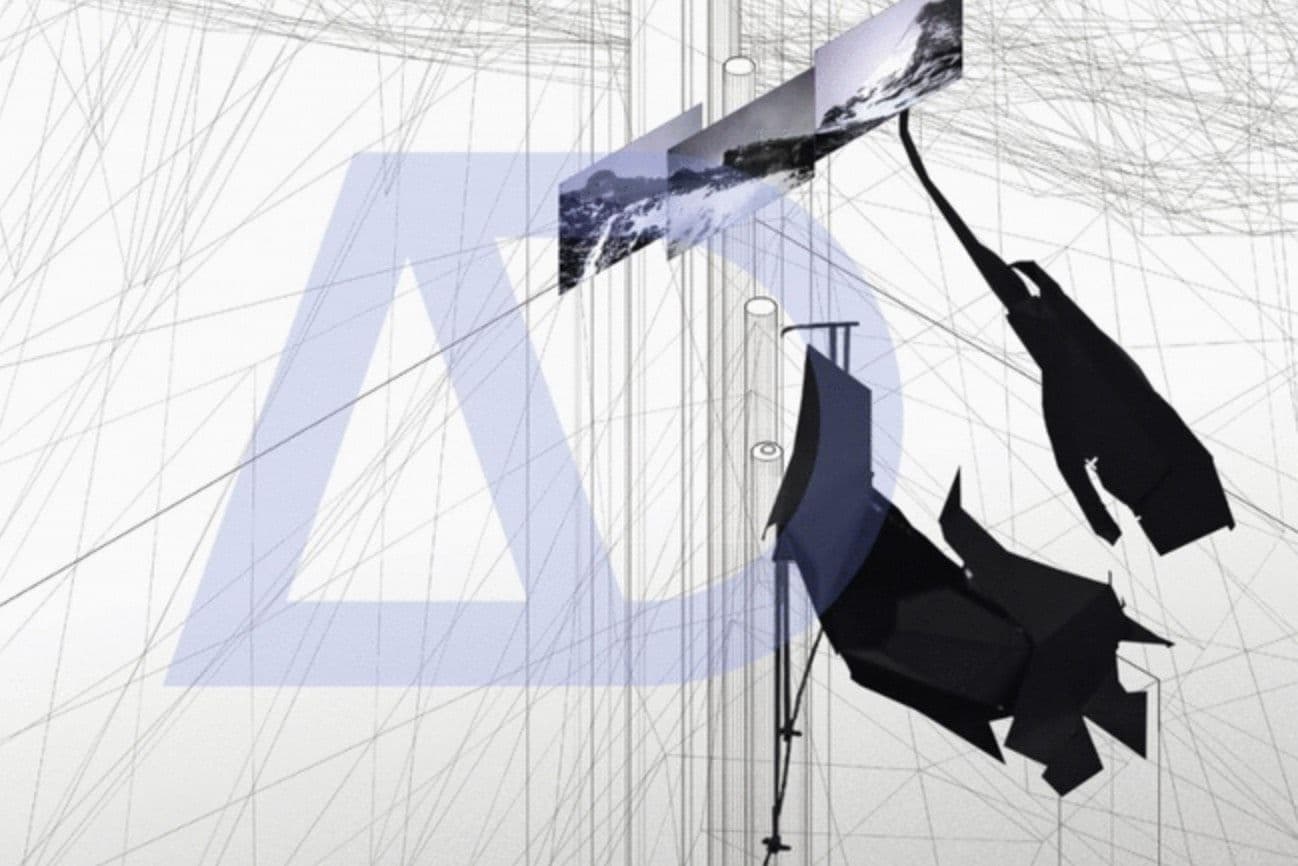
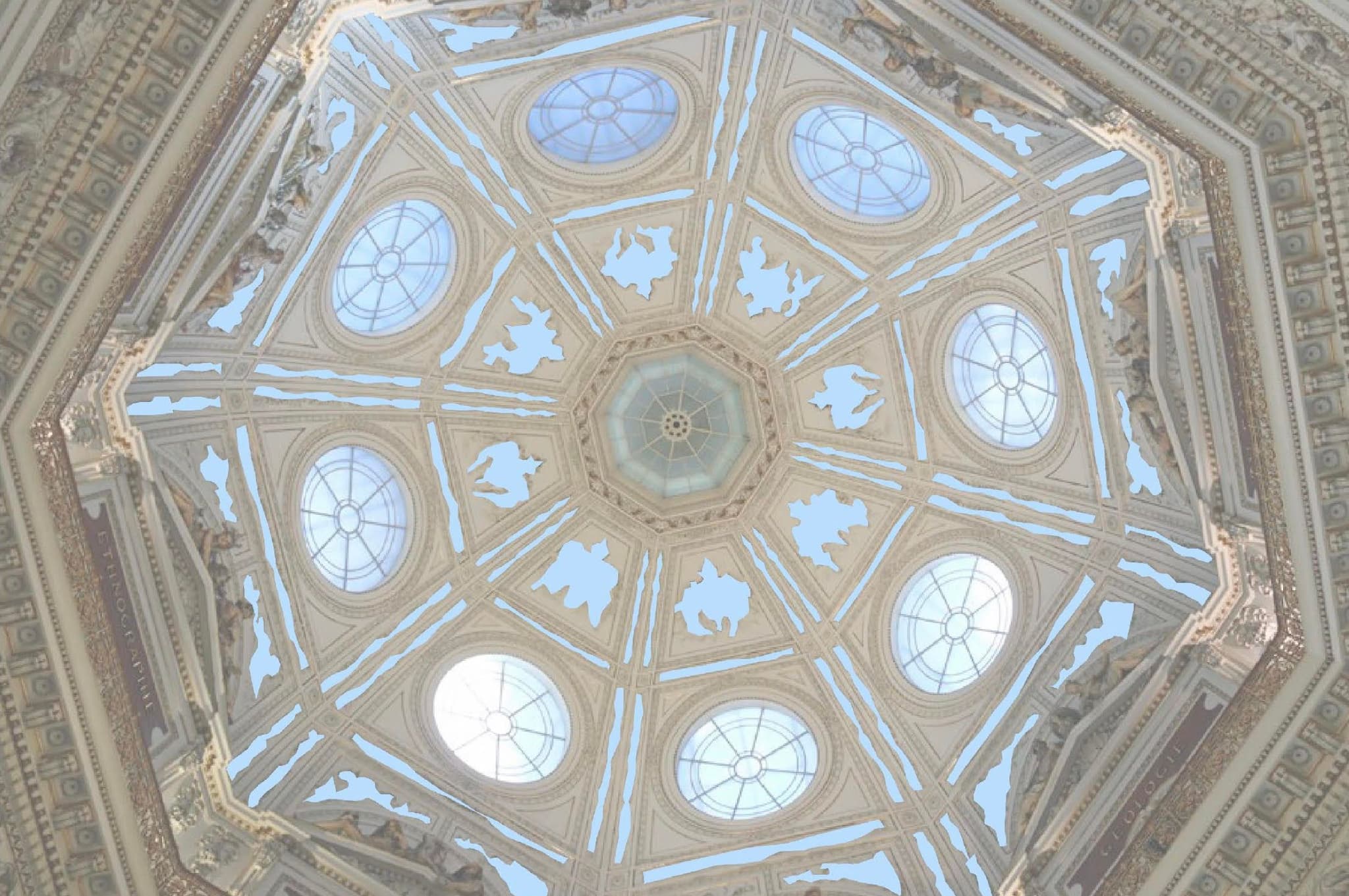
Image: ‘Dioramas in Vienna’ by Experimental 13 student Liesl Wong