Greek magazine KTIPIO launched their thirty-fifth anniversary issue with featured interviews on the architecture of the future. DRL Programme Head Theodore Spyropoulos shared some of his thoughts. Other contributors included Wolf Prix of Coop Himmelblau, Ben van Berkel of UN Studio, Neiheiser Argyros, and Carlo Ratti.
Read the interview in English below:
1. To what extent do you believe that emerging technologies and new materials influence the design and construction of buildings worldwide and, respectively, your own design process?
Technologies necessitate curious and explorative engagement. In constructing the fundamental relationships of how we live and understand our world we need to examine methods that fundamentally see designing and acting in the world as active enquiries. The need for open experimentation is not only necessary, it is fundamental to move beyond definitive assertions of how things should be and focus on the possibilities of what they can be? Architecture offers a conceptual and disruptive pursuit to re-examine and intervene in this technological world. Anything less would only reinforce existing models rather than looking forward and evolving a history of experimentation that remains with the desire to offer more. In our work with my brother Stephen in my studio Minimaforms or with the explorations of the Design Research Lab that I direct at the Architectural Association, technology is examined as something human and necessary to challenge the status quo not only in the making but in thinking of what architecture can be? As Cedric Price one said, “technology is the answer.,” but then rightly asked “what was the question?”
2. Do you believe that the digitization of the construction industry (robotics, artificial intelligence, AR / VR, etc.) will lead humanity to a more sustainable structured environment (with low carbon dioxide emissions, zero energy buildings, etc.)?
The magnitude of problems today necessitates a deep understanding of the complexity of the dynamics within our environment. Intelligence in how we engage in this demands a radically different approach that sees the world as an ecology of interacting things. AI, sensing technologies, automation and robotics can play a very important role in this but not as they are being approached now. Emphasis cannot remain on simplistic solutions of slogan to influence behaviour. Neither can reinforcement of systems based on habit. In architecture we can learn a great deal from innovation of those who explored a socially responsible model for construction in the work of Frei Otto, Bucky Fuller and Eladio Dieste as examples to demonstrate how social responsibility can impact research and the built environment.
3. How do you envision architecture and buildings in the near future (taking into account technology, climate change, migration, pandemics, etc.)?
Marshall McLuhan would suggest that what we consider the future is our present because we find ourselves living in the past. Our contemporary age is as radical with change, latency and uncertainty becoming the new norm. Considering our present, we may agree we live in an age where science fiction has become fact. The need for architecture to engage socially and participate in the challenges of our time is fundamental. Architecture, academia, and the construction industry today remain overtly conservative, habitual, and singular in their approach. The pursuit of exploratory knowledge and the plurality of design problems will be the only way we may make a meaningful impact. From mass migration to climate change, architecture in its conception and practice can no longer be considered something fixed and finite. We must understand deeply our world as one that necessitates systems and thinking that is adaptive and evolving. We must also consider the orthodoxy of styles and historical crutches as limited if not obsolete in this pursuit. Our built environment should enable more participatory means to share and explore space as a medium of our interfacing. Technology in this pursuit is our enabling framework to bring us together to rise to these challenges.
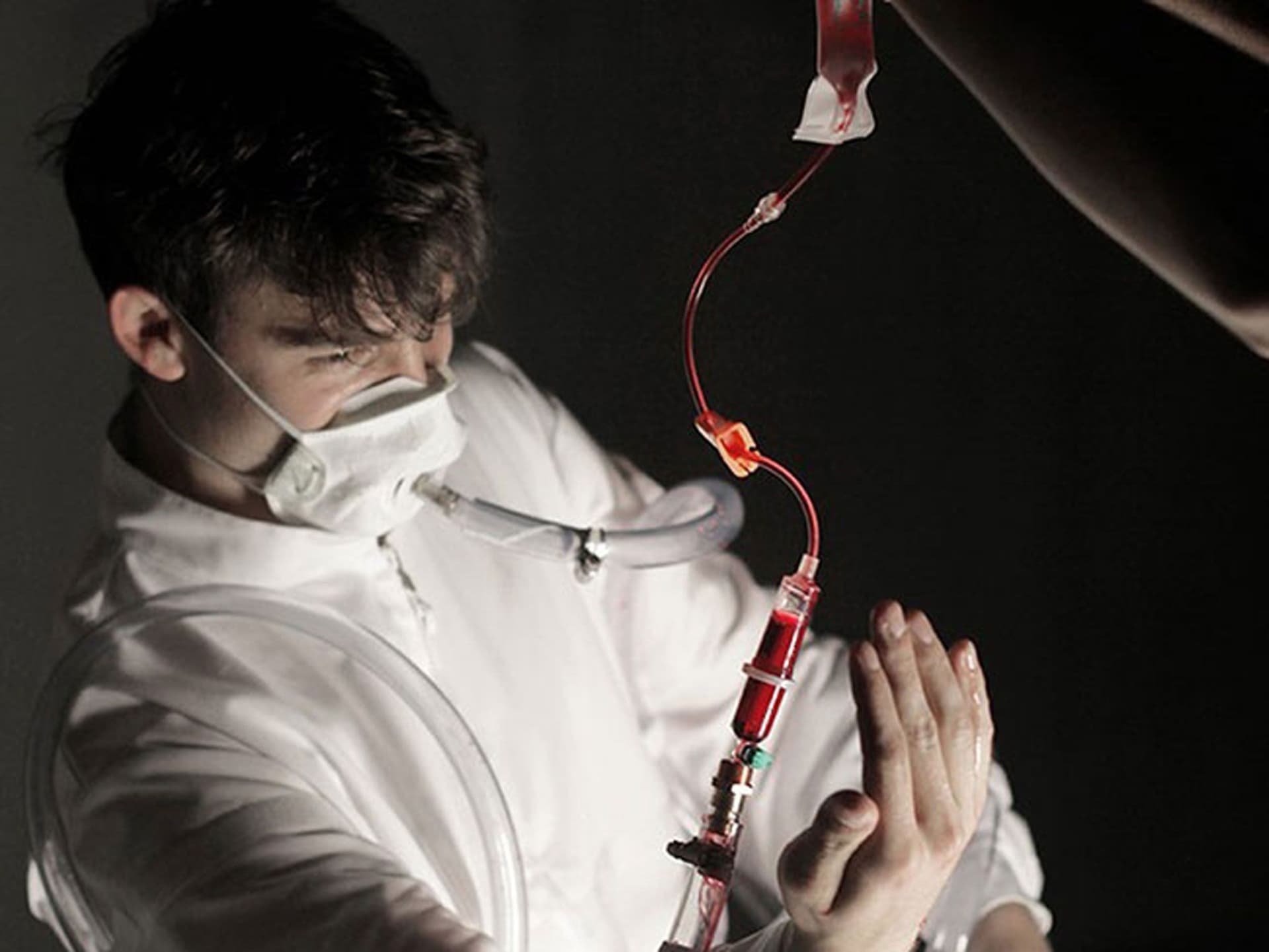
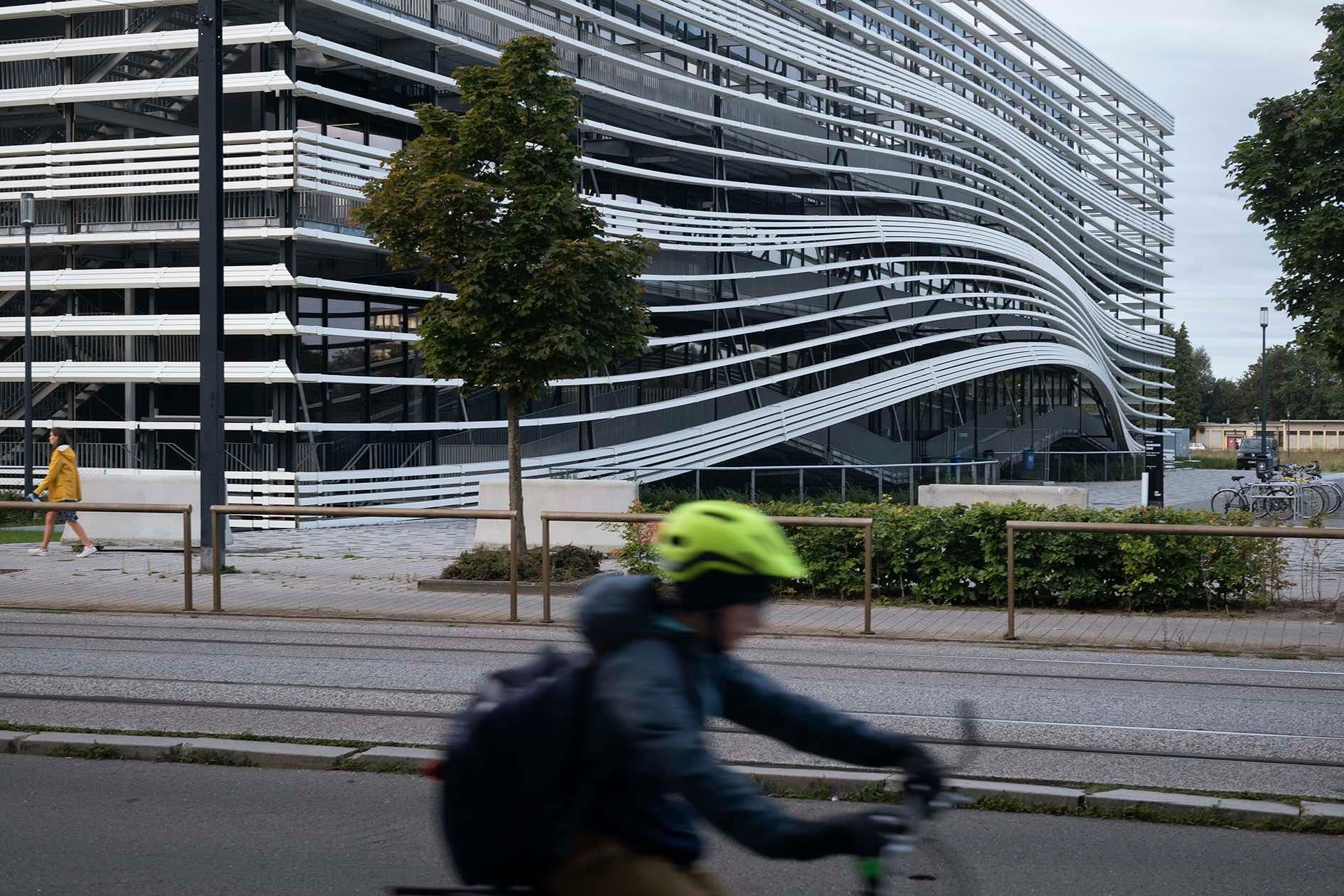
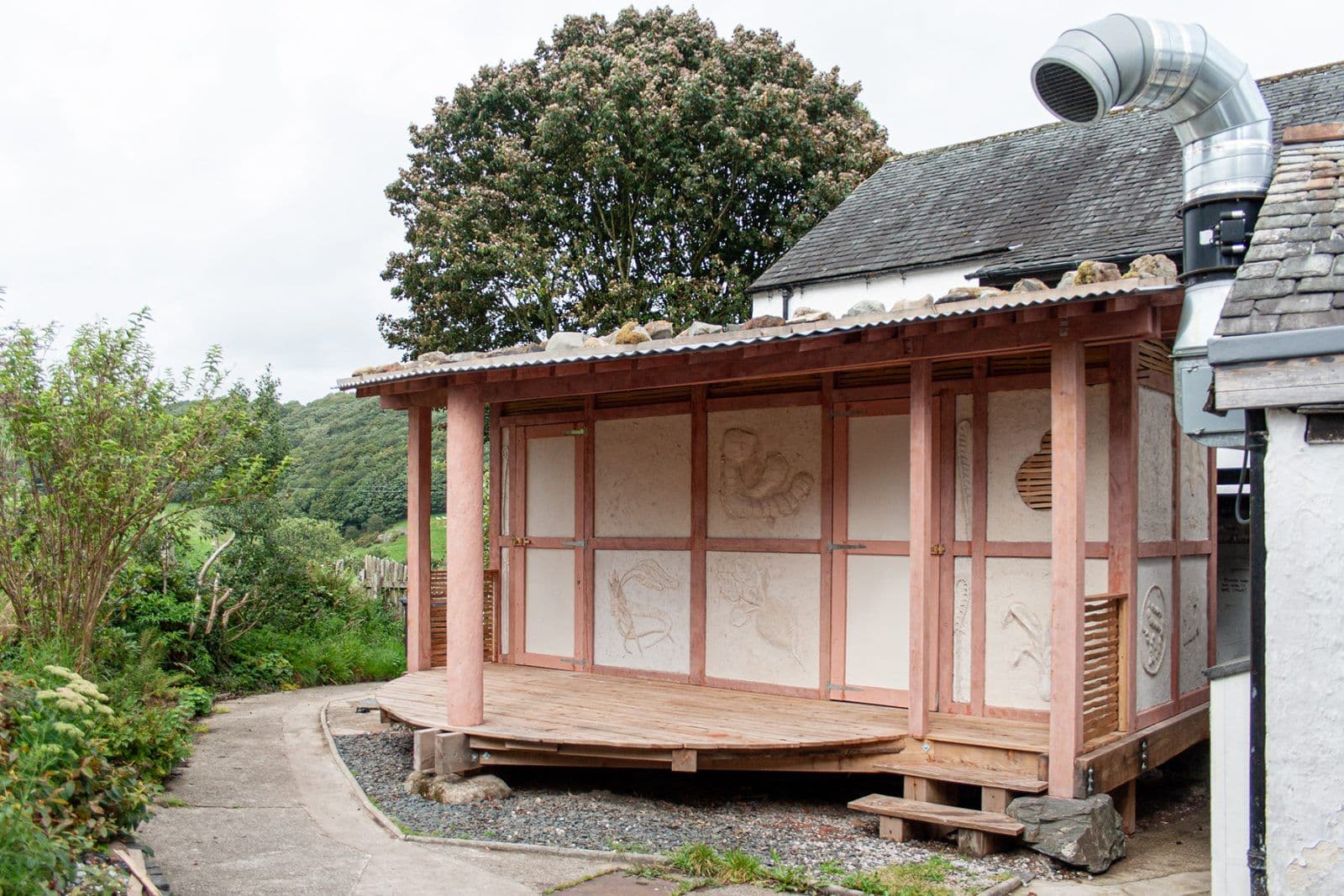
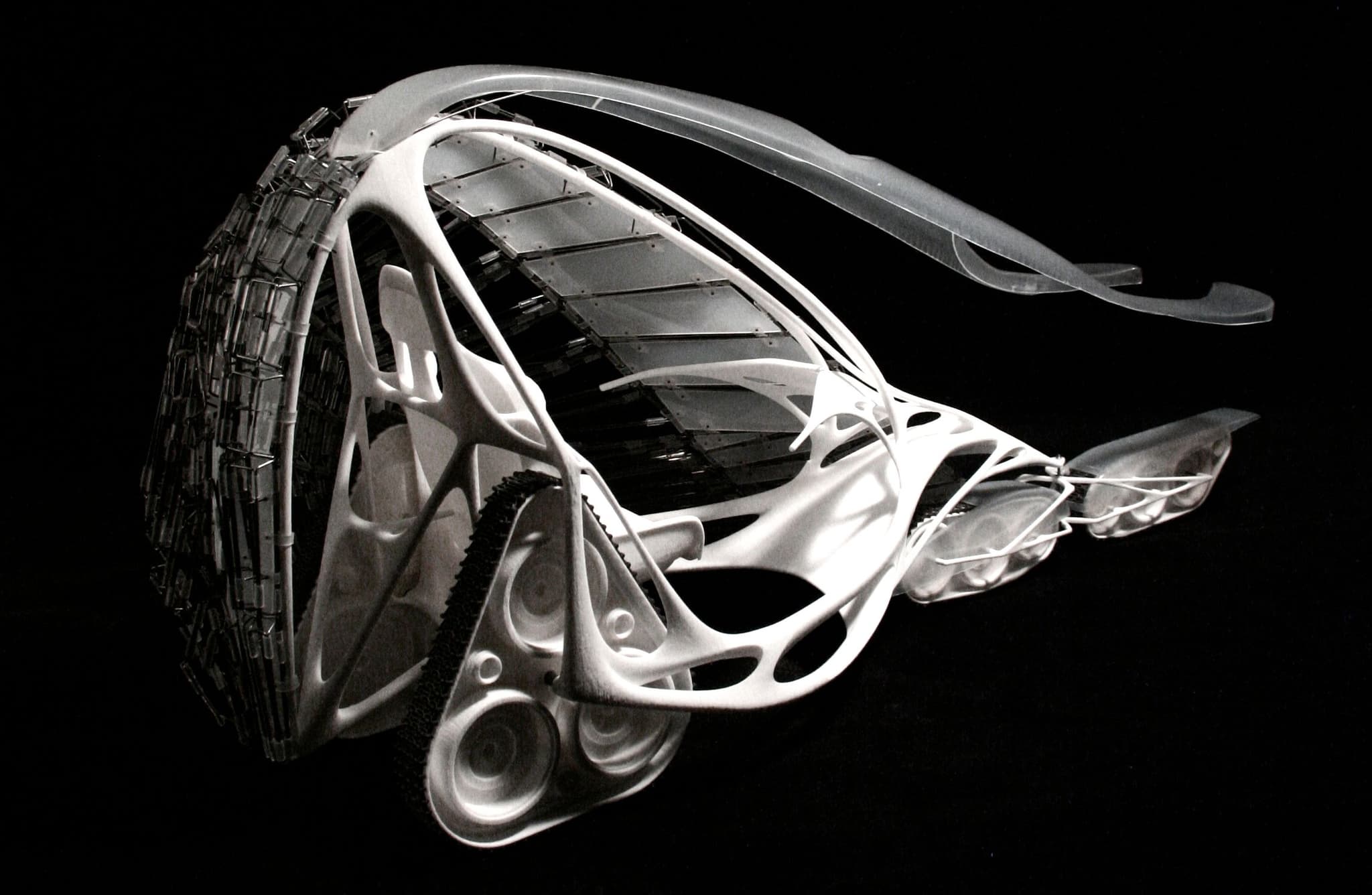
The is illustrated with recent work developed with Stephen Spyropoulos as Minimaforms.
Find out about the work of Spyropoulos Studio in the DRL