News
To submit your news please email us at: news@aaschool.ac.uk
AA tutor Hamed Khosravi opens Fields, Fragments, Fictions exhibition
News

25 March 2022
Maria Radjenovic, Eleni Tzavellou Gavala and Fortuné Penniman shortlisted for the UAE National Pavilion at the Venice Biennale
News

11 October 2019
Asa Bruno
1971-2021
23 July 2021
Charles Cullum
1927-2013
30 January 2020
Platon Issaias set to appear on the Organisational Committee of the Participatory Planning: City, Environment and Climate Change conference
News

19 November 2021
Head of Teaching and Learning Mark Morris edits Special Issue of AD on Architectural Models
News

23 April 2021
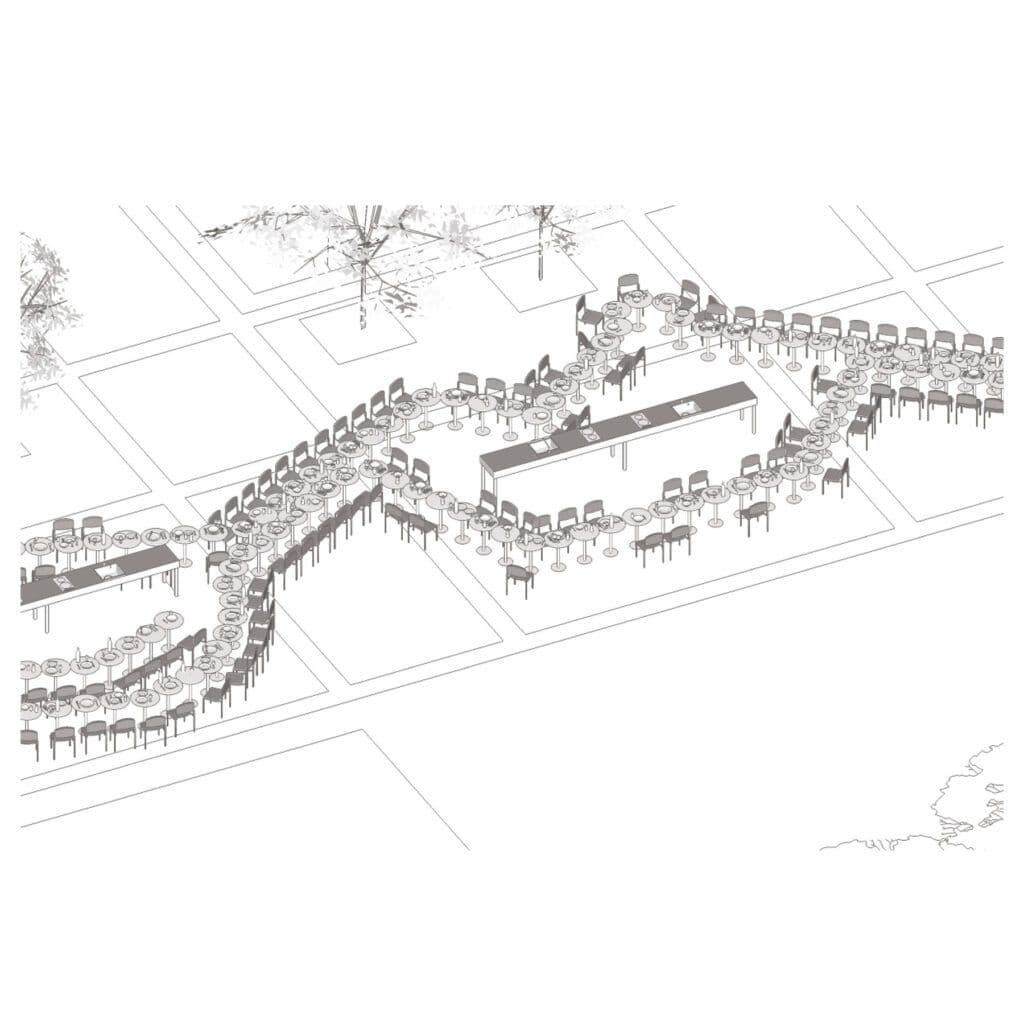
SqW:Lab team including AA alumnus Katsushi Goto wins Skopje urban dining competition
News
31 July 2020
AA alumnus Mike Smith receives two awards at Biennial of Central American Architecture
News

4 November 2022
'You Get a Car [Everybody Gets a Car]': An exhibition by Akil and Seth Scafe-Smith, tutors of Intermediate 4
News

16 February 2024
AA tutor Stephen Ajadi wins the 2023 Vice Chancellor’s Award
News

18 January 2024
36 Bedford Square
London WC1B 3ES
+44 (0)20 7887 4000
reception@aaschool.ac.ukSign up for AA WeeklyFollow us on InstagramGovernanceDocuments
Architectural Association School of Architecture
The Architectural Association, Inc. is a Registered Charity Incorporated as a Company limited by guarantee. Registered in England No.171402. Registered office as above.