News
To submit your news please email us at: news@aaschool.ac.uk
AA alumnus Wojciech Mazan co-curates Polish Pavilion at the Venice Biennale 2021
News

11 June 2021
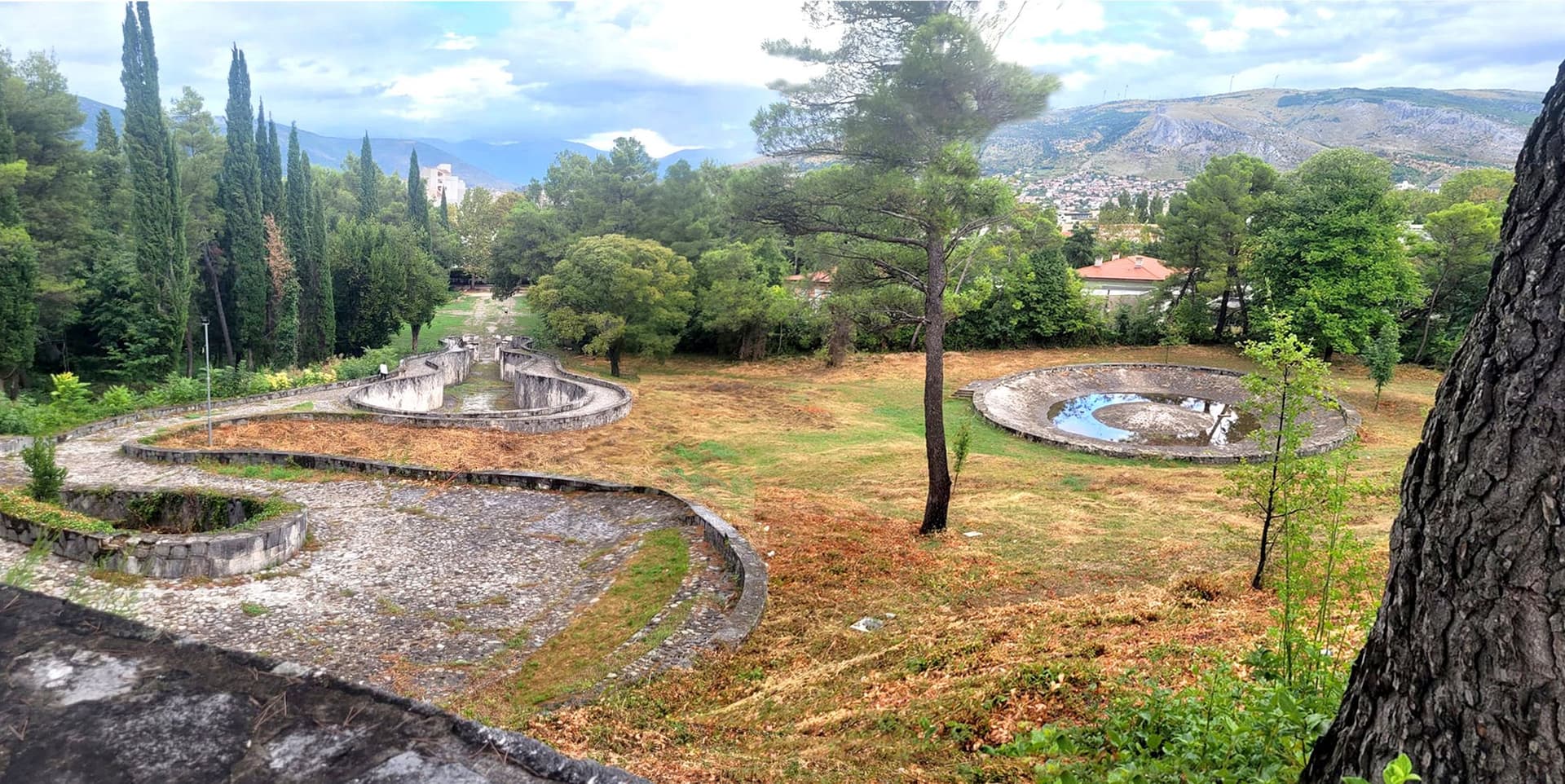
AA HTS tutor and DRL Co-ordinator Nerma Cridge will speak at the symposium: Remembering the Destruction of the Old Bridge at Mostar 30 Years On
News
8 November 2023
AA Landscape Urbanism Co-Head Eduardo Rico-Carranza will present the programme’s work in Madrid
News

27 November 2023
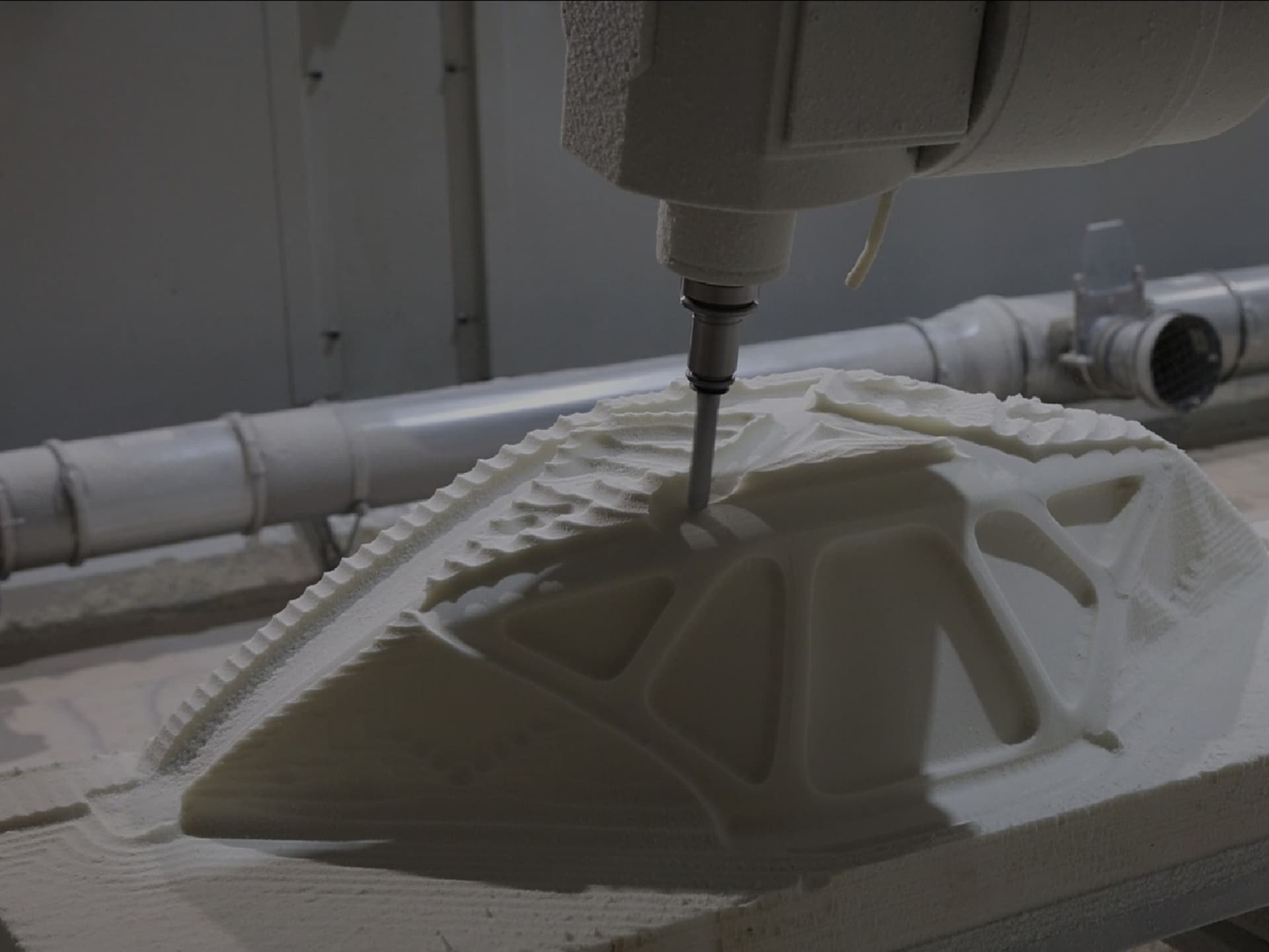
AA DRL collaborate with Meltio and Stage One
News
27 March 2025
AA tutors Akil and Seth Scafe-Smith, Aude-Line Duliere and Juliet Haysom feature in London Design Festival at the V&A
News
3 September 2021
Jonathan Woolf
1961-2015
30 January 2020
KooZA/rch takes part in exhibition Datasutra by collective (Ab)Normal at Anise Gallery, London
News

14 November 2018
Mookey Rathouse
1939-2012
30 January 2020
John Burkett
1926-2015
30 January 2020
AA alumnus Álvaro F Pulpeiro's new documentary film 'So Foul a Sky' featured at CPH:DOX festival
News

22 April 2021
36 Bedford Square
London WC1B 3ES
+44 (0)20 7887 4000
reception@aaschool.ac.ukSign up for AA WeeklyFollow us on InstagramGovernanceDocuments
Architectural Association School of Architecture
The Architectural Association, Inc. is a Registered Charity Incorporated as a Company limited by guarantee. Registered in England No.171402. Registered office as above.