| Degree | MSc/MArch |
|---|---|
| Duration | 12 months, full time (MSc)/16 months, full time (MArch) |
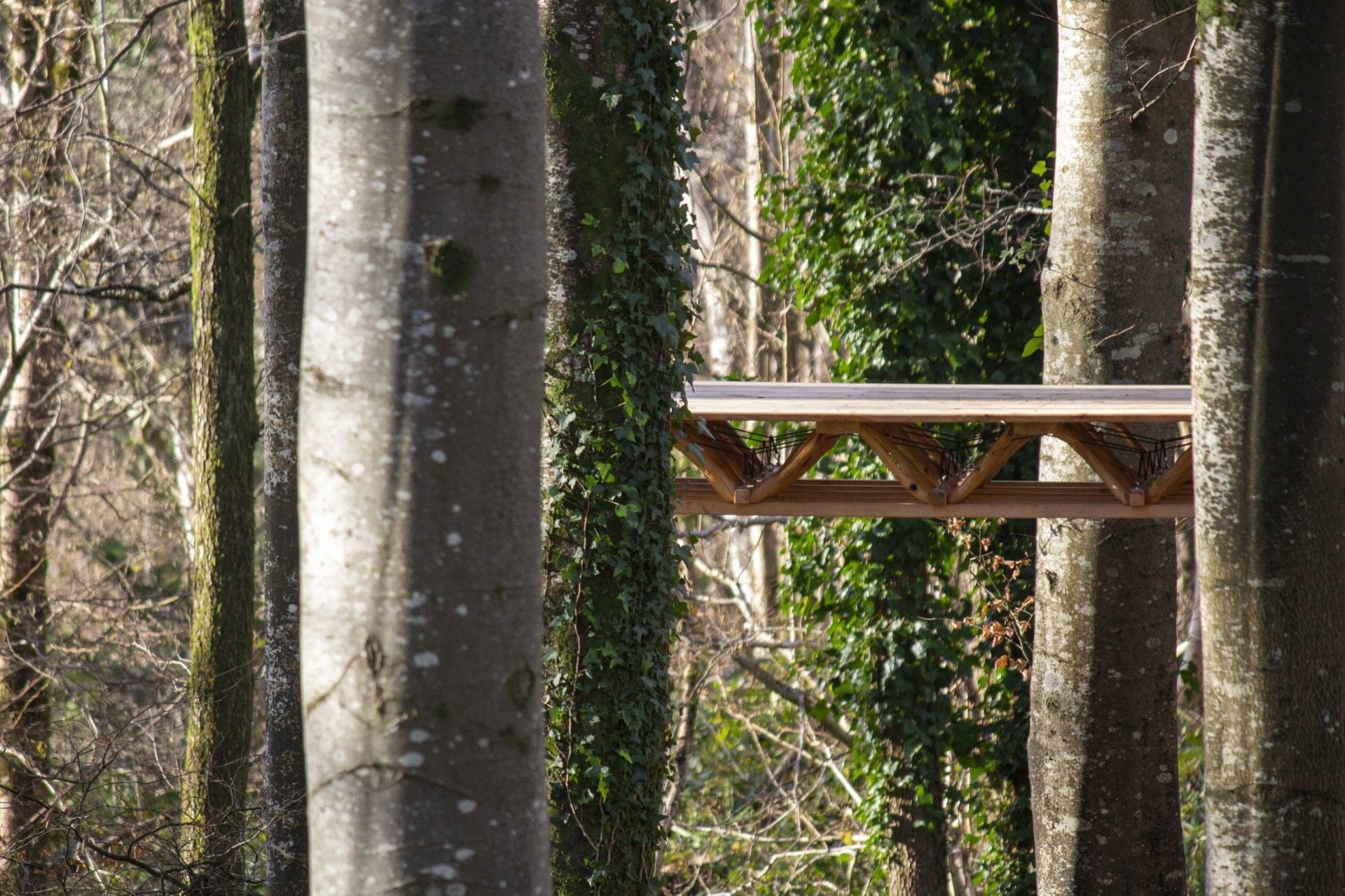
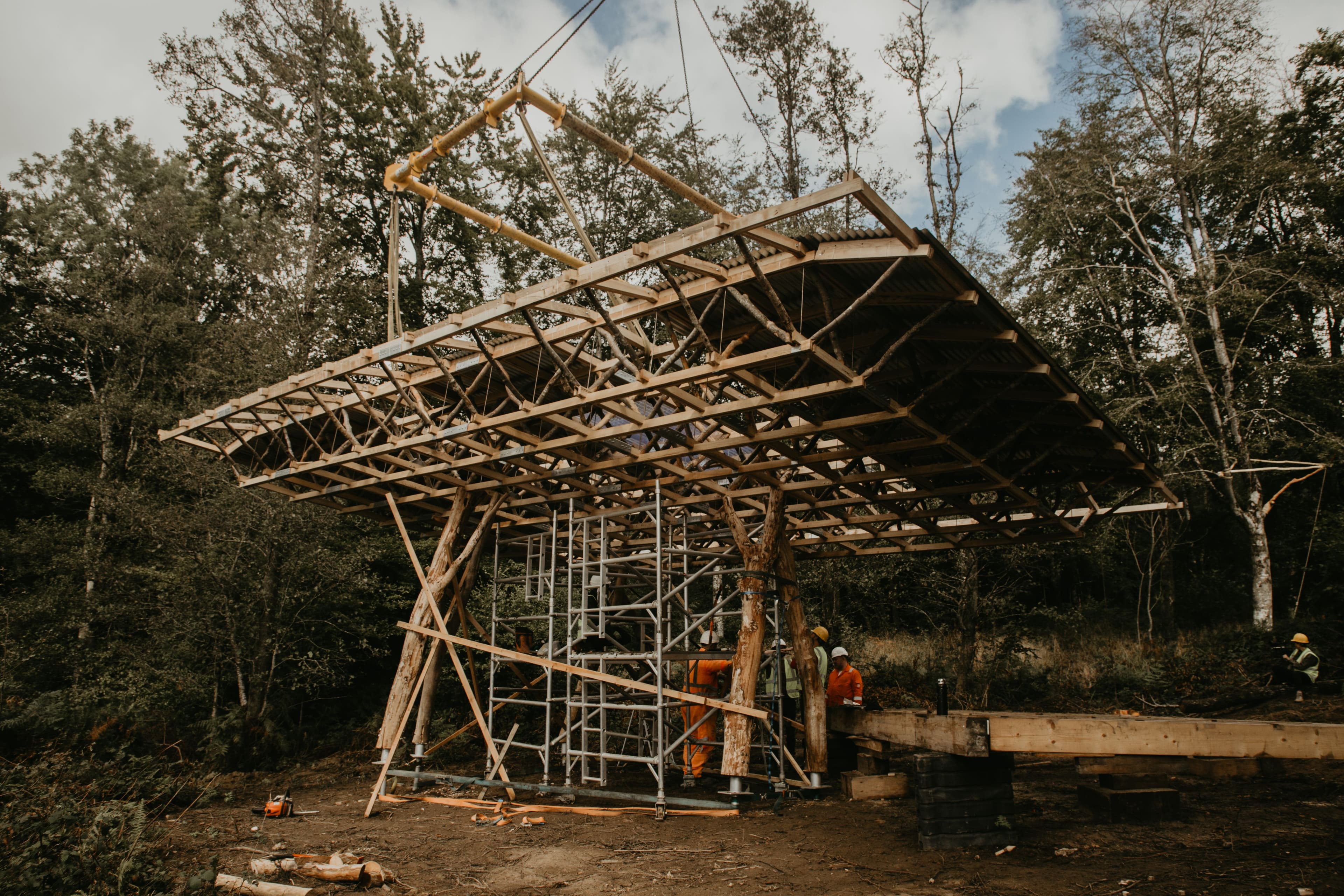
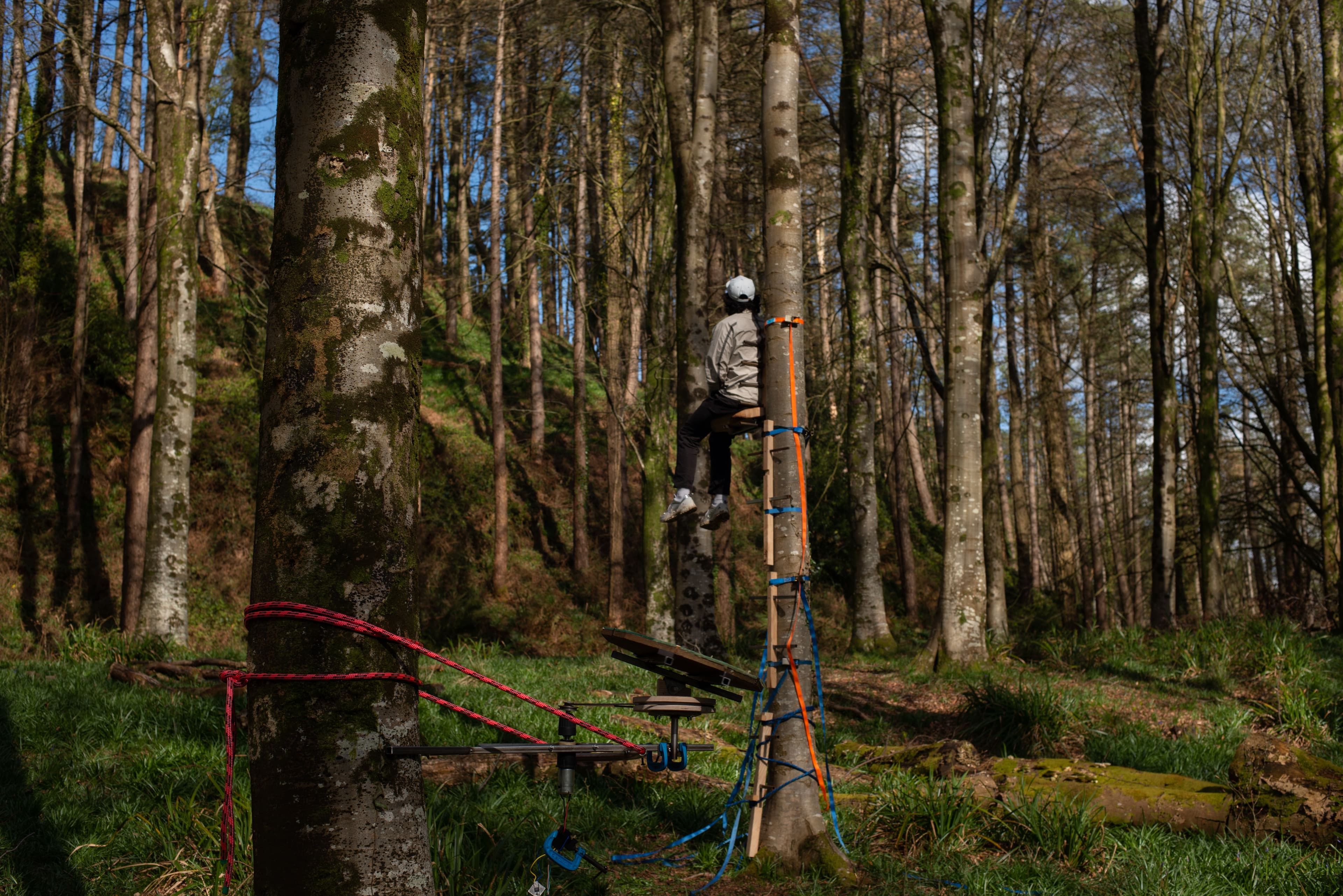
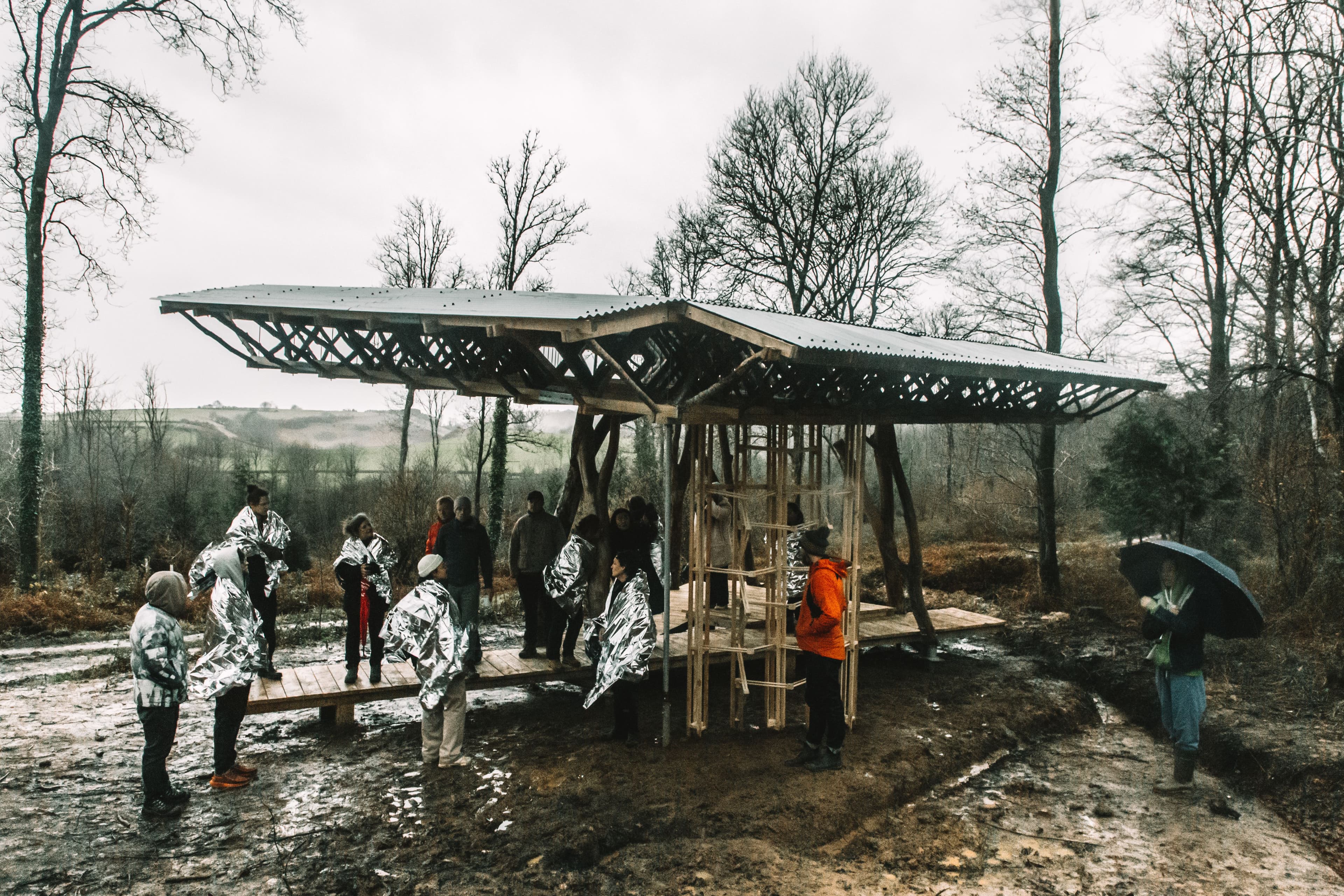
Design and Make investigates the sustainable and innovative use of timber and other locally sourced materials to drive new forms of architectural research through 1:1 built prototypes. We materialise built work through curiosity, craft and creativity, all based at the AA's working woodland at Hooke Park in Dorset. Direct physical engagement with material, site and making processes is central to the programme and we thrive on the unexpected revelations this can bring.
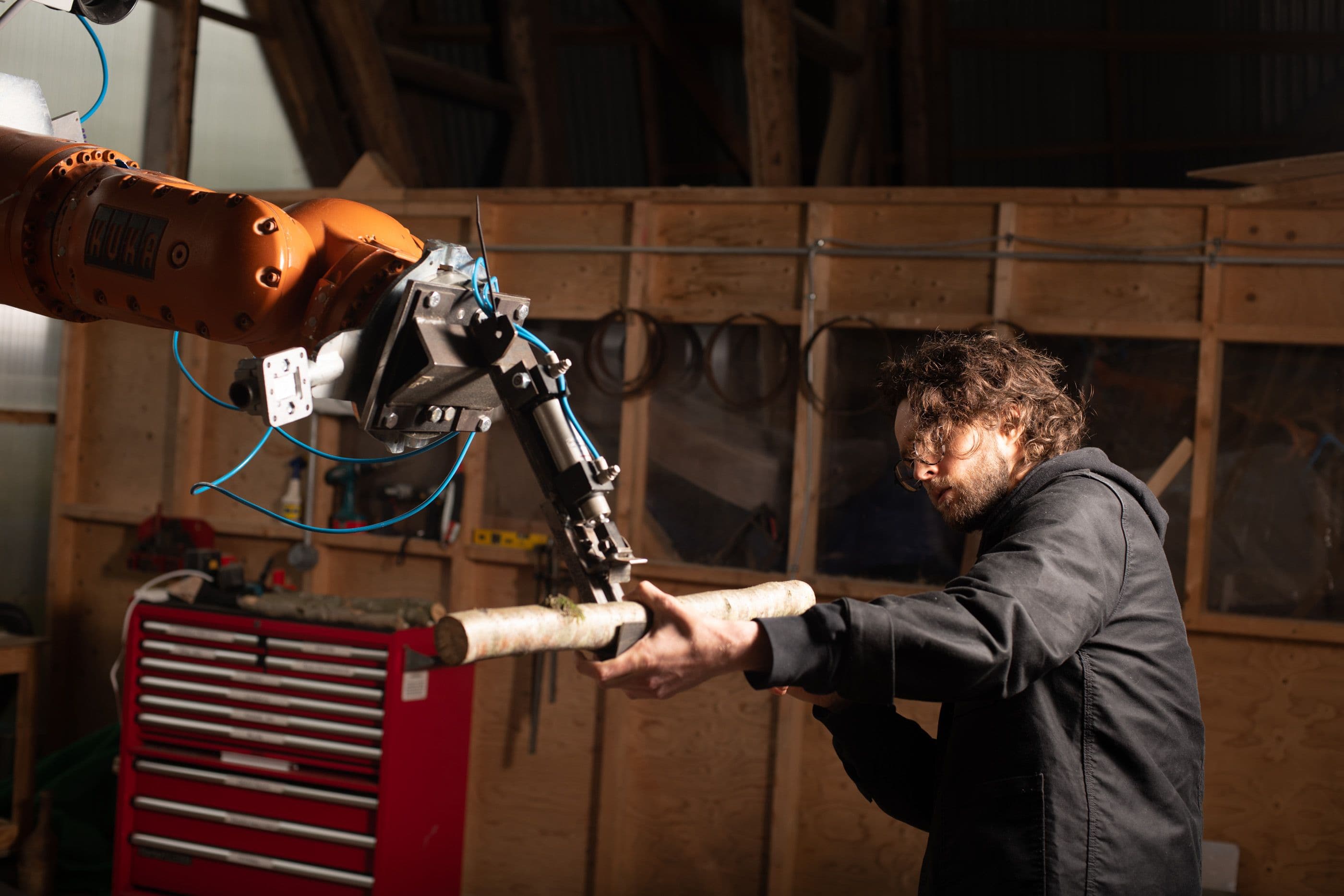
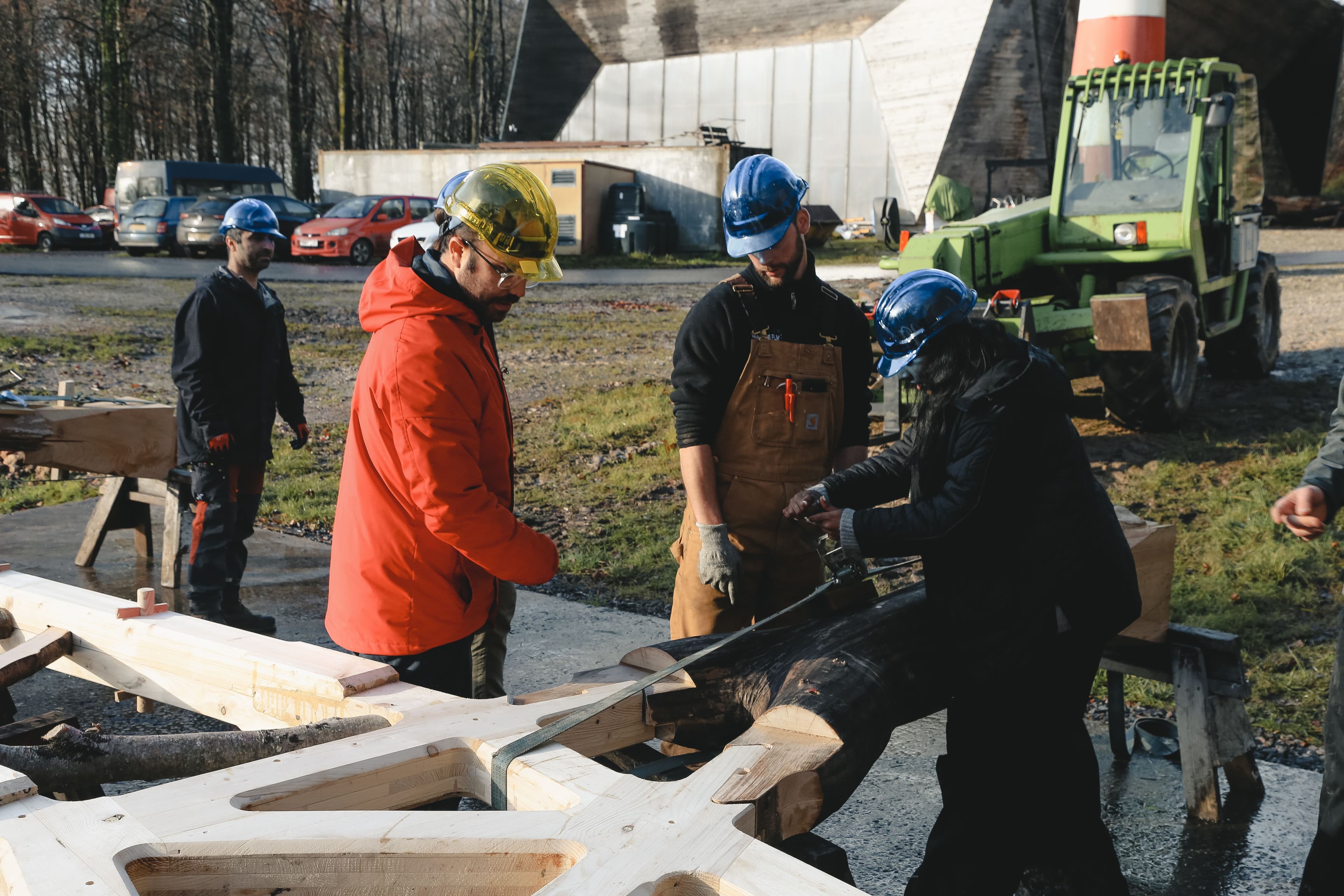
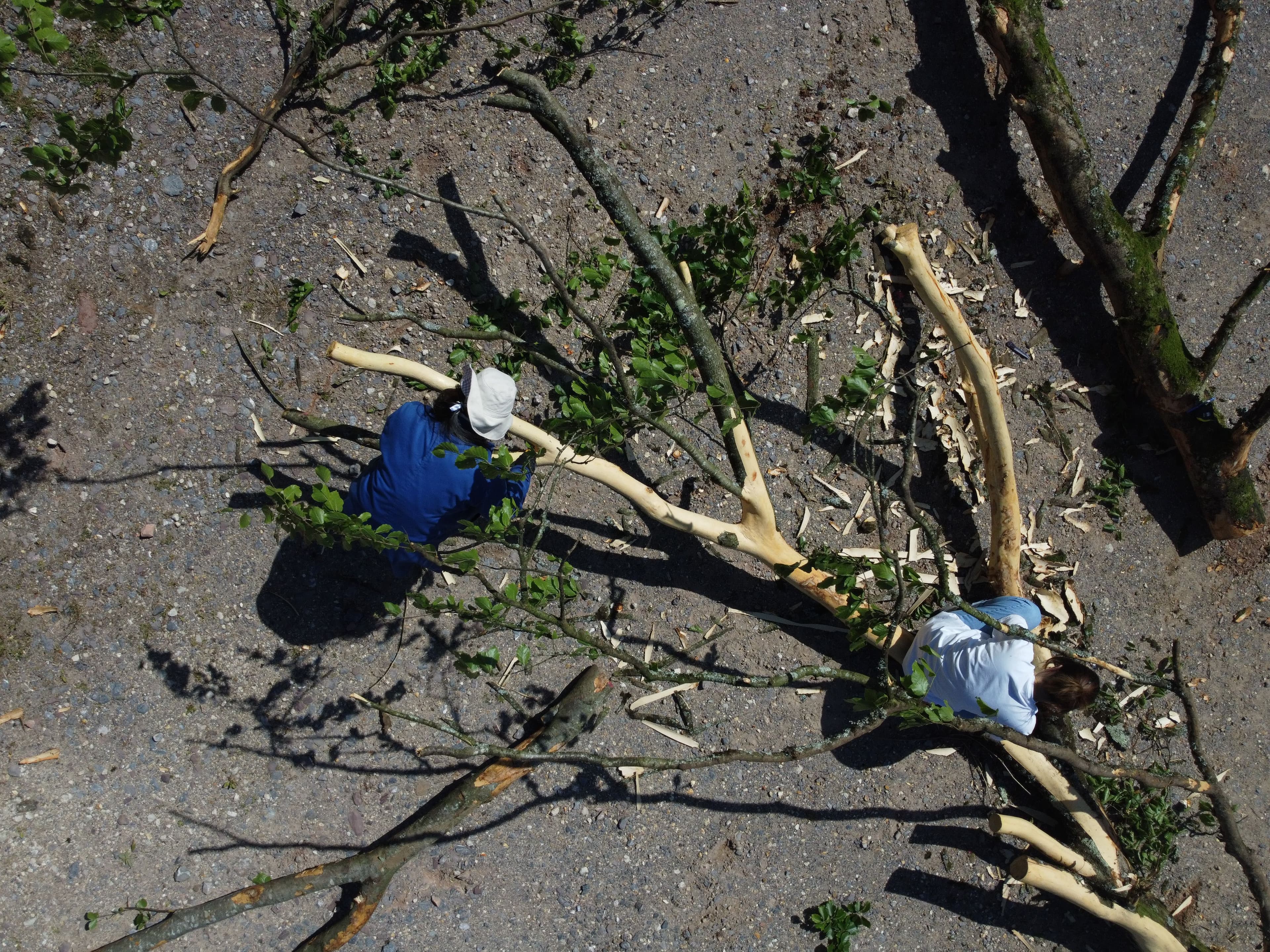
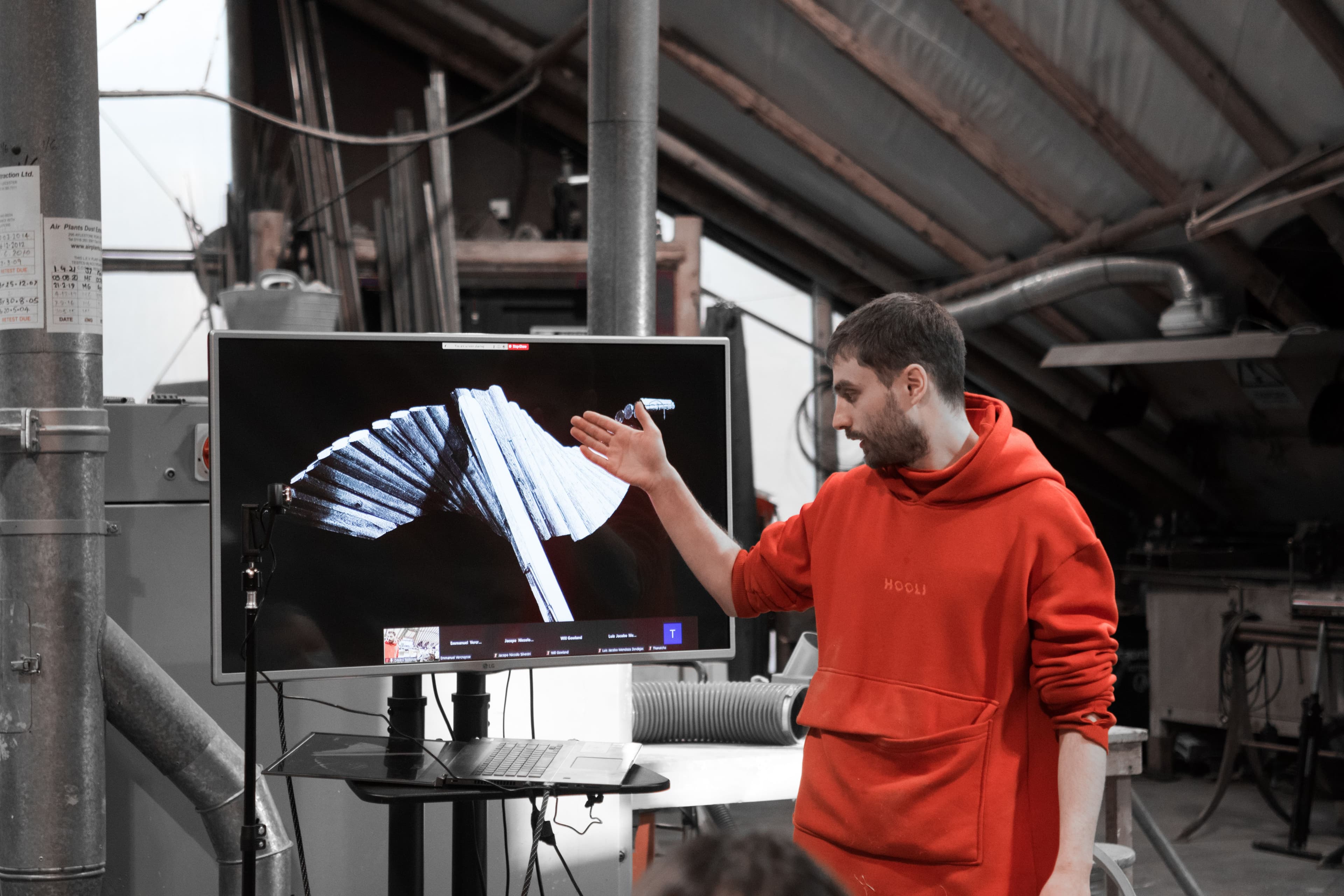
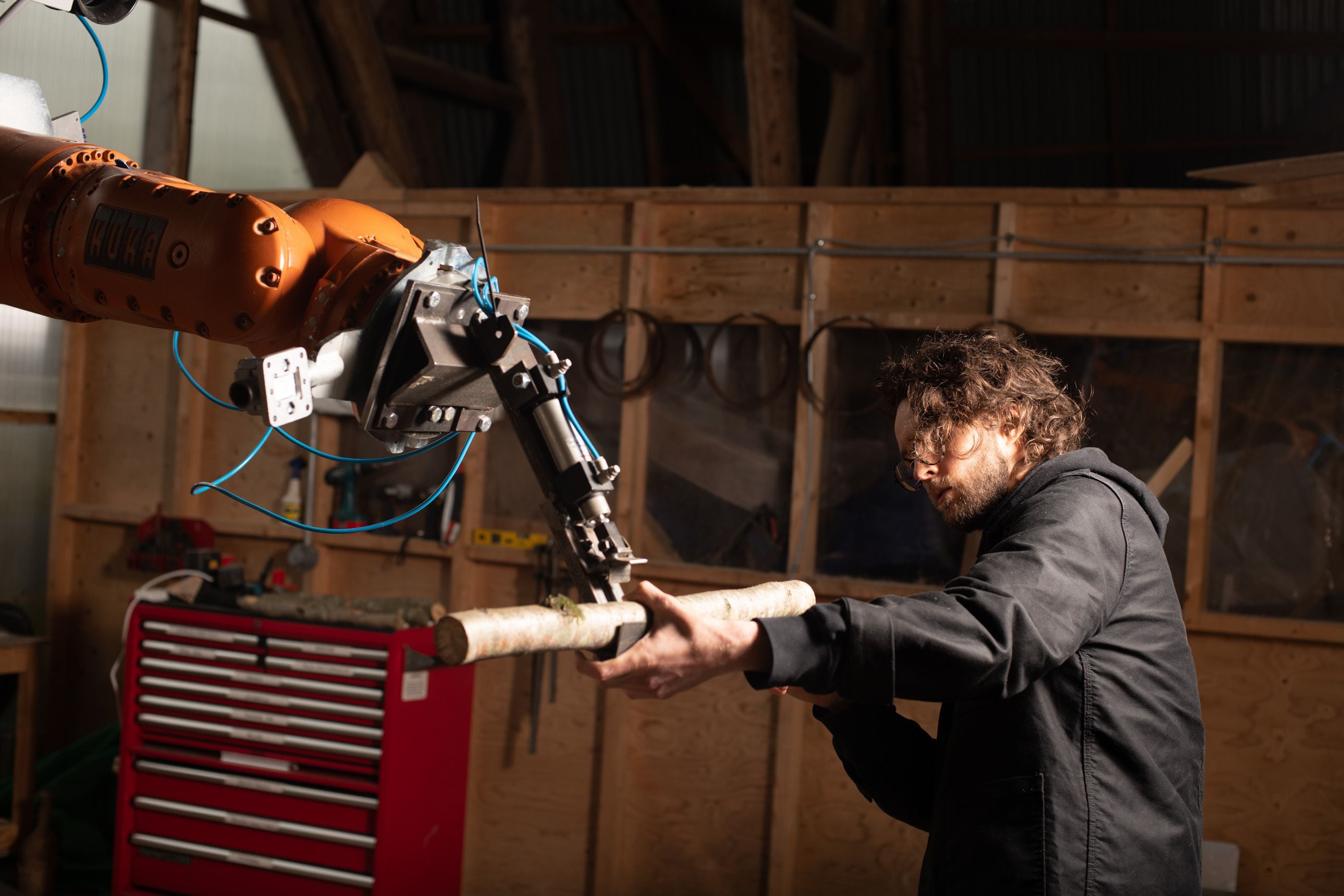
Hooke Park contains a diverse array of resources for design and fabrication. We use a hands-on approach and students are expected to spend most of their time in the workshop developing an in-depth material understanding. Technology – such as 3D scanning, modelling and CNC production – is deployed to augment traditional craft and material knowledge, with the aim of striking an agile balance between the computational and the physical.
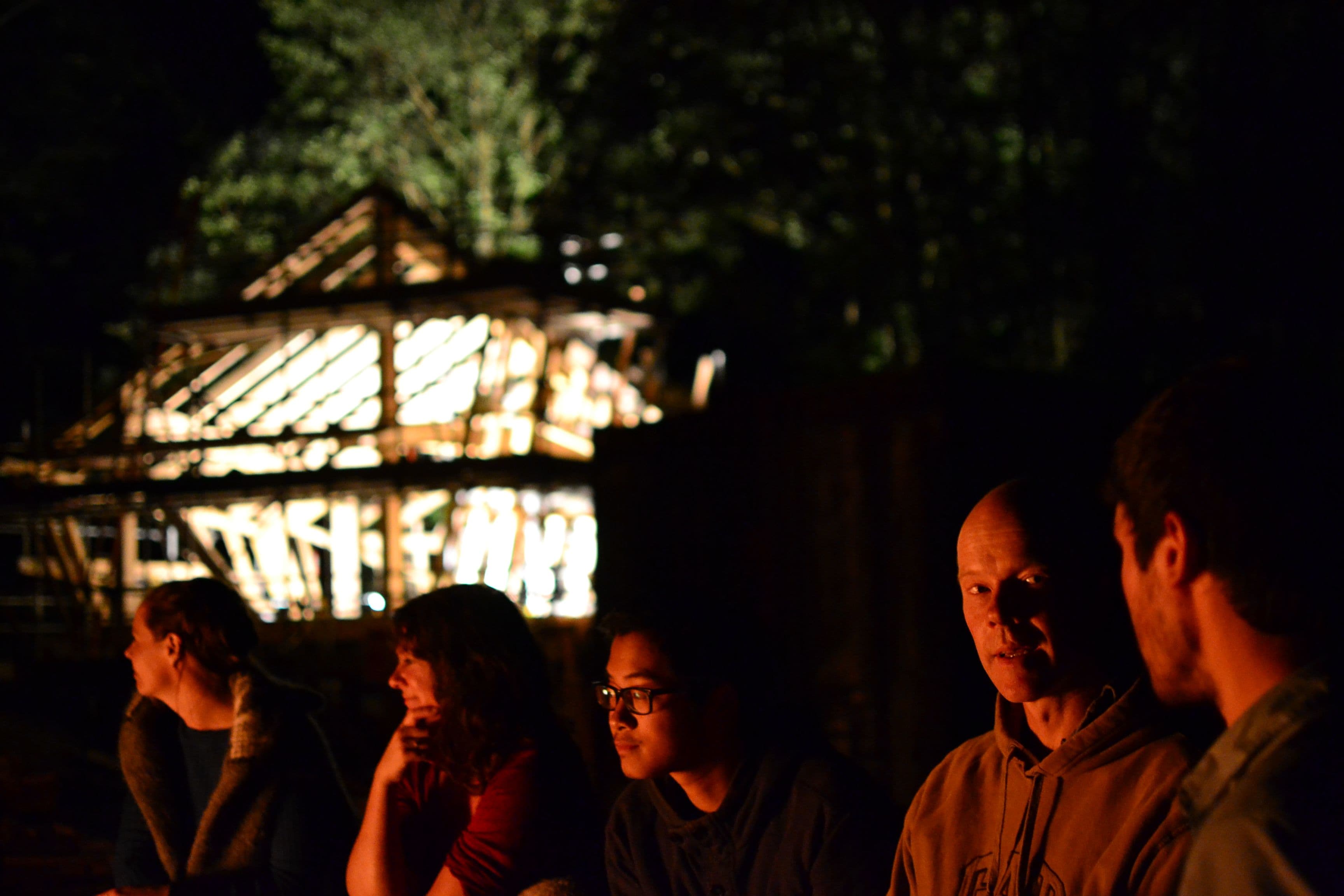
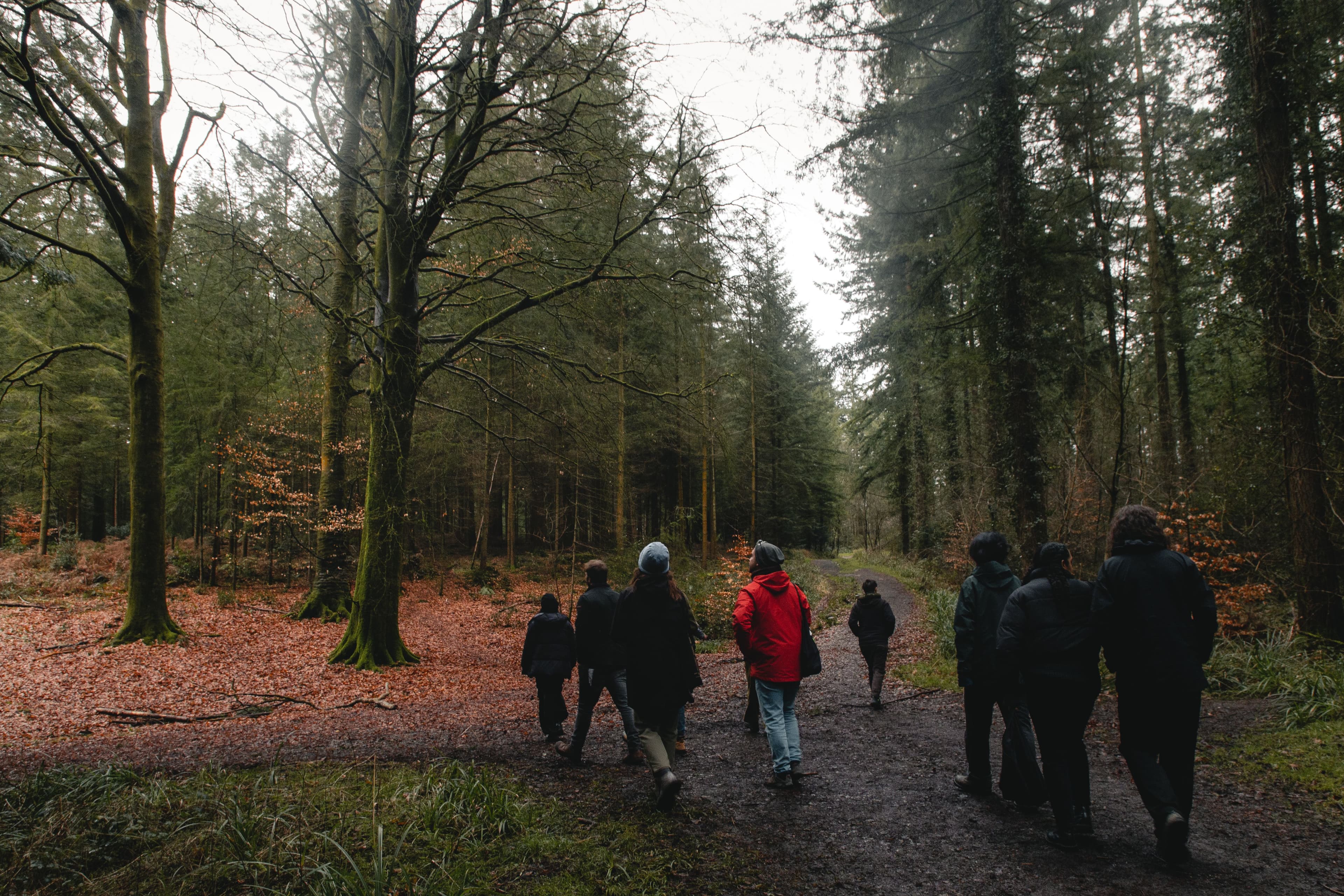
Hooke Park is a campus in development: a continual prototype for building, unbuilding and rebuilding. Inspired by the possibilities and challenges of crafting a work of architecture that contributes to the making of this place, students build on the work of those who have come before them, adding their research to the site. This forest laboratory is a space of intense investigation, a wildwood of creativity and a home for architectural adventurers.

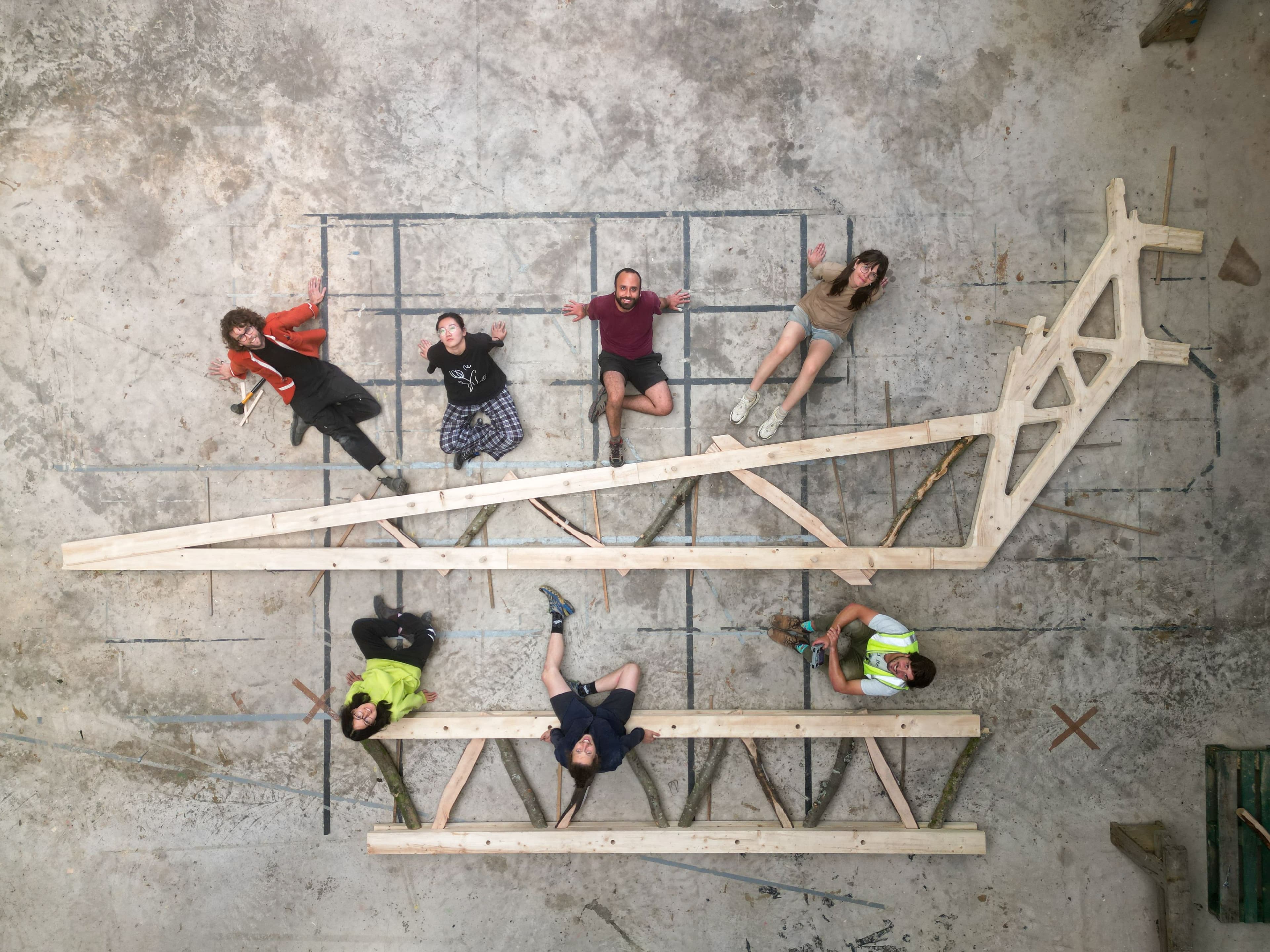
Design and Make focuses on architectural design driven by fabrication, and students are encouraged to place making at the centre of their process. The MArch and MSc programmes share taught components and are structured around a series of hands-on group projects, leading to the production of architectural prototypes. MSc students complete their project and technical dissertations over the summer for submission in September, while MArch students develop their thesis in Term 4, with their final project submission in January.
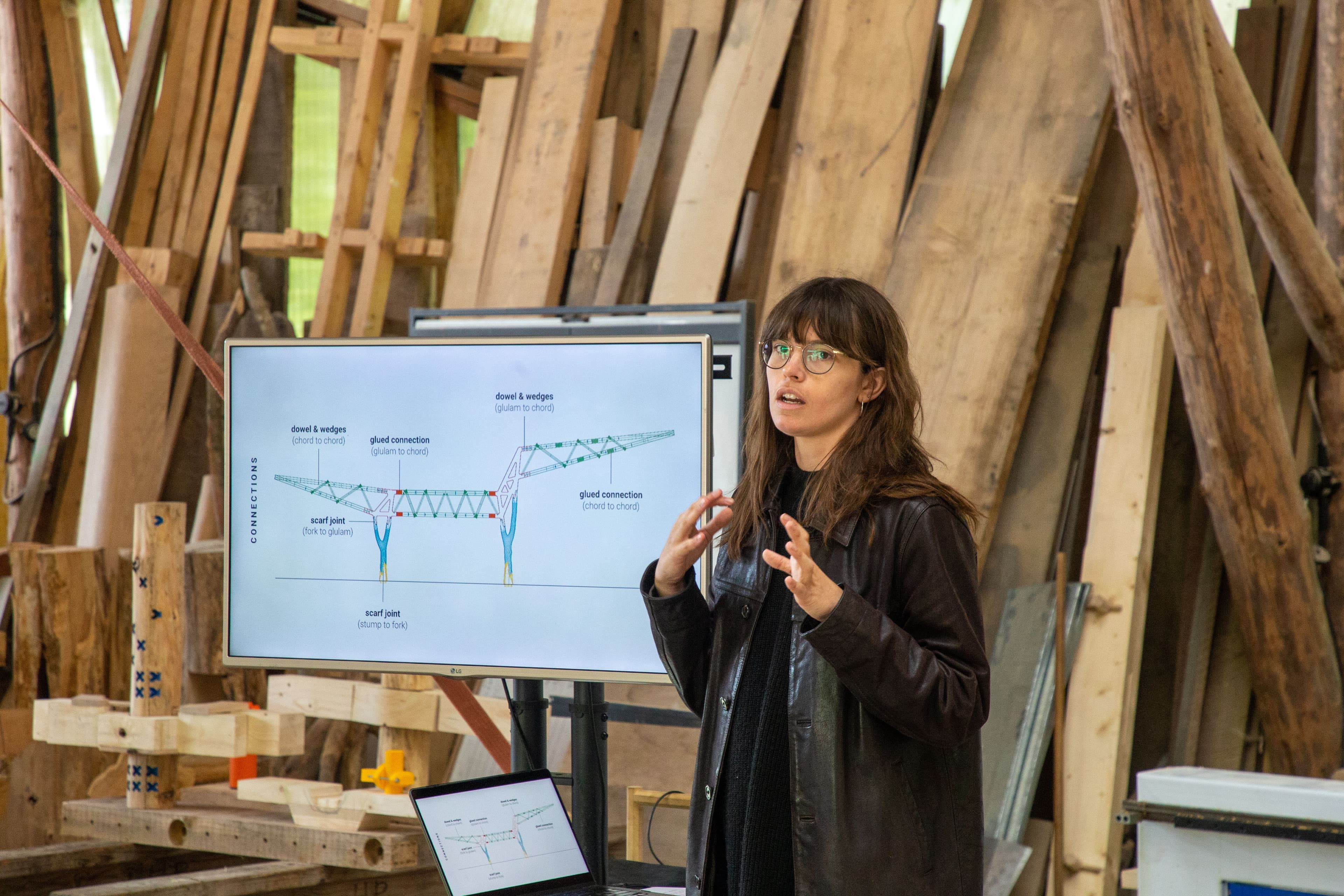
Term 1 introduces the theoretical and technical contexts, key design methodologies and fabrication practices central to the programme, setting the agenda for the year ahead. Students learn the fundamentals of timber technology, a theoretical grounding in design and make practices and are involved with hands-on making from the start to develop a core fabrication skillset. They build on this in Term 2 by working in groups on a large-scale fabrication project; then, in Term 3, they develop a focused design research project that results in a series of well-documented built prototypes and models. Term 4 focuses on the development of a project portfolio and written thesis or dissertation. All of these components are supplemented by extracurricular provision including workshops, talks, field trips, visits and practical introductions, as well as by Public Programm events held at Hooke Park and streamed live from London.