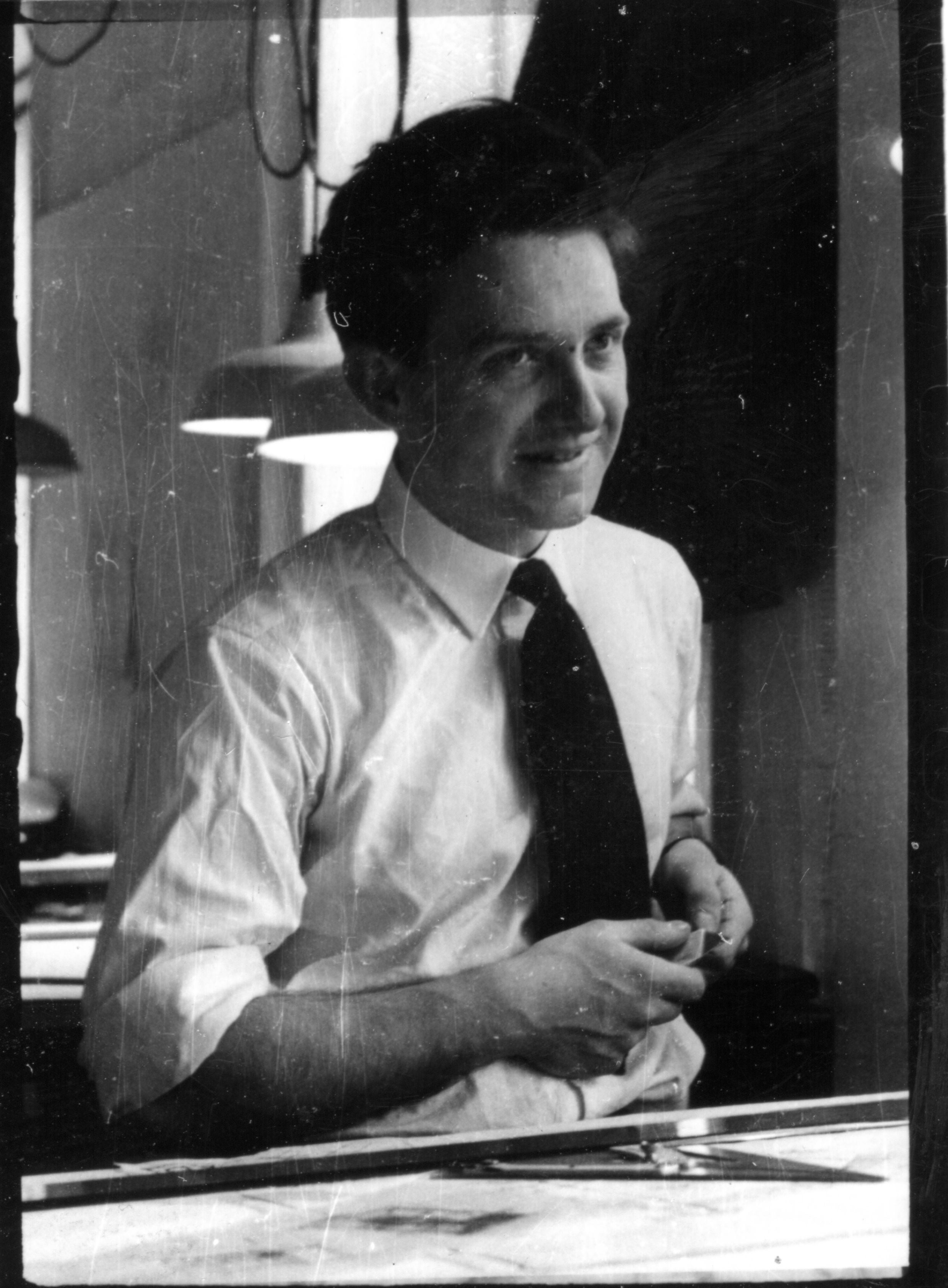
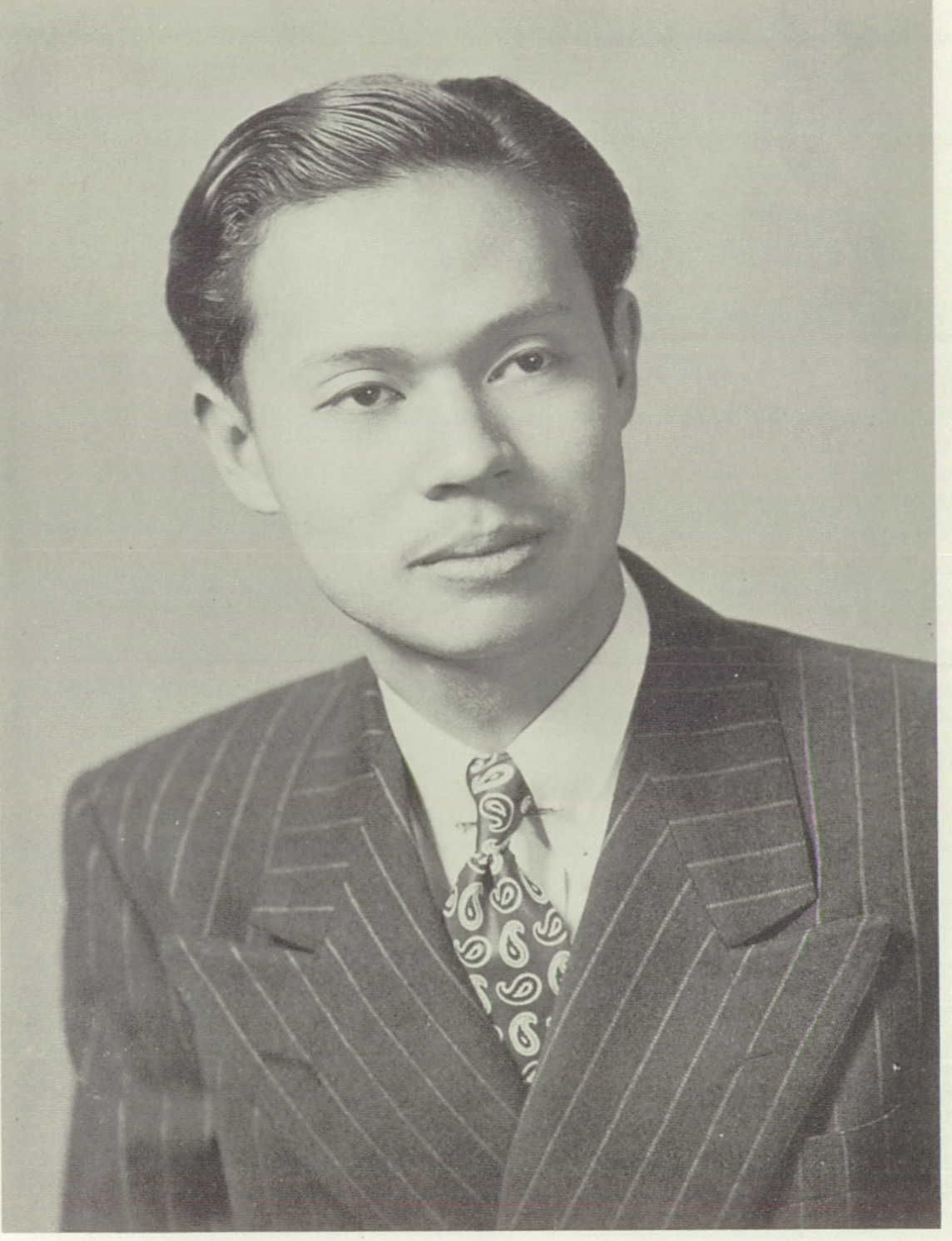
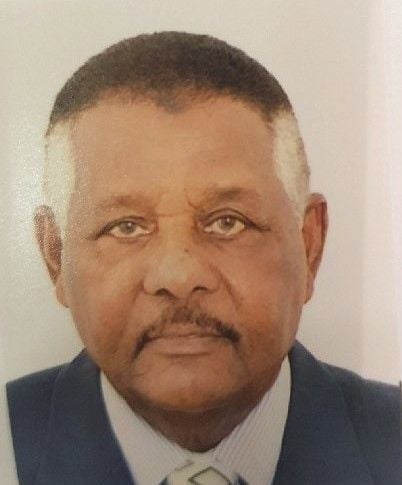
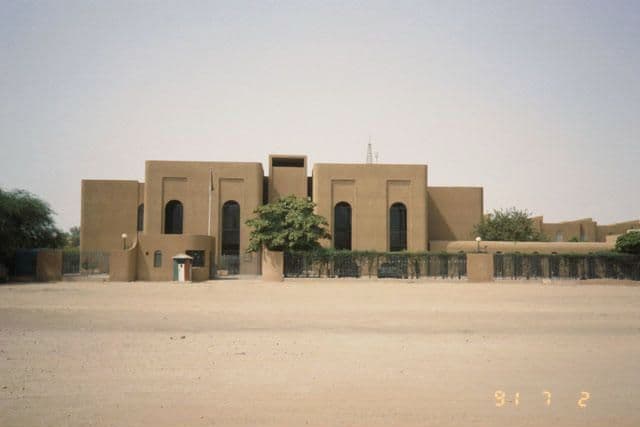
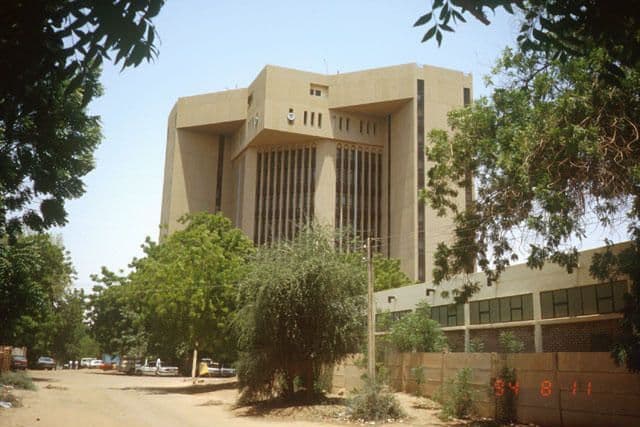
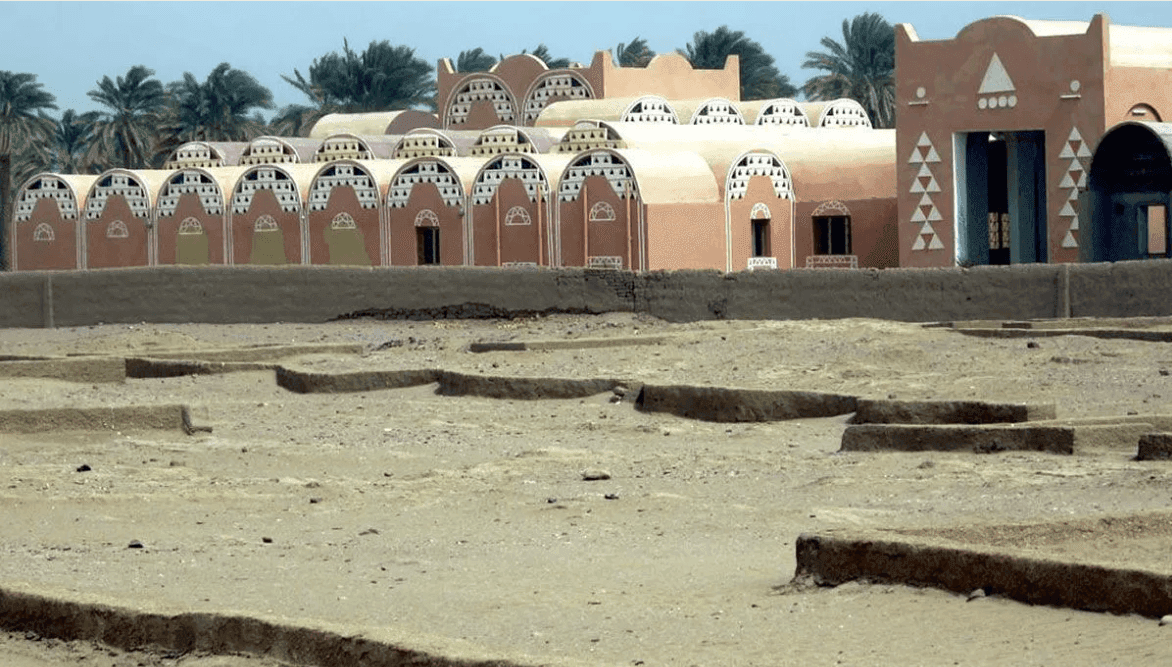
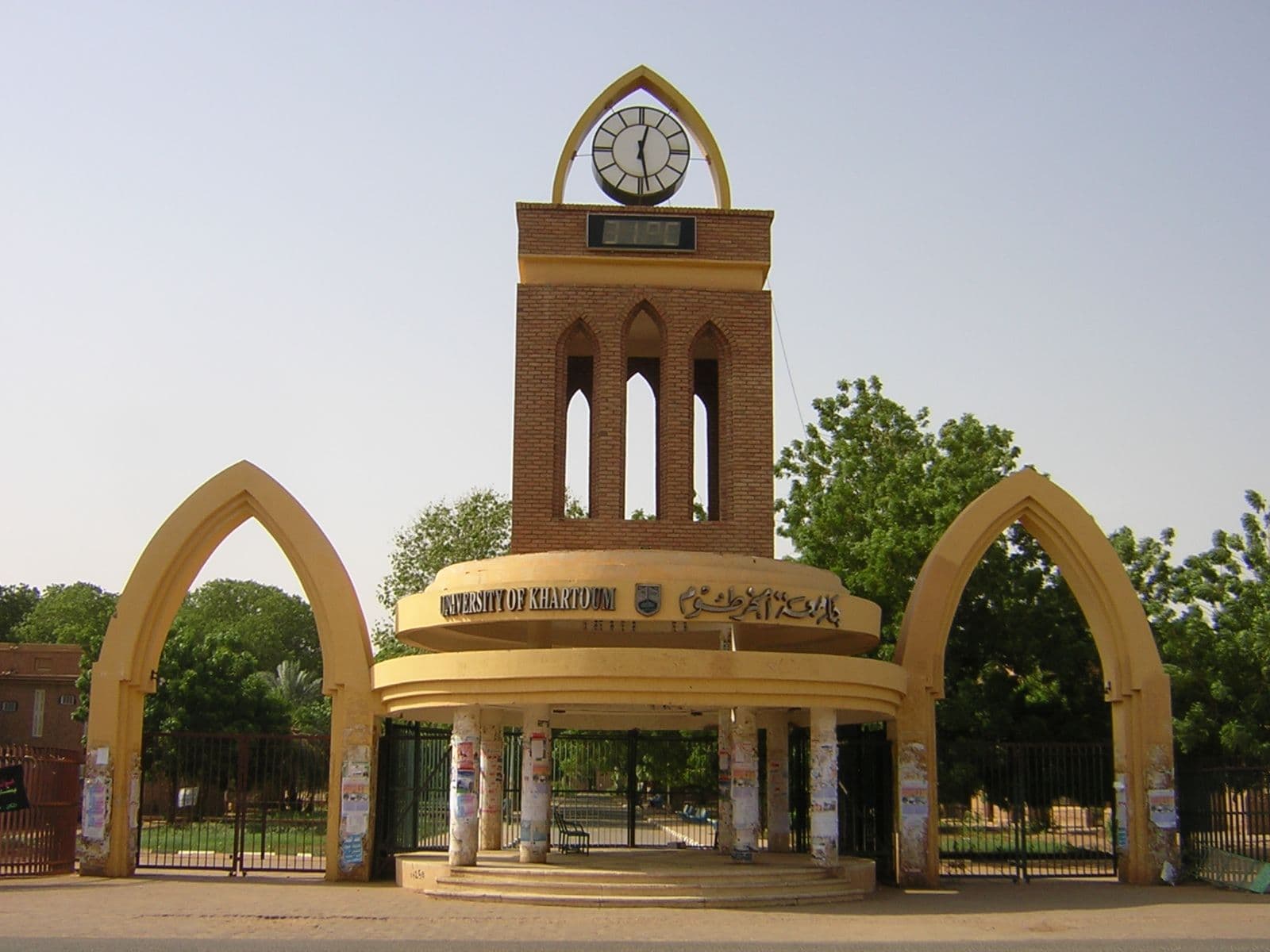
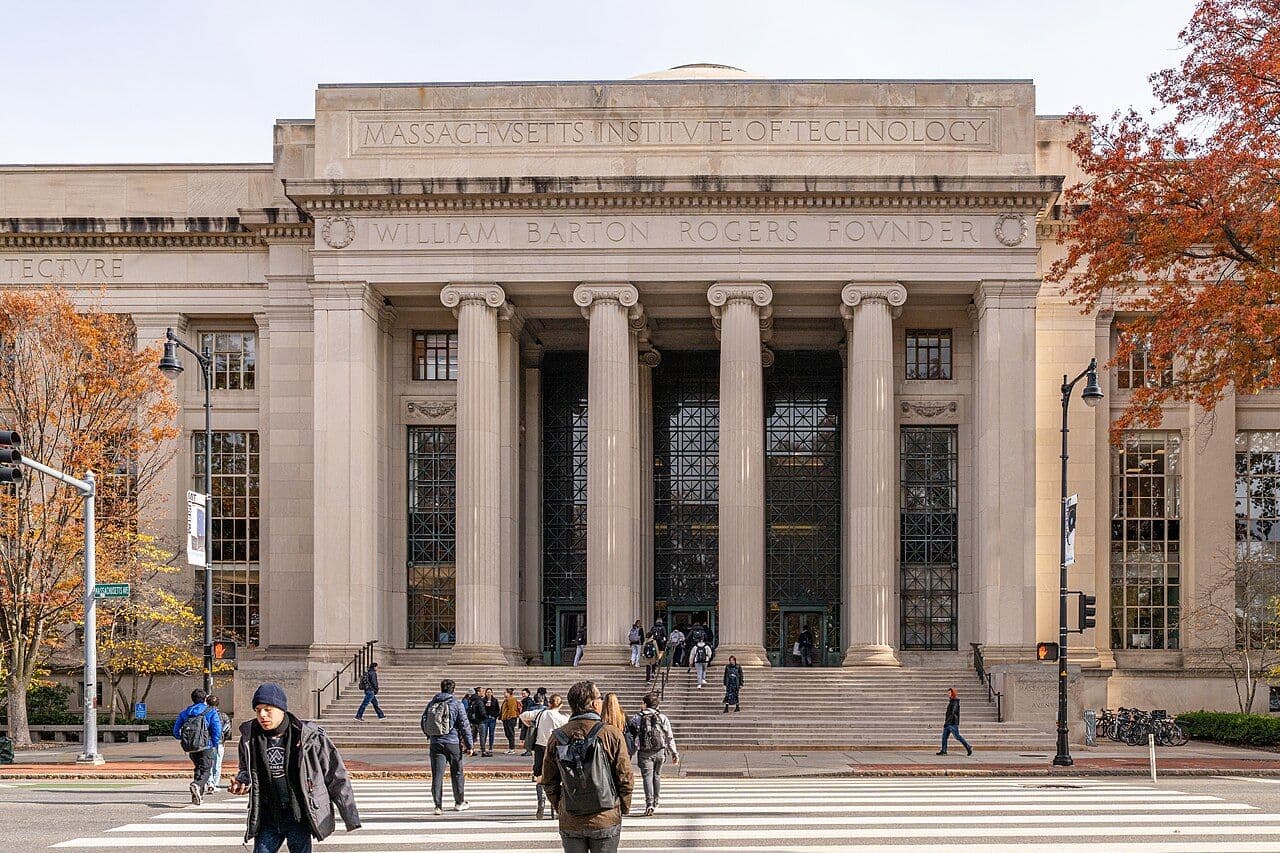
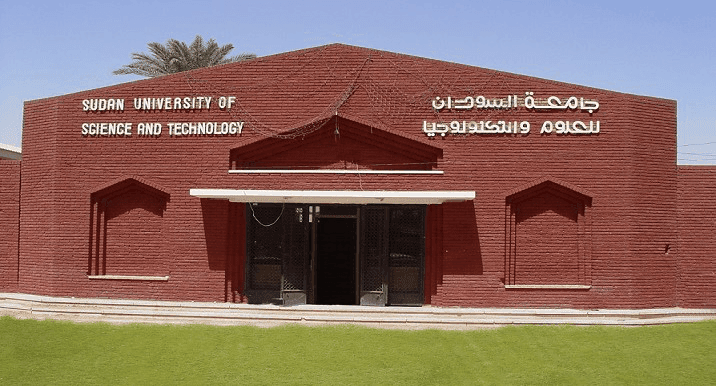
Abdallah Mohammed Sabbar is a Nubian architect and urban planner, born in Ishkit, a village on the edge of Wadi Halfa, near the Egyptian-Sudanese border in 1939. He was the first person from his village to go to university, attending the University of Khartoum, where he studied Architecture. The course had a duration of six-years but it was compulsory that students spend a year as an assistant within a UK practice after their third year. Sabbar won a scholarship to come to the UK but faced conflicting demands as he wanted to remain with his family and friends who were fighting plans for the forced re-location of their village due to construction of the High Dam (Aswan Dam). After his parents urged him to seize the opportunity, Sabbar came to London in 1962 and was employed as a draughtsman for Sir Denys Lasdun’s practice, working on the Royal College of Physicians, Fitzwilliam College, Cambridge, and the University of East Anglia campus. After twelve months, Sabbar returned to Sudan and his studies, graduating in 1964. During this period Sabbar also volunteered to work with a UNESCO mission, under anthropologist William Y. Adams, to preserve threatened Nubian sites and was assigned to a group of Dutch researchers studying the income and expenditure of Upper and Lower Nubian peoples. Sabbar was consequently afforded the opportunity to travel and document soon to be lost Nubian architectural heritage, even being allowed into houses to photograph interiors. Within a few years, Sabbar had begun a career within academia and was appointed the Head of a new architecture school within the Department of Building and Engineering at the Khartoum Technical Institute (today Sudan University of Science and Technology) – whilst also remaining connected to practice by working for Al-Amin Mudathir, an important Khartoum-based firm. He also continued with postgraduate studies, returning once more to the UK in 1965, where he enrolled on the ‘General Course’ run by the Architectural Association’s Department of Tropical Studies, in London, graduating with a postgraduate Diploma in 1966. Yet further studies followed in 1973, with a postgraduate degree in Urban and Regional Studies at the Massachusetts Institute of Technology. On his subsequent return to Sudan he established the highly successful practice, ‘Technical Studies Bureau International’ (TEST) producing a number of major works in Khartoum, including the Kuwait Embassy (1977) and the headquarters for the Arab Authority for Agricultural Investment and Development (AAAID) (1985) – and further afield, the Kerma Cultural Centre, at Dongola (1990s). This latter project was completed under the name of Al Takamul Al Handasi Engineering Consultants – which Sabbar established 1992, in Dubai. Alongside his architectural work, Sabbar also operated as a planner, acting as Housing and Planning Advisor to the Government of Kuwait by as early as 1974. Across the course of his career, Sabbar was to direct a wide range of planning projects, including a master plan for Basra, a regional development plan for Iraqi Kurdistan and a regional, master and development plan for Kuwait.
Sources
- Architectural Association Student Register, 1945-71. AA Archives
- Architectural Association Council Minutes, 18th July 1966
- Osman, and Amira Osman. ‘The Work of Abdulla Sabbar’, in Sub-Saharan Africa: Architectural Guide, Volume 4, ed. Filipinoipp Meuser and Adil Dalbai. (DOM Publishers, 2021), pp95-97.
- Sabbar, A, ‘Sites of Excavation: Faras, Nubia.’ Paper given at Architectural Association Visiting School, ‘Playful Cartographies’, July 27th, 2025.
- Hassan, S. ‘Climate Post-Script at the Eleventh Hour’, Urgent Pedagogies website. Accessed 24th November, 2025: https://urgentpedagogies.iaspis.se/climate-post-script-at-the-eleventh-hour/
- Sudan Collective (MSc) website: https://www.modern-sudan.com/aaaid https://www.modern-sudan.com/kuwait-embassy Ibrahim Z. Bahreldin, Omer Siddig
With thanks to Suha Hassan