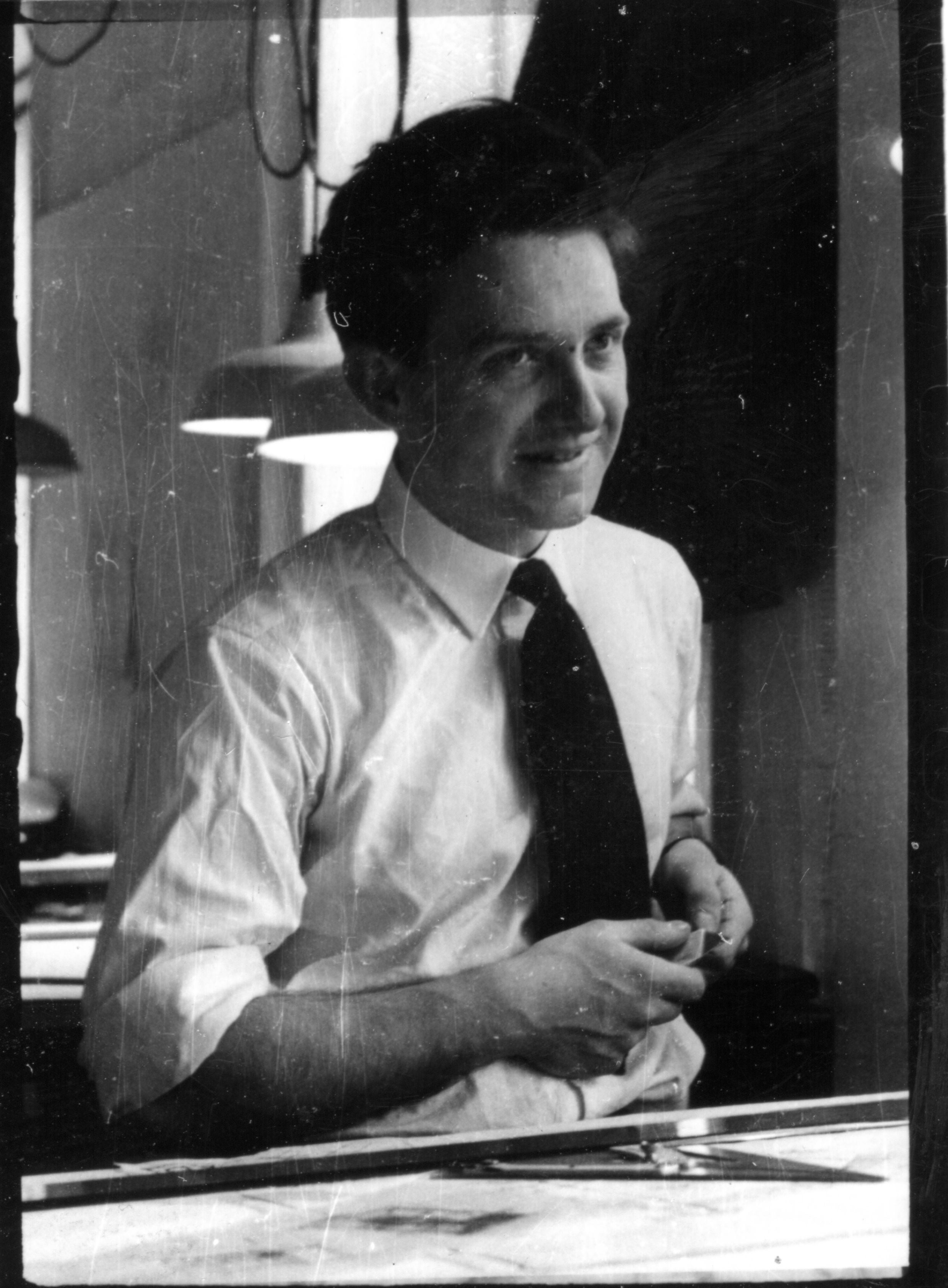
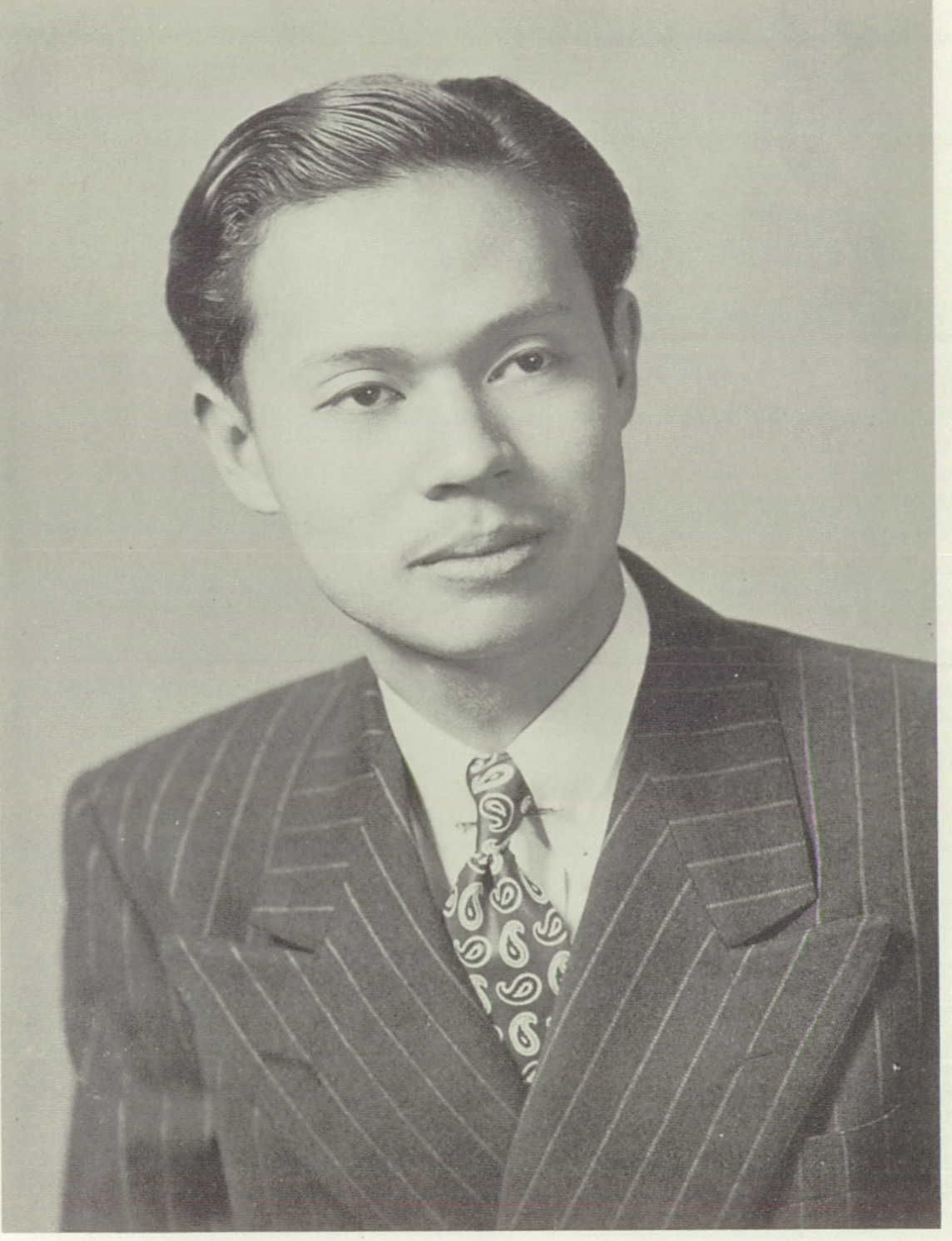
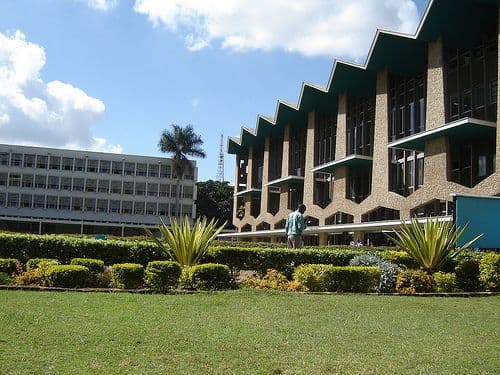
Charles Nelson Paine was born in Glasgow in 1923, the son of two RCA graduates, Charles Paine and Maria Nelson. His father was appointed Head of the Department of Applied Arts at Edinburgh College of Art shortly after 1919, but following his parents’ separation in 1930, Paine lived with his mother in County Dublin, Ireland. He attended Sandford Park School before entering University College Dublin to study Modern Languages. After one year, Paine quit university and took up an apprenticeship with an architect in private practice. Almost immediately after qualifying as an architect in 1949, Paine moved to Nairobi, where he was employed by the Public Works Department. In 1960 the East African Trade and Industry journal reported that Paine and another member of the Kenyan Ministry of Works were spending six-months leave in Britain “learning a ‘new and revolutionary’ approach to Tropical Architecture.” Accordingly, the Architectural Association (AA) student register records Paine and his colleague, Alec Harvey, as being funded by the Kenyan government to attend the AA’s Department of Tropical Architecture course for 1960-61. Following the completion of the course, Paine’s subsequent career is unclear. It appears that he returned to Kenya and by January 1966 was working within the Department of Architecture at University College, Nairobi, but by the end of the year had emigrated to Spain and was living in Menorca. He seems to have remained living in Spain for the remainder of his life, dying in Cadiz in 2000. Alongside his architectural work, Paine also pursued a keen interest in theatre. In 1942 he founded the ‘Dublin Marionette Group’, based at the Peacock Theatre, Dublin – an ensemble which has been celebrated as a forcing “a reappraisal of the puppet theatre as an art form in early twentieth century Ireland.” Upon moving to Kenya he also established the ‘Nairobi Puppet Theatre’ in the 1950s and, on a return to Ireland in 1954, set up the ‘Puppet Opera Company’ with which he toured for 20 months.
Sources
- Architectural Association Student Register, 1960-61. AA Archives
- Architectural Association Council Minutes, 20th February, 1961. AA Archives
- The Register of Architects, 1949. Architects’ Registration Council of the United Kingdom, 1949, p.178
- Architectural Association Journal, Vol. LXXVI, No. 849 (February, 1961), p215
- East African Trade & Industry, (1960), p.87
- Molony, M. ‘Nelson Paine, Experimental Theatre, and Puppetry in Ireland, 1942-1952’, Estudios Irlandeses, Issue 20, 202, pp. 67-78.