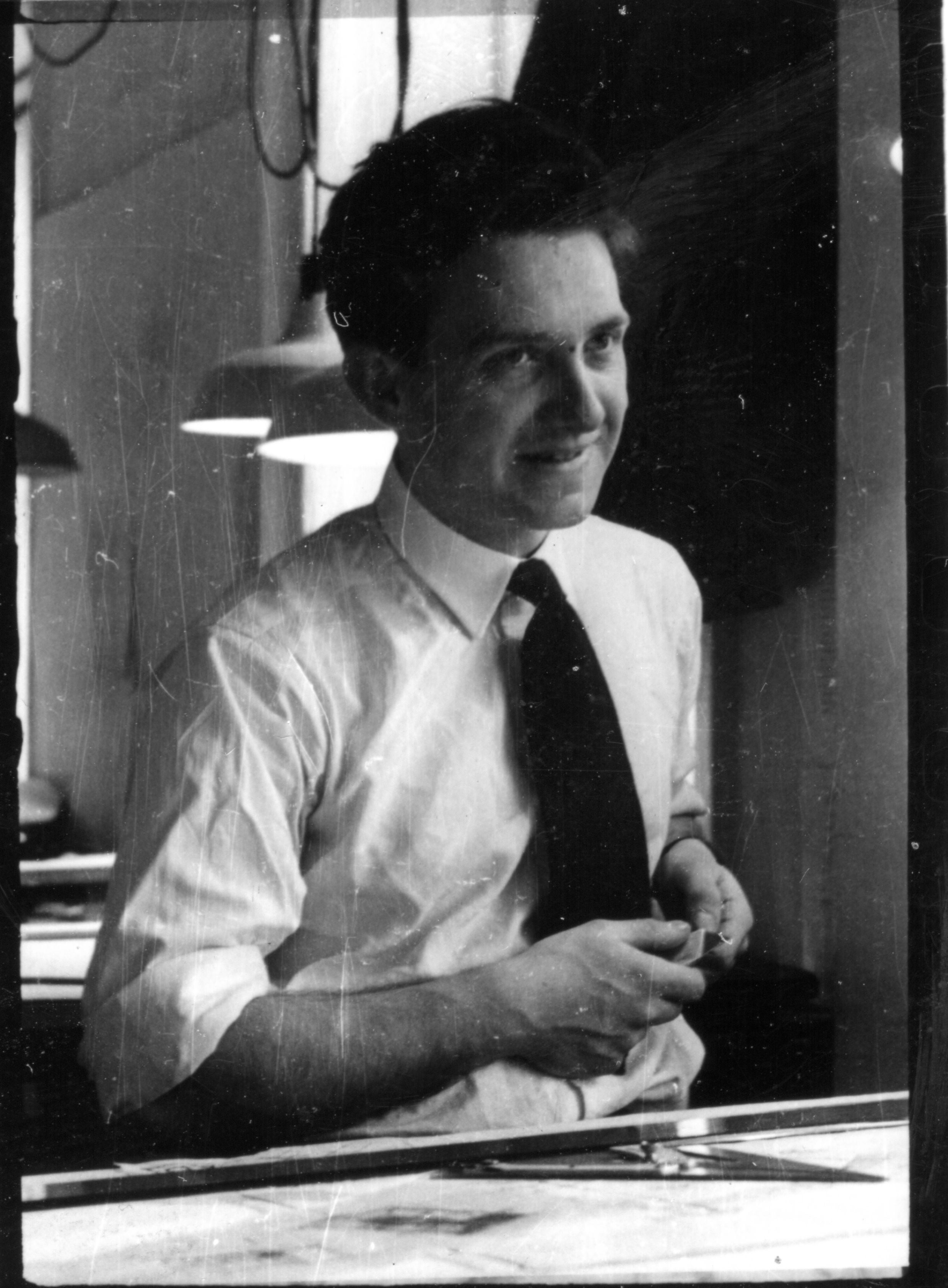
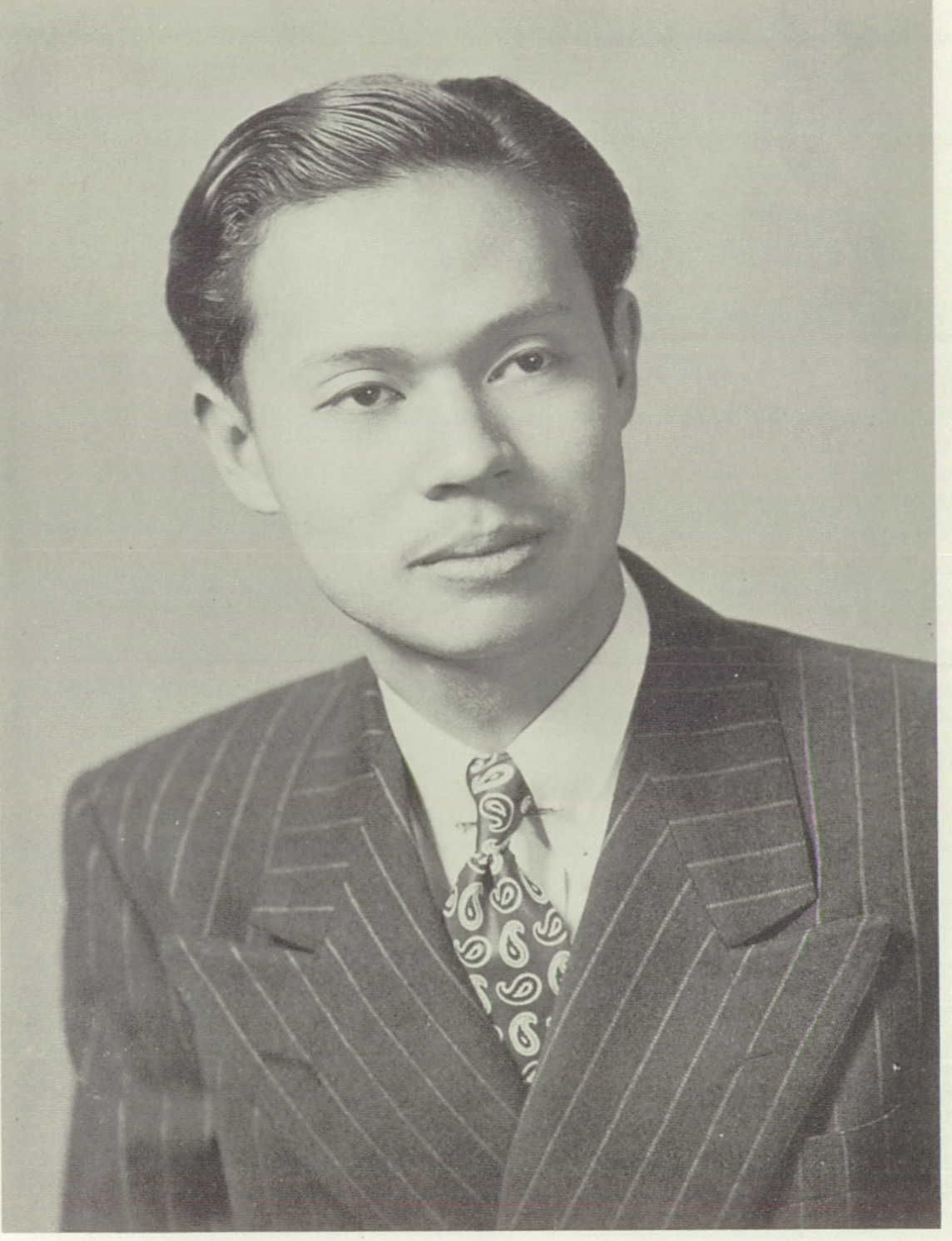
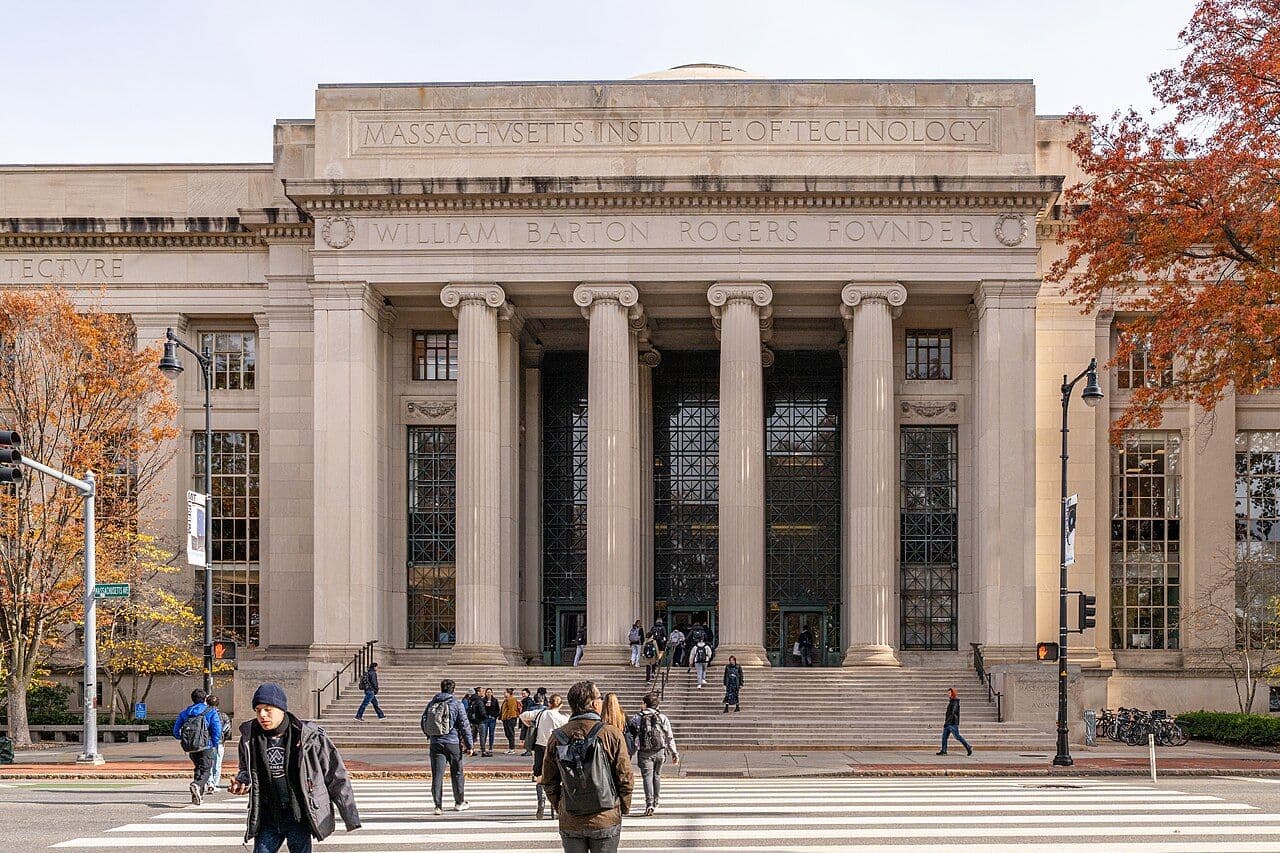
Iván Jose Espín Guillois was born in Cuba in 1935, his father being a wealthy lawyer for the Bacardi Rum Company. His elder sister, Vilma Espin, was to become the Cuban revolutionary, chemical engineer, feminist and First Lady of Cuba (as wife to Raul Castro). Ivan travelled to the US in 1953, to study Architecture at MIT, graduating in 1959. He practiced as an architect briefly in Venezuela, where he met and collaborated with Vittorio Garatti and Roberto Gottardi. In the immediate years after the Cuban Revolution, Espin was a key figure in the establishment of the Cuba National Art School, on the site of the former Havana Country Club, bringing Garatti and Gottardi to the project and taking on the design of the School of Music himself. Unfortunately Espin had to drop the project due to health reasons, the Music School eventually being completed Garatti. Despite this set-back Espin built a successful practice, together with his wife, Olga Astorquiza, their office located on the 25th floor of the ‘Hotel Havana Hilton’ now Hotel Habana Libre. In 1967 Espin was commissioned to produce the first regional plan for the province of Havana and the year later designed the headquarters of the newly created Ministry of Light Industry, in Havana (1968). Alongside this work, Espin served as a professor in the School of Architecture at the University of Havana, where he led the Industrial Design Studio. From the early 1960s the Cuban government had begun to make plans for the development of architectural education and Espin was dispatched to the UK, with Olga Astoriquiza, under a United Nations Industrial Development Organisation scholarship, in order to study alternative models of education. Accordingly, Espin is recorded as enrolling on the 1965-66 Teacher Training course at the Architectural Association’s (AA) Department of Tropical Studies, in London. Indeed, Espín was a passionate advocate for the development of industrial design in Cuba, believing that Cuba could not overcome underdevelopment without its help. Accordingly, Espin saw the way forward as being in the development of design education and in 1969 was involved in the foundation (and served as its Director) of the Escuela de Diseño Informacional e Industrial (EDI), in Havana - an institution which was to collapse just a few years later when Enrique Escalona, the Head of the Ministry of Light Industry, was dismissed. Espin continued to work in the field of industrial design and in 1980 he was involved in the establishment of the National Office of Industrial Design (ONDI), which was responsible for the promotion and the development of industrial design in Cuba. Four years later, with the backing of Vilma Espin and Fidel Castro, he was successful in his second attempt at founding a design school, the Instituto Superior de Diseño Industrial (ISDi). Espin was to remain the Director of ONDI until his dismissal in 1988, when he and his family emigrated to Equador.
Sources
- Architectural Association Student Register, 1945-71. AA Archives
- Architectural Association Council Minutes, 9th January, 1967
- Architectural Association Membership Register, 1969
- Architectural Association Membership Register, 1974
- Loomis, J. ‘Revolution of Forms: Cuba’s Forgotten Art Schools,’ Princeton Architectural Press, 1999
- Uriarte, L.F., ‘Modernity and Postmodernity from Cuba.’ Journal of Design History 18, no. 3, 2005, pp245–55
- Fernández, S., ‘The Origins of Design Education in Latin America: From the Hfg in Ulm to Globalization’. Design Issues 22, no. 1, 2006, pp3–19