People
People
People
503 recordsA. Ozden
Year of study 1969
Suha Özkan
Year of study 1970
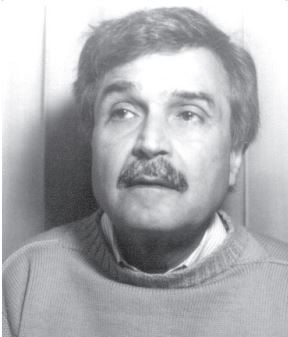
Chotu Ahmed Padamsee
Year of study 1963
Charles Nelson Paine
Year of study 1961
Honorato G. Paloma
Year of study 1967
K.S. Panesar
Year of study 1956
Sidheshwar Gopalrao Pardhy
Year of study 1962
Ernesto Paredes Arana
Year of study 1955
Vittorio Pareto
Year of study 1965
Neil Richard Parnes
Year of study 1969
Ashok R. Patel
Year of study 1966
Avelino M. Paterno
Year of study 1958
Sudhir Vithal Patker
Year of study 1963
Sanjiv Trimbakrao Pawar
Year of study 1960
Suryakant Govindrao Pawar
Year of study 1961
Danilo V. Penaflorida
Year of study 1959
Arthur Seah Peng Chua
Year of study 1964
Oscar Joseph Pereira
Year of study 1963
Hatmadi Pinandojo
Year of study 1960
Iris Raymond Pinto
Year of study 1966
Charles Edward Manoharan Ponniah
Year of study 1971
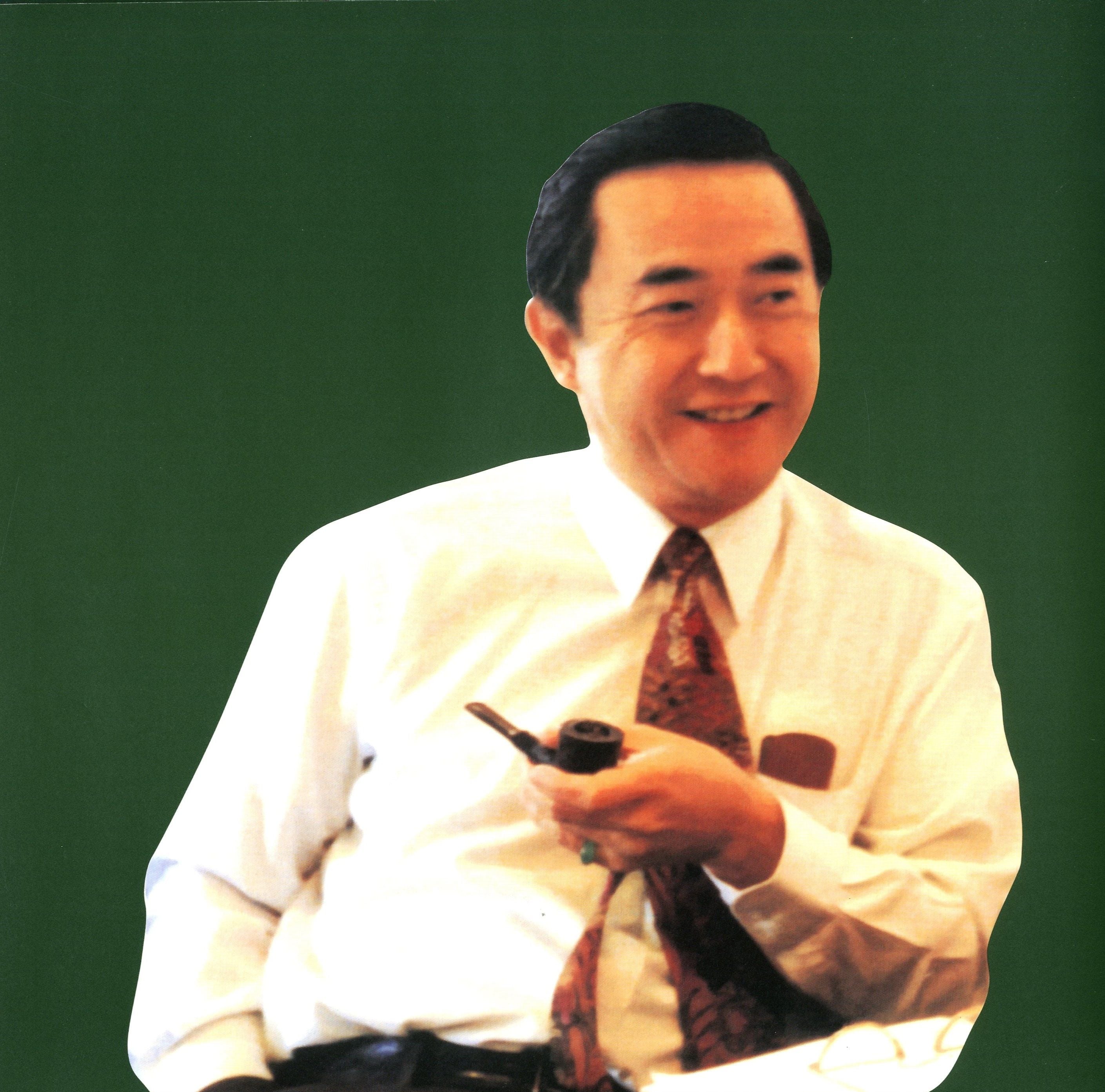
Ronald Cho Yiu Poon
Year of study 1968
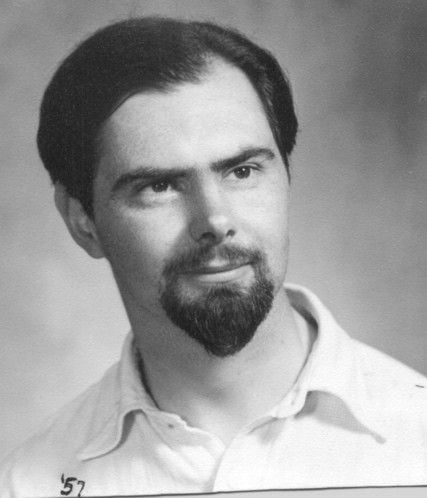
Hugh Godfrey Pope
Year of study 1964
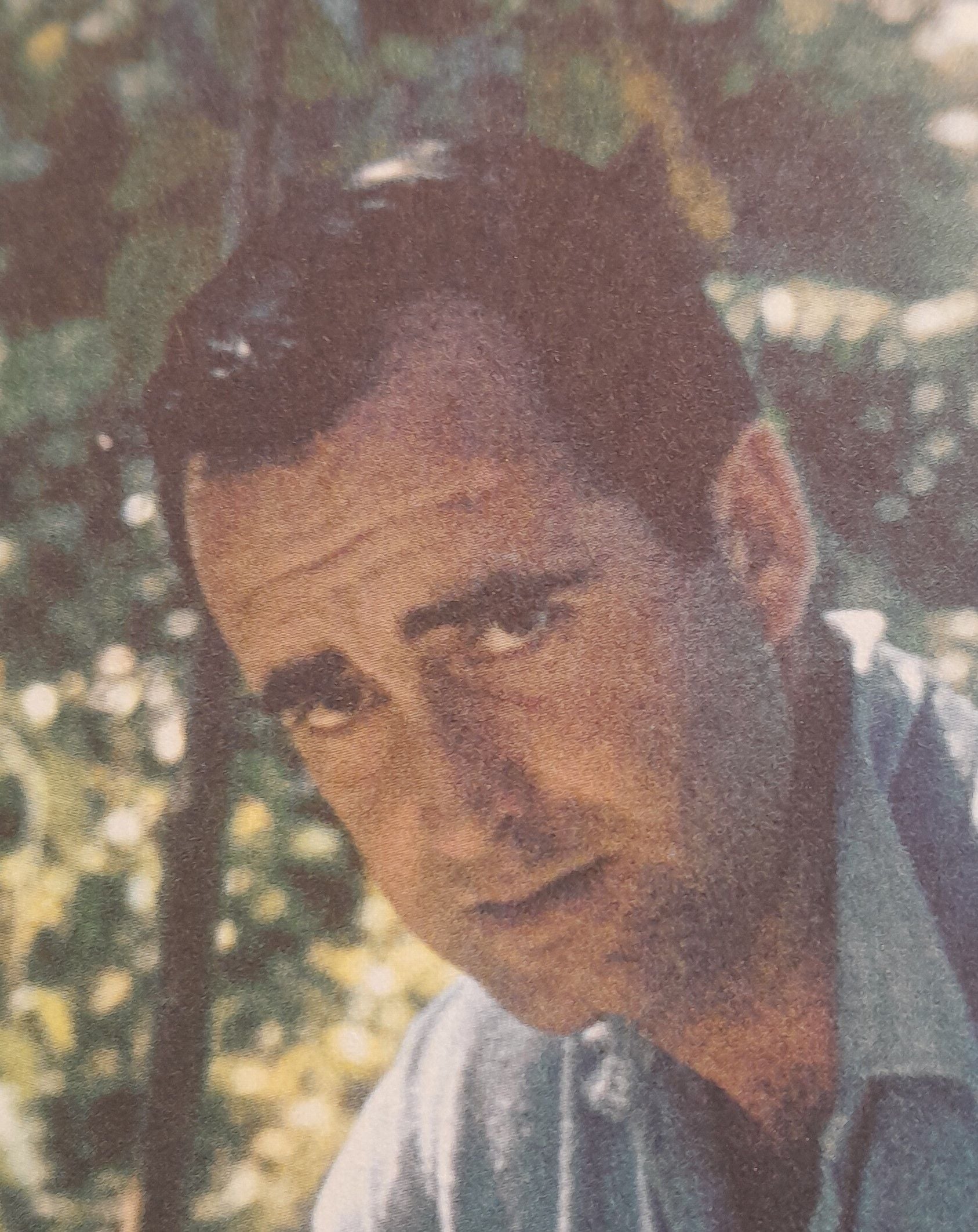
Luis Gonzaga Pedroso Possolo
Year of study 1955
Vinayak Anant Pradhan
Year of study 1964
Arvind Shrikrishna Pradhan
Year of study 1961
Surendra Prasad
Year of study 1961
Wahjono Pribadi
Year of study 1962
Soedibyo Prodjosepoetro
Year of study 1962
Sergio Puente Aguilar
Year of study 1971