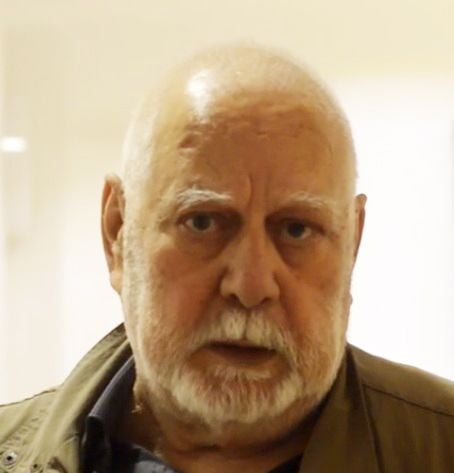
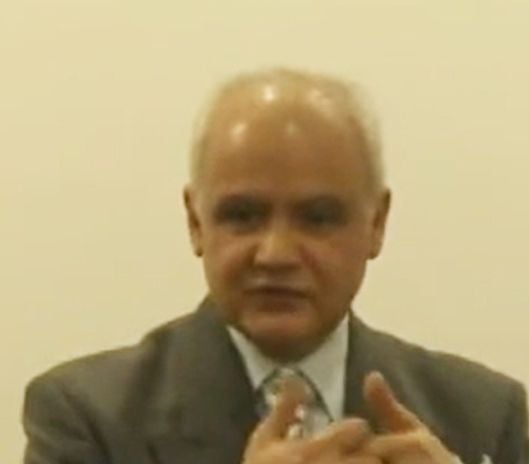
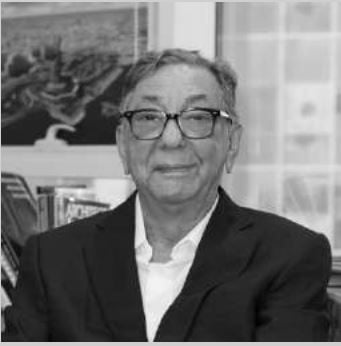
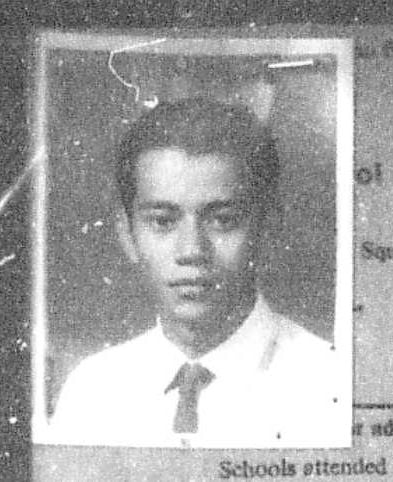
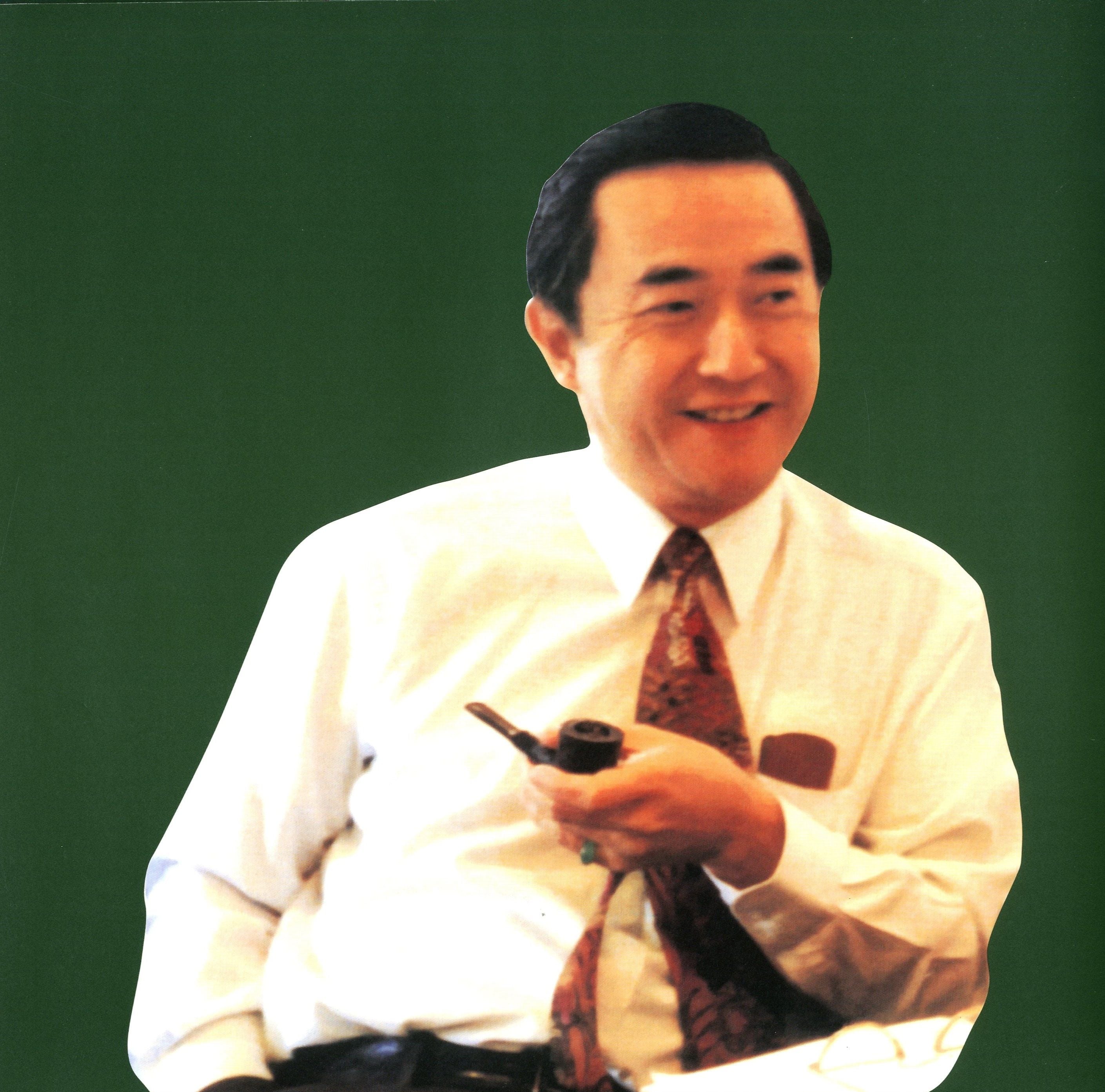
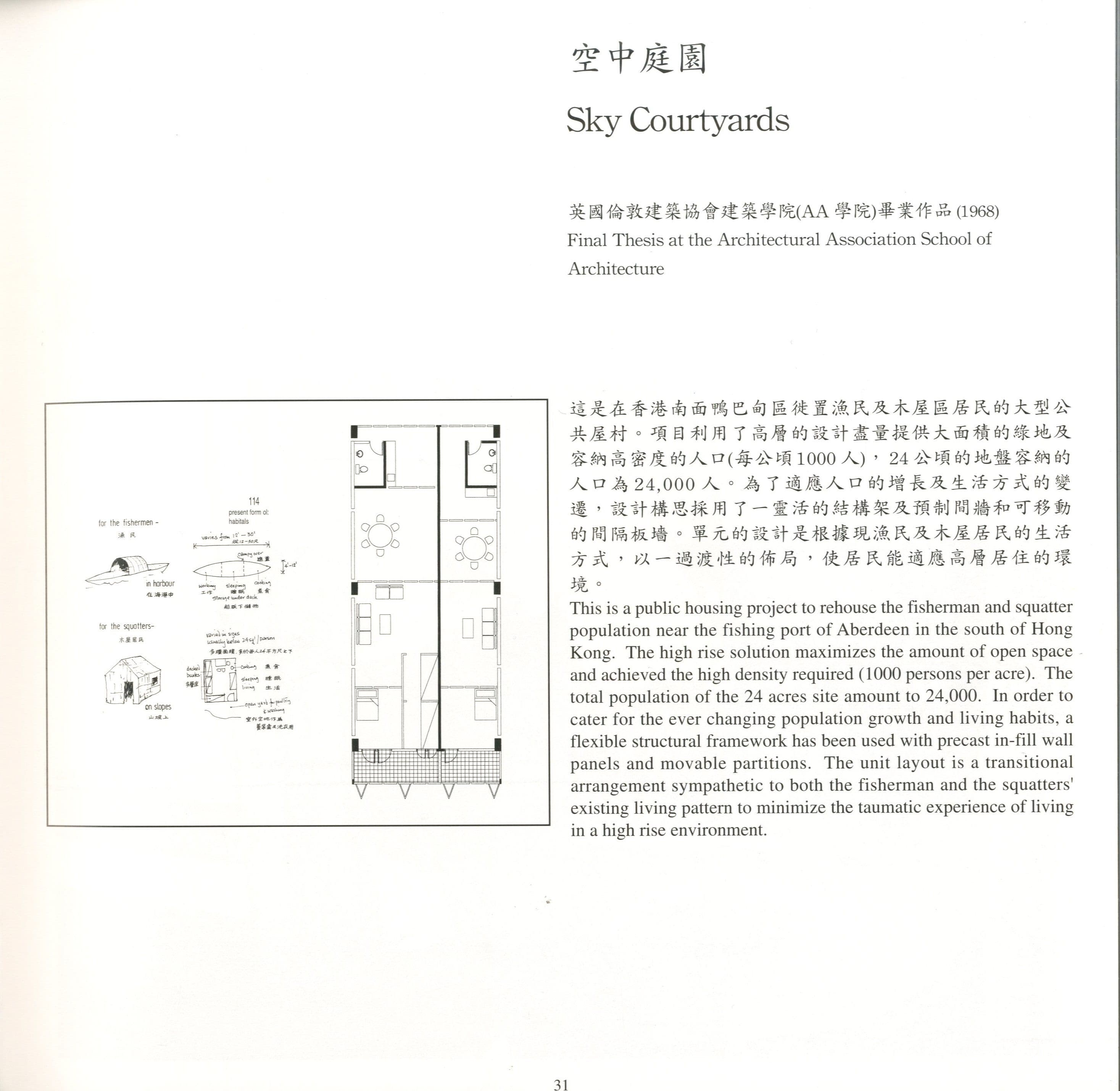
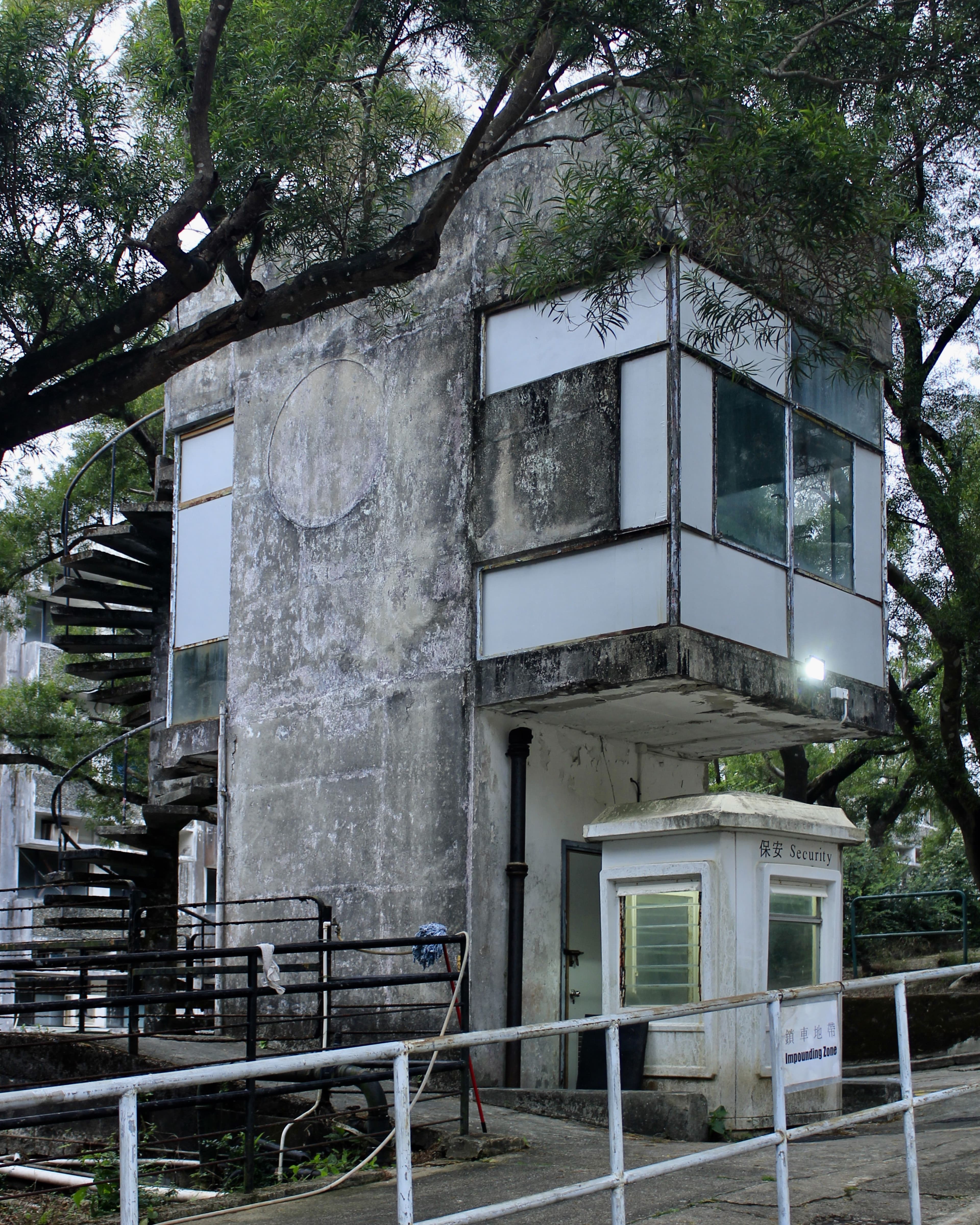
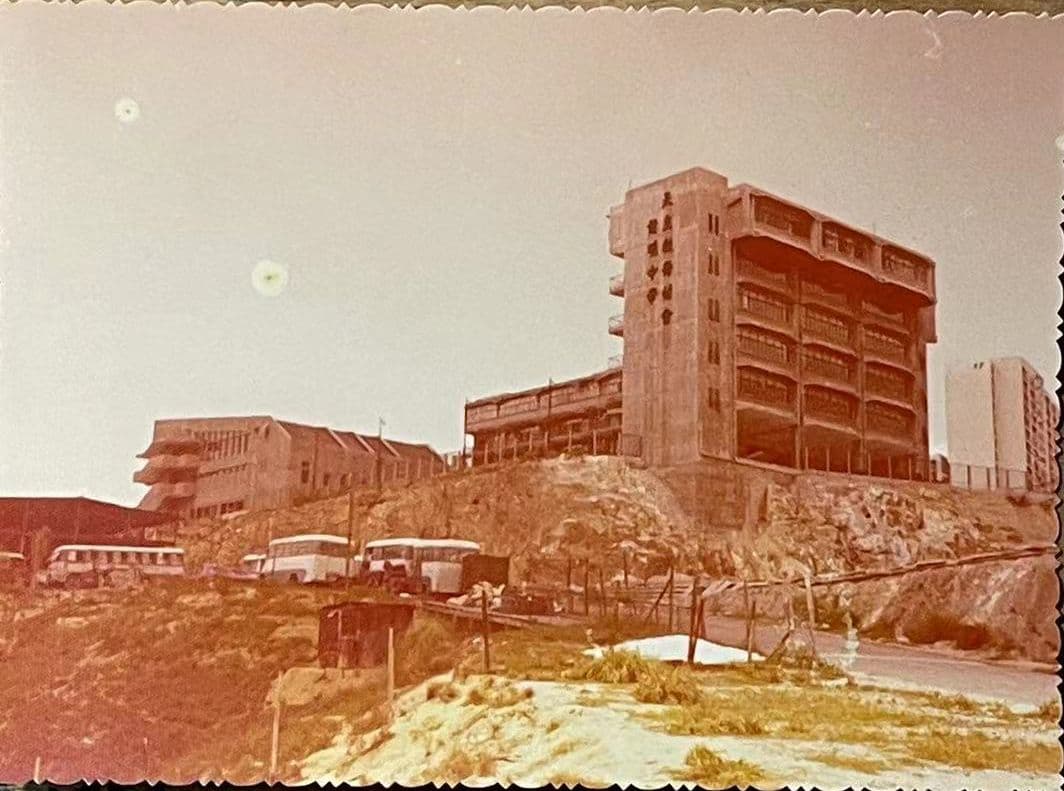
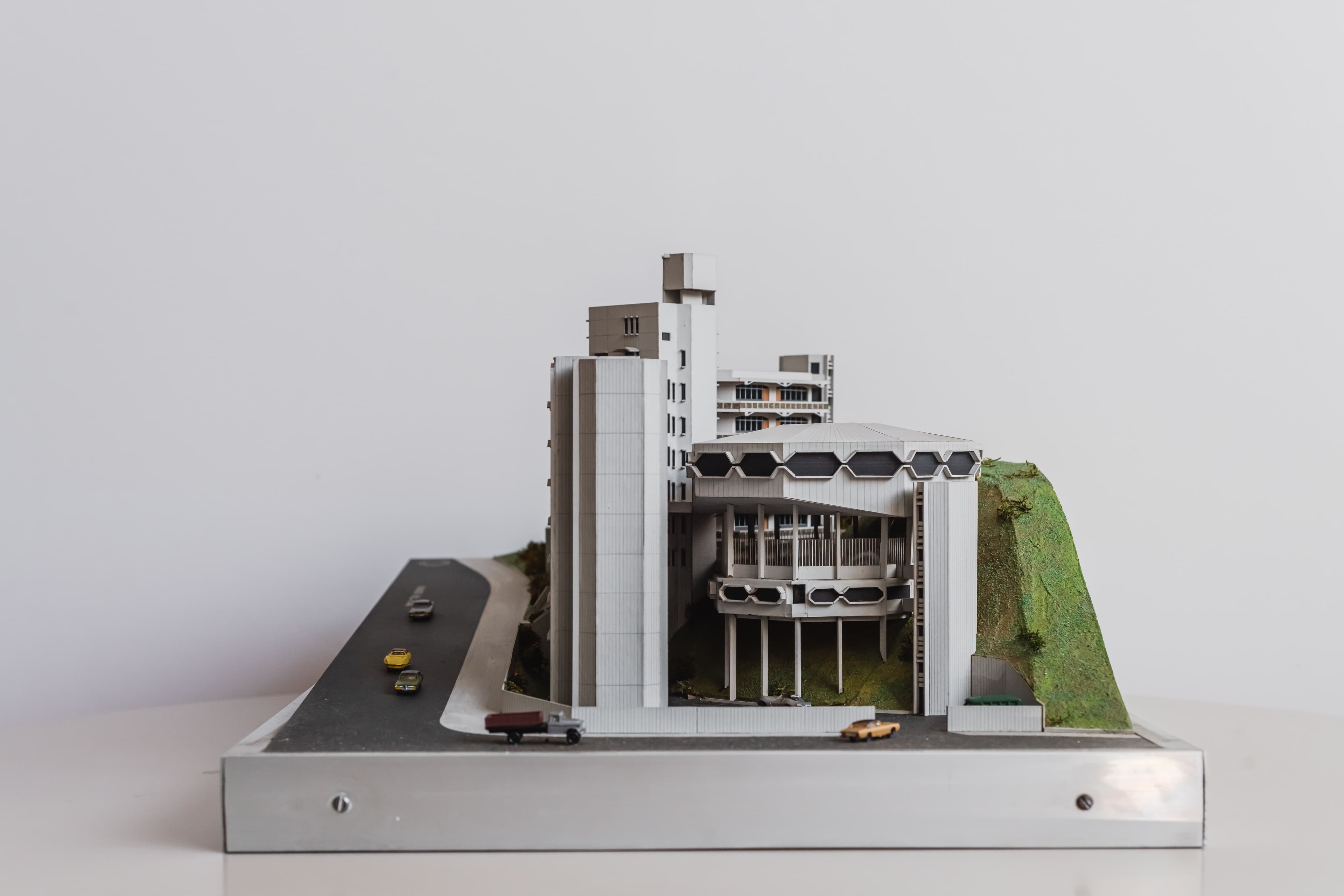
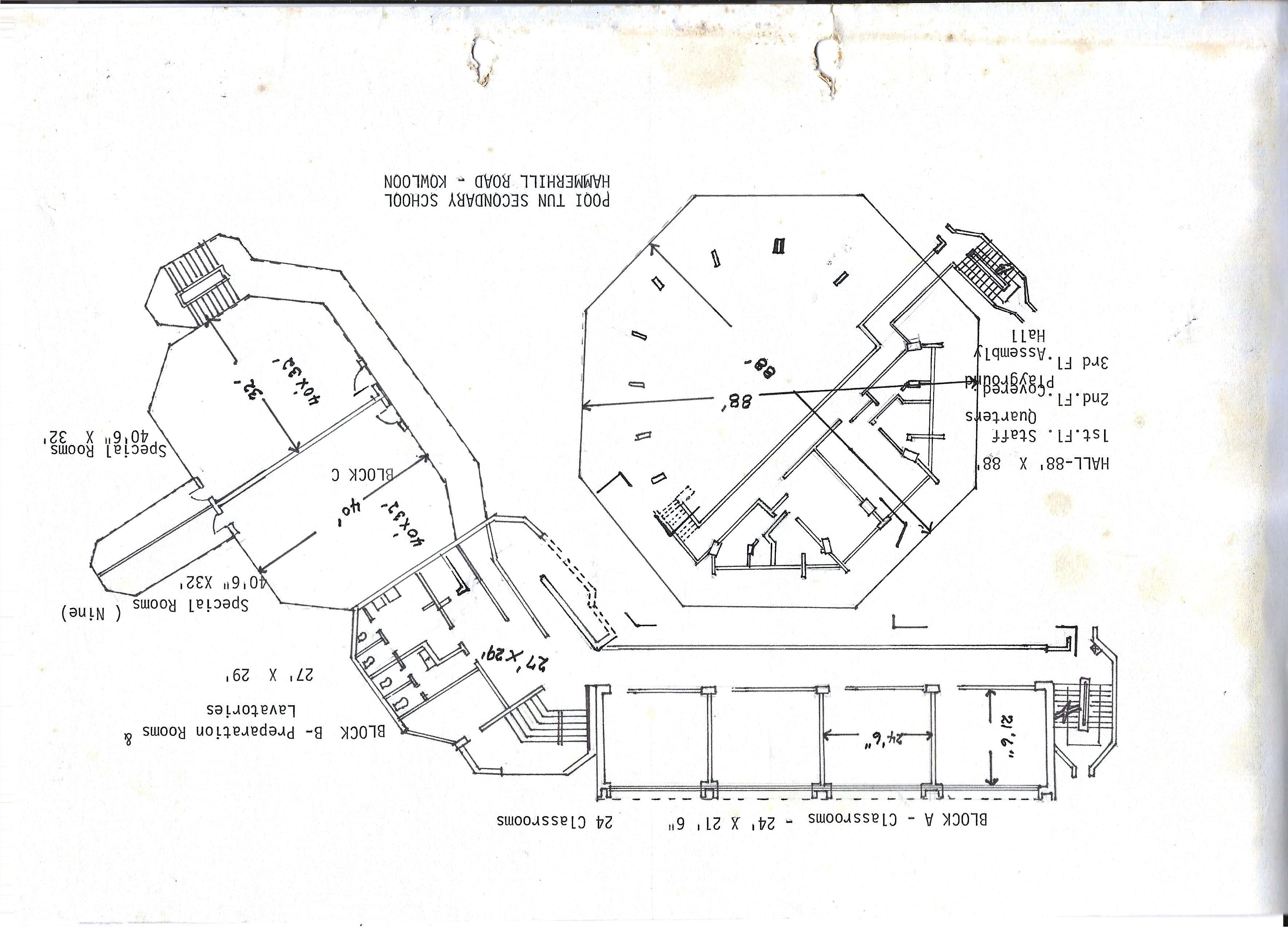
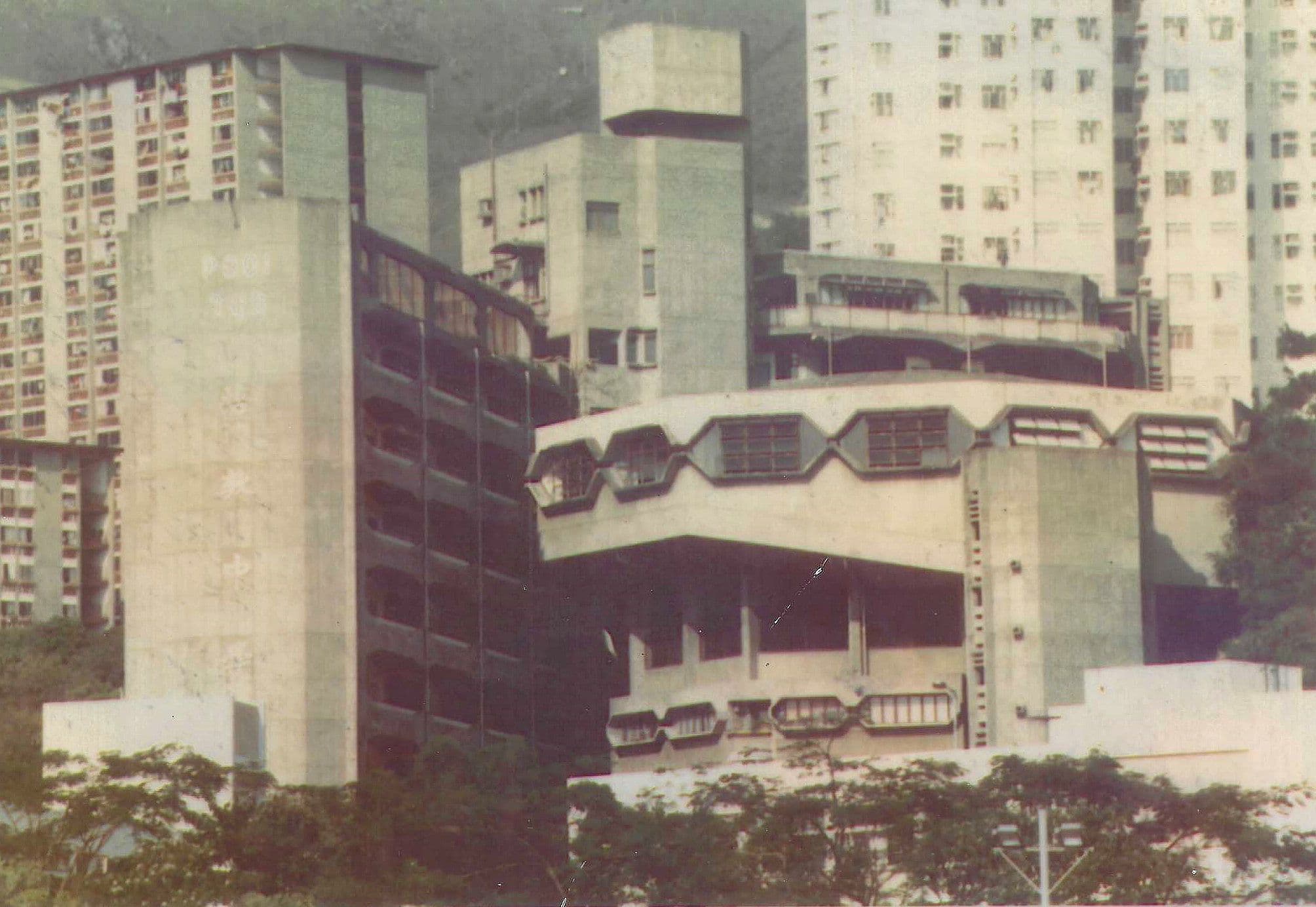
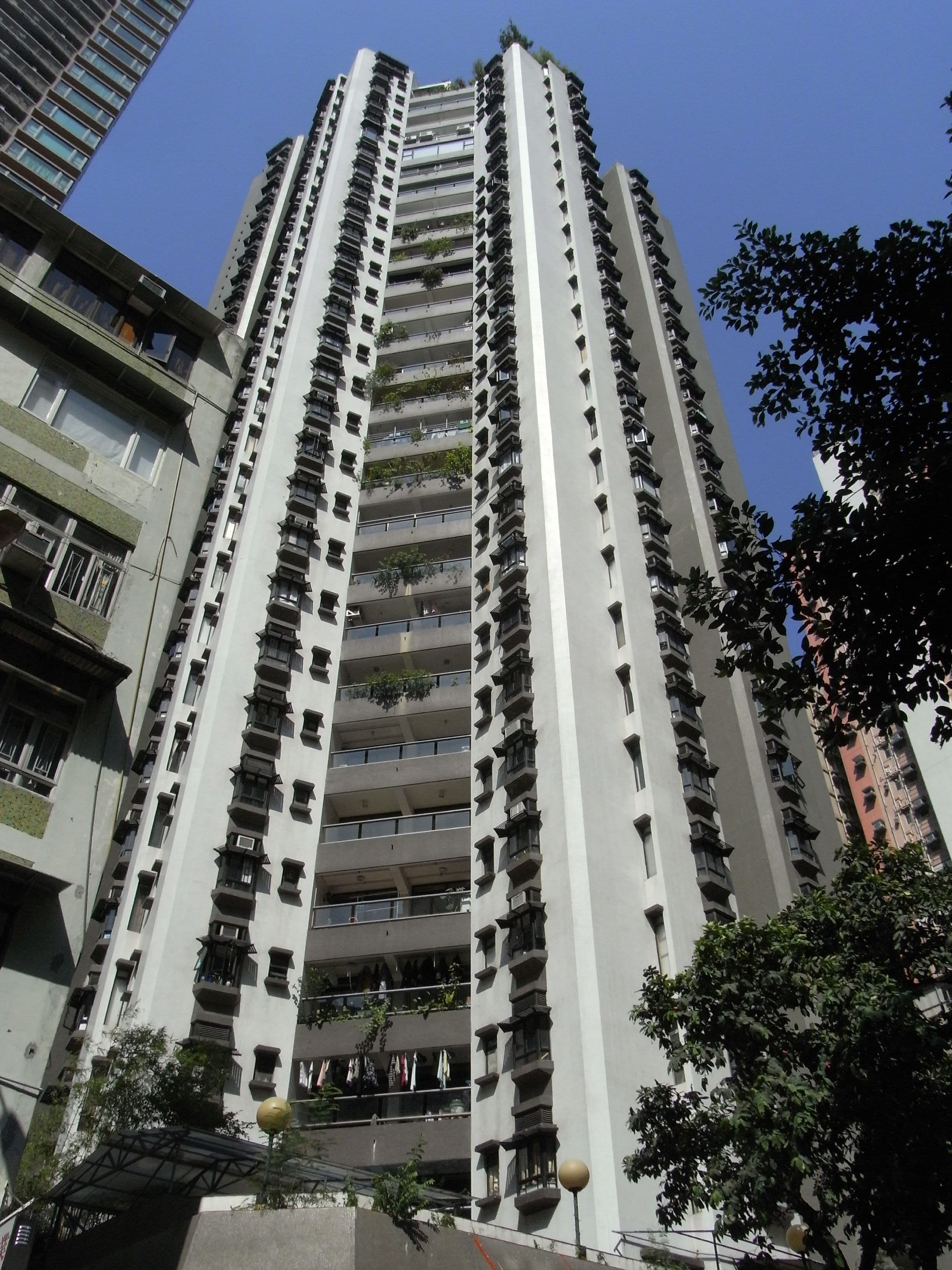
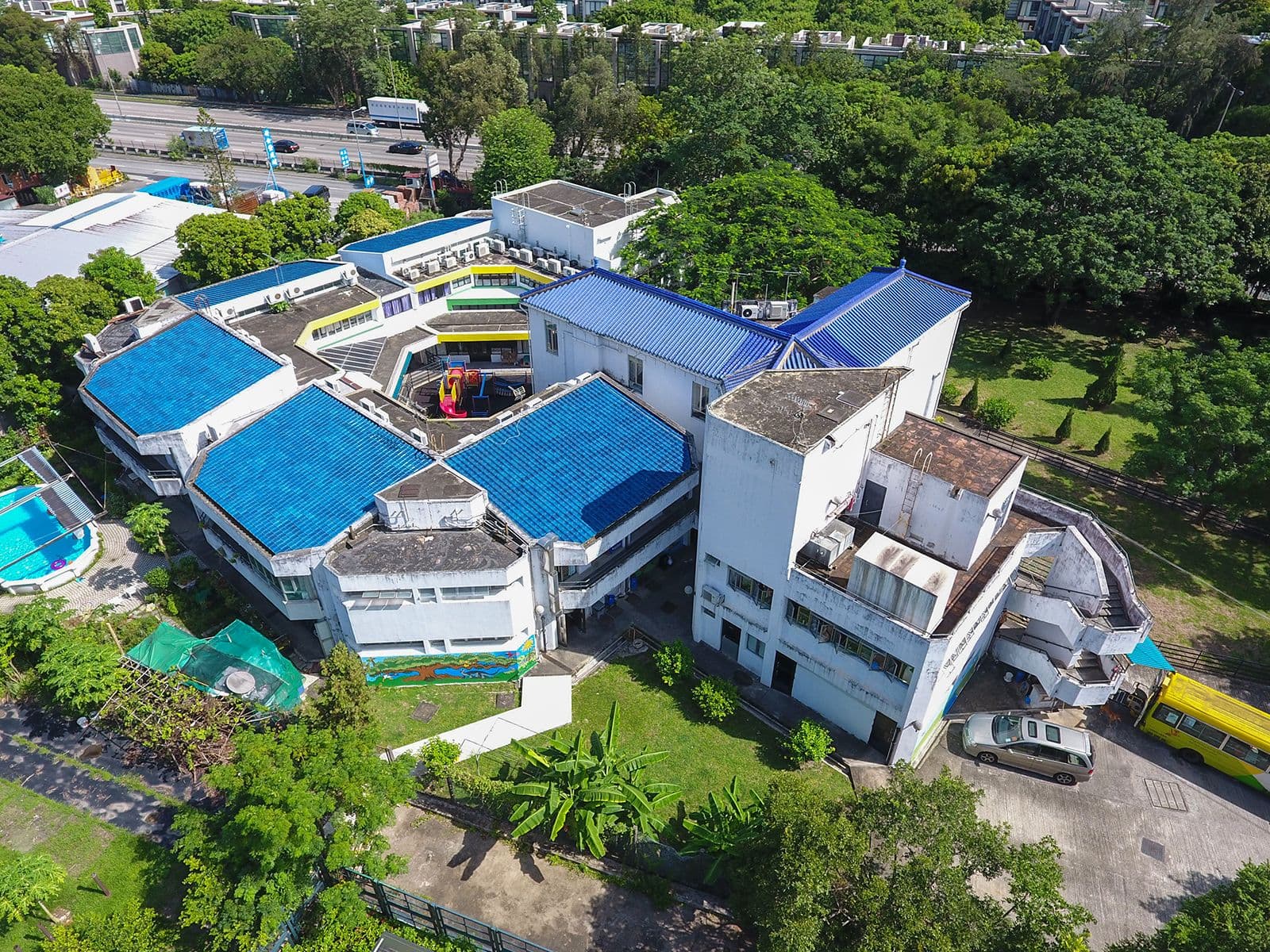
Ronald Poon was born in Hong Kong in 1942. He received his secondary education at Wah Yan College, Hong Kong, before continuing his studies in England at the age of 16, when his family sent him to a boarding school in Somerset. Initially intending to pursue a career in fine art, Poon enrolled at the Poole College of Art and later at the Bournemouth College of Art. Influenced by his godfather, an architect based in Singapore, he decided to study architecture—a profession he regarded as one capable of directly contributing to the improvement of society. In 1962, Poon entered the Architectural Association School of Architecture (AA) in London. After four years of study, he took a year out to gain professional experience, first with Austin Smith/Salmon/Lord Partnership, where he worked on the design of medium-rise housing projects, and subsequently with the Architects’ Department of the London Borough of Haringey, contributing to the design of low-rise housing and shopping centres. Poon returned to the AA in 1967 for the final year of his AA Diploma, electing to study within the Department of Development and Tropical Studies. He graduated in 1968 with a thesis entitled Sky Courtyards, which explored housing solutions for the fishing and squatter communities relocated to the Wah Fu Estate site in southwest Hong Kong. His proposal adopted a high-rise strategy, arranging residential units within a long block that spanned the width of the site, thereby maximising open ground space for recreation use. Upon completing his studies, Poon returned to Hong Kong and joined Peter Y. S. Pun & Associates. As the firm’s only qualified architect at the time, he was responsible for the design of over 20 projects over four years, including his first built work, the Guard House at Shaw Brothers Studio. In 1969, he designed DMHC Siu Ming Catholic Secondary School and Pooi Tun Secondary School. The former, designed with extensive shading devices for an exposed site, was later described by Poon as reflecting lessons learned during his time in the Tropical Studies programme. Poon began to establish his own practice in 1973. Among his notable works was Albron Court (completed in 1985), a mid-level residential development in Hong Kong designed with particular attention to light, ventilation, and local climatic conditions. From 1979, he worked with David Russell on the Home of Loving Faithfulness, a facility for children with special needs. The project incorporated glass roofs to admit winter sunlight and movable reflectors to mitigate summer heat, earning the Joint Council for the Physically and Mentally Disabled Design Award in 1994. Poon also collaborated with Denis Lasdun and David Russell on the design competition for the City Polytechnic University in Hong Kong, and independently designed numerous projects across Thailand and Greater China. Beyond his architectural practice, Poon played a significant role in the professional development of architecture and construction in Hong Kong and the wider region. He served as the first Chairman of the Architects Regional Council of Asia (1980–82), President of the Hong Kong Institute of Architects (1981–82), Vice-President for the Asian Region of the Commonwealth Association of Architects (1981–83), and Chairman of the Hong Kong Housing Society (1991–94). In 2004, he founded the World Association of Chinese Architects. Ronald Poon passed away in 2022 at the age of 80.
With grateful thanks to Bob Pang
Sources
- Architectural Association Student Register 1945-1972, AA Archives.
- Ronald Poon, The Dream in Reality: Ronald Poon 1968-1998 (China Architectural & Building Press, 1999).
- “Obituary for Poon Cho Yiu Ronald (1942-2022)”, The Hong Kong Institute of Architects, accessed December 26, 2023, https://www.hkia.net/en/whats-on.html?id=9077.
- Personal communication, Poon family members, 2025