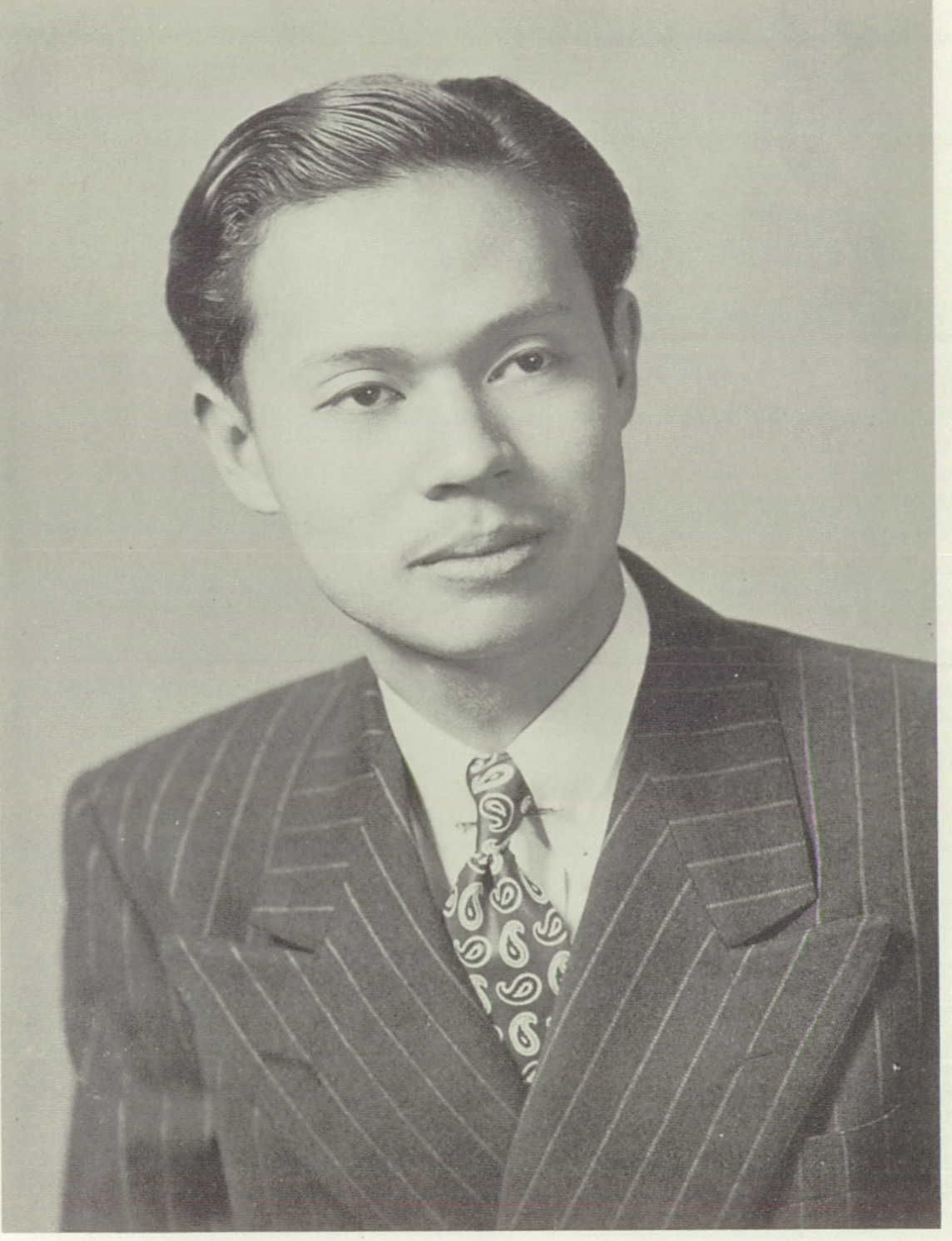
An Indian architect and educator, Kaizer Enayet Talib, was educated at Maharaja Sayajirao University of Baroda in Gujarat, India. In the academic year 1969-70, he attended the Architectural Association’s Department of Tropical Architecture where he specialized in housing and subsequently earned a post-graduate Diploma. He later earned another postgraduate degree from the University of Pennsylvania in Philadelphia, United States. In his career, Kazier has lived, practiced, and taught in very different geographies – including India, Nigeria, Saudia Arabia, and United States – but consistently focused on architecture that is energy-conscious and responsive to its environment and, more generally, on historic preservation. In circa the late 1970s, whilst in Nigeria, he taught at the University of Lagos where he researched and built with traditional materials including mud and bamboo, pointing how the techniques and forms of their use different between hot-dry and hot-humid regions. By the early 1980s, he had moved to the Eastern province of Saudi Arabia, where he taught at the University of Petroleum and Minerals in Dhahran and King Faisal University in Dammam. In this phase, he published widely on the topics of housing, settlement, and tradition in hot arid regions, with his most significant contribution arguably being the widely cited book “Shelter in Saudi Arabia” (1984) which analyzes how vernacular building types in various climatic zones in the Kingdom can influence contemporary construction. He also served on the committee advising on the restoration and redevelopment of Qal, a small historical neighborhood in the oasis town of Qatif, Saudi ARabia where settlement extends to 3000 years ago. In a subsequent phase of his career, Kazier then relocated to Florida, United States (ca. 1985) where he co-founded UrbanForm, an architecture, planning, and development firm where he seems to remain active. His built projects include the Architecture and Interior Division office of UrbanForm, located in two storefront spaces in a dilapidated building of downtown Florida, where the design team creatively utilized a small budget to create a charming atmosphere with a spectrum of colors, materials, flooring, and lighting. Another project is his own residence located in a serene environment by the waterfront and where he applied climatic design strategies. In 2020, he appears to have published a book on Queen Victoria which critiques colonial rule and conquest under the British Empire.
Sources
- Architectural Association Student Register 1945‐1972, AA Archives
- Architectural Association Diploma Roll Book, 1964-75, AA Archives
- Kaizer Talib, Shelter in Saudi Arabia (Academy Editions Architecture Series), 1984, St Martin's Press, isbn 0312716931
- Mud, Mud: The Power of Earth-based Material for Third World Housing by: Anil Agarwal, Published by: Earthscan
- “Al Qal renovation near Qatif conserves antique buildings”, Arab News , 1982, Tuesday Jan 19
- “Carving Out a Downtown Niche”, Florida Architect, Spring 1996, Pg.22-23
- Dreaming Green: Eco-Fabulous homes designed to inspire, Paradise by the Sea, Talib House, Fort Lauderdale, Florida
- Kaizer Talib, Queen Victoria: The Other Hitler In Disguise, 2020
- Kaizer Talib, Instagram page
- Kaizer Talib, LinkedIn Page