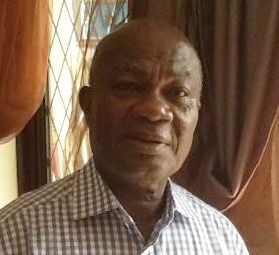
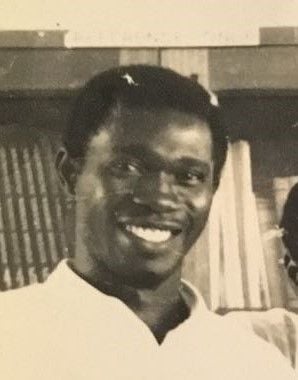
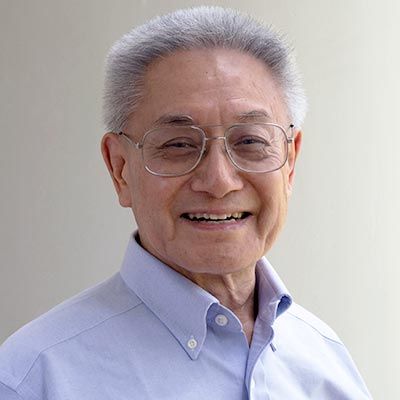
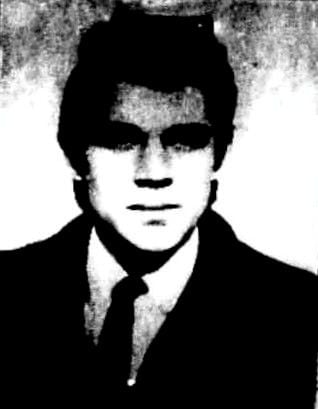
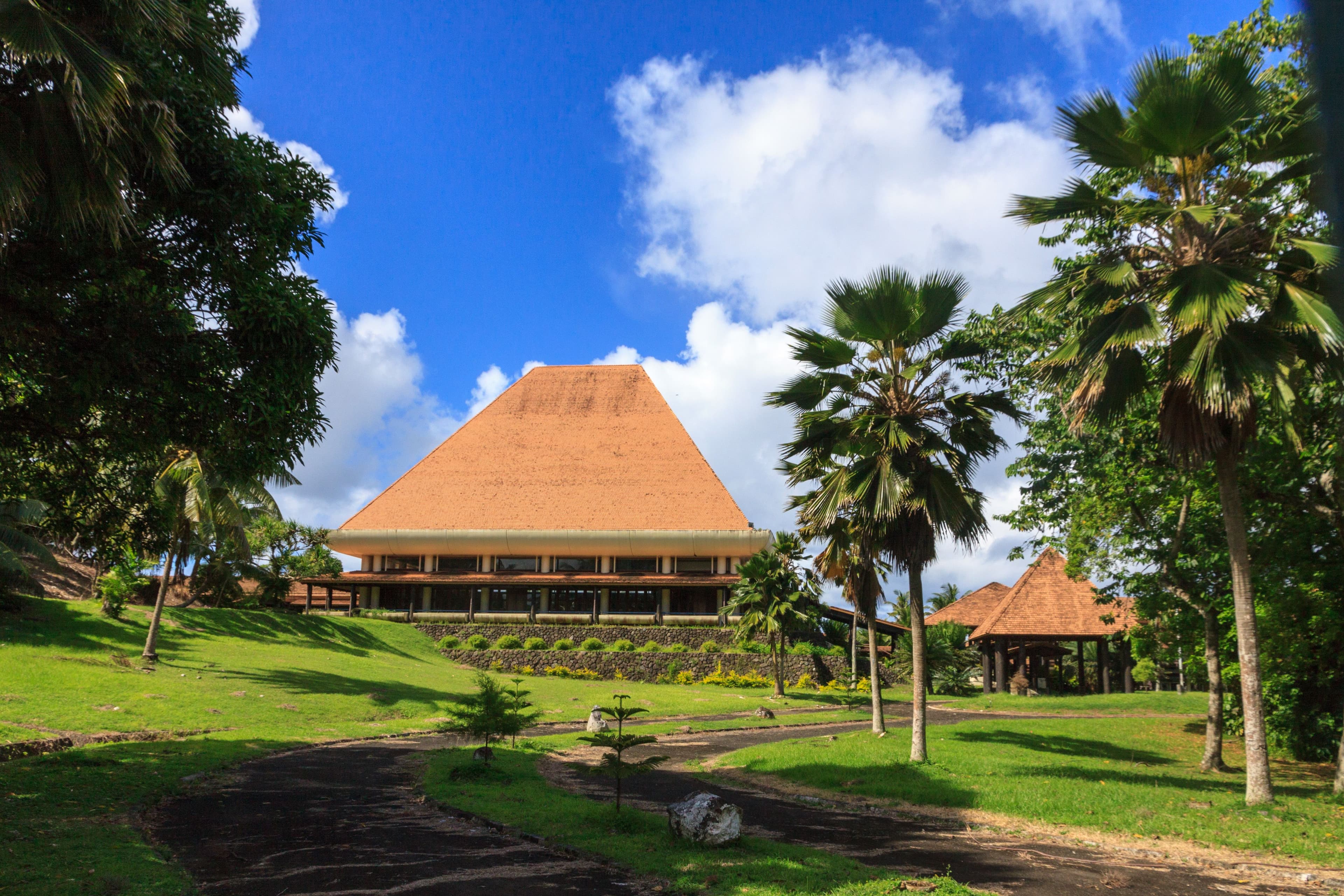
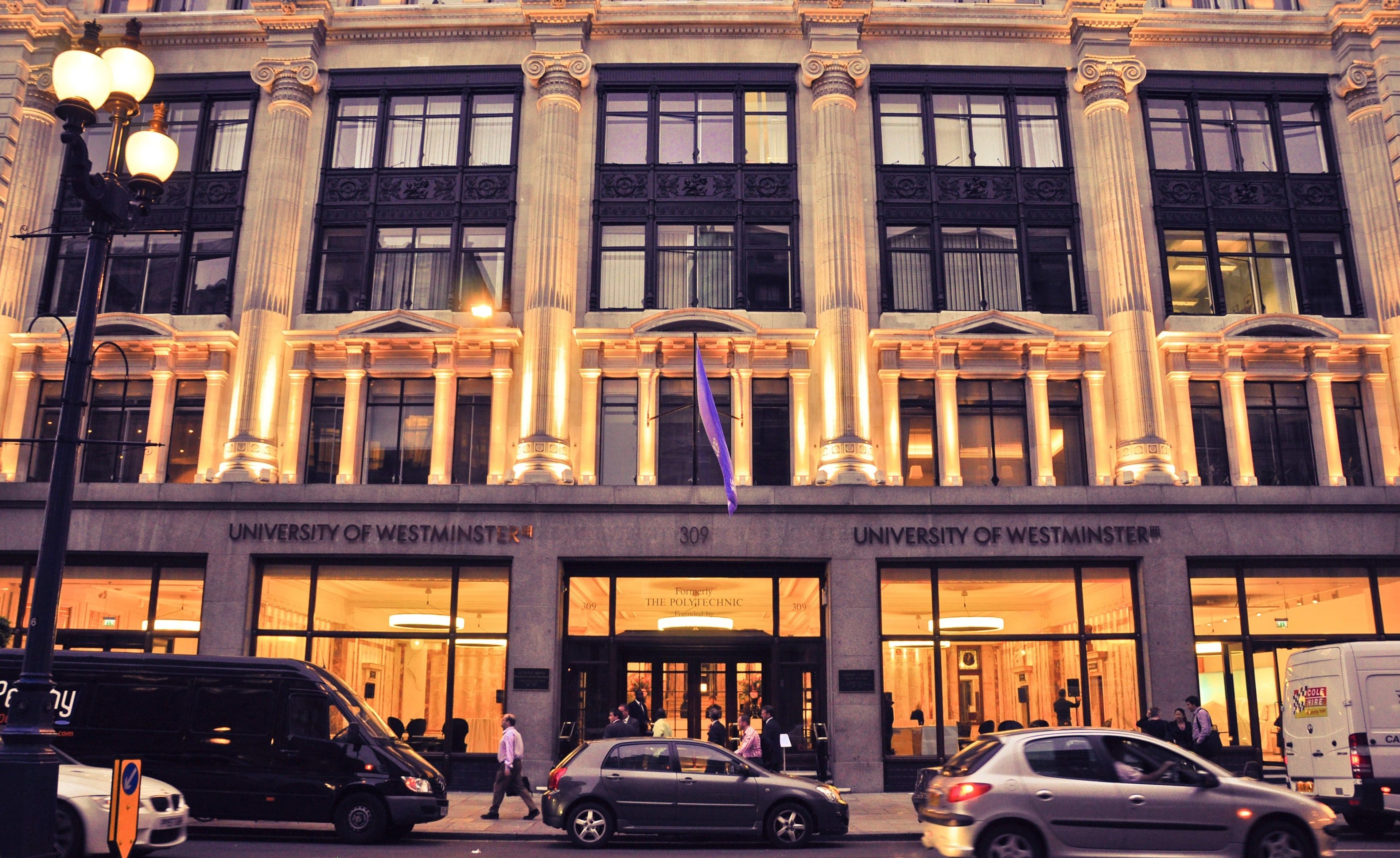
Anthony Sansom was born in 1937, in what is present-day Zimbabwe. He was educated at Dulwich College, London (1949-56), and then studied architecture at the Polytechnic Regent Street School of Architecture (1959), followed by the Brixton School of Building, London (1960). Prior to joining the AA, he gained roughly 7 years of practical experience: working at Hamilton G. Gould, London (1958-59), Oscar Garry and Partners, London (1959-61), and JM Austin-Smith, Salmon, Lord Partnership (1963-66). In 1966, when he was 28 years old, he then joined the Architectural Association (AA) Diploma course as a 3rd Year student, funded by the Inner London Education Authority Major County Awards. Although he entered with much prior experience and was seen as technically capable and proficient in working drawings by the school, he still benefited considerably from the course. In 1969, after completing his AA Diploma, he opted to extend his studies by a year to attend the postgraduate 'Educational Building' course run by the AA's Department of Development and Tropical Studies. A year later, in 1971, he subsequently also passed the school’s professional practice and procedure exams in preparation for registration as an architect in the UK. After working with private English practices for several years, in 1974, he appears to have also registered as an Architect in Fiji and presumably moved there – where his passion about architecture for the tropics, environmentally-sensitive buildings, and climatic design flourished in the following two and half decades. In the 1980s he worked for the Fijian Ministry of Communication, Transport and Works, reaching the position of Acting Director of Building, and Government Architect by 1988. This role culminated in one of his most significant projects (working alongside private consultants Viti Architects), the Parliamentary Complex (1987-92) in Suva, which remained in use until the Fijian coup in 2006. The building is a good example of green design and makes optimum use of its location on an open hilly site exposed to the sea breeze; its orientation, natural ventilation strategies, and efficient spatial programming, are all designed to increase comfort, reduce energy use, and maximize natural sunlight. Later, Sansom established his own practice, Sansom Design Architecture and worked with, or for, a series of local private architectural firms including Architects Pacific, Jaime Associates, and ASA Naidu. Over the years, three projects he was involved in received the Fiji Association of Architects’ Major Award: the Fiji National Training Council headquarters (1992, with Architects Pacific), the Parliament of Fiji (1993, alongside Viti Architects), and the Rewa House (2000, with Jaime Associates). However, his wider influence on the architectural scene in Fiji is perhaps best captured in his position as the president of Fiji association of architects (1981-83), his 1987 guidelines for the design of new buildings in Fiji and refurbishing older buildings, and his role as a tutor and lecturer. Between 1997-99, Sansom appears to have temporarily moved away from Fiji and worked in Spain on four hotel/resort projects in Palestine, India, and Egypt.
Sources:
- Architectural Association Student Register 1945‐1972, AA Archives
- Architectural Association Diploma Roll Book, 1964-75, AA Archives
- Architectural Association Student Records Microfiche Files, 1966-1971, AA Archives
- Pacific Energy News, January 2000, Issue No.1, Page 4-5 (Extracted from November Issue of the Fiji Islands Business which featured “Selling Designs for the tropics – climate design, energy efficiency, says veteran Suva architect Sansom” – by Kim Gravelle)
- Architecture in the South Pacific: The Ocean Islands, Jennifer Taylor and James Conner, 2014, University of California, page 135-6, 314
- Islands Business Pacific, I.B. Pacific Volume 17, 1991
- Energy Efficiency in PIC Government Complexes: Palau and Fiji, Peter Johnston, 2012, Pacific Power Association – 21st Annual Conference and 6th Engineer’s Workshop