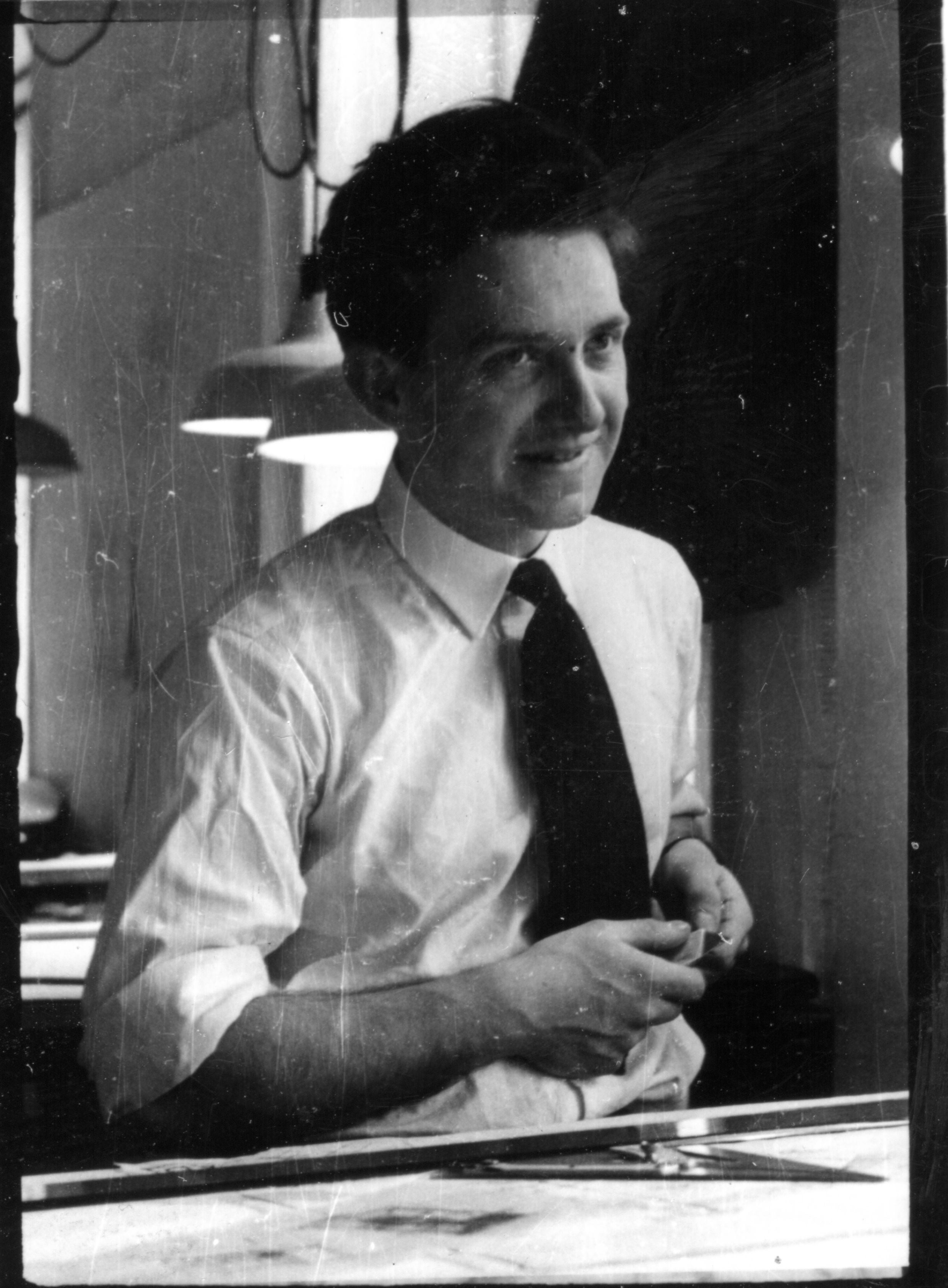
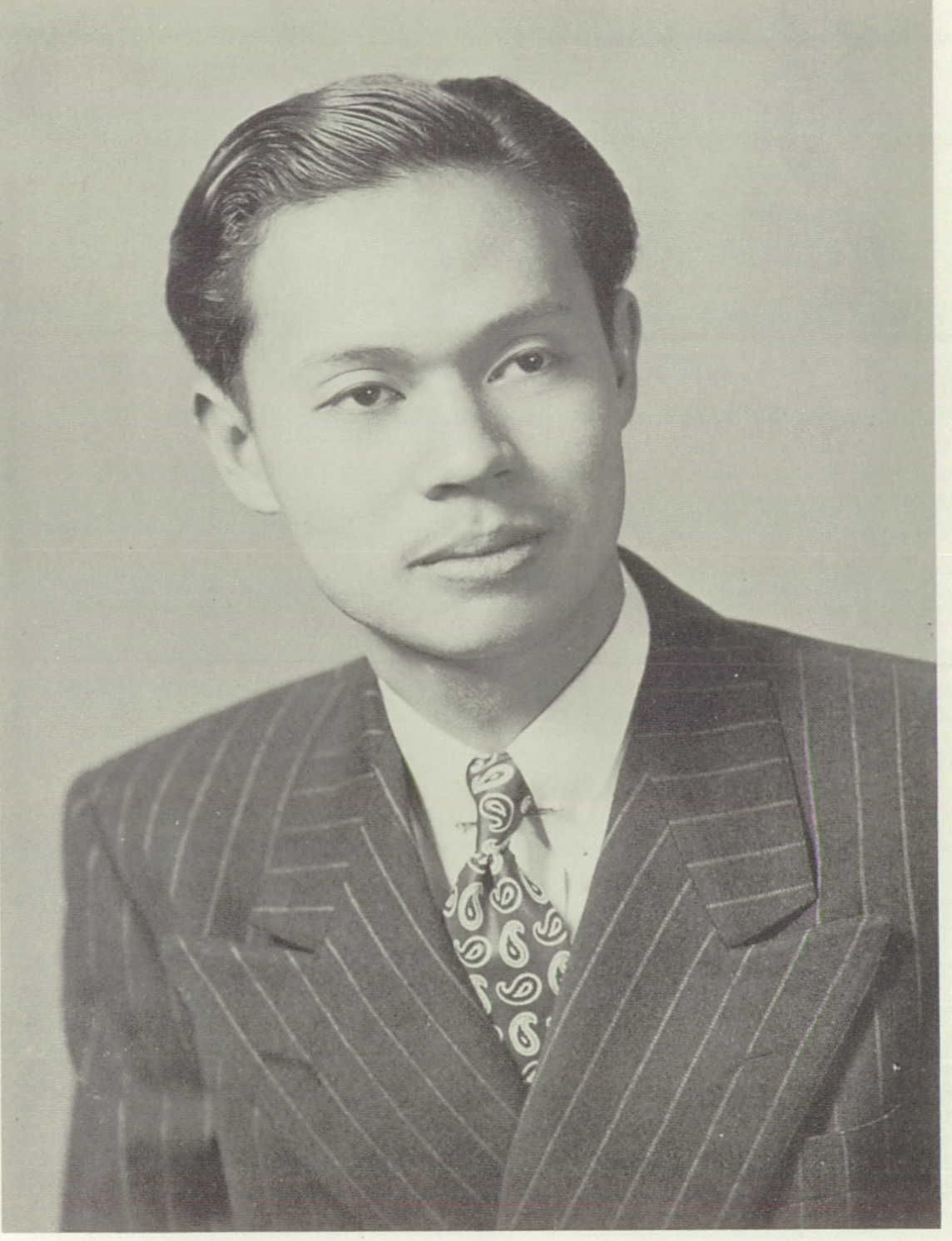
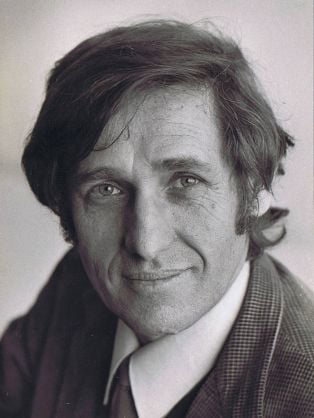
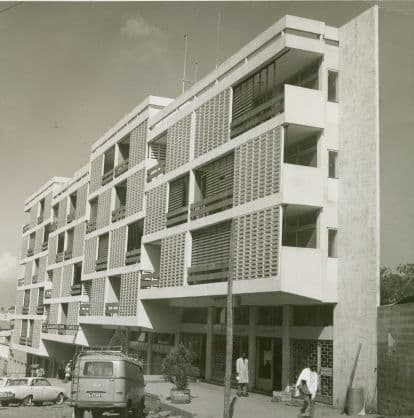
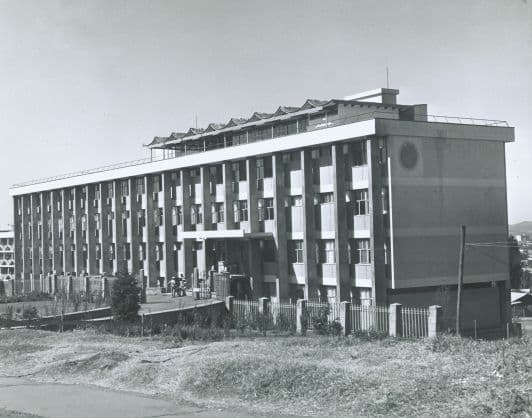
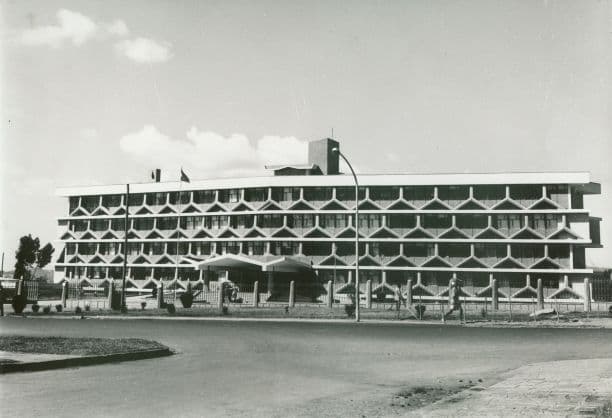
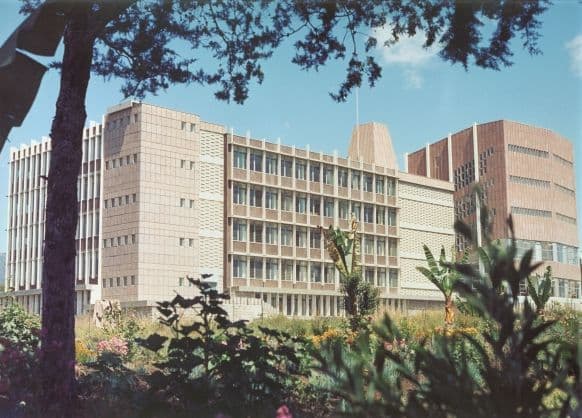
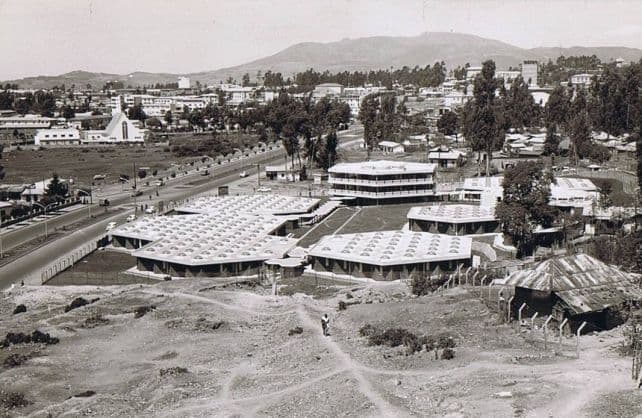
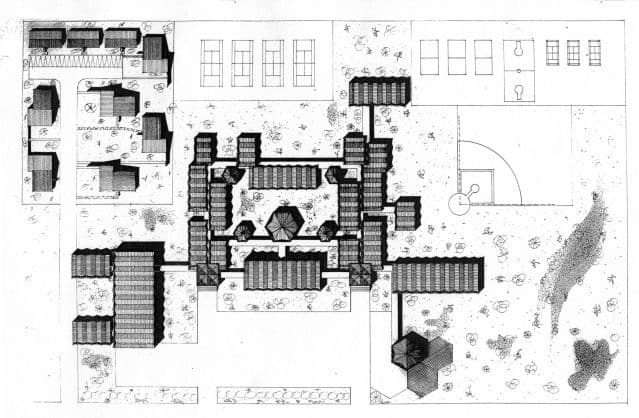
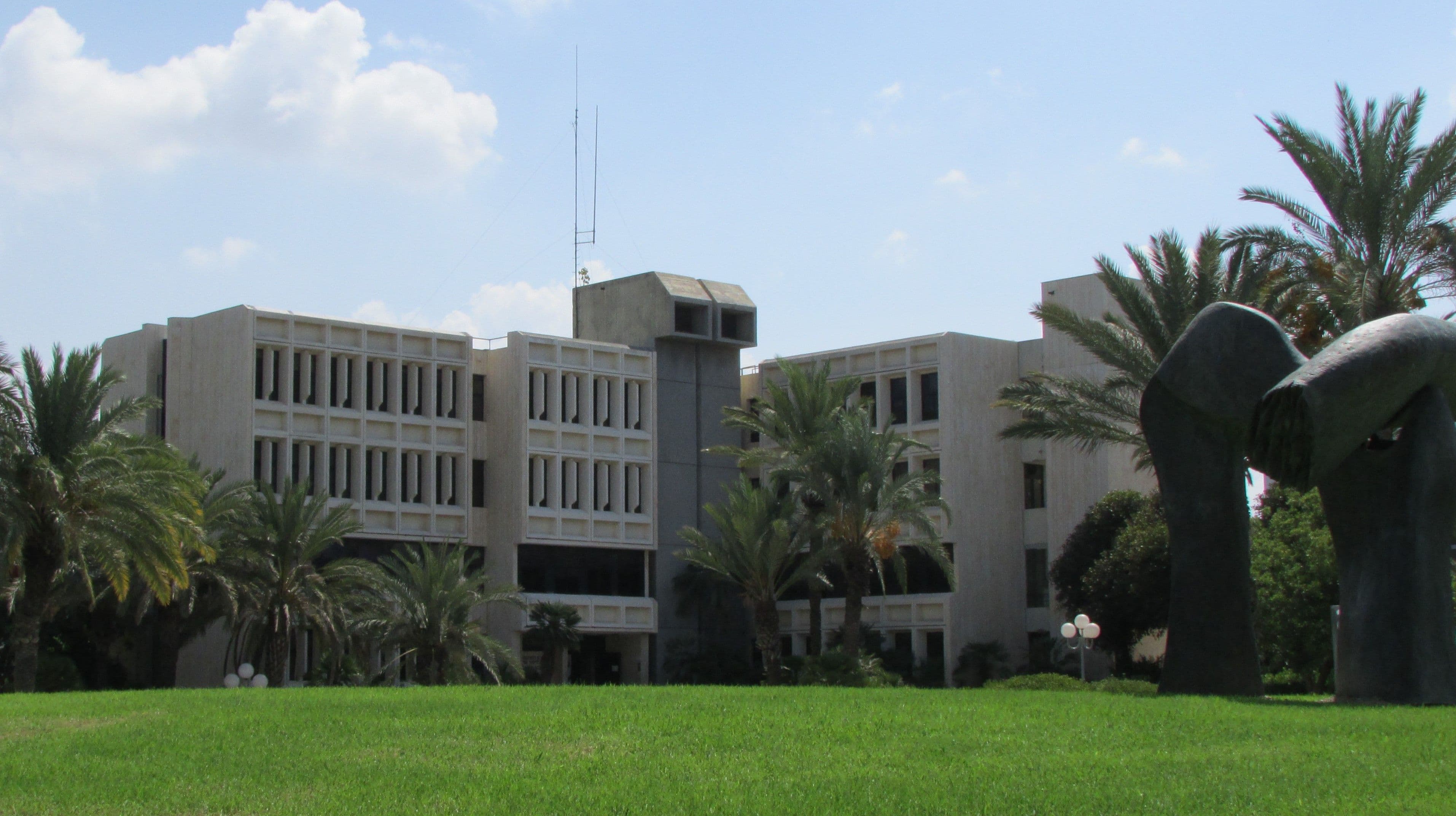
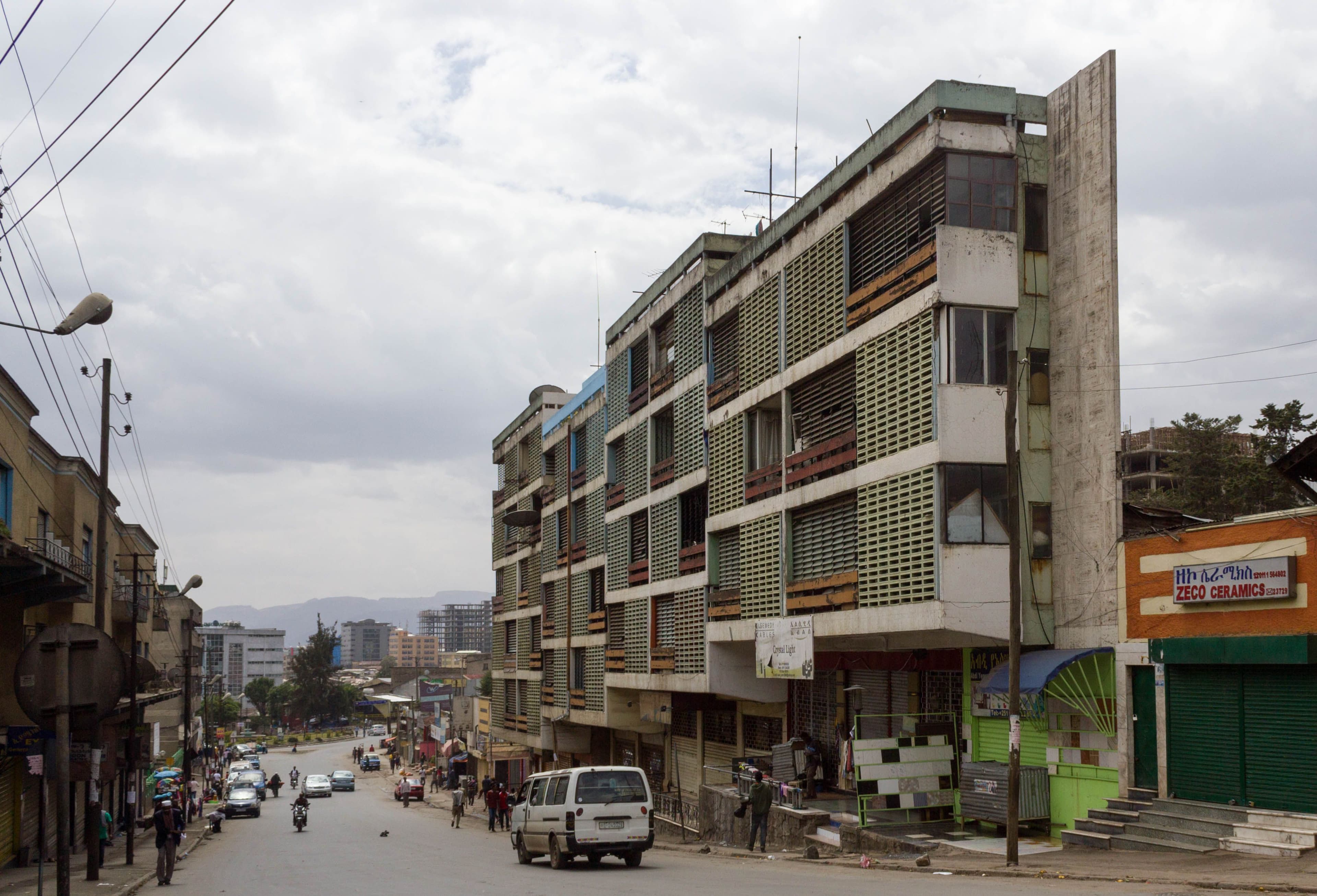
Zalman Enav was born in Tel Aviv and attended the Gymnasia Balfour, leaving at age 17, to join the Palmach, the elite forces of the Israeli underground army (Haganah). In March 1947, he was captured by the British Army, whilst assisting in the docking of the Shabtai Luzinsk, bringing Jewish immigrants illegally into the country. He was deported to Cyprus, remaining with the immigrant camps where he implemented leadership and weapons training programmes. He was returned to Palestine, but in October 1947 smuggled weapons, explosives, and communications equipment back into a camp near Larnaca, using tunnels and crawling under the barbed wire fencing. He subsequently worked to reorganise the camp inmates along the lines of a military hierarchy and was appointed Chief of Staff of camp. He fought in the 1948 Arab-Israeli War, serving for the Negev Brigade before being assigned to work with Mossad LeAliyah Bet. From 1950-54, Enav studied architecture at the Hebrew Institute of Technology, in Haifa (now the Technion), where he graduated with distinction. His first architectural work was in 1955, with Arie Lova Eliav (assistant head of the Jewish Agency of Israel settlement department), planning settlements in the Lachish and the Be’er Sheva regions. In the following year, Enav travelled to the UK joining the Architectural Association’s Department of Tropical Architecture post-graduate course, graduating in 1957. He then set off on a visit to Asmara, Eritrea, where his two brothers were managing a meat factory, partially owned by the Israeli government. It was here that Enav’s career developed, in parallel to the construction boom brought about by emperor Haile Selassie’s modernisation programme. Enav’s first commission was for housing apartments in Addis Ababa for Shalom Shelemay, a member of the Jewish diaspora. Enav partnered with an Ethiopia born, London trained, architect, Michael Tedros, and their practice rapidly became one of the most significant in Addis Ababa, winning important commissions and maintaining a close relationship with emperor Selassie. Amongst their most significant projects in Addis Ababa are the Folwoha Hotel and Baths (1965), the Ministry of Foreign Affairs (1962-64), the Ethiopian Mapping and Geography Institute (1964) and the American School (1965). They also contributed major buildings to the Haile Selassie University campus, their Arts Building and Classroom Building being completed in 1964 and 1965, respectively.
Alongside his practice, Enav also taught at the Ethiopian Engineering College and assisted in the development of the Architecture Department prior to its incorporation into the Haile Selassie University. Enav and Tedros were also closely involved in the formation of the Ethiopian Association of Architects and Engineers in 1963 and the establishment of their journal ‘Zede’.
In 1966, Enav returned to Israel, volunteering for the Central Brigade of the IDF and serving on the Central Front in the Six Day War and then, six years later, during the Yom Kippur War, serving in Sinai and engaged in drafting the withdrawal lines from Sinai, also participating in the Camp David Peace Talks of 1978. He was a founding member of the IDF Planning Division and subsequently gained work planning IDF military bases, working on Jewish settlements in the Palestinian Occupied Territories. He also worked on private villas, including a farmhouse in the Negev desert for the former Chief of Staff and Prime Minister, Ariel Sharon. During the 1980s and early 1990s, Enav also served as the Head of the Israel Export Institute, a centre for the export of technical services, heading up delegations to Thailand, Singapore, China, and Singapore.
Sources
- Architectural Association Student Register 1945-1972, AA Archives
- Architectural Association Diploma Roll Book, 1924-1963, AA Archives
- Department of Tropical Architecture, student listing, Otto Koenigsberger Collection, Box OK27, AA Archives
- Zalman Enav, ‘This is the Way it Was’ https://www.palyam.org/English/IS/Einav_Zalman.pdf Retrieved 6th February, 2025
- Levin, A. Exporting Zionism: Architectural Modernism in Israeli-African Technical Cooperation, 1958-1973. PhD thesis, Columbia University, 2015.
- Efrat, Z. ‘Proxy Colonialism: The Export of Israeli Architecture to Africa’ in African Modernism: The Architecture of Independence. Ghana, Senegal, Côte d'Ivoire, Kenya, Zambia eds. Manuel Herz, Ingrid Schröder, Hans Focketyn, Julia Jamrozik, Park Press, 2022.