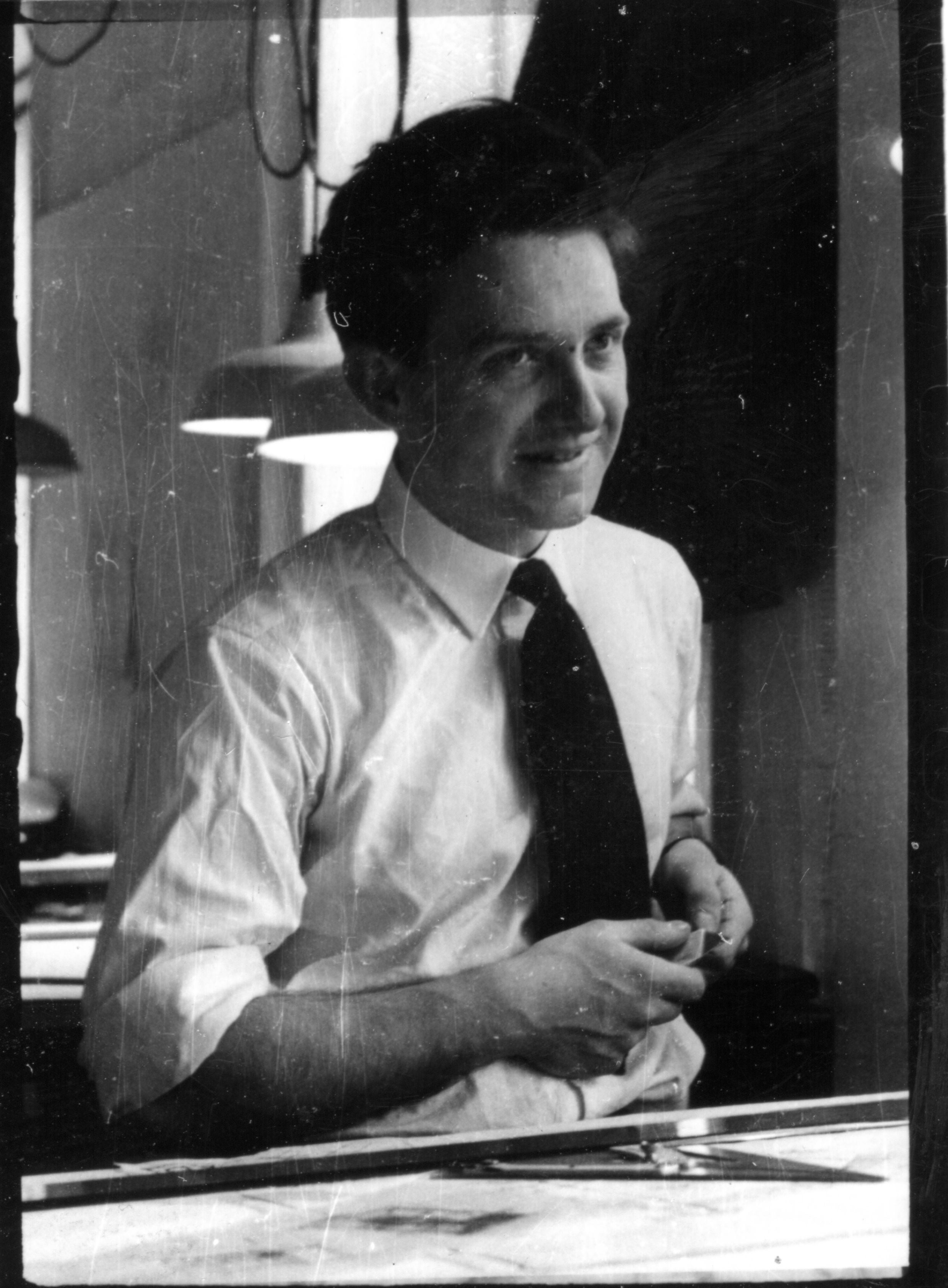
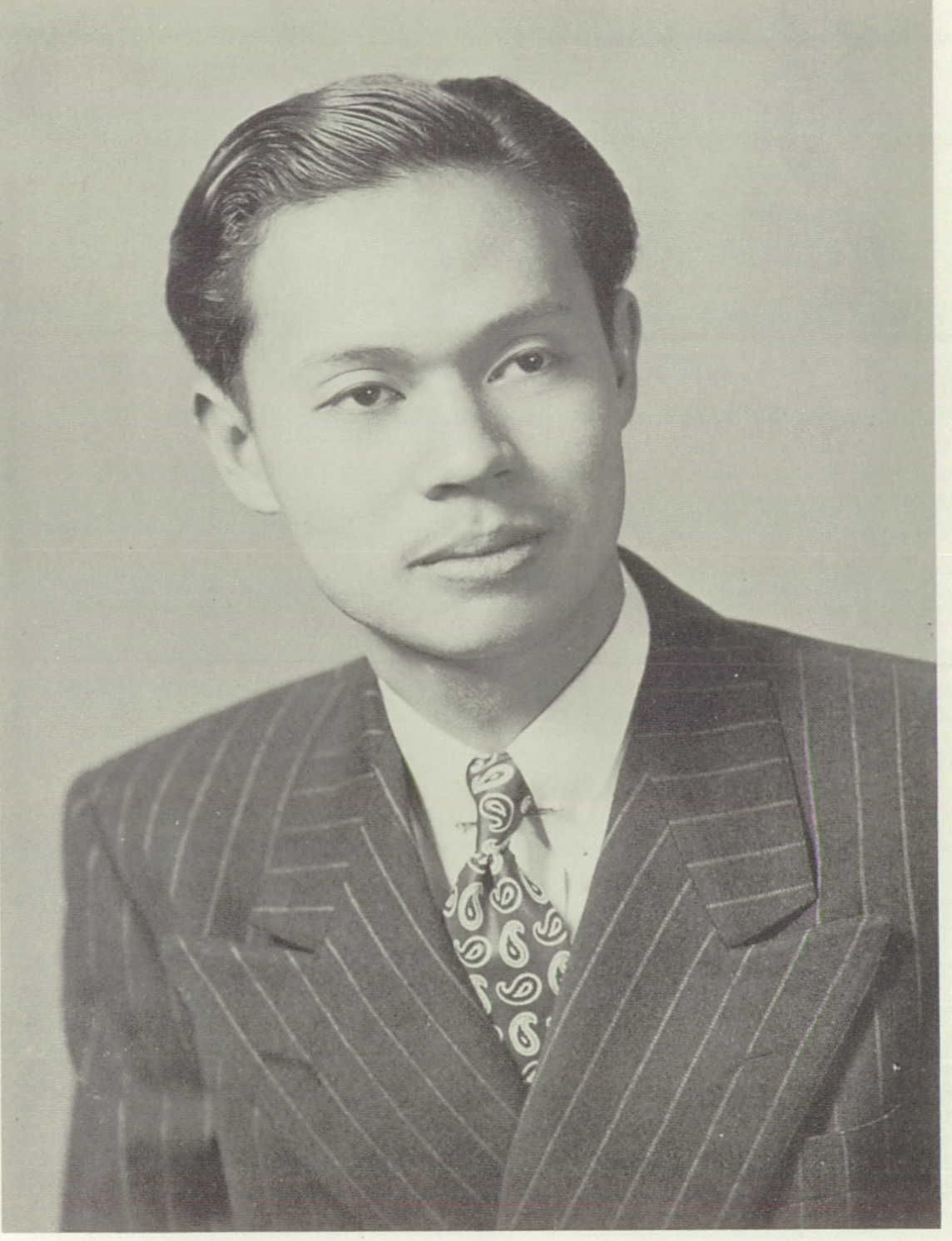
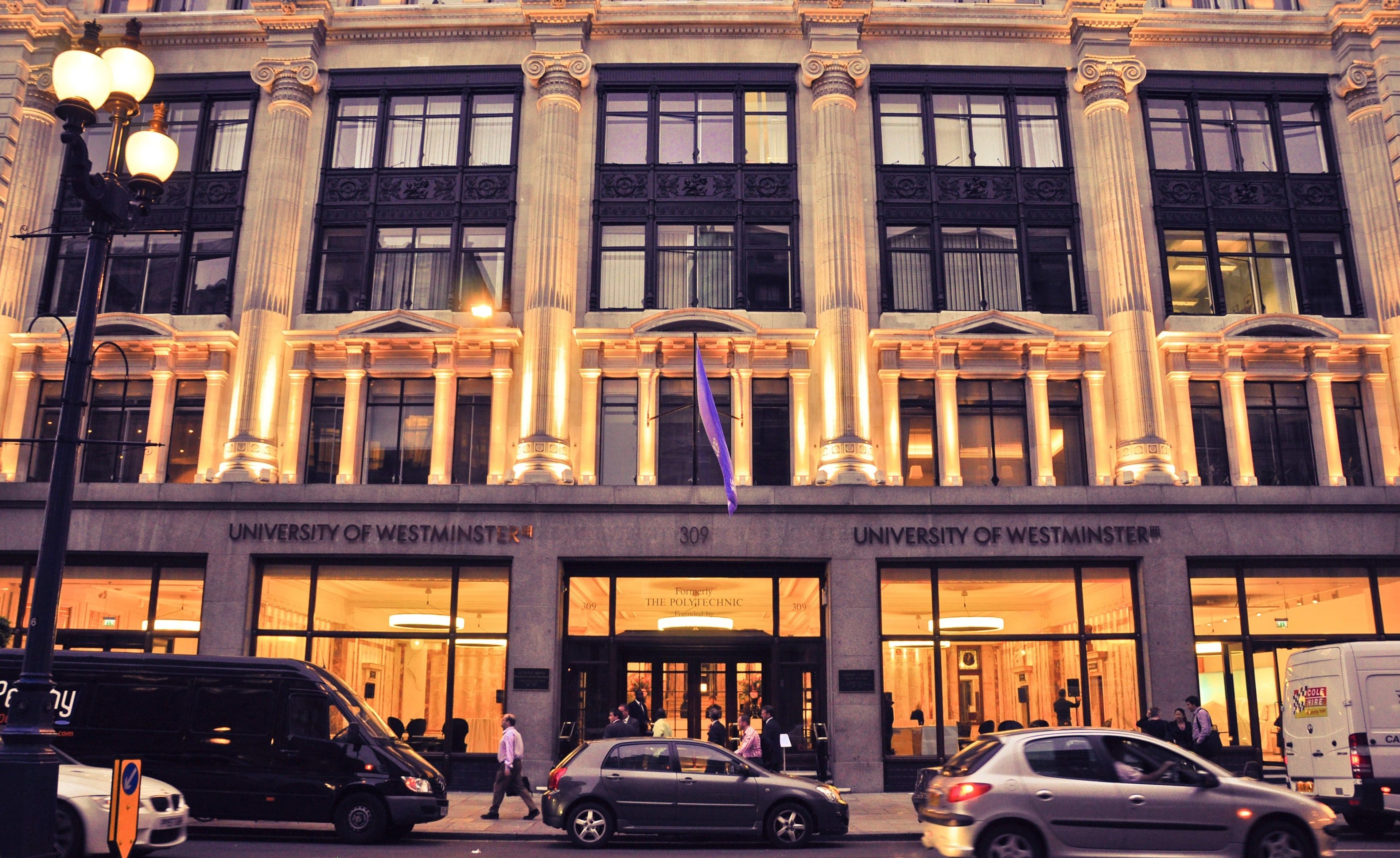
Alan Richards was born 1925, in Maidenhead, UK, and studied architecture at the Regents’ Street Polytechnic, London, graduating with a Diploma in 1950. By 1952 he had joined the newly formed Iraqi Development Board and was working in Baghdad and Northern Iraq. In 1954 he returned to the London and enrolled at the Architectural Association, as a postgraduate student within the inaugural year of the AA’s Department of Tropical Architecture. Upon completion of the course, Richards was employed in the Lagos office of Architect’s Co-Partnership (ACP) in 1956, briefly working in their London office in 1957 (on St. Anne’s college, Oxford), before returning again to their Lagos branch, where he worked on projects including Bristol Hotel and housing projects for a number of petroleum companies. Richards stayed with the firm until 1961, when they pulled out of the country, following Nigerian independence. Richards bought out the remaining ACP assets and business interests and set up his own practice, in the name of Vaughan-Richards Associates (he had married Gladys Ayo Vaughan, the daughter of an influential Lagos family) based in Lagos. He built his own family home in Ikoyi, a remarkable structure comprising five interconnected, circular spaces formed from concrete, merging traditional West African forms with modern technologies and principles. Vaughan-Richards took Nigerian citizenship and was also a co-founder and editor, in the early 1960s, of the West African Builder and Architect, the first architecture journal of the region. A significant proportion of his work were private houses, for individual clients, such as the Olaoluwakitan cottage, Awolowo Road (c1965), but he also designed at a larger scale, master planning the University of Lagos campus, for instance, where he also contributed his own Jaja Hall, designed c1970. In 1971, the practice merged with Roye Ibru and Co. to form Ibru Vaughan-Richards and Associates.
Sources
- Architectural Association Student Register 1945-1972, AA Archives
- Architectural Association Diploma Roll Book, 1924-1963, AA Archives
- Department of Tropical Architecture, student listing, Otto Koenigsberger Collection, Box OK27, AA Archives
- Le Roux, H. ‘Modern Architecture in Post-Colonial Ghana and Nigeria’, Architectural History, 2004, Vol. 47 (2004), pp. 361-392
- Uduku, N. ‘The Alan Vaughan-Richards Archive: recovering tropical modernism in
- Lagos’ in The Routledge International Handbook of New Digital Practices in Galleries, Libraries,
- Archives, Museums and Heritage Sites. Routledge, 2019.