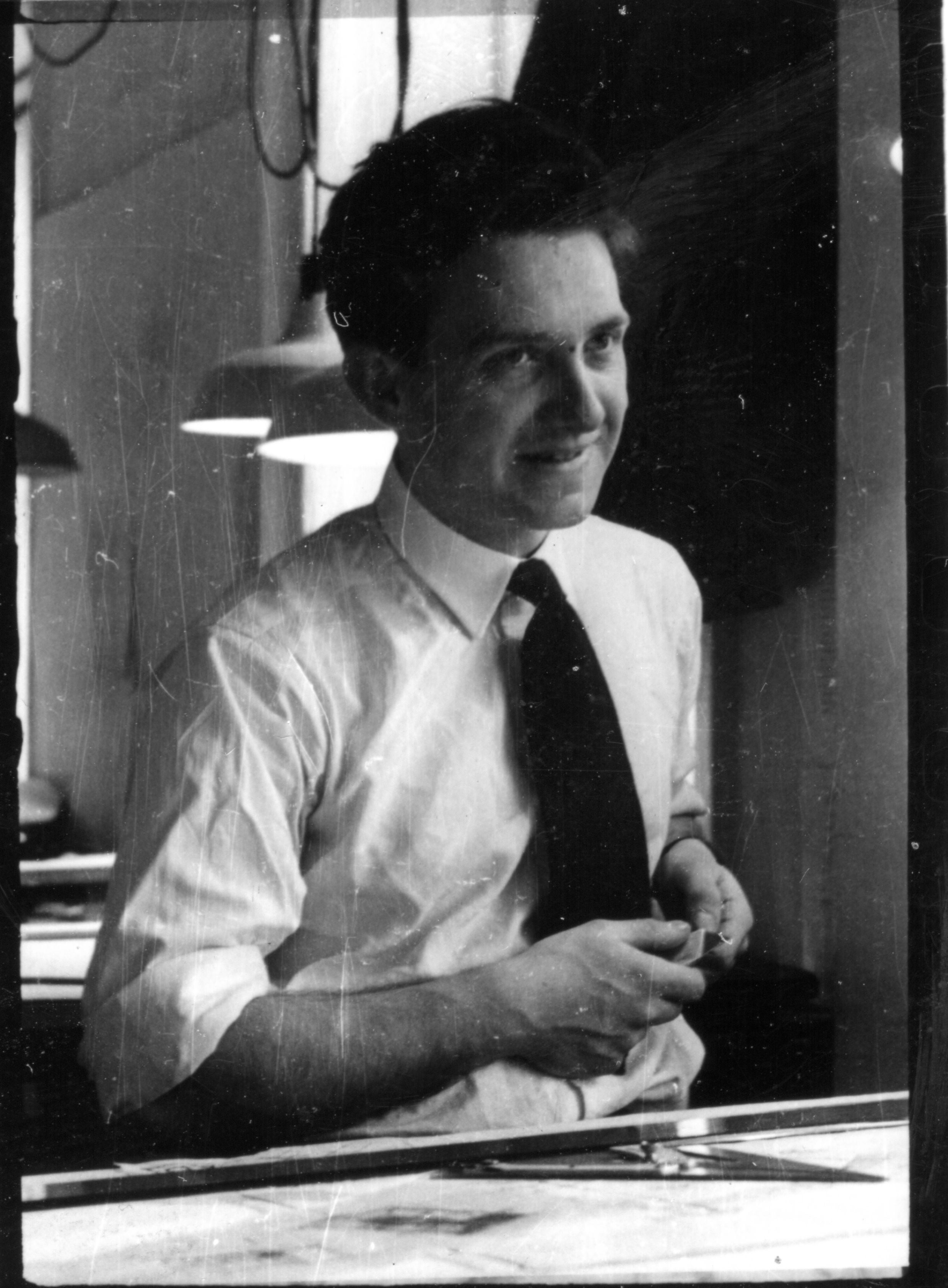
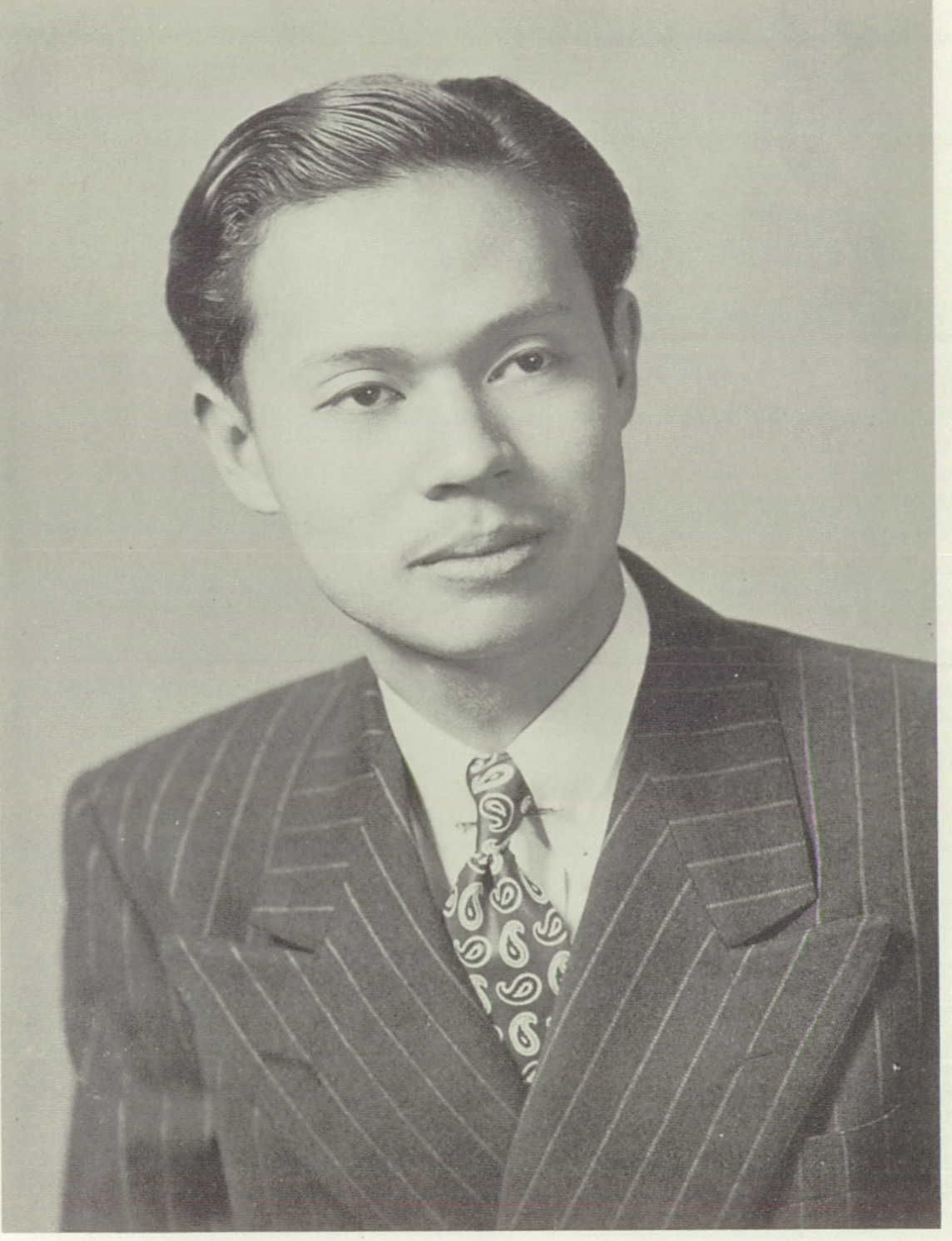
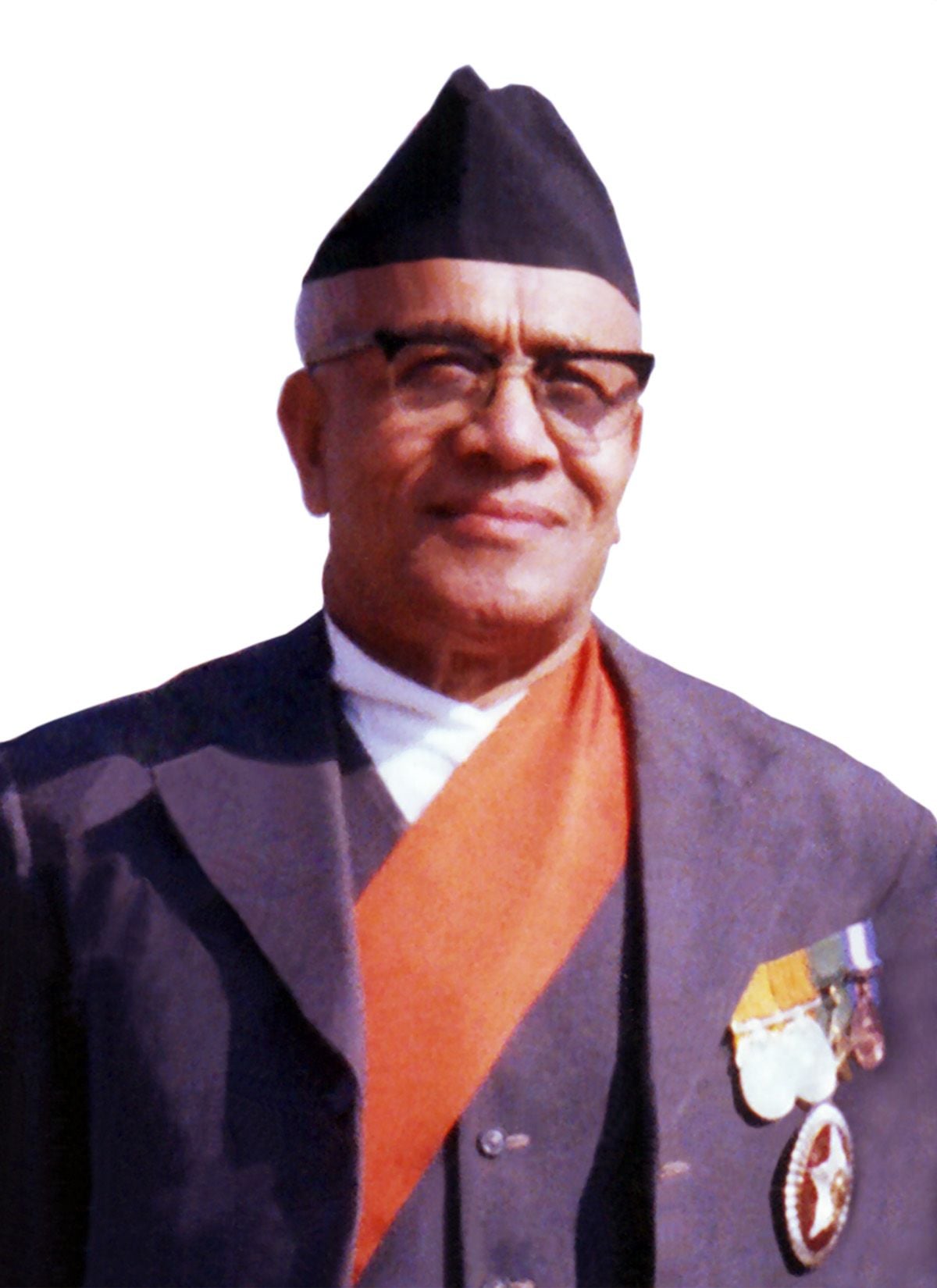
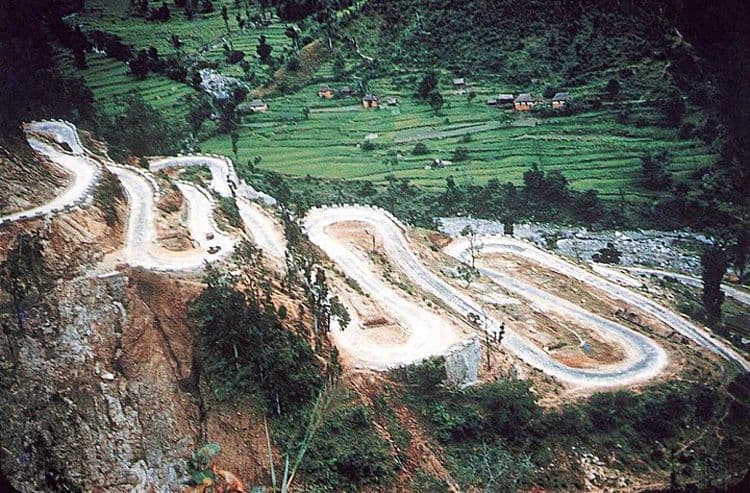
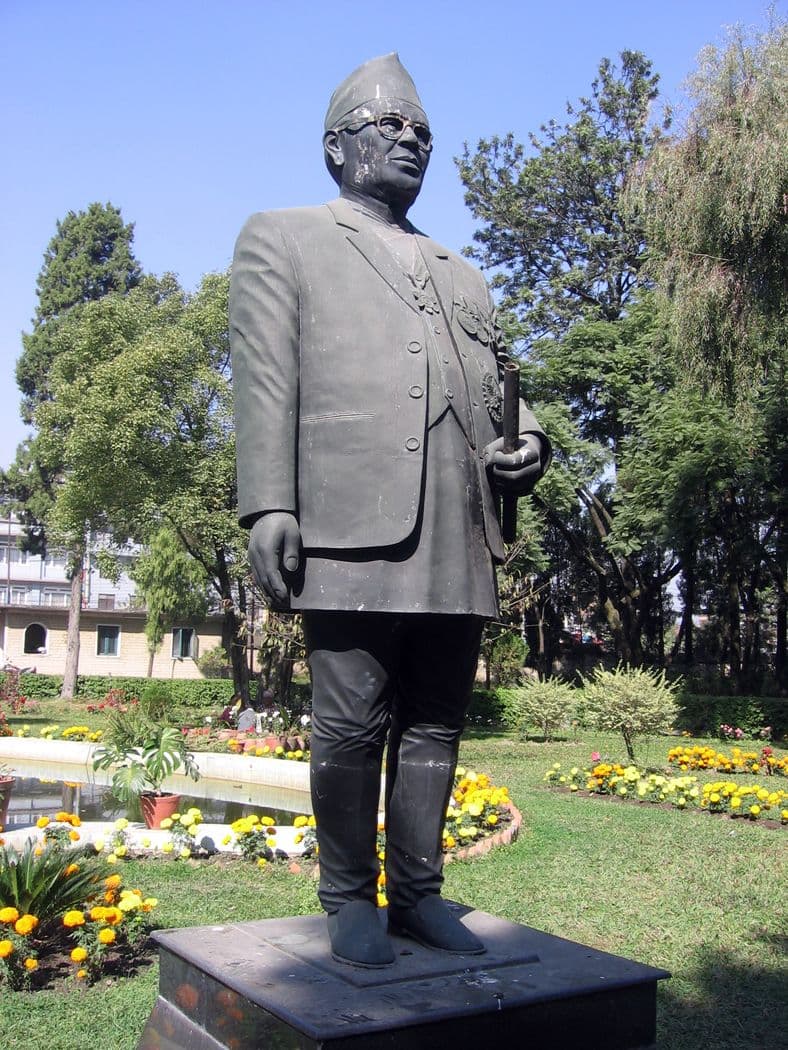
Kul Ratna Tuladhar was born in the Asan area of Kathmandu, Nepal, in 1918 and attended the prestigious Durbar High School, until 1935, gaining an Intermediate of Science from Tri-Chandra College, Kathmandu, in 1937. He subsequently gained a Bachelors degree in Engineering from the University of Calcutta in 1941. On his return to Nepal, in the 1940s, Tuladhar was appointed the Head of the Engineering Section, at the Technical Training School, Thapathali, and in 1951 was appointed Nepal’s first ever Chief Engineer for the Public Works Department, a key position in Nepal’s modernising drive of the 1950s, with a responsibility for developing road and bridge infrastructure. It was under Tuladhar’s leadership that the Tribhuvan Highway was constructed (1956) - Nepal’s first highway, connecting Kathmandu to the border with India. In September 1954, Tuladhar took sabbatical leave and enrolled in the inaugural year of the Department of Tropical Architecture, at the Architectural Association, London. Upon completion of the course, he returned to Nepal and continued his role as Chief Engineer (until 1957) and his position of Executive Member of the Nepal Council of World Affairs. Tuladhar was also a pioneering figure in Nepalese education and was appointed Principal of the Nepal Engineering Institute, in Pulchowk, Lalitpur, in 1962, and was the founding Dean of the Institute of Engineering, at Tribhuvan University, Kathmandu, from 1973, where a life-sized statue to him still stands today.
Sources
- Architectural Association Student Register 1945-1972, AA Archives
- Department of Tropical Architecture, student listing, Otto Koenigsberger Collection, Box OK27, AA Archives
- Translations on South and East Asia, Department of Commerce, United States of America, Volume 256, 1970, p22
- Ministry of Physical Planning and Works: Department of Roads, ‘Background’, Government of Nepal, 2011. Accessed, 2nd January, 2025: https://web.archive.org/web/20110902151811/http://www.dor.gov.np/about_dor.php