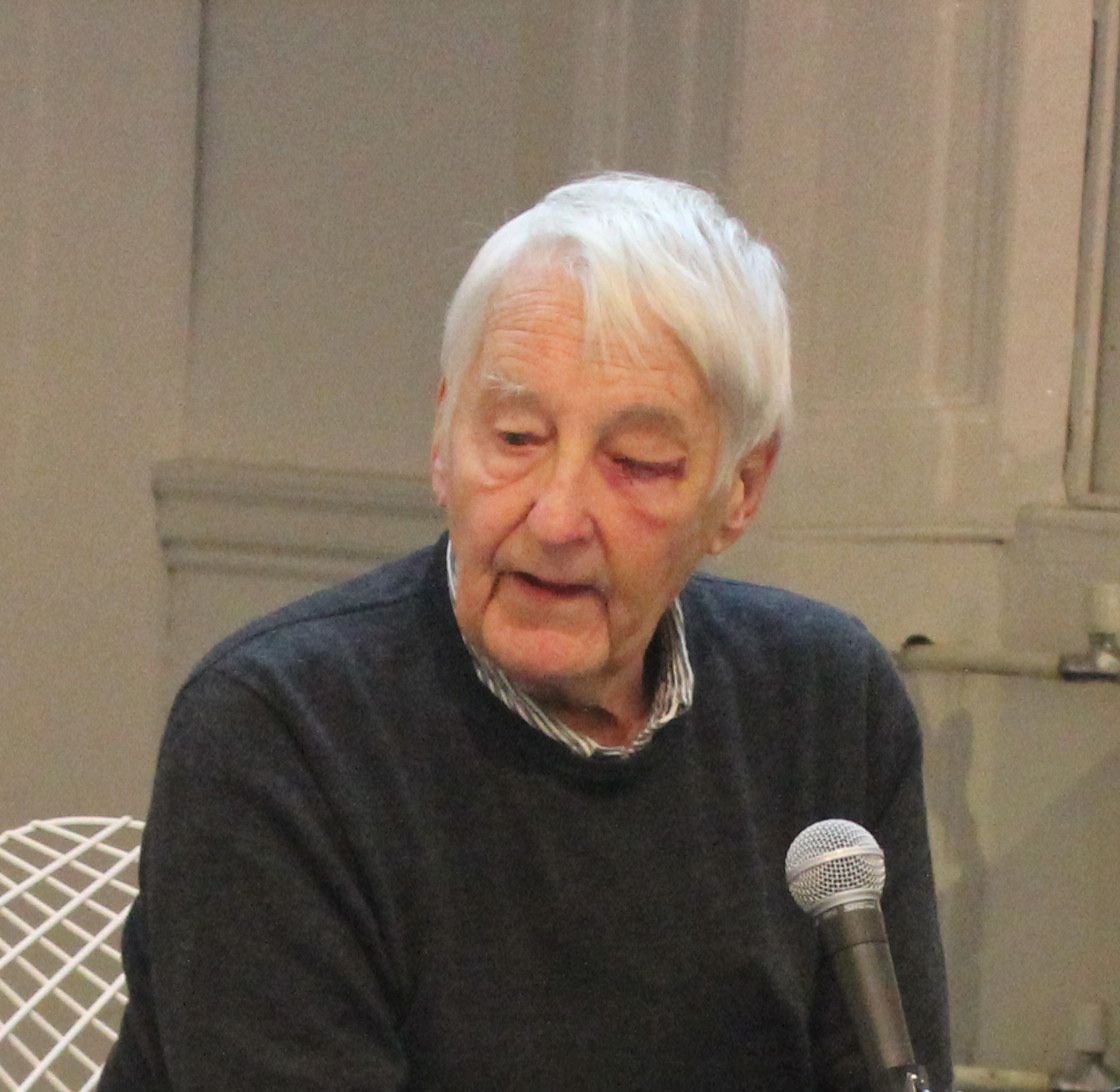
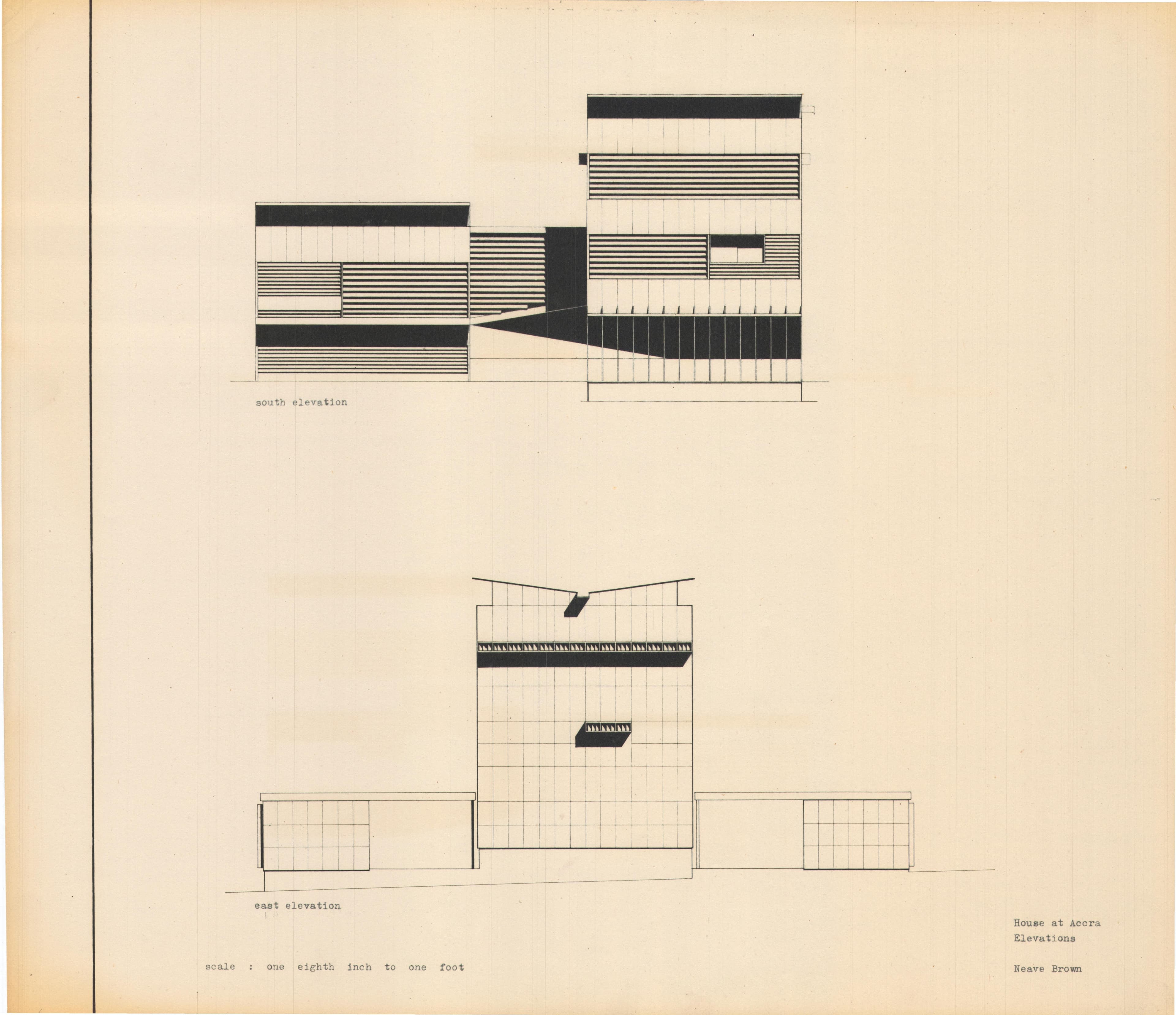
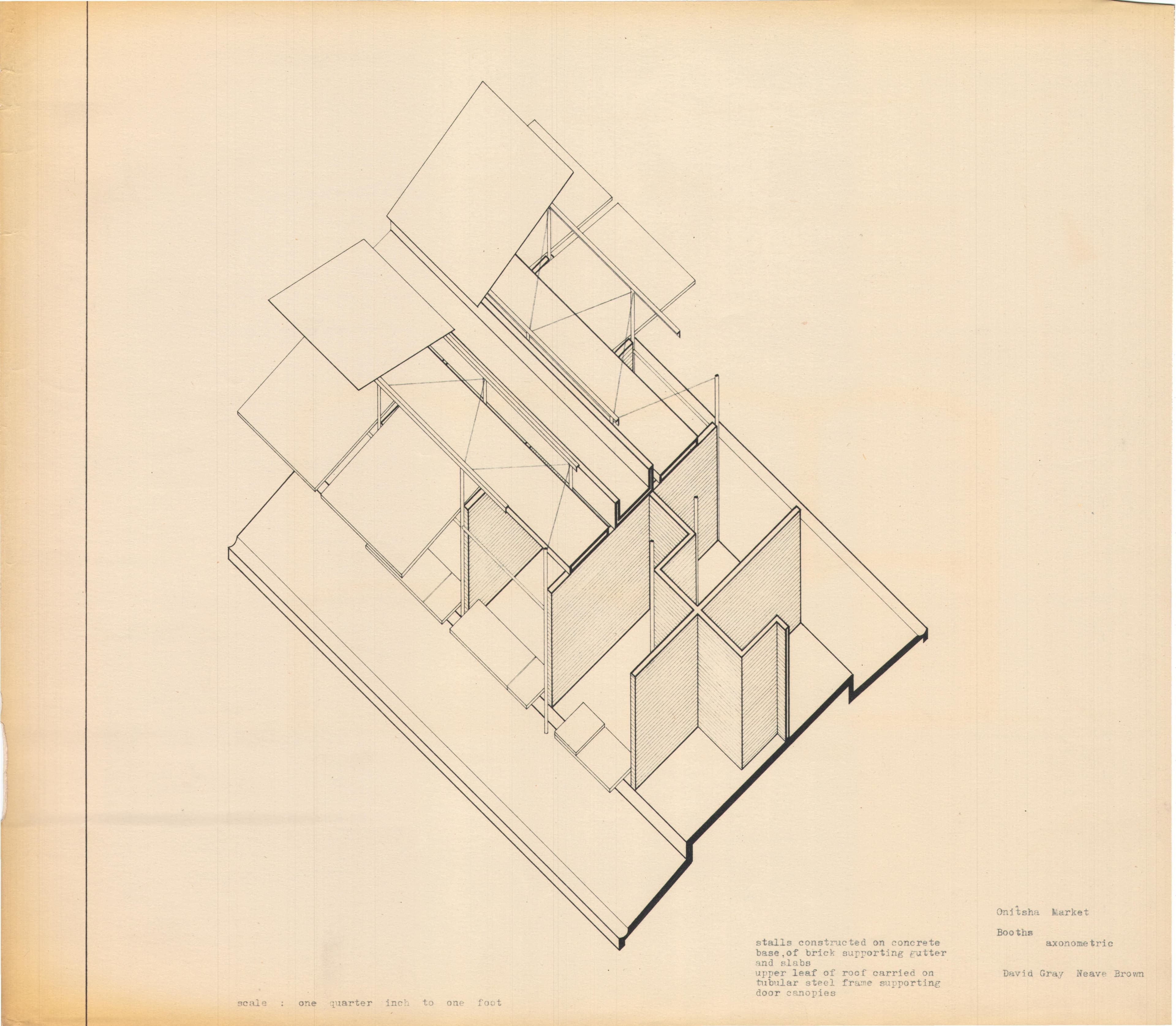
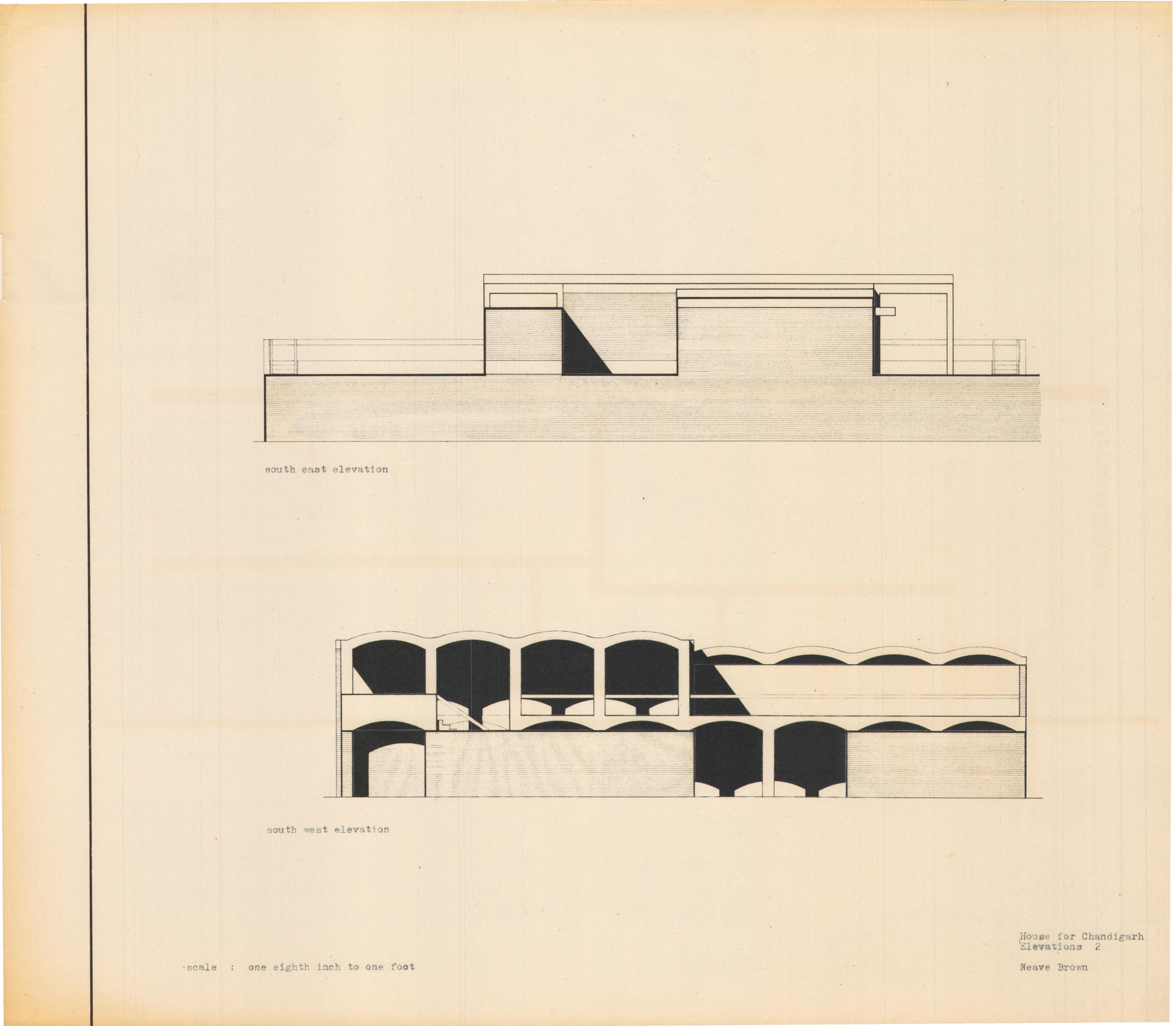
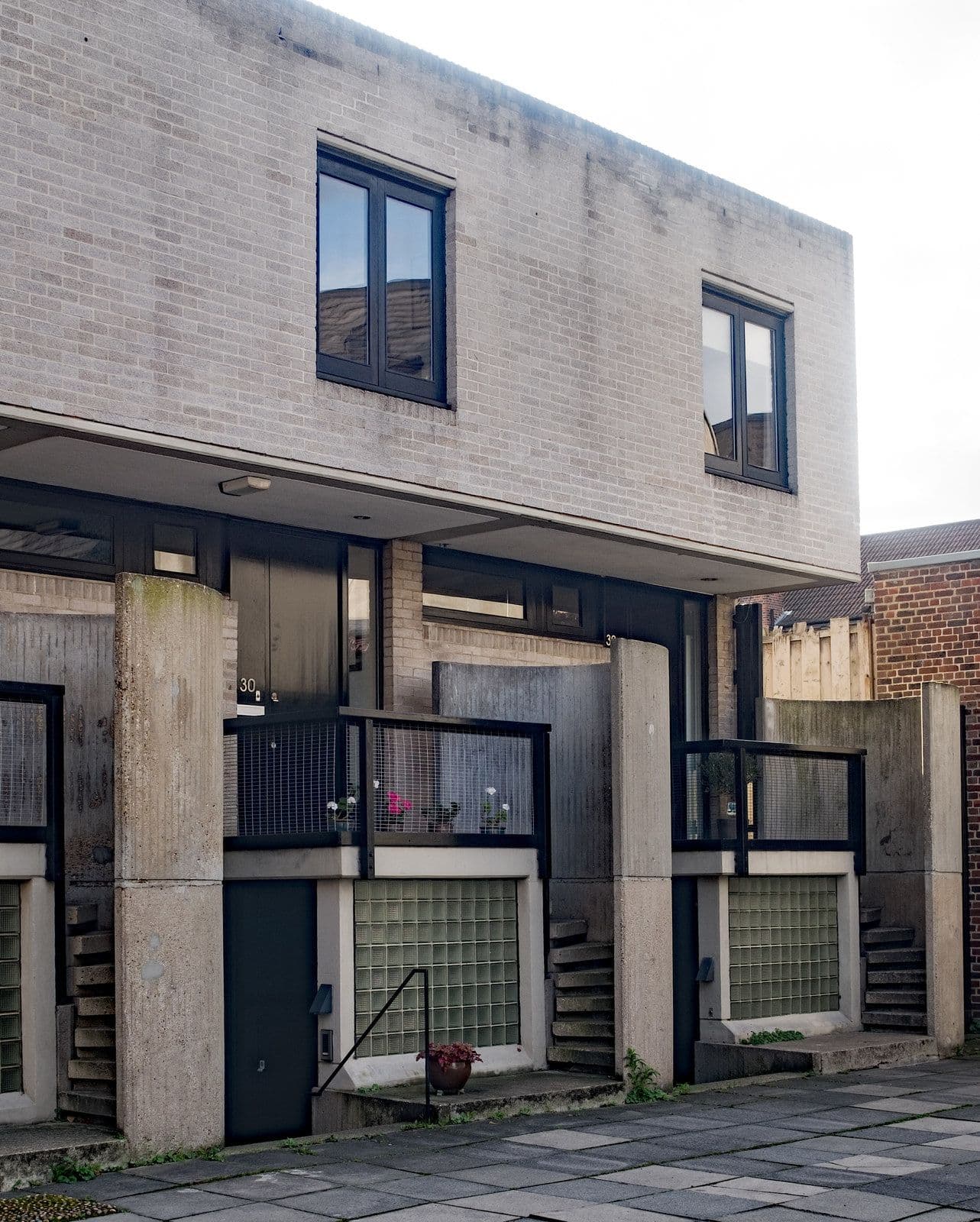
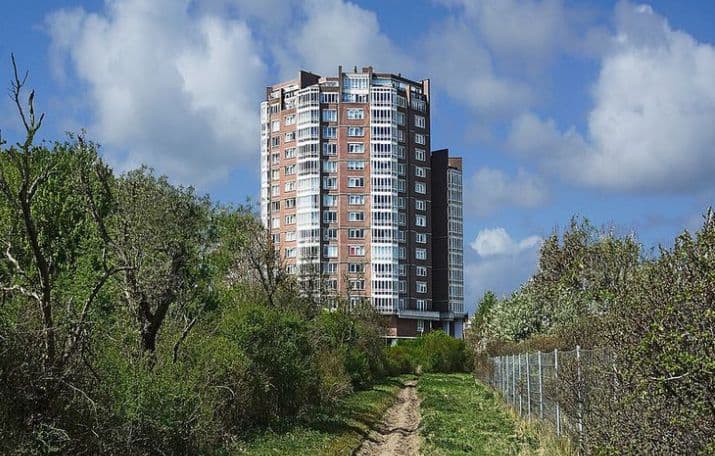
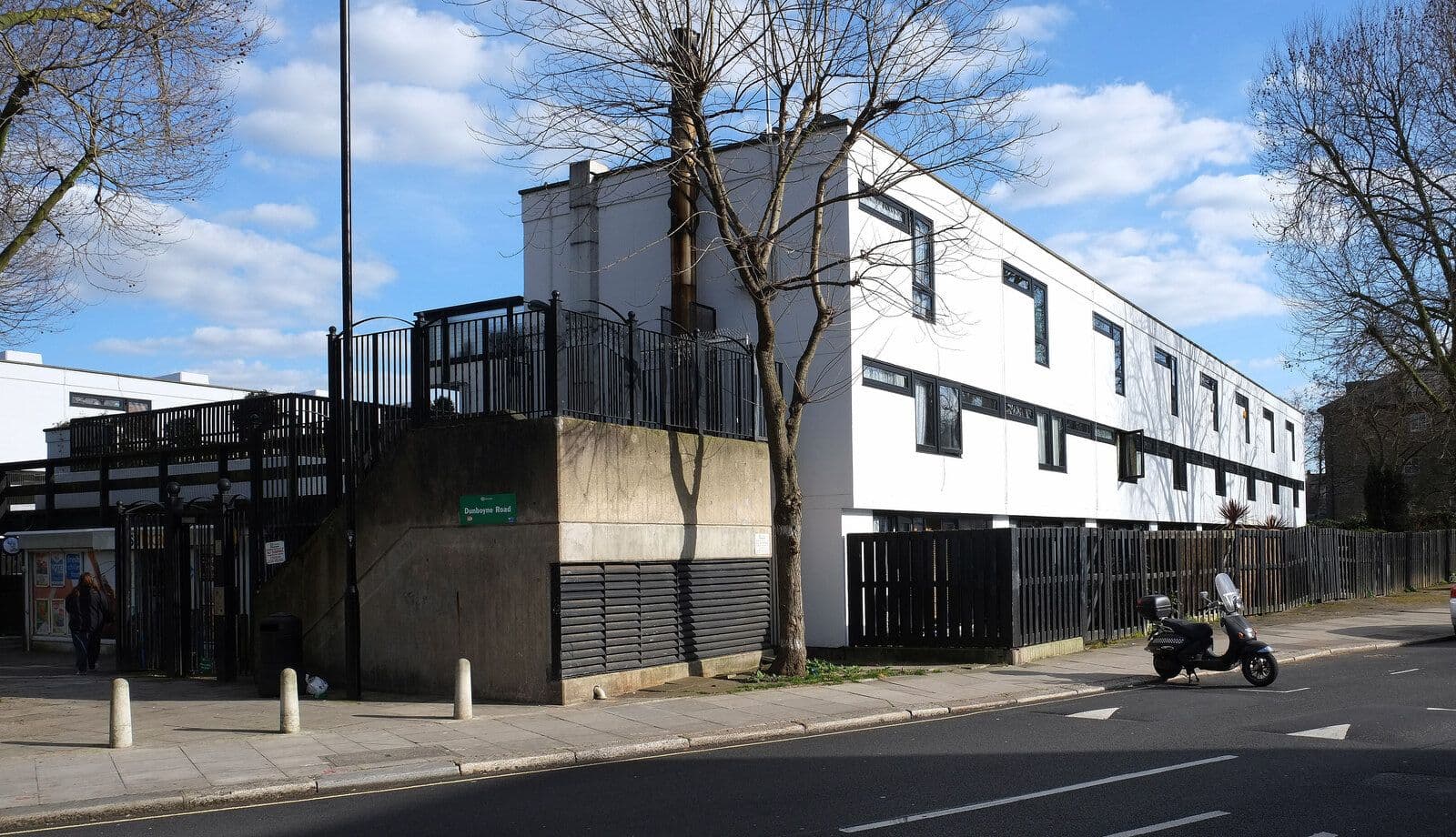
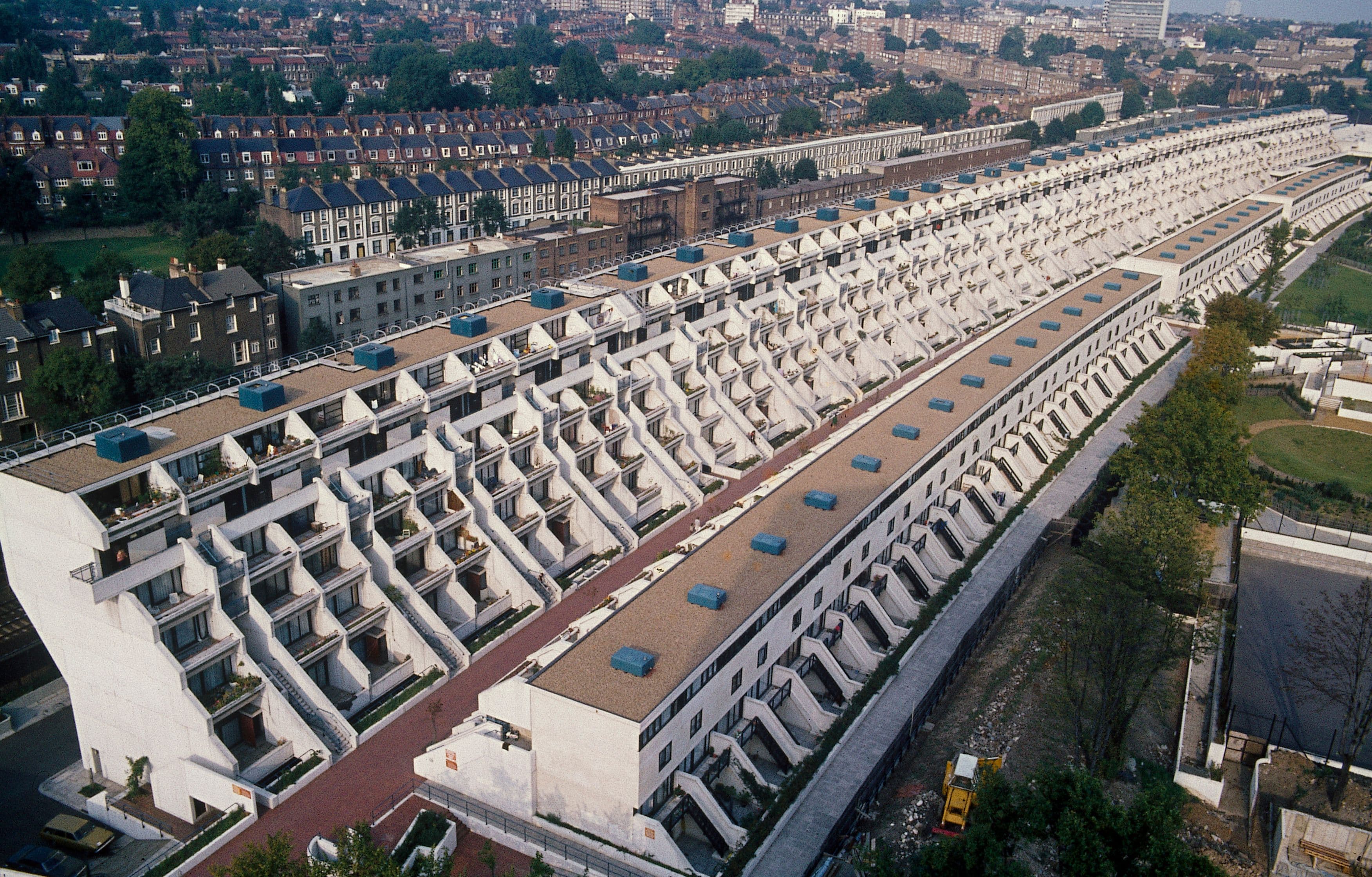
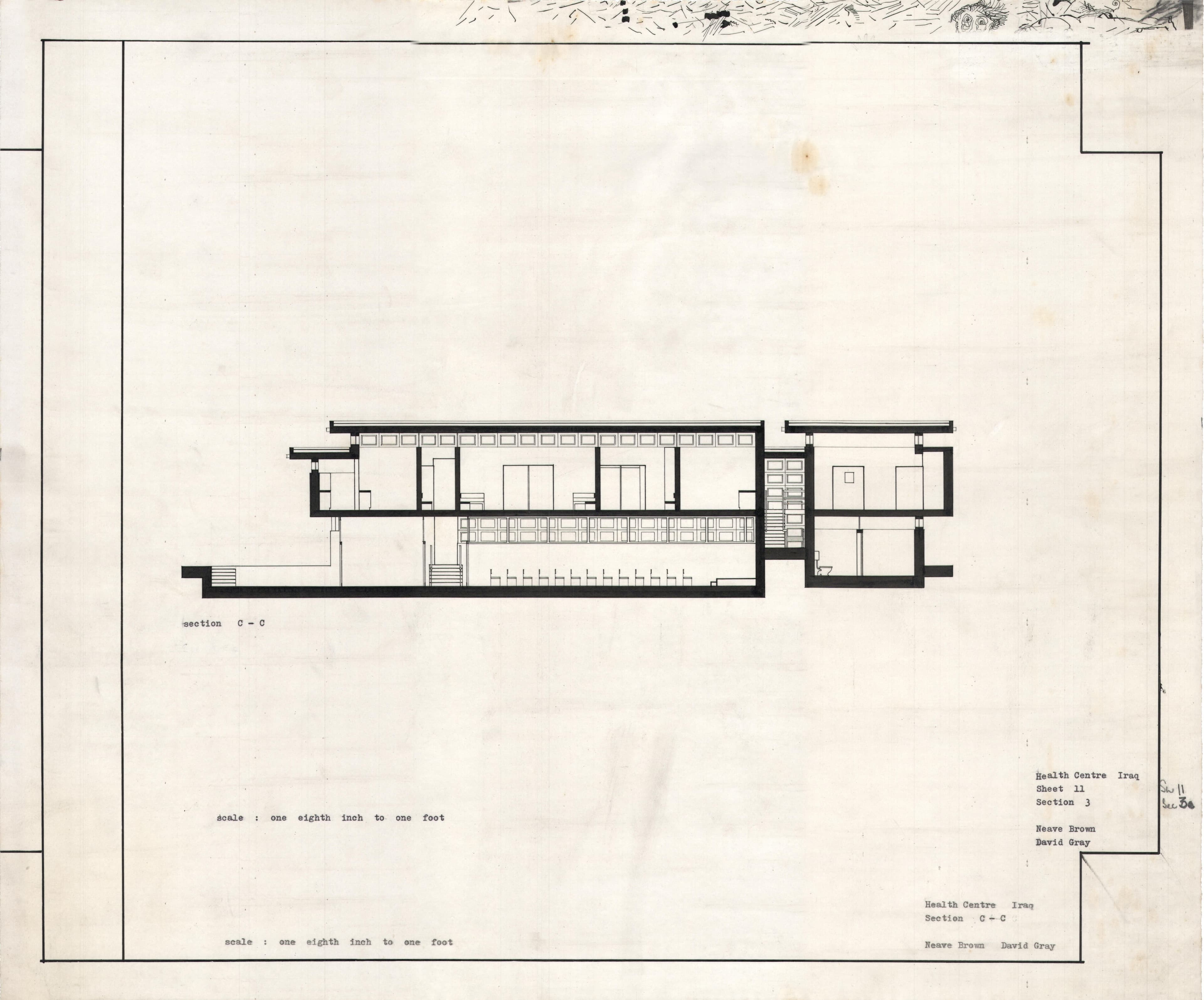
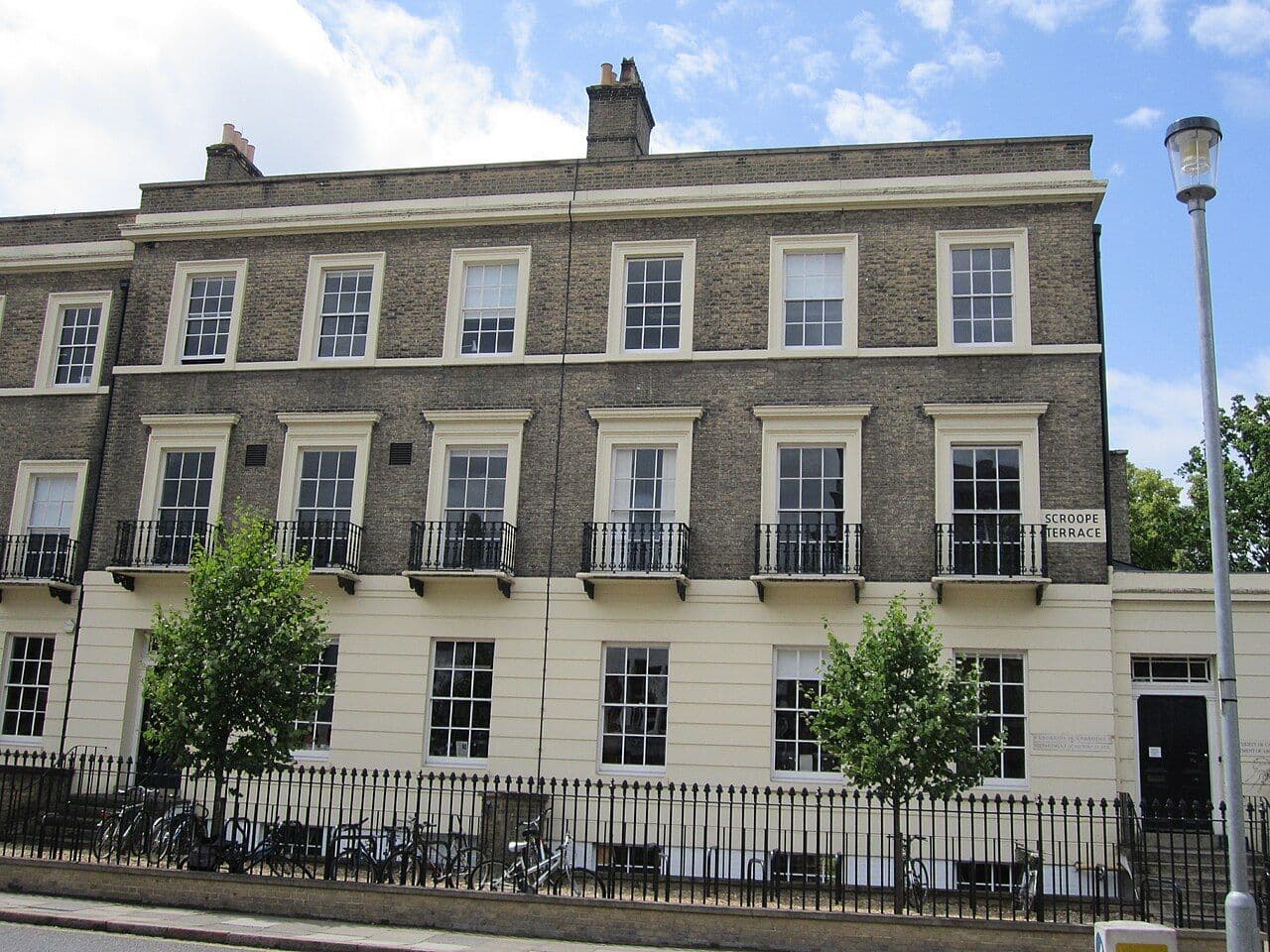
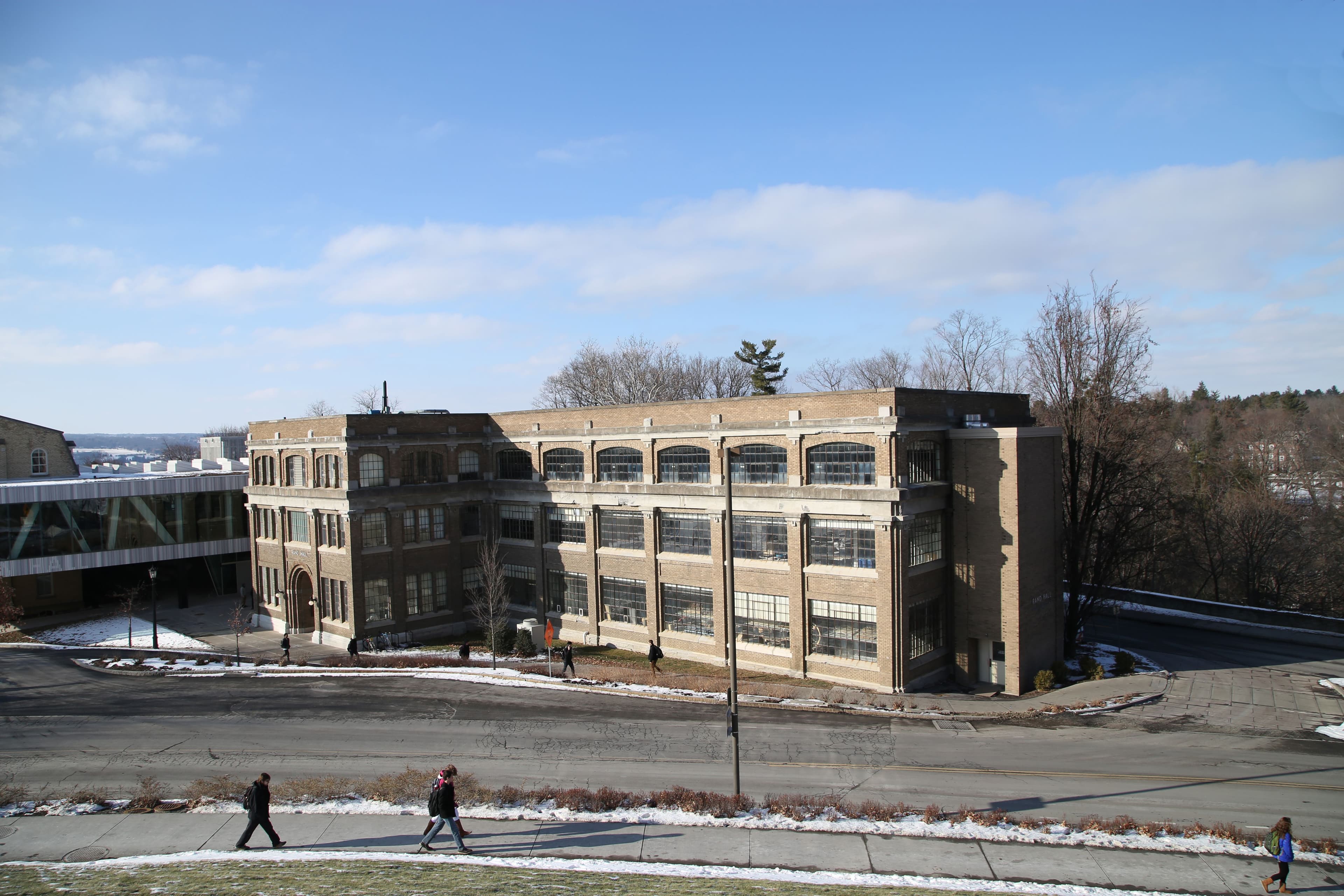
Born in Utica, New York, Neave Brown was educated at Bronxville High School, New York, from 1939-45 and then in the UK, at Marlborough College, from 1945-48. Whilst undertaking compulsory National Service, Brown decided to study architecture and enrolled at the Architectural Association, London, in 1950. As part of his final year’s studies, in 1954-55, Brown joined the first cohort of the newly formed AA Department of Tropical Architecture. Immediately after graduating, he began work on a commission for a private house in Tanzania, gained through family connections. When this project fell through, Brown joined the London practice of Lyons Israel Ellis, where he worked for 3 years before briefly joining the Architects’ Department of Middlesex county council. Through the early 1960s, Neave combined work for his own practice with teaching at the AA, Cambridge University and Cornell University. In 1966 he completed a set of five houses, in Winscombe Street, Dartmouth Park, London - for which he had formed a housing co-operative society (named Pentad) with architect and artist friends, including other AA graduates, Ed Jones, Patty Hopkins and Michael Hopkins. In the same year, Brown was hired by Sydney Cook to work in the Architect’s Department of Camden Council, where his first scheme was for a low-rise estate comprising 72 houses at Fleet Road (now Dunboyne Road). This project was followed by a much larger scale scheme at Alexandra Road, comprising 522 apartments arranged in three parallel blocks on a crescent shaped site (designed 1967-69, completed 1978). With the Conservative government’s reaction against the welfare state in the 1980s and 1990s, Brown’s reputation and career suffered and he abandoned working in the UK - his subsequent projects being entirely on mainland Europe. Most celebrated of his later work are housing schemes at Zwolsestraat Development, Scheveningen (1994), with David Porter, and Smalle Haven, Eindhoven, in the Netherlands (2002). In the UK, recognition came in Neave’s final years and he was widely appreciated as the architect of some of the finest housing projects in the UK in the latter half of the 20thC. In 2017 was awarded the Royal Gold Medal of the Royal Institute of British Architects.
Sources:
- Architectural Association Student Register 1945-1972, AA Archives
- Architectural Association Diploma Roll Book, 1924-1963, AA Archives
- Department of Tropical Architecture, student listing, Otto Koenigsberger Collection, Box OK27, AA Archives
- Swenarton, Mark. Cook's Camden: The Making of Modern Housing. Lund Humphries, 2017