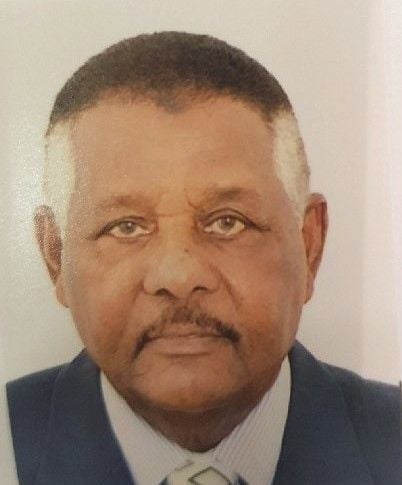
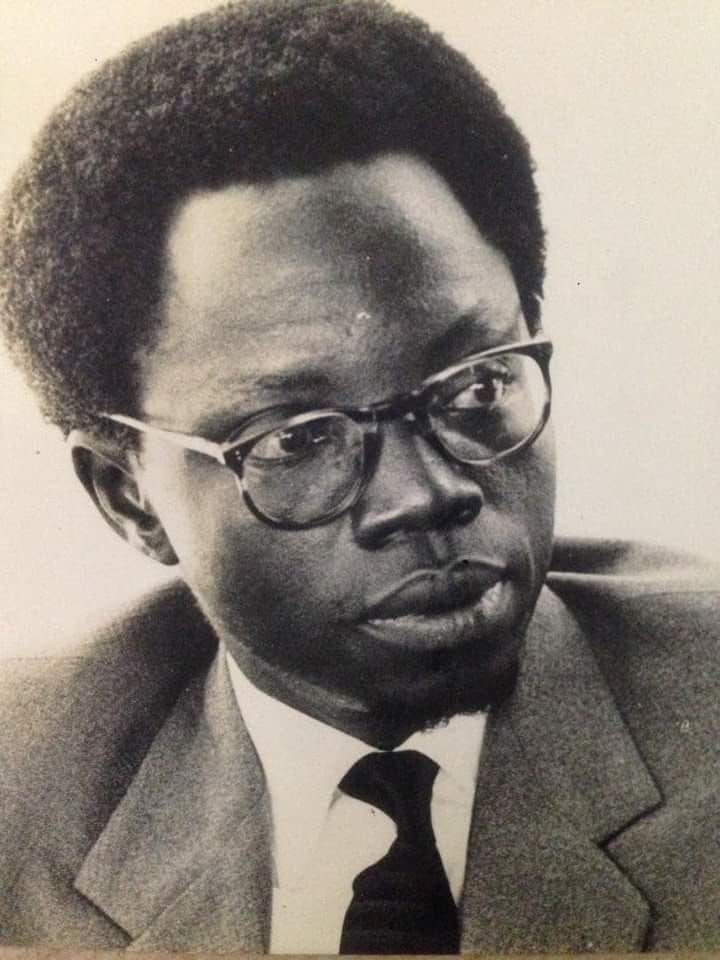
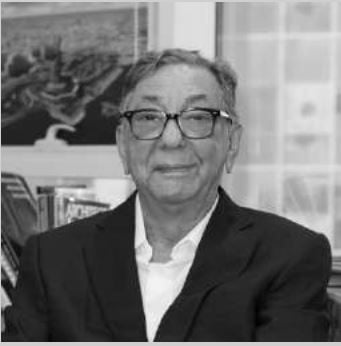
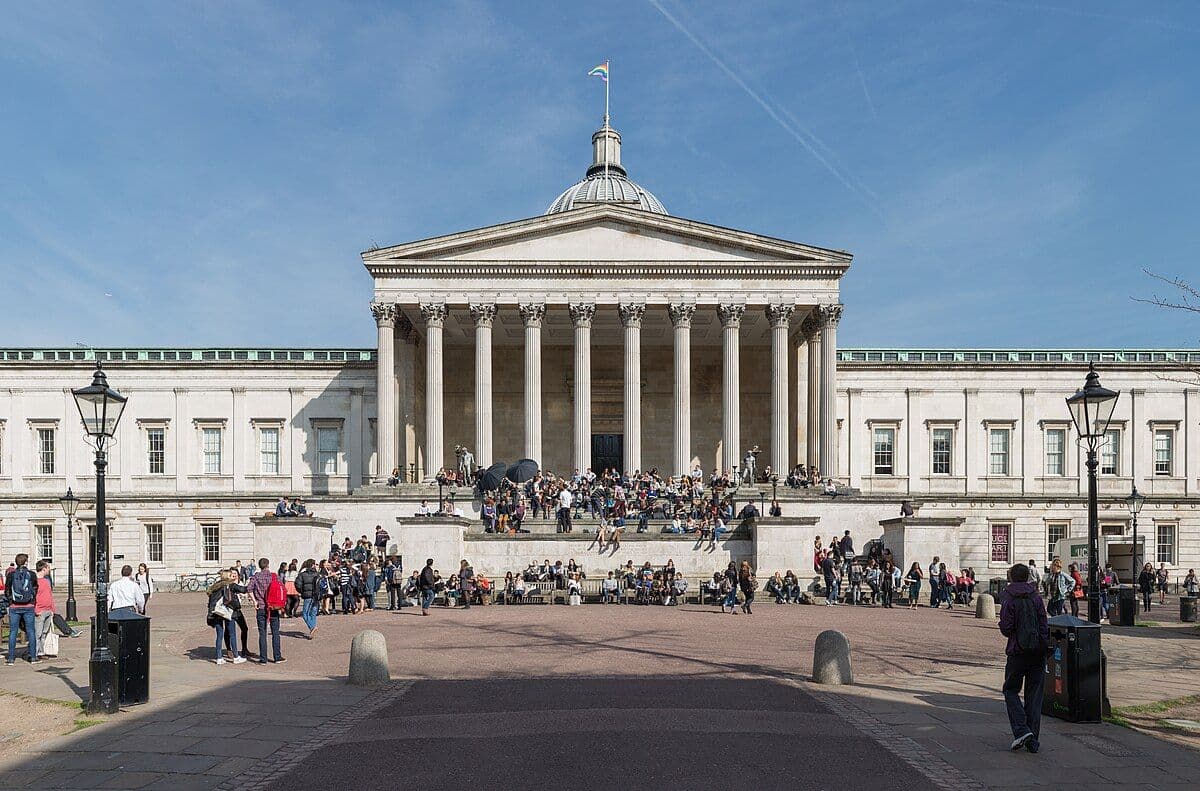
Dr. Subhi Hussein Al-Azzawi was born in Baghdad, Iraq, in 1941, where he grew up within a family of Usta Mi’mari (master builders). A remarkable twelve members of his family practiced as master builders over three generations since 1875, including his father and both his grandfathers. He received his architectural education at the Architectural Association (AA) in London from 1962 to 1968 and studied within the Department of Tropical Architecture in his final year, initiating a career-defining research focus on the courtyard houses of Baghdad. Following graduation, Al-Azzawi worked at the AA-affiliated Tropical Advisory Service, led by Otto Koenigsberger, where he contributed to climate-based planning studies for developing countries and edited, illustrated, and co-authored a seminal book titled “Climate and House Design” alongside Koenigsberger and Martin Evans, which was later published by the United Nations in 1971. In 1969, he was appointed climatic design consultant for Alison and Peter Smithson’s redevelopment of Kuwait’s old city, advising on passive cooling strategies that shaped the Smithsons’ Mat-Building proposal. Later that year, Al-Azzawi embarked on part-time doctoral research at the Bartlett School of Architecture and Planning, University College London, where he continued pursuing research into Baghdad’s domestic architecture. He undertook extensive fieldwork from 1971–72 to conduct comparative studies measuring micro-climates and thermal conditions in traditional courtyard houses and modern non-courtyard houses in Baghdad. In 1976, his research was published in the book Shelter and Society (ed. Paul Oliver) in his chapter “Oriental Houses in Iraq”. After a hiatus during the late 1970s, he completed his Ph.D in 1984 - his thesis was notably original enough that he was exempted from the viva voce examination. Al-Azzawi practised architecture throughout and following his doctoral studies, primarily in the United Kingdom where he was a registered architect. In London, he worked for eight years as a Project Architect in the Department of Architecture and Civic Design of the Greater London Council, and went on to serve for thirteen years as a Senior Architect in Building Design for Haringey Council. In parallel, Al-Azzawi also acted as a consultant on several major planning projects in the Middle East and Africa. In addition to his work with the Smithson’s team for the Kuwait Old City Masterplan, he also consulted for the King Khalid Military City in Saudi Arabia with Brown, Daltas Associates, and for the Erbil Citadel Revitalization in Iraq with Iraq Consult under renowned architect Rifat Chadirji, and London-based consultants Colin Buchanan & Partners. From the mid-1980s onwards, Al-Azzawi became increasingly involved in higher education. In 1987, he was appointed a Visiting Fellow at the Aga Khan Program for Islamic Architecture (a joint program at Harvard University and the Massachusetts Institute of Technology) during which he delivered a series of lectures titled “Design with Climate and Culture”. He would later expand this into a course at the University of Reading in England, where he served as a Visiting Lecturer in the Department of Engineering from 1990–91. In addition, Al-Azzawi frequently engaged with academic institutions across the UK, the Middle East, South Asia, and North America as a guest speaker or short-term lecturer. This includes at the Architectural Association (AA), SOAS (University of London), and the Universities of Leicester, Huddersfield, and Salford in the UK, as well as at the Universities of Baghdad, Kufa and Al-Nahrain in Iraq, and Cairo (Egypt), Fez (Morocco) and the American University of Beirut (Lebanon). In addition to these academic engagements, Al-Azzawi began collaborating with a number of cultural institutions during the 1990s. He was a member of the organizing committee of the World Renewable Energy Congress from 1990 to 1998, where he helped promote strategies for low-energy building design internationally. Later, between 2004 and 2010 he was an active member of the Muslim Heritage Awareness Group (MHAG) under the Foundation for Science, Technology and Civilisation in Manchester, and delivered talks in multiple countries highlighting the contributions of Muslim civilization to science and architecture. As part of MHAG, he was involved in a number of public history and heritage projects, contributing to the popular book 1001 Inventions: Muslim Heritage in Our World with a section on ‘The House of Wisdom’ (Bayt al-Hikmah) in Abbasid Baghdad, which served as the intellectual centre of the Islamic civilisation between the 8th to 13th century. In 2010, Al-Azzawi was a contributor to the global traveling exhibition 1001 Inventions: Discover the Muslim Heritage in Our World, providing his expertise for the reconstruction of a traditional Baghdadi courtyard house and delivering a lecture for the exhibition’s launch at the Science Museum in London. Through these engagements, Dr. Al-Azzawi has disseminated knowledge on sustainable design and the rich architectural heritage of the Islamic world to both professional and general audiences. As of 2024, Al-Azzawi has been continuing this life-long commitment by working on converting his extensive Ph.D. thesis research into a series of books for broader publication, which will encapsulate decades of his findings on climate-conscious architecture in Iraq and beyond.
Sources:
- Architectural Association. Architectural Association Student Register 1945–1972. London: AA Archives.
- Architectural Association Department of Tropical Architecture. Student Listing, Otto Koenigsberger Collection, Box OK27. London: AA Archives.
- United Nations. Climate and House Design. By Otto Koenigsberger, Martin Evans, and Subhi Al-Azzawi. New York: United Nations, 1971. Accessed August 3, 2024.
https://digitallibrary.un.org/record/729350?v=pdf - Al-Azzawi, Subhi Hussein Alwan. A Descriptive, Analytical and Comparative Study of Traditional Courtyard Houses and Modern Non-courtyard Houses in Baghdad (in the Context of Urban Design in the Hot-dry Climates of the Sub-tropics).PhD diss., University College London, 1984.
- Al-Azzawi, Subhi H. “Oriental Houses in Iraq.” In Shelter and Society, edited by Paul Oliver, 93–109. London: Barrie & Jenkins, 1976.
- Wakely, Pat. DPU 60 Commemorative Booklet. University College London, 2024.
- Aga Khan Program for Islamic Architecture. “Design with Climate and Culture.” Lecture by Subhi Al-Azzawi, Harvard University and MIT, 1987–88.
- Architectural Association. “Design with Climate and Culture.” Lecture by Subhi Al-Azzawi. YouTube video, 1:21:32. Posted December 9, 2011. Accessed August 14, 2024. https://www.youtube.com/watch?v=Uc-mKR6G8to
- Al-Furqan Islamic Heritage Foundation. “Islamic Domestic Architecture through the Ages.” Public lecture by Subhi Al-Azzawi, London, June 2025.
- Foundation for Science, Technology and Civilisation. 1001 Inventions: Discover the Muslim Heritage in Our World.London: FSTC, 2010. Accessed September 2, 2024.
https://www.1001inventions.com/house-of-wisdom/