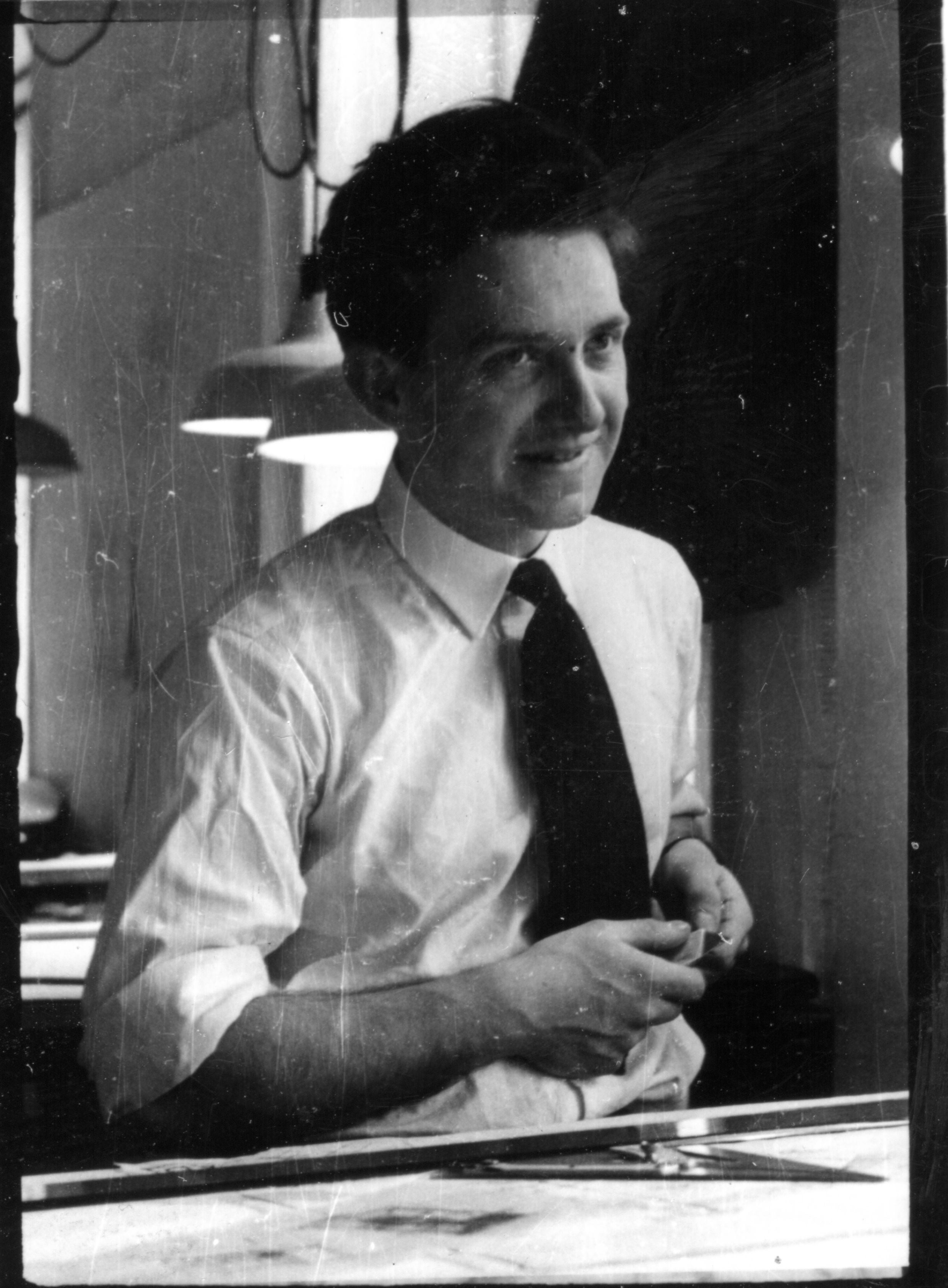
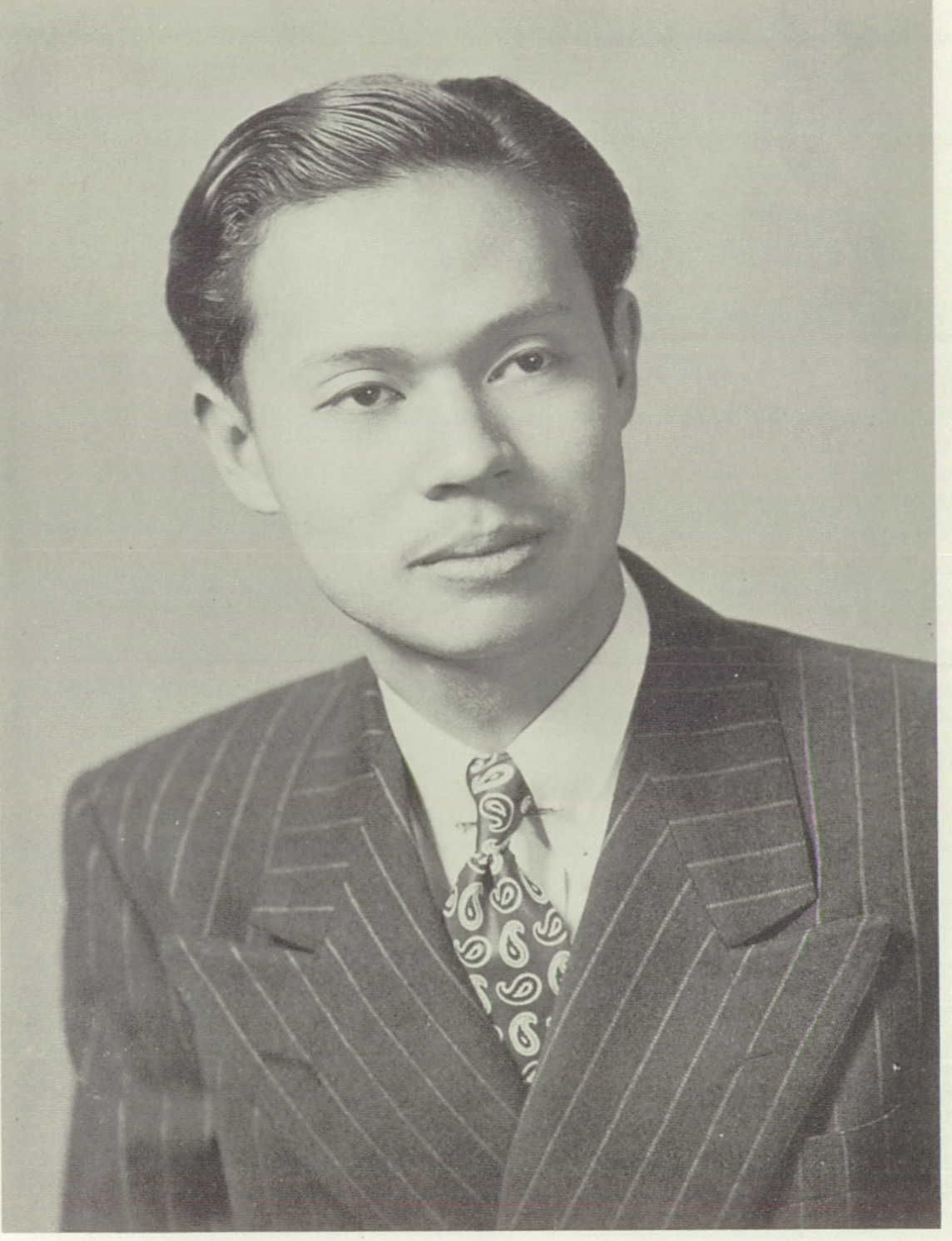
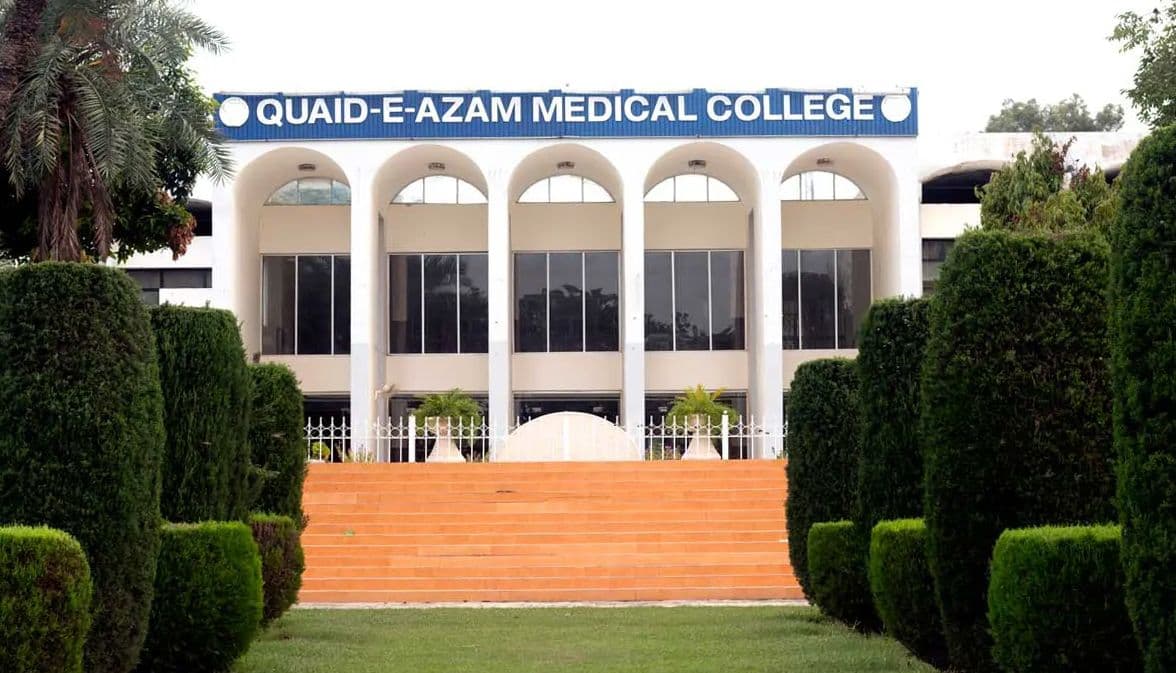
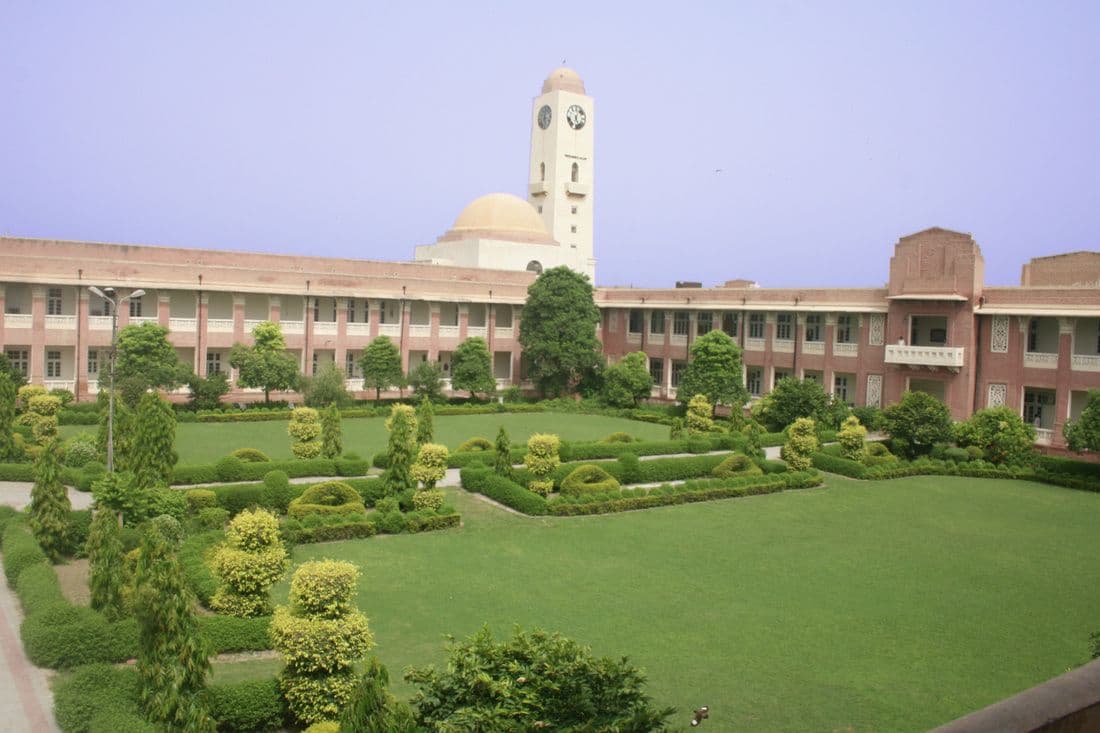
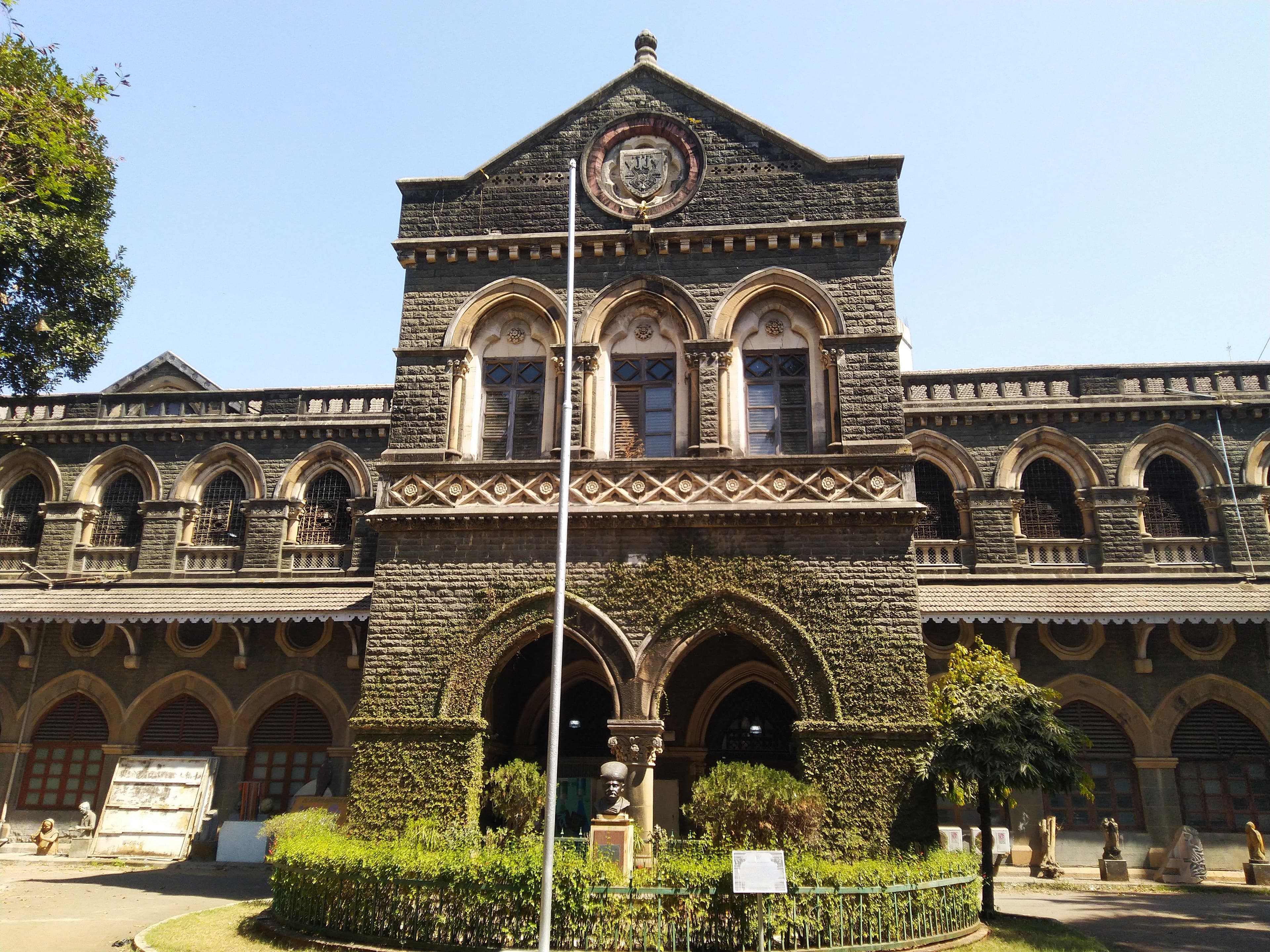
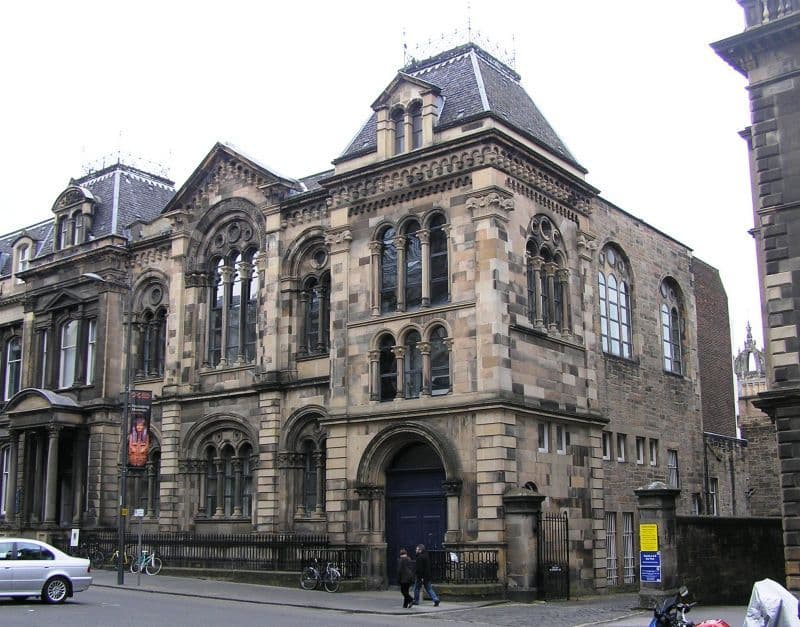
Abdur Rahman Hye was born on 17 December 1919 in Hyderabad (then British India) where he received early education before attending the prestigious Sir J.J. College of Architecture in Bombay, graduating in 1947. That same year, and before the momentous events of India and Pakistan’s independence and partition, Hye left for the UK to pursue further architectural training at the University of Edinburgh, completing his studies in 1951 and soon after being admitted as a member of the RIBA. Not long after graduating, Hye returned to South Asia, moving to East Pakistan where his family had likely migrated following the 1947 Partition. Initiating a decades-long career in public service, he began work as a town planner in the capital city of Dhaka, before becoming Chief Town Planner of Chittagong, working on township master plans for the port city and nearby Cox’s Bazaar. Hye left East Pakistan in 1959 to serve as the first Chief Architect of West Pakistan’s government and oversaw the design of public buildings across major cities including Karachi, Lahore, Rawalpindi, Peshawar, Quetta, Multan, and Bahawalpur. Between 1967–71, he served as Chief Architect to the General Headquarters (GHQ) of the Pakistan Army, designing its complex and associated facilities. Hye briefly returned to the UK between 1967-68–a period of considerable political instability in West Pakistan–to study at the Architectural Association’s Department of Tropical Architecture, where he deepened his approach to climate responsive design. Following the dissolution of West Pakistan in 1970 into four provinces, Hye was appointed Chief Architect to the Government of Punjab, a role he held until his retirement in 1981. One of his most notable buildings–Quaid-e-Azam Medical College in Bahawalpur–was completed during this time, in 1971, and comprises a dense cluster of international style blocks laid in parallel to each other and connected by a series of courtyards and shaded walkways. Other major projects include Nishtar Medical College (Multan), buildings at Mayo Hospital (Lahore), the auditorium of Lahore College for Women University, additions to APWA College for Women (Lahore), Gazetted Officers’ Residences (GOR) in Lahore, and Dhaka Polytechnic Institute. His buildings often featured cross-ventilation, courtyards, overhanging roofs, and hollow walls, creating natural cooling and shading suited to Pakistan’s hot climates. After retiring, Hye spent several years in the United States before returning to Pakistan, settling in Islamabad in 1995. He died there on 18 September 2008, aged 88. Remembered as a pioneer of institutional architecture in Pakistan, his legacy endures in the many public buildings still in use today.
Sources:
- Architectural Association Student Register, 1967–68. AA Archives
- Architectural Association Registrar's Student Records 1967-68. AA Archives
- Associated Press of Pakistan. “Renowned Architect Abdur Rahman Hye Remembered.” Associated Press of Pakistan, September 18, 2023. Accessed August 22, 2025.
https://www.app.com.pk/national/renowned-architect-abdur-rahman-hye-remembered/ - Wikipedia. “Abdur Rahman Hye.” Wikipedia: The Free Encyclopedia. Last modified June 2025. Accessed July 9, 2025.
https://en.wikipedia.org/wiki/Abdur_Rahman_Hye - Bahawalpur.org. “Quaid-e-Azam Medical College, Bahawalpur – History and Architecture.” Bahawalpur.org. Accessed September 7, 2025.
https://bahawalpur.org/quaid-e-azam-medical-college/ - Pakpedia. “Abdur Rehman Hye – Biography of the Chief Architect of West Pakistan.” Pakpedia. Accessed August 3, 2025.
https://www.pakpedia.pk/abdur-rehman-hye