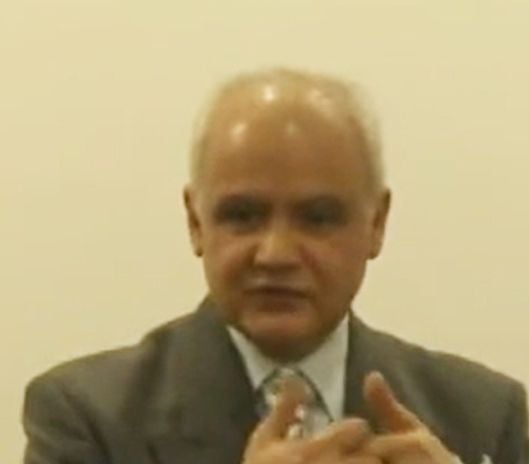
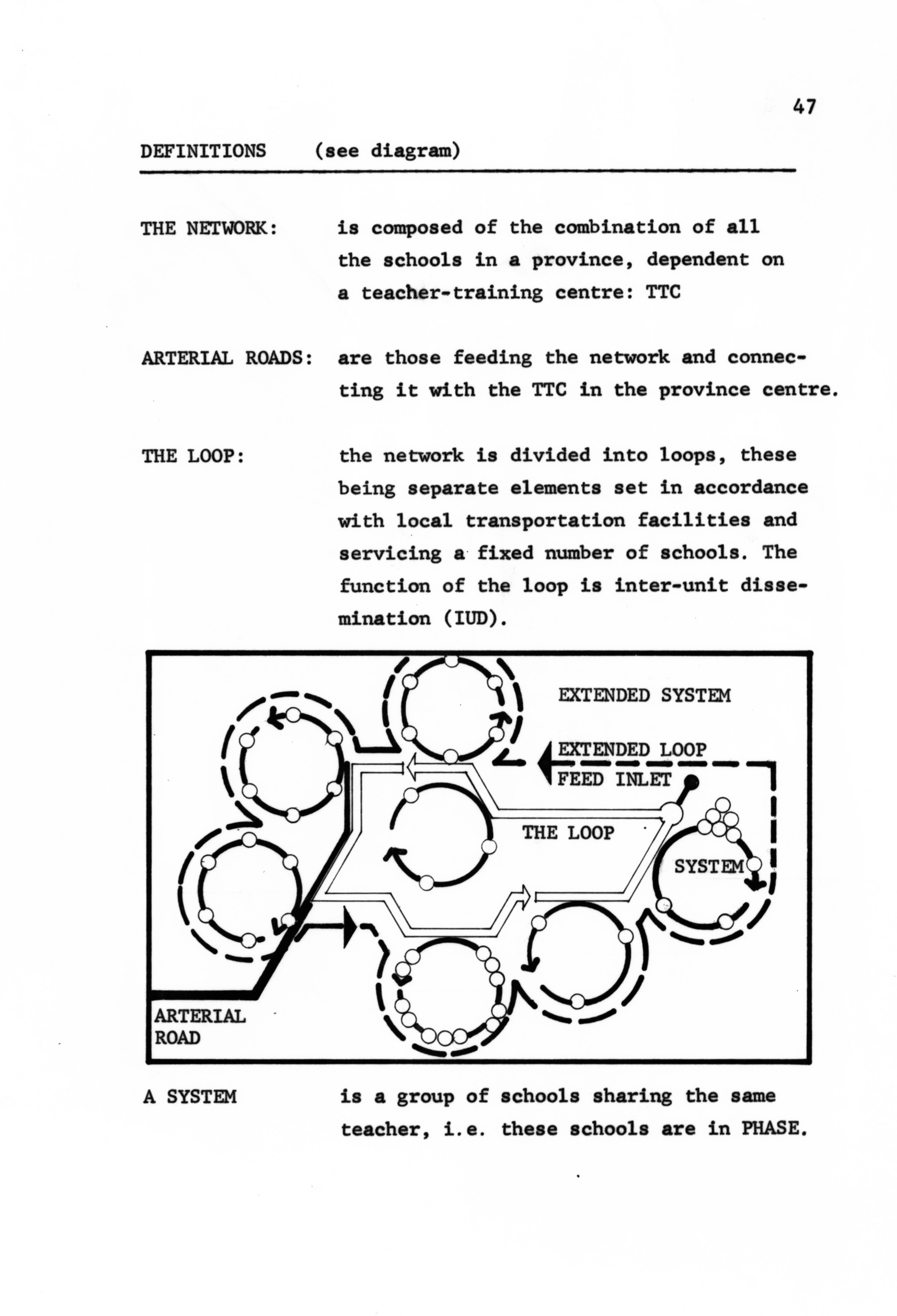
Hartmut Schmetzer was born in 1941 in Germany. He completed his secondary education at the Carl Schurz Schule in Frankfurt am Main, and went on to study architecture at the Technische Hochschule Aachen and the Technische Universität Berlin, graduating in 1968. During his student years, Schmetzer also worked as an assistant in the Berlin office of renowned architect Oswald Mathias Ungers from 1965 to 1967, gaining early professional experience. In 1968–69, he pursued post-graduate studies at the Department of Development and Tropical Studies of the Architectural Association (AA). Following his time at the AA, Schmetzer joined the small team led by Otto Köenigsberger that founded the Development Planning Unit (DPU) at University College London in 1971. At the DPU, he was largely responsible for developing housing-focused curricula and programs in the early 1970s. In 1972, together with colleagues Mario Novella and Patrick Wakely (later joined by Babar Mumtaz), he established the DPU’s Training and Advisory Service, designing an urban housing training program that was delivered over the next four years in schools of architecture and planning across ten cities in Asia and Africa. In 1977, Schmetzer left academia to serve as Housing Advisor to the Tanzania Housing Bank in Dar es Salaam, contributing to national housing programs during a period of rapid urban growth. Three years later, in 1980, he moved to Nairobi as manager of the World Bank’s Third Urban Project in Kenya, broadening his work in urban development and infrastructure delivery. In 1981, Schmetzer returned to teaching and became Associate Professor and the founding Dean of the School of Architecture at the University of Zambia, based at the Ndola campus. Over the next six years, he built up this new school into a strong academic department, overseeing its first cohort of graduates in 1986. Over the course of his career, Schmetzer published a small but influential body of work on housing policy and vernacular architecture. With Patrick Wakely and Babar Mumtaz he co‑authored Urban Housing Strategies: Education and Realization (1976), a widely cited handbook on low‑income urban housing strategies in the Global South. In the 1970s and 1980s he focused on East African urbanization, co‑authoring the article “A Building Clinic in Baghdad” in Architectural Design (June 1974) and later publishing “Housing in Dar‑es‑Salaam” in Habitat International (1982), as well as “Slum Upgrading and Sites and Services Schemes under Different Political Circumstances: Experience from East Africa” in African Urban Quarterly (1987). His long‑term engagement with everyday building practices in Zambia culminated in the monograph Traditional Architecture in Zambia published in 1987. In 1990, Schmetzer joined the Swedish International Development Cooperation Agency (Sida) as a senior urban development advisor. Over the following 14 years at Sida, he played a prominent role in international housing and urban policy, helping to shape and advise programs such as the United Nations Urban Management Programme and the Cities Alliance partnership. Throughout his career, Schmetzer remained closely connected with the DPU and was respected as a thoughtful, principled professional and educator in the field of housing and urban development. He was also active in research and publication, co-authoring Urban Housing Strategies: Education and Realization in 1976 and later authoring Traditional Architecture in Zambia in 1987, the latter being a detailed study of Zambian vernacular building traditions. Hartmut Schmetzer died in August 2004 at the age of 63. He passed away just as he was about to begin a new role as Sida’s Regional Urban Advisor for Southern Africa in Lusaka. Remembered for his deep commitment to affordable housing and sustainable urban development across three continents, Schmetzer’s legacy endures through the institutions he helped shape and the many professionals he mentored in the field of tropical and development architecture.
Sources:
- Architectural Association Student Register, 1968-69. AA Archives
- Wakely, Patrick I., Hartmut Schmetzer, and Babar K. Mumtaz. 1976. Urban Housing Strategies: Education and Realization. London: Pitman Publishing. Accessed September 10, 2025.
- Schmetzer, Hartmut. 1982. “Housing in Dar-es-Salaam.” Habitat International 6 (4): 497–511.
- ———. 1987a. “Slum Upgrading and Sites and Services Scheme under Different Political Circumstances: Experiences from East Africa.” African Urban Quarterly 2 (3): 276–286.
- ———. 1987b. Traditional Architecture in Zambia. Ndola: University of Zambia at Ndola.
- Development Planning Unit (UCL). 2004. “Hartmut Schmetzer (1941–2004).” DPU News 47. University College London, Development Planning Unit.
- Hermele, Bernt. 2004. “Hartmut Schmetzer. Biståndsarkitekt med hjärtat i Afrika.” Dagens Nyheter (Stockholm), November 21, 2004.
- United Nations Development Programme (UNDP). 2005. Pro-poor Urban Governance: Lessons from LIFE. New York: UNDP. Accessed July 15, 2025. https://www.undp.org/sites/g/files/zskgke326/files/publications/DLGUD_Pub_lifebook.pdf.