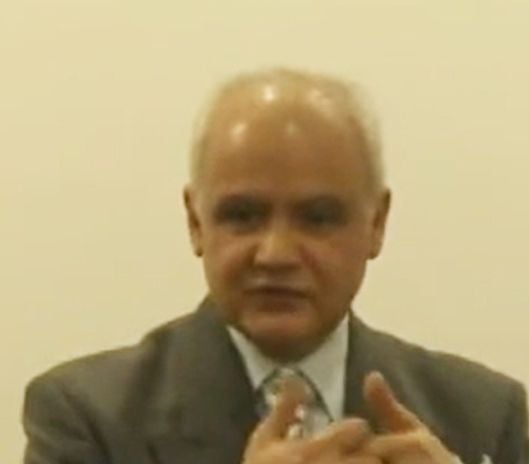
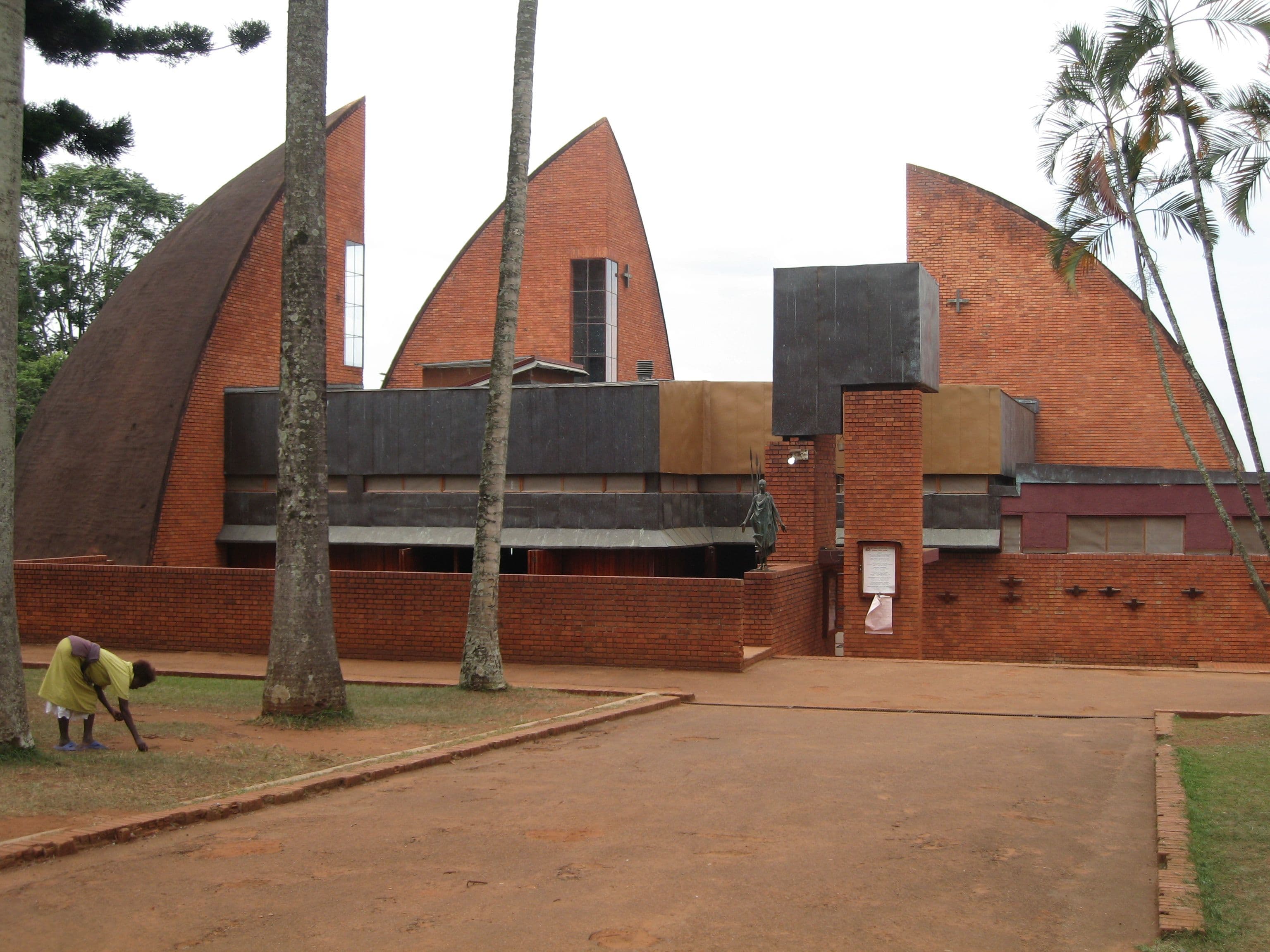
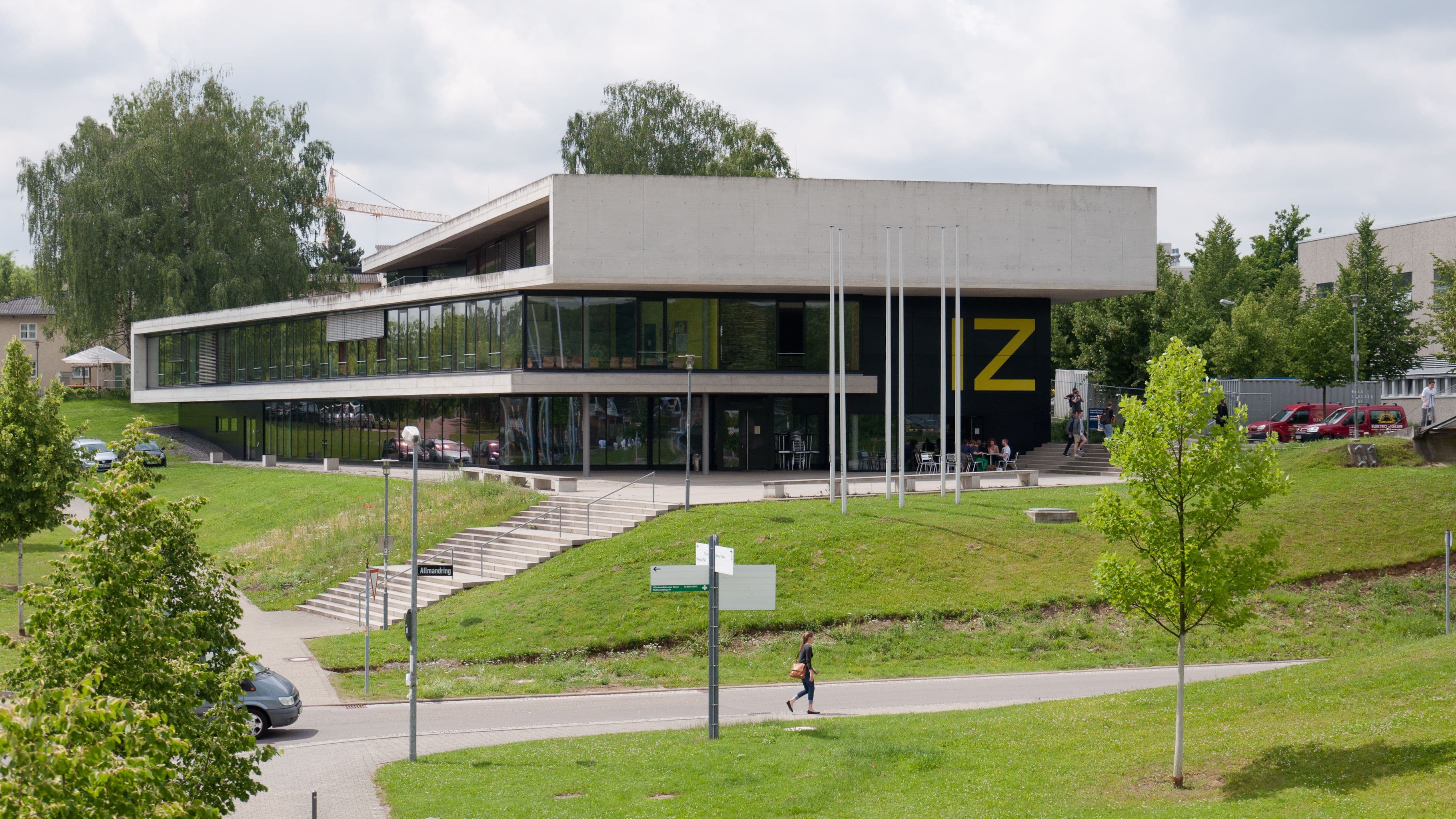
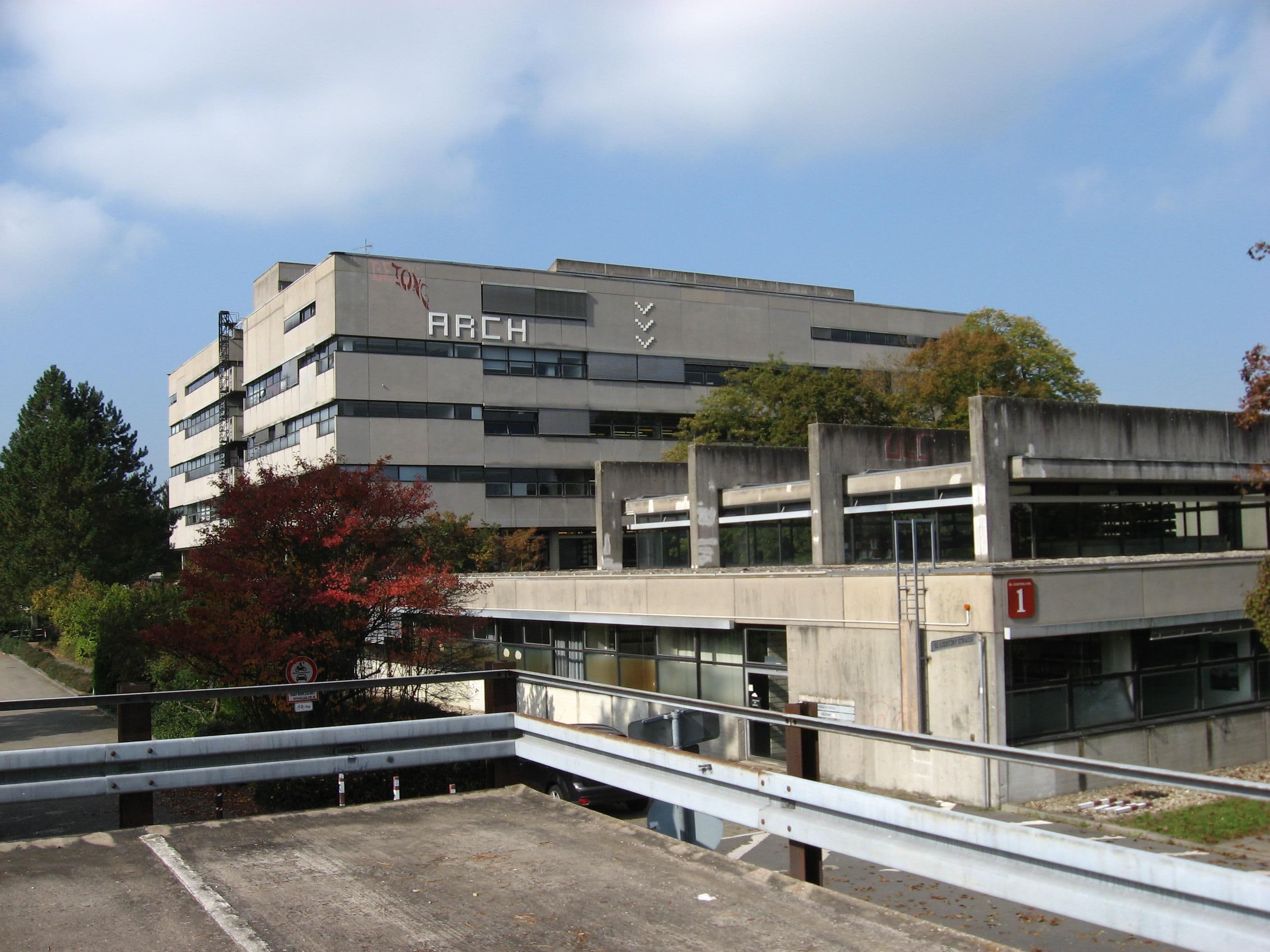
Manfred Niermann began his architectural studies at the Technical University of Stuttgart, where he attended from 1965–1968 and worked as an assistant to modernist architect Horst Linde. As a student, Niermann was a prolific and skilled photographer, capturing important images of the construction of Mies van der Rohe’s famous Neue Nationalgalerie in Berlin and the 1958 Expo in Brussels. He also practised at Justus Dahinden’s firm in Zürich (exact dates unknown), contributing to church design projects across several African countries, including St. Noa Mawaggali Cathedral in Mityana, Uganda. By 1968 Niermann was on the faculty staff at TH Darmstadt, where along with colleague, Jorg Sierig, he was to become one of the founding figures of the ‘Instituts (Arbeitsgruppe) für Tropisches Bauen’ in 1968. As part of the preparations for the formation of the Institute, both Niermann and Sierig came to London to attend the AA’s Department of Development and Tropical Studies—Niemann’s AA thesis being upon the very concept of establishing such an Institute at Darmstadt. Influential during the 1970s, the institute was later integrated into Darmstadt’s Department of Planning and Urban Design. In 1980 Niermann co‑authored with Helmut Lander the richly illustrated volume Lehm‑Architektur in Spanien und Afrika(Langewiesche), which documents traditional earthen buildings in Spain, Morocco, Libya, Algeria, Nigeria and Mali and reflects on their climatic and cultural relevance for contemporary construction. He also continued to practice and, since 1989, has served as Managing Director/Partner at the German firm NIERMANN SCHICKTANZ Architekten BDA, based in Gladbeck, North Rhine-Westphalia.
Sources:
- Architectural Association Student Register, 1968-69. AA Archives
- Otto Koenigsberger Collection, Department of Tropical Architecture. Architectural Association Archives, London.
- Franco, Adrian, and Frederike Lausch. “Vom Institut für Tropisches Bauen zum Fachgebiet Planen und Bauen in Entwicklungsländern.” Vom Institut für Tropisches Bauen zum Fachgebiet Planen und Bauen in Entwicklungsländern (Forschungsblog), Hypotheses, July 15, 2024. Accessed June 29, 2025. https://tropenbauthd.hypotheses.org/
- Lander, Helmut, and Manfred Niermann. Lehm-Architektur in Spanien und Afrika. Königstein im Taunus: Langewiesche, 1980.
- “Manfred Niermann – geschäftsführender Gesellschafter.” Xing. Accessed June 11, 2025. https://www.xing.com/profile/Manfred_Niermann?
- Antiquariat Atlas (Dr. Ulrich Lölke). “Afrika – Kultur” (catalogue listing including Helmut Lander / Manfred Niermann, Lehm. Architektur in Spanien und Afrika). Antiquariat.de. Accessed August 19, 2025. https://www.antiquariat.de//angebote/GID25204867.html