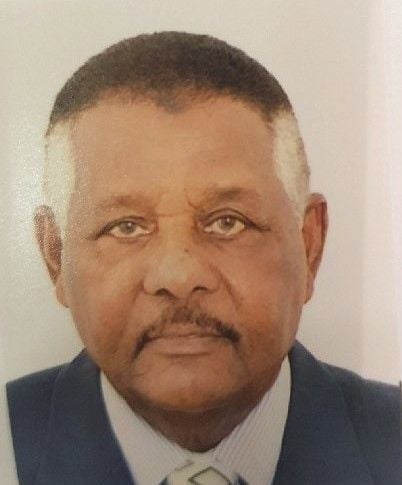
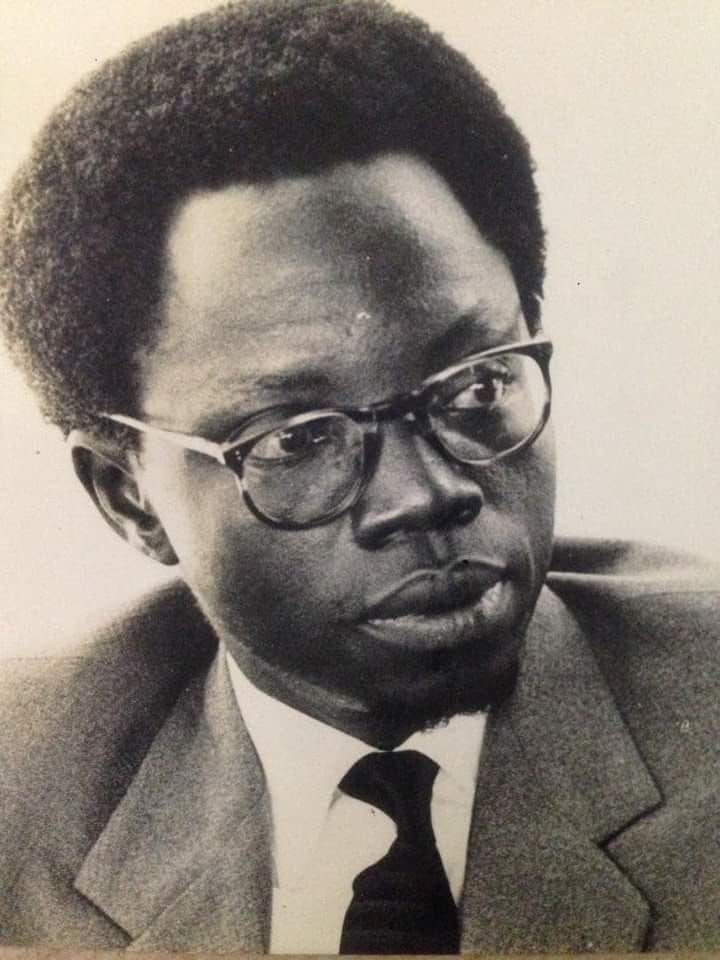
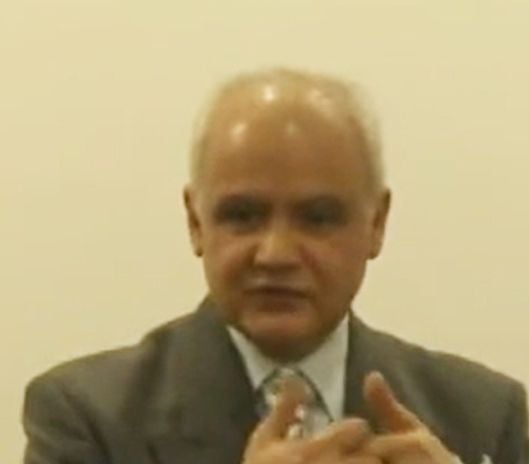
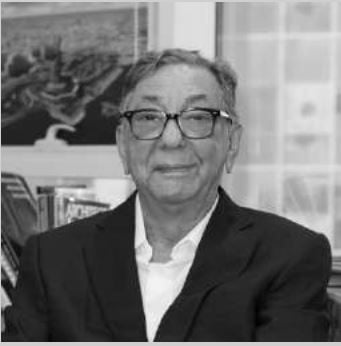
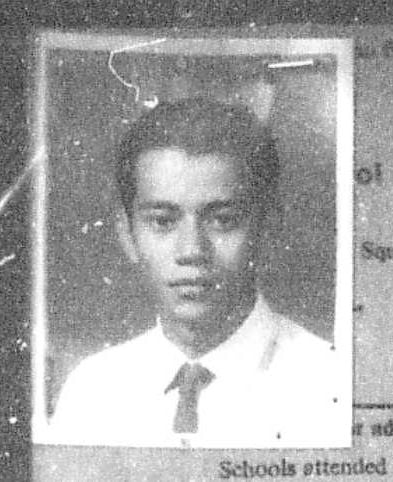
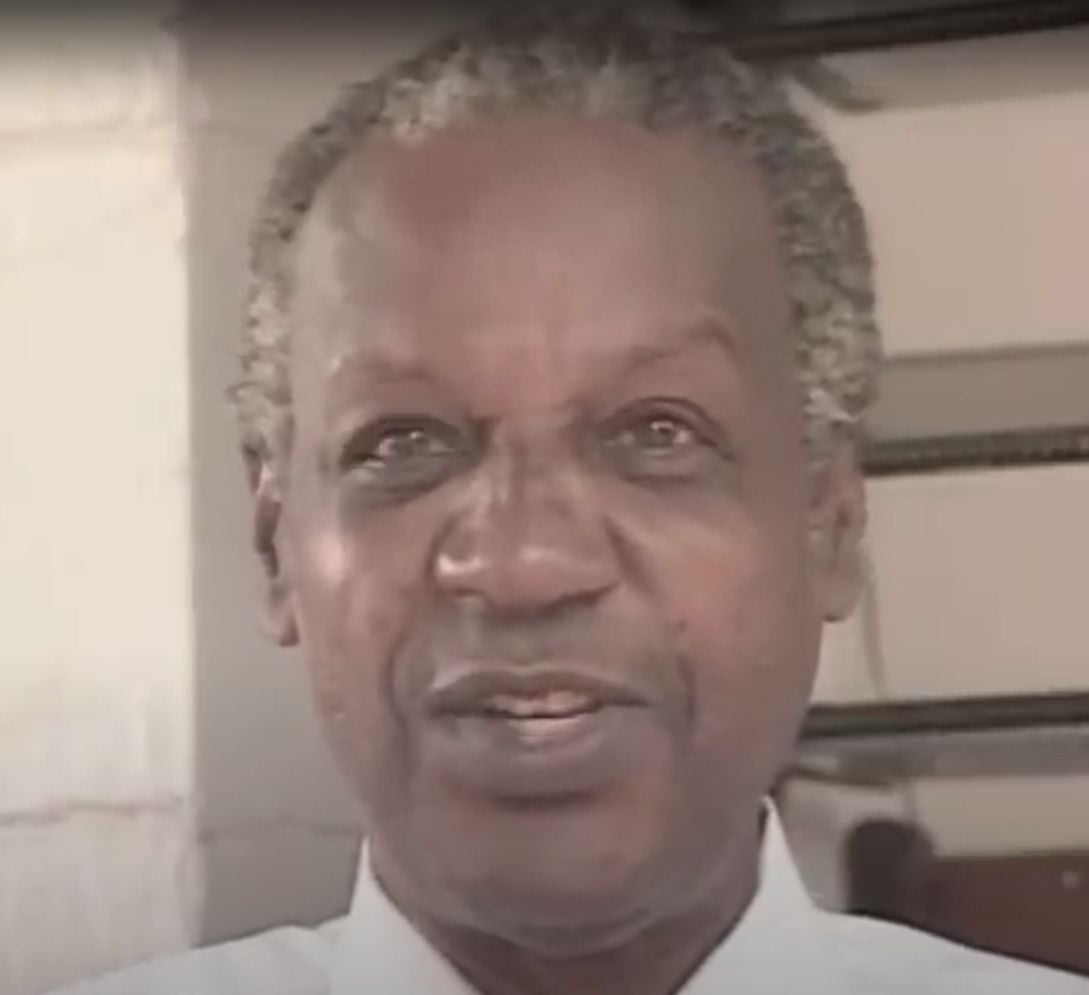
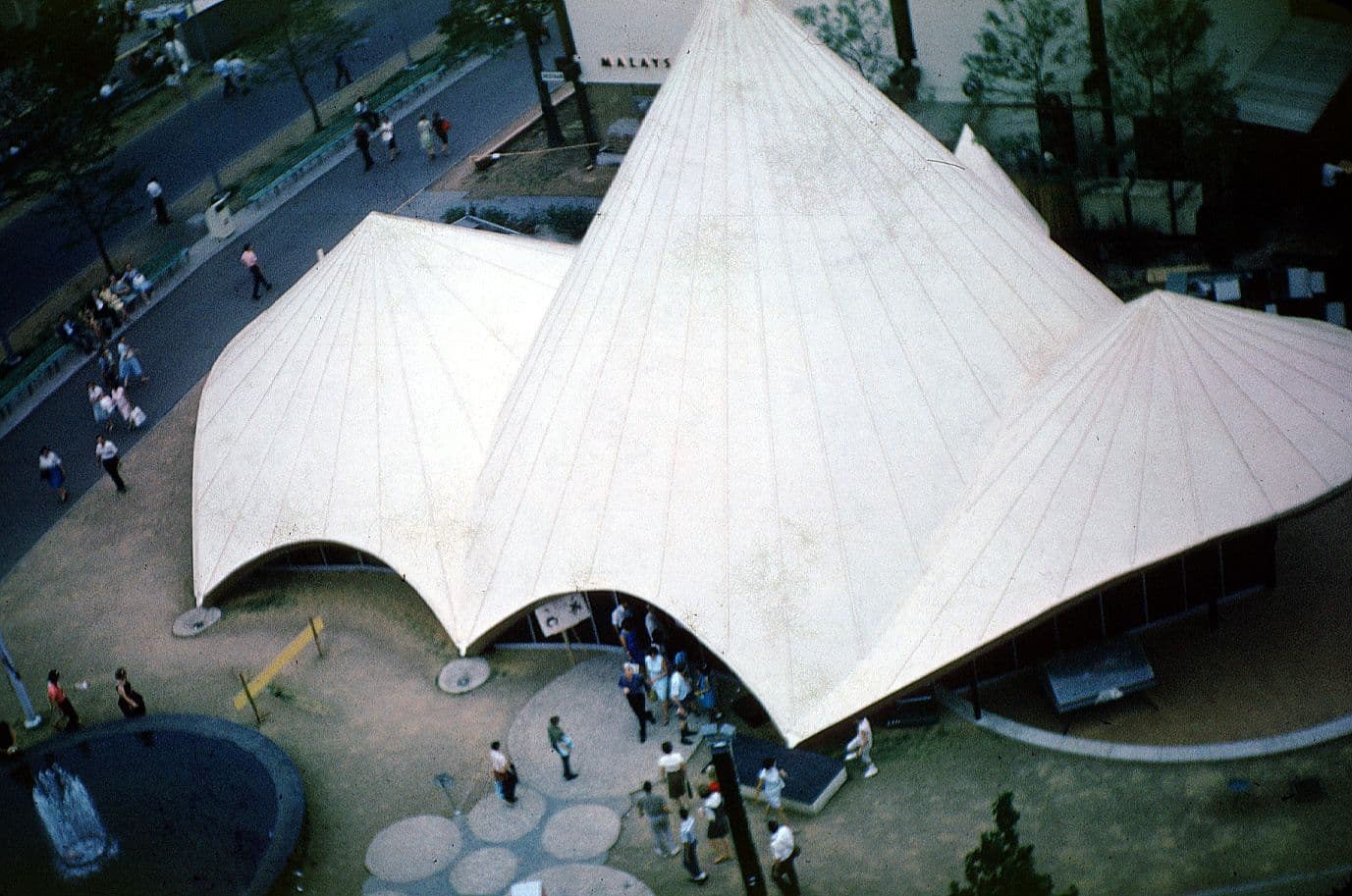
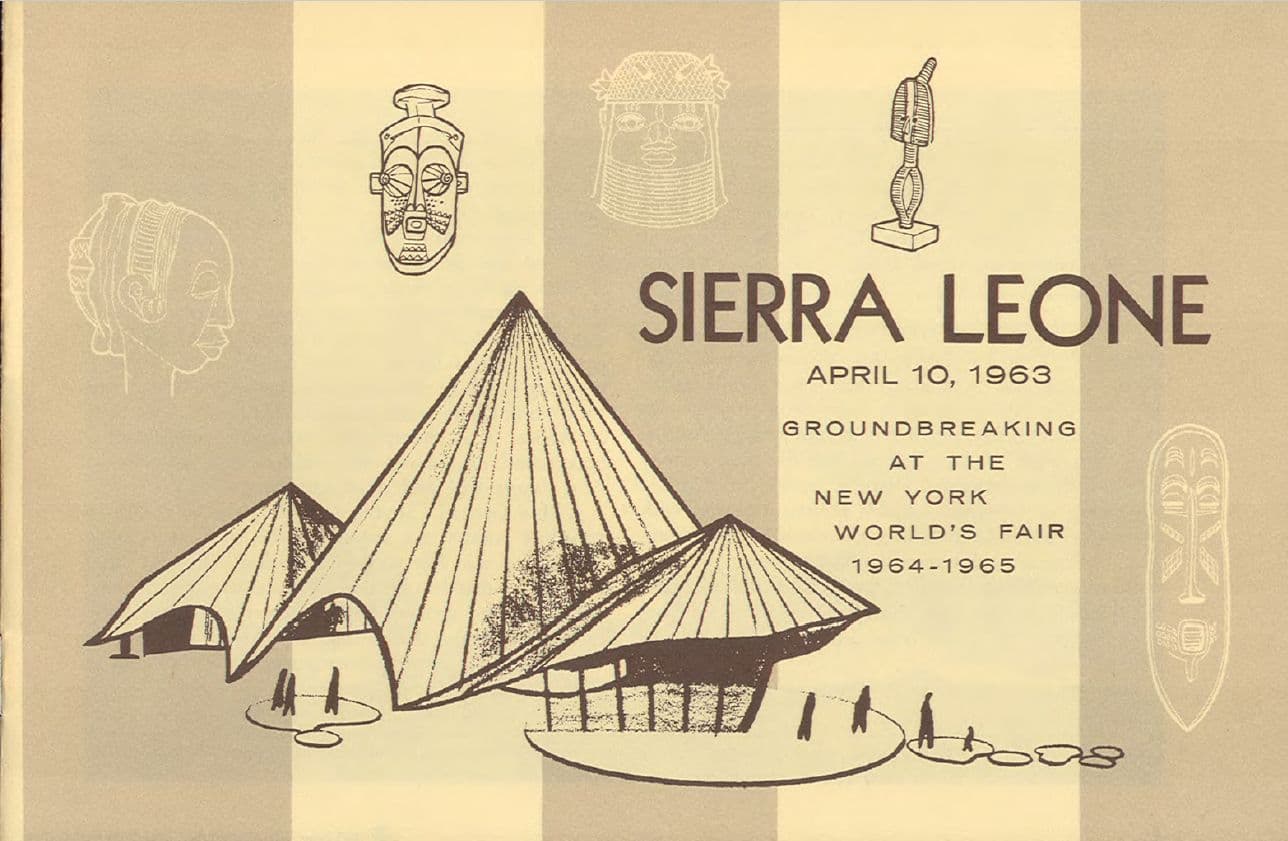
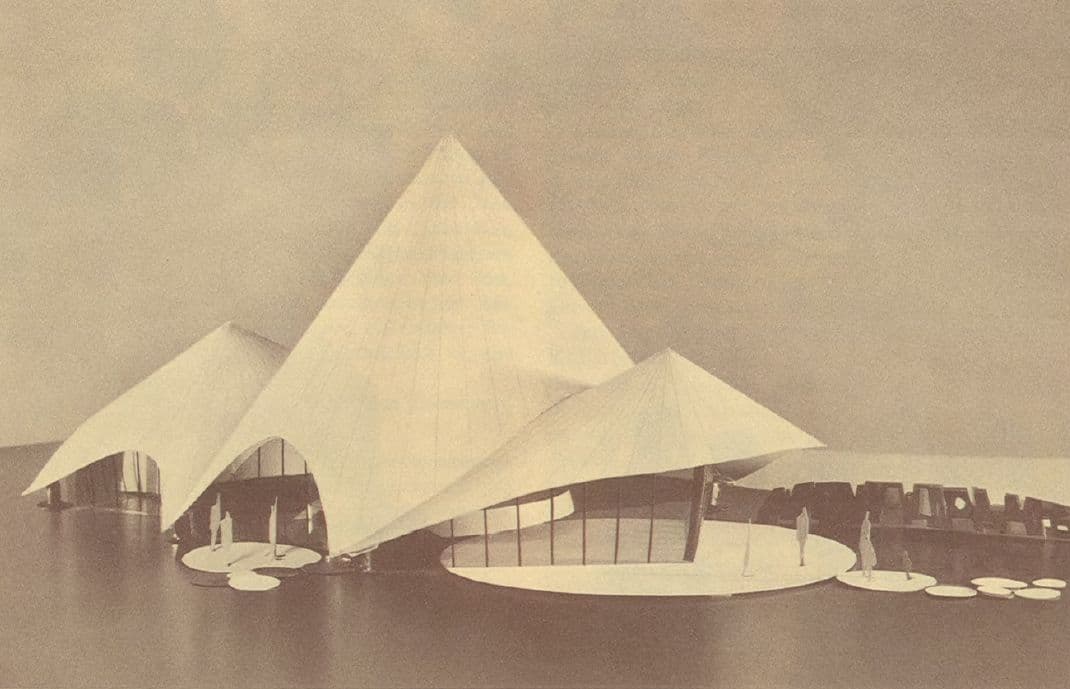
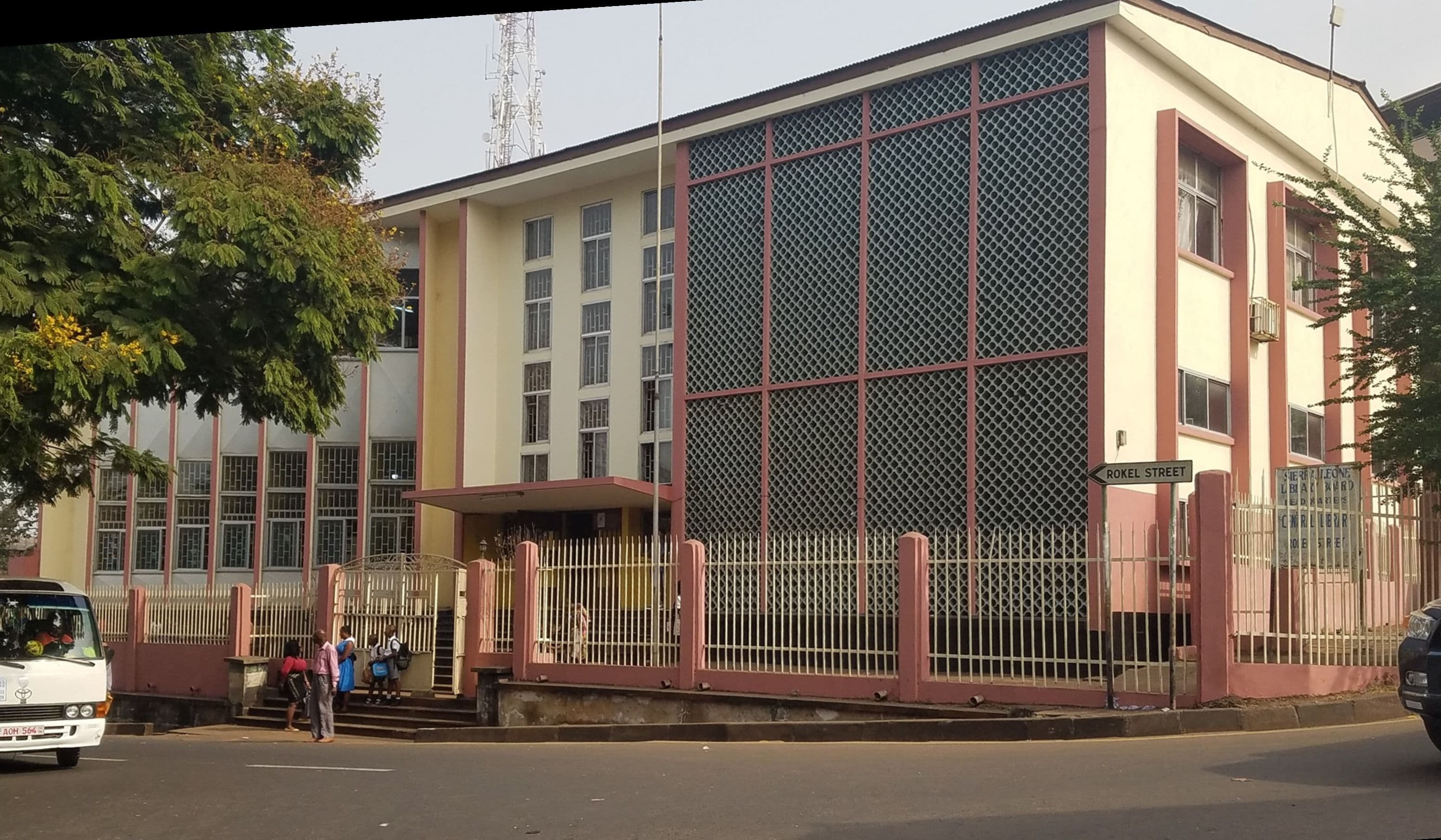
Joseph Jarrett-Yaskey was born in Sierra Leone in 1924 and attended the Grammar School in Freetown, where he was Head Boy in 1942. He was appointed Assistant Architect at the Sierra Leone Public Works Department in 1952 and subsequently appears to have moved to the UK to further his training, enrolling at the Architectural Association (AA), London, as a Fourth-Year student in 1954. The AA’s student records are unclear as to his exact status but they indicate that in the same year he simultaneously attended the inaugural year of the AA’s Department of Tropical Studies. He is recorded as having completed the AA five-year course in the summer of 1955. He appears to have returned to Sierra Leone almost immediately, resuming employment with the Ministry of Works and rising to the position of Chief Architect by 1964, receiving an M.B.E. in the same year. Amongst his most important works were the design for Sierra Leone’s pavilion at the 1964 New York World’s Fair (with Costas Machlouzarides of New York) – an ‘organic grouping of three conical shapes, reminiscent of the country's mountain peaks and roof shapes’. Of his built works in Sierra Leone, perhaps the Ministry of Works’ Freetown Library (1963), the Sierra Leone Central Bank, on Siaka Stevens Street, Freetown (1964), together with his College Chapel Methodist Church, on Rawdon Street, Freetown, Sierra Leone (c1972) stand as the best examples of his work. In 1979 Jarrett-Yaskey announced he was stepping down from the Ministry of Works, setting up a private practice in Freetown, based on Goderich Street, Freetown.
Sources
- Architectural Association Student Register 1945-1972, AA Archives
- Architectural Association Diploma Roll Book, 1924-1963, AA Archives
- Department of Tropical Architecture, student listing, Otto Koenigsberger Collection, Box OK27, AA Archives
- The National Archives; Kew, Surrey, England; BT27 Board of Trade: Commercial and Statistical Department and Successors: Outwards Passenger Lists; Reference Number: Series BT27- 7th August, 1958.
- England & Wales, Civil Registration Marriage Index, 1916-2005 General Register Office; United Kingdom; Volume: 5g; Page: 25
- Address Delivered by His Excellency ... on Opening the ... Session of the Sierra Leone Legislative Council, 1952. Sierra Leone Legislative Council, 1952, p27.
- Harrison, E., Jackson, I. ‘African Agency and Colonial Committees at Fourah Bay College: Architecture and planning of the new Fourah Bay College in Freetown, Sierra Leone’ Docomomo Journal, December 2023, p14-28.
- ‘For The Record’ Official Architecture and Planning , July 1964, Vol. 27, No. 7 (July 1964), pp. 842-844.
- 1964 World's Fair Information Manual, New York World’s Fair, 1964