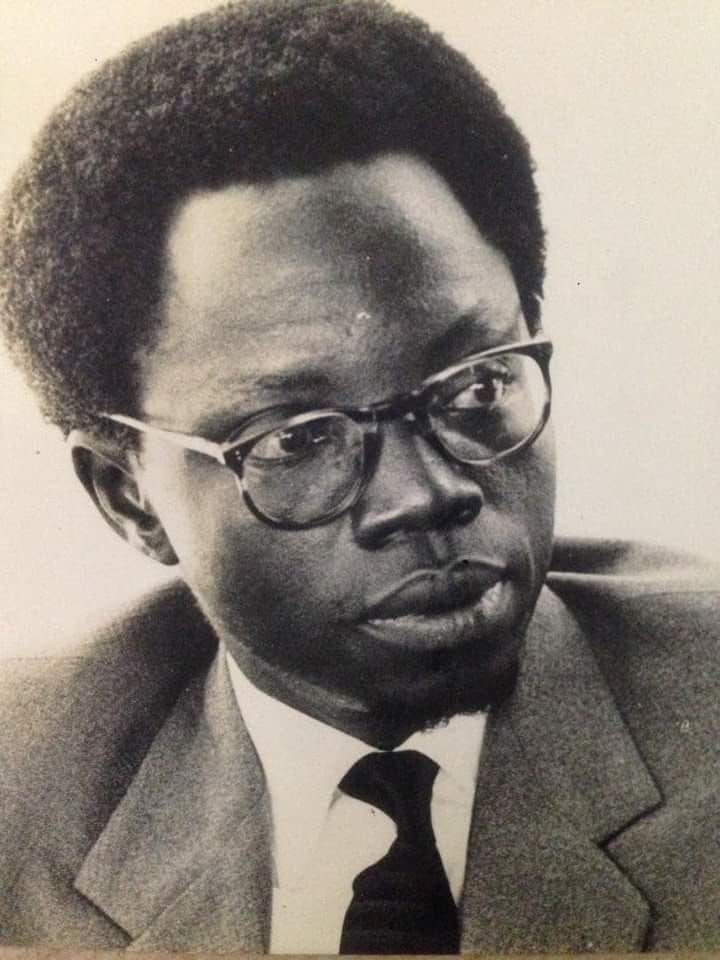
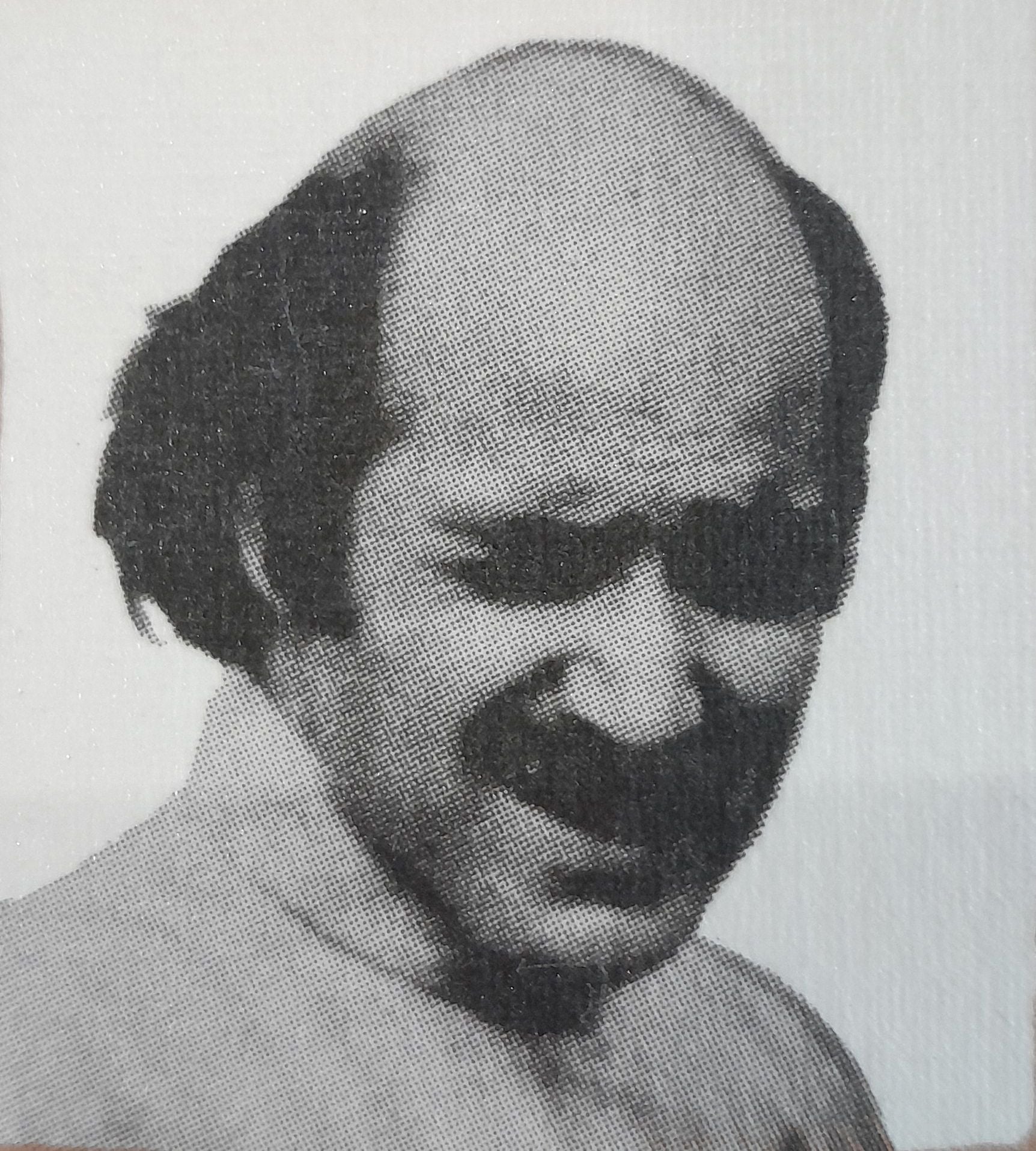
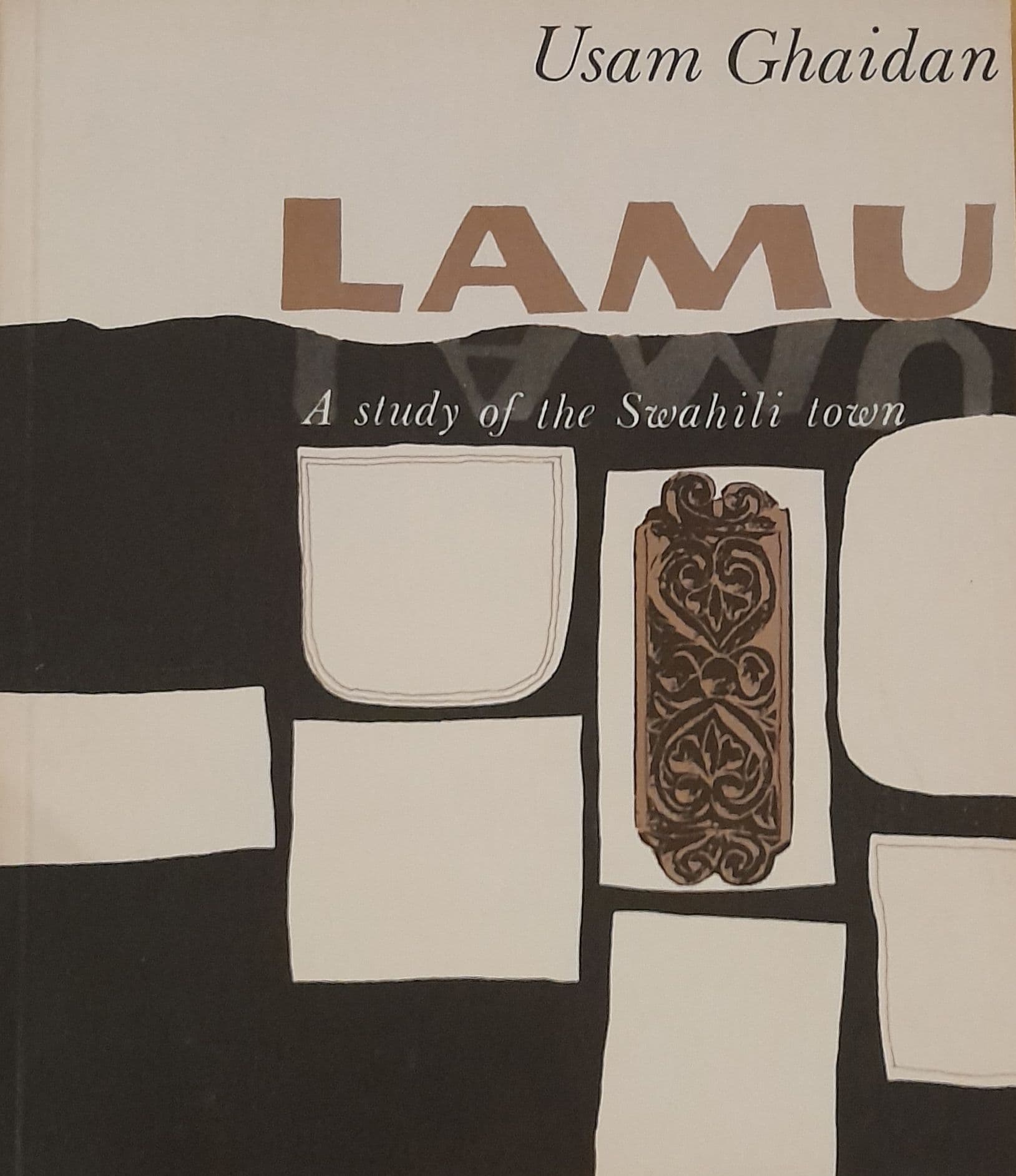
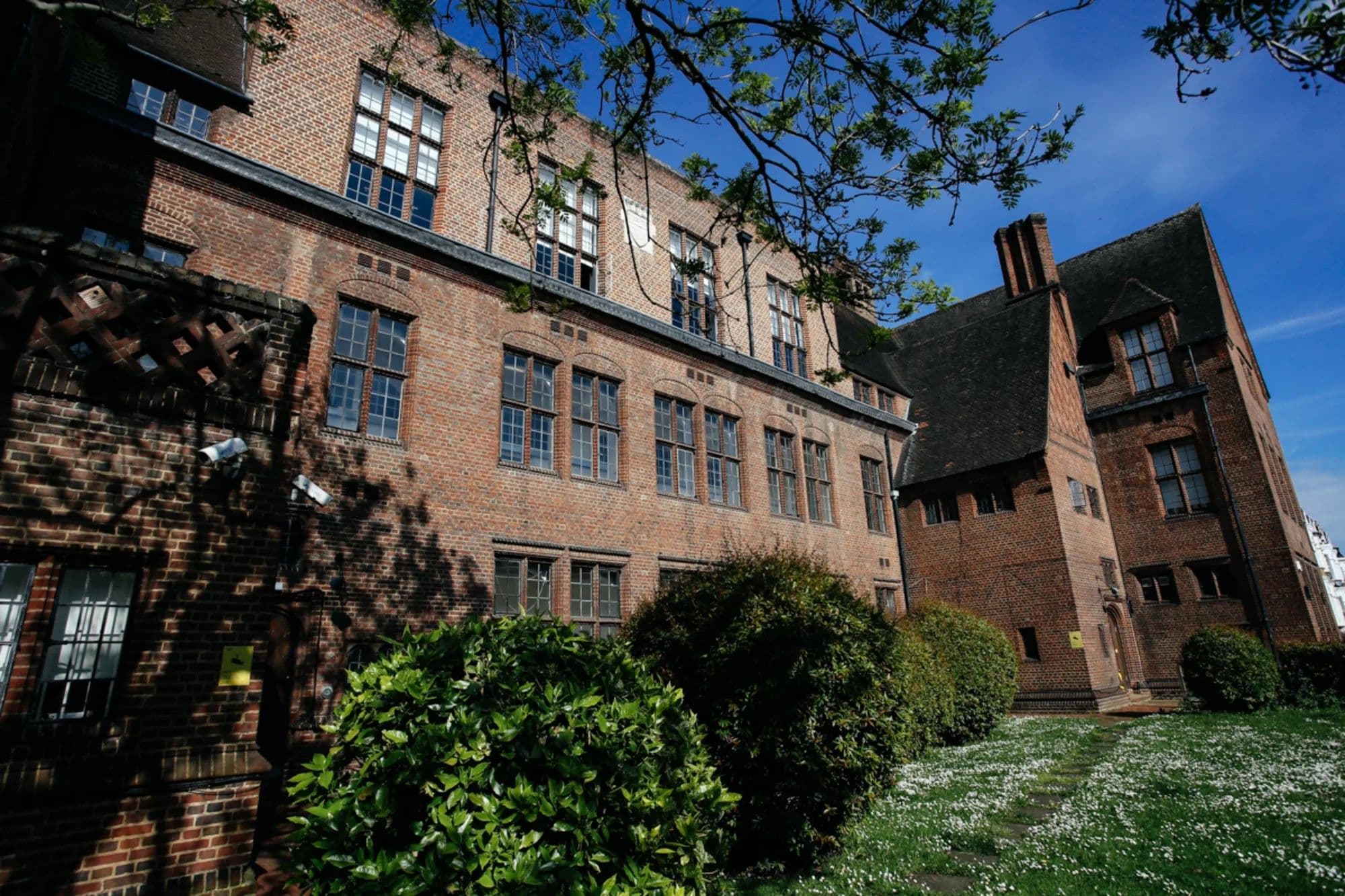
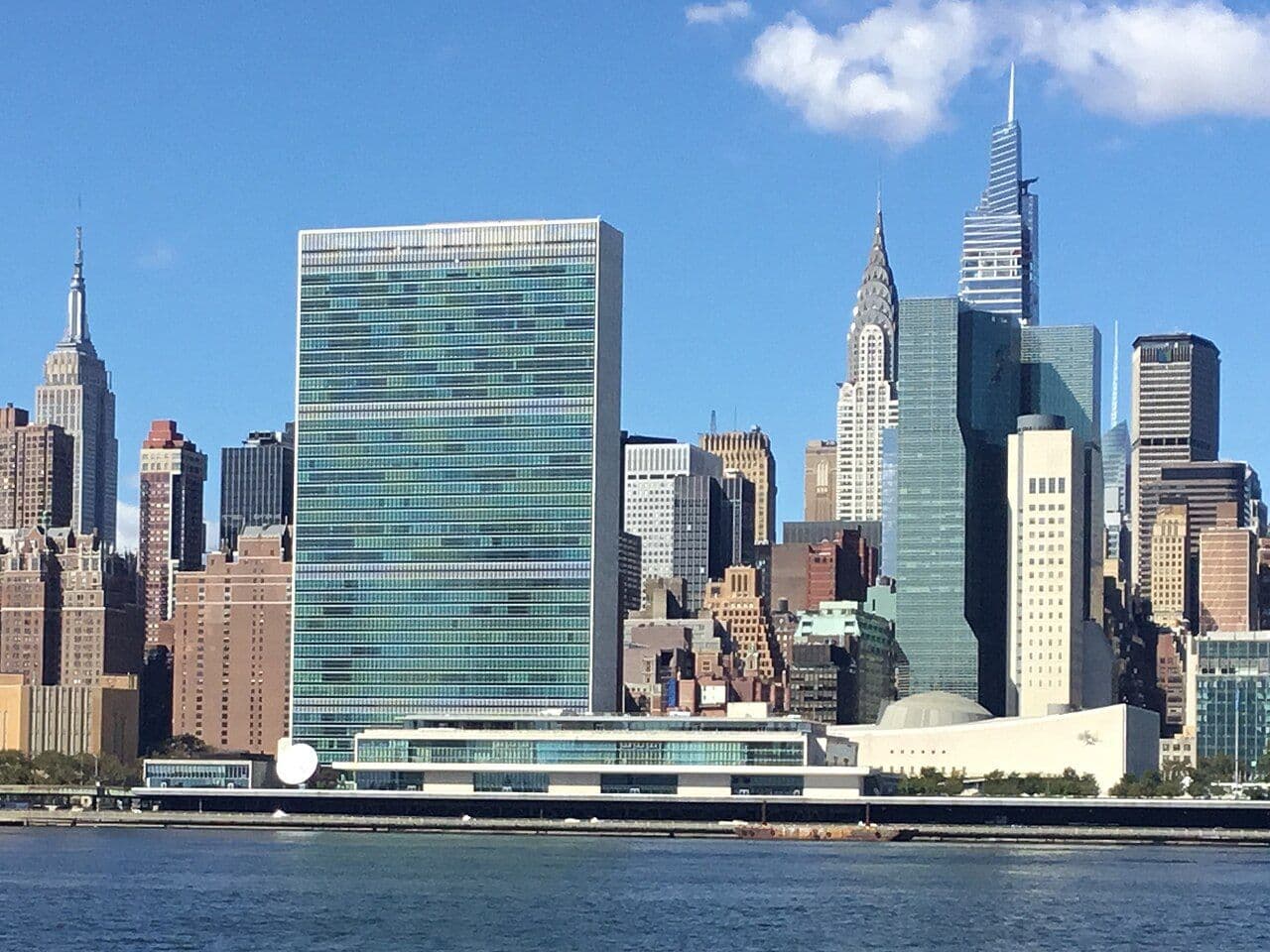
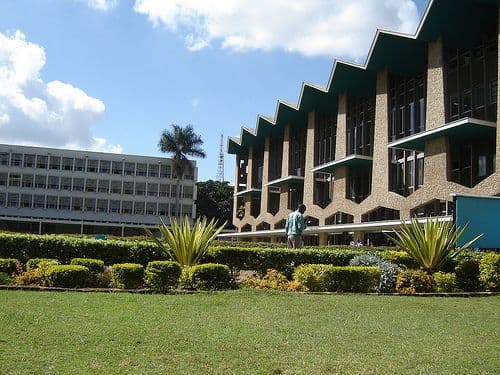
Born in Baghdad, in 1936, Usam Ghaidan qualified as an architect at Hammersmith School of Building and Arts and Crafts, London, in 1959. He immediately enrolled at the Architectural Association, as a student on the Department of Tropical Architecture’s postgraduate course in 1959-60. On receipt of his Tropical Certificate, Ghaidan returned to Baghdad, where he practiced as an architect for seven years. From 1967 he was a lecturer at the University of Nairobi, in Kenya and in 1971 led a team of crafts specialists, artists and surveyors to embark upon a meticulous survey of Swahili architecture and built environment, focussing upon the town of Lamu. Funded by Kenyan Ministry of Lands and Settlements, the project inventoried in great detail, a whole host of factors, including architectural typology, features and characteristics, ‘environmental relationship’, ownership, occupation, function over time, and historical / cultural significance. The report also made a series of recommendations to the government for policies to preserve Swahili historic urban environment – recommendations which, according to a 2013 UNESCO report, have born fruit, with the resultant conservation programmes and policies leading to Lamu being declared a World Heritage Site in 2001. Ghaidan converted this landmark report into a Masters’ thesis, at the University of Nairobi, in 1974, and published it in book form shortly afterwards. Contributing illustrations to Ghaidan’s book was the Sudanese architect, Tag Elsir Ali Ahmed, also an alumni of the AA Department of Tropical Studies (1966-67). Ghaidan continued as a respected specialist, working for the UN Development Programme and the Bahraini Ministry of Municipalities Affairs, leading a pilot project in 1985-86 reporting on the Muharraq Cultural Heritage Area. By 1996 he was working for UNESCO, based in Lebanon and until 1999 was serving as UNESCO’s school building architect for the Arab Region. With the start of the Iraq War in 2003, Ghaidan published a number of pieces on the destruction caused to the Iraqi cultural heritage, including a survey of the history of the Iraqi National Museum. Ghaidan continued to work in this field and by 2008 was in charge of the UN Focal Point for Culture in Iraq programme.
Sources
- Architectural Association Student Register, 1959-60. AA Archives
- Architectural Association Council Minutes Books, 22nd February, 1960, p401. AA Archives
- Architectural Association Membership List, 1961.
- Ghaidan, U. ‘Swahili Art of Lamu’, African Arts, Vol. 5, No. 1 (Autumn 1971), pp.54-57, 84
- Ghaidan, U. ‘Lamu: A Case Study of the Swahili Town’, Town Planning Review, Vol. 45, No. 1, (Jan. 1974), pp.84-
- Ghaidan, U. Lamu – A study in conservation, The East African Literature Bureau, Nairobi, 1976.
- Ghaidan, U., Paolini, A, ‘A Short History of the Iraq National Museum’. Museum International: Vol. 55, No. 3-4, (2003) pp. 97-102.
- Ghaidan, U. Rebuilding the Al-Askariyyain Shrine in Samarra – Iraq, UNESCO, 2008
- Ghaidan, U. ‘Damage to Iraqś Wider Heritage’. In The Destruction of Cultural Heritage in Iraq, Peter G. Stone and Joanne Fachakh Bajjaly (eds.), Boydell Press, 2009.
- Al-Kubaisy, F. ‘Pilot Projects For Traditional Areas in Bahrain: Conservation & Urban Design Projects for Traditional Areas’. Iraqi Journal of Architecture & Planning, No. 9 (2010), pp.19-21.
- Swahili Historic Urban Landscapes: Report on the Historic Urban Landscape Workshops and Field Activities on the Swahili Coast in East Africa 2011-2012. United Nations Educational, Scientific and Cultural Organization (UNESCO), 2013.