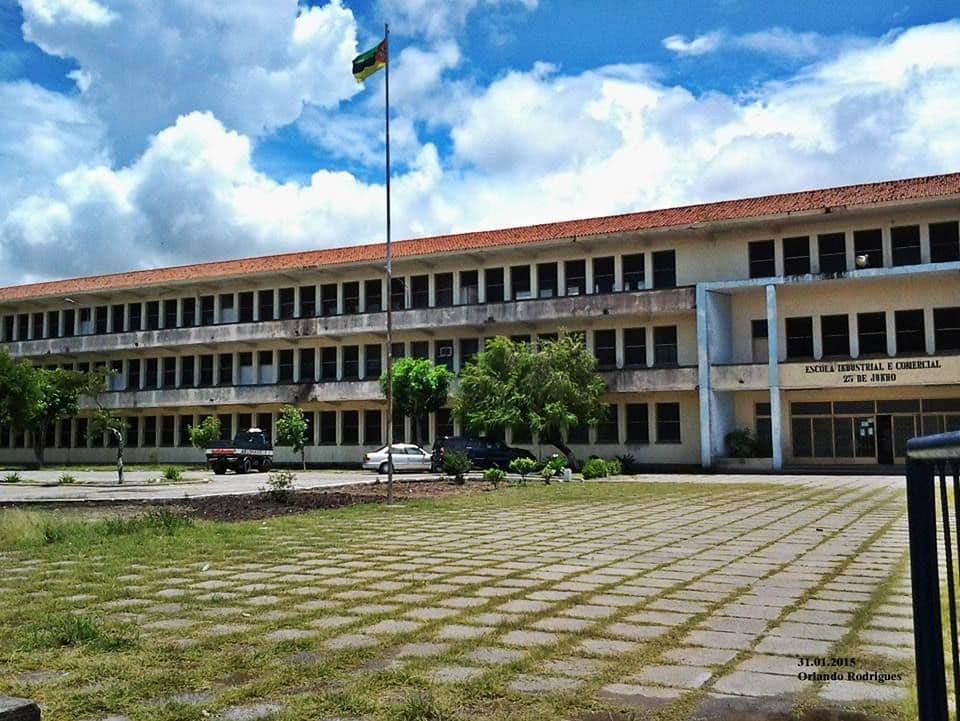
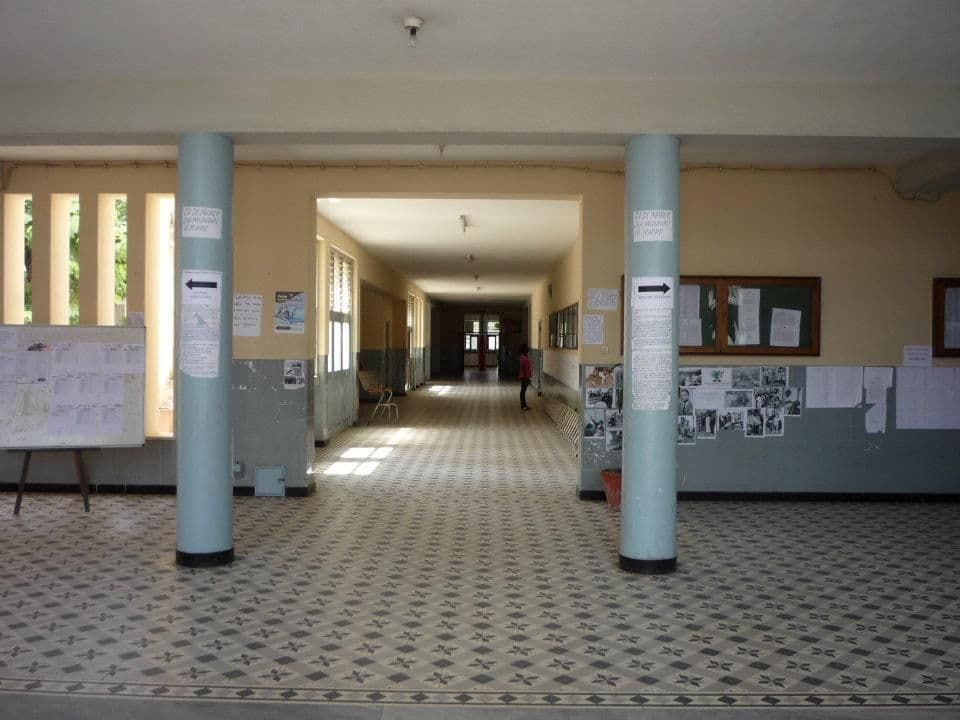
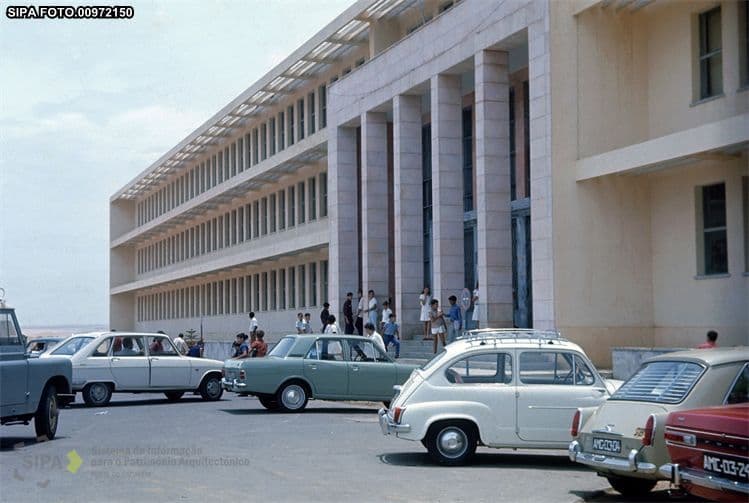
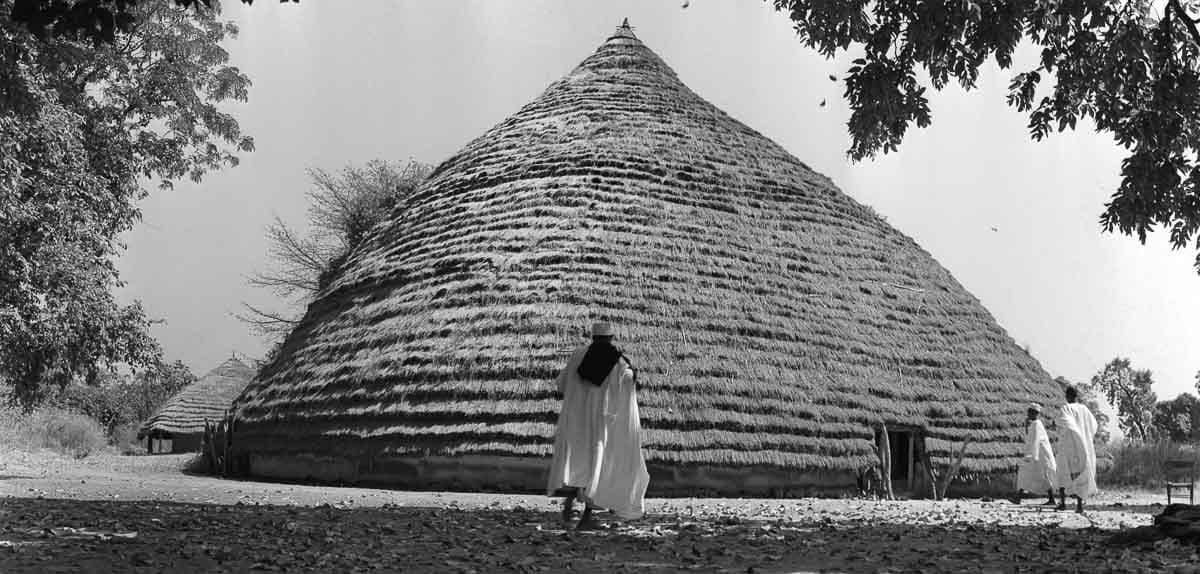
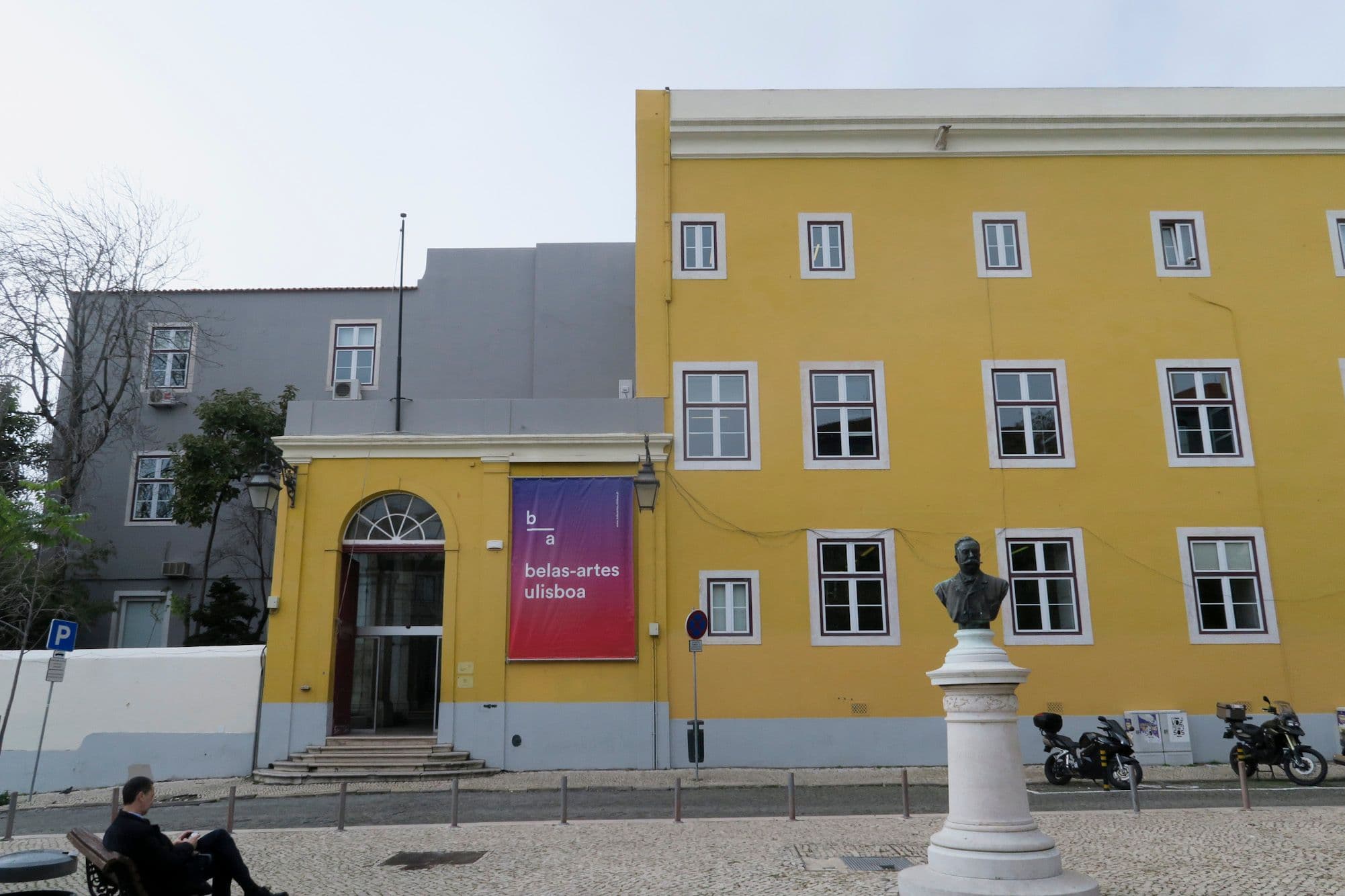
Fernando Lopes Schiappa e Silva de Campos was born in Torres Novas, Portugal, on 20 April 1926. He attended the Escola Superior de Belas Artes, Lisbon, graduating with a Diploma in architecture in 1954 - his thesis being a design for a modernist school in his home town. By 1956 he was employed as an architect at the Gabinete de Urbanização do Ultramar (GUU), the office responsible for construction and planning in the Portuguese colonies, where he was responsible, together with João António Aguiar and Eurico Gonçalves Machado, for producing the Standards for Grammar and Vocational School Buildings in the Overseas Provinces (1956). In addition to writing this specification, Schiappa de Campos was also closely involved in the design and construction of a number of elementary technical schools in Angola and Mozambique. These include the Freire de Andrade Commercial and Industrial School, Beira, the Pero de Anaia High School, Beira (1959), the Inhambane Elementary Technical School, Mozambique (1956-57) and the Infante D. Henrique Commercial and Industrial School, Namibe, Angola (1956) – this latter project developed with his GUU colleagues Lucinio Cruz and Luis Possolo. The GUU had previously dispatched Possolo to London, in 1954, to study at the Architectural Association’s Department of Tropical Architecture, and Schiappa de Campos was similarly sent on this six-month, post-graduate course in 1958-59, alongside another employee, Antonio Seabra. Another motive for this overseas training was to gain preparation for a fieldwork mission in Portuguese Guinea (now Guinea Bissau), ‘Missão de Estudo do Habitat Nativo da Guiné,’ funded by the Portuguese Overseas Research Council. Schiappa de Campos had earlier been appointed leader, with Seabra confirmed as 1st Assistant in August 1958, alongside the sociologist, Amadeu Castilho Soares, just prior to their departure to London. The mission’s role was to study and document vernacular housing and ways of living, in urban and rural environments and took place from 10th September 1959 until the 15th February, 1960. Schiappa de Campos and Seabro did not return to Portugal immediately but took the opportunity to continue their research in Nigeria and Ghana for a further two weeks. The resulting archive of nearly 2000 negatives, slides and prints, together with 14 field notebooks and other documentation, is now preserved in the Instituto de Investigação Científica Tropical. A report of the mission was eventually published in 1970 as ‘Habitats Tradicionais da Guinea Portuguesa.’
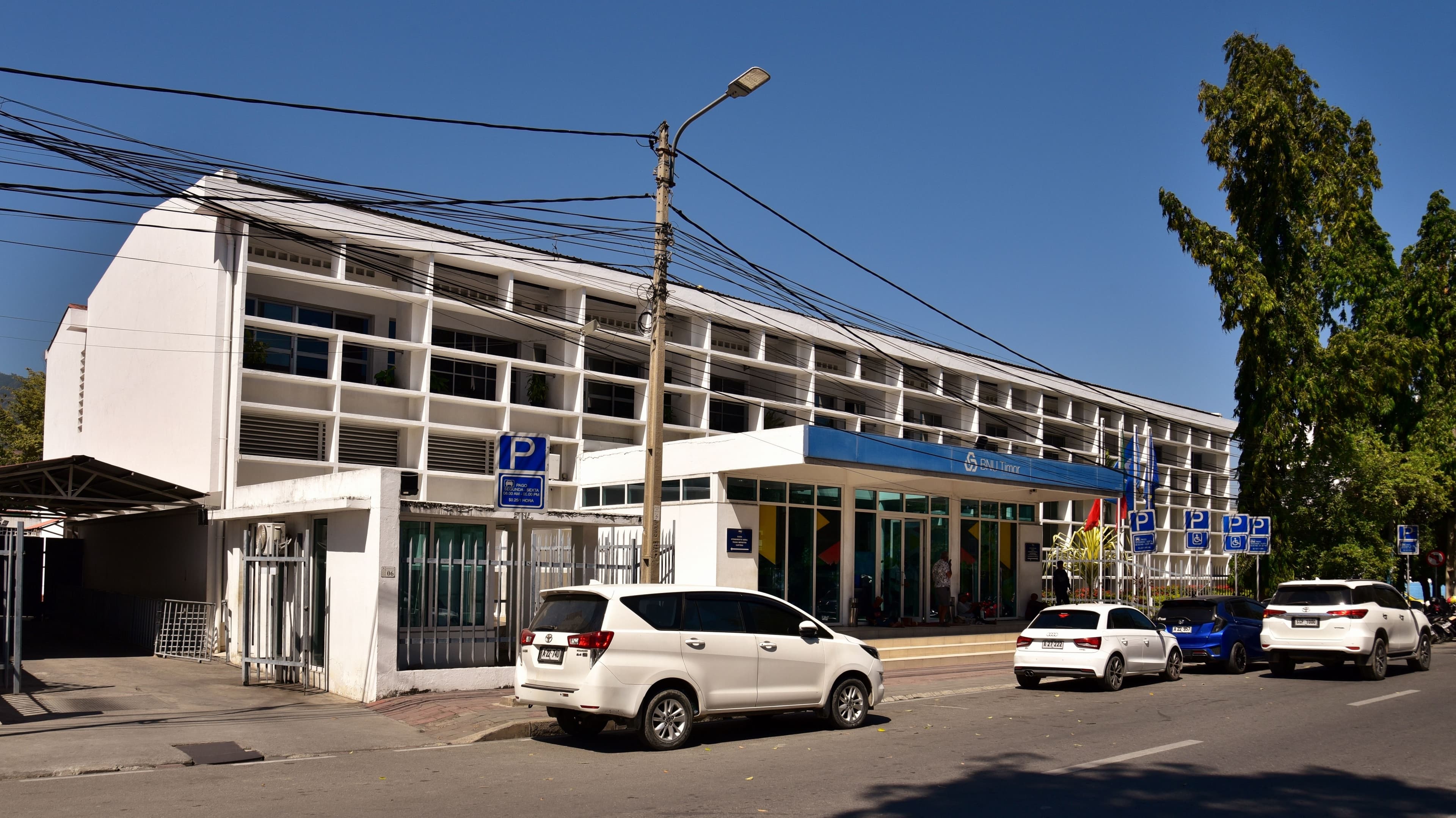
Through the 1960s Schiappa de Campos continued to work for the GUU’s successor organisation, the Planning and Housing Services Directorate (DSUH), undertaking advisory role in planning the development of Maputo and travelling to Timor, where he designed a headquarters and employee housing for the Banco Nacional Ultramarino, in Dili. Following the Revolution of 1974, Schiappo De Campos moved to the Study and Planning Office at the Ministry for Housing, Urban Planning and Construction. Alongside his work for the government, Schiappo de Campos also taught at the Escola Superior de Belas-Artes de Lisboa from 1969-80, also maintaining a private practice in latter years, based in Lisbon.
Sources
- Architectural Association Council Minutes Books, 23rd February, 1959, p317, AA Archives
- Architectural Association Membership List, 1961
- Figueira, Jorge, and Bruno Gil. ‘Otto Koenigsberger and the Course on Tropical Architecture at the Architectural Association, London. Some Notes on the Portuguese Context’. Docomomo Journal, no. 48 (1 July 2013): 70–75
- Fundación Docomomo Ibérico. ‘Cinema Virginia’, Accessed 2nd November 2023. https://docomomoiberico.com/edificios/cinema-virginia/
- General Conference Papers from the United Nations Conference on the Application of Science and Technology for the Benefit of the Less Developed Areas. UN, 1962.
- Ana Vaz Melheiro, ‘Fernando Schiappa de Campos’ Jornal Arquitectos, 238. Accessed 29th January 2024. http://arquivo.jornalarquitectos.pt/en/238/Grey%20Eminence/.
- Scambary, James, and Joana de Mesquita Lima. ‘Geographies of Power: Implementing Community Driven Development in Urban Dili, Timor-Leste’. In Rural–Urban Dichotomies and Spatial Development in Asia, edited by Amitrajeet A. Batabyal, Yoshiro Higano, and Peter Nijkamp, 275–95. New Frontiers in Regional Science: Asian Perspectives. Singapore: Springer, 2021. https://doi.org/10.1007/978-981-16-1232-9_12.
- Silva, Carlos Nunes. Urban Planning in Lusophone African Countries. p. 46: Routledge, 2016.
- Working Papers. UN, 1963.
- Missão de Estudos do Habitat Nativo da Guiné, catalogue description of archival holdings, Arquivo Cientifico Tropical, Instituto de Investigacao Cientifica Tropical, Lisbon. Accessed 20th April, 2025: https://actd.iict.pt/collection/actd:AHUMEHNG