People
People
People
491 recordsBejan Ardeshir Bharucha
Year of study 1957
Abdul Razak Bin Hitam
Year of study 1961
Thao Boulom
Year of study 1955
Daniel Paulk Branch
Year of study 1957
Percival Alvin Branche
Year of study 1957
Edgar Montealegre Brenes
Year of study 1971
Neave Sinclair Brown
Year of study 1955
Robert Scott Brown
Year of study 1955
Peter Brown
Year of study 1957
Vondee Buranauvut
Year of study 1960
J.U. Burn
Year of study 1962
Sharaf el din Bushara
Year of study 1966
Phillip Mack Caldwell
Year of study 1971
Oscar Olinto Camacho
Year of study 1970
Manuel Sebastian Camisuli
Year of study 1964
Mostyn Fitzgerald Campbell
Year of study 1960
Kenneth H. Campbell
Year of study 1965
Michael Terrance Carden
Year of study 1959
Donald Samuel Cartwright
Year of study 1960
Roy Case
Year of study 1956
Hiang-Kui Chan
Year of study 1971
Kin-Wang Chan
Year of study 1966
Hong Kan Chan
Year of study 1957
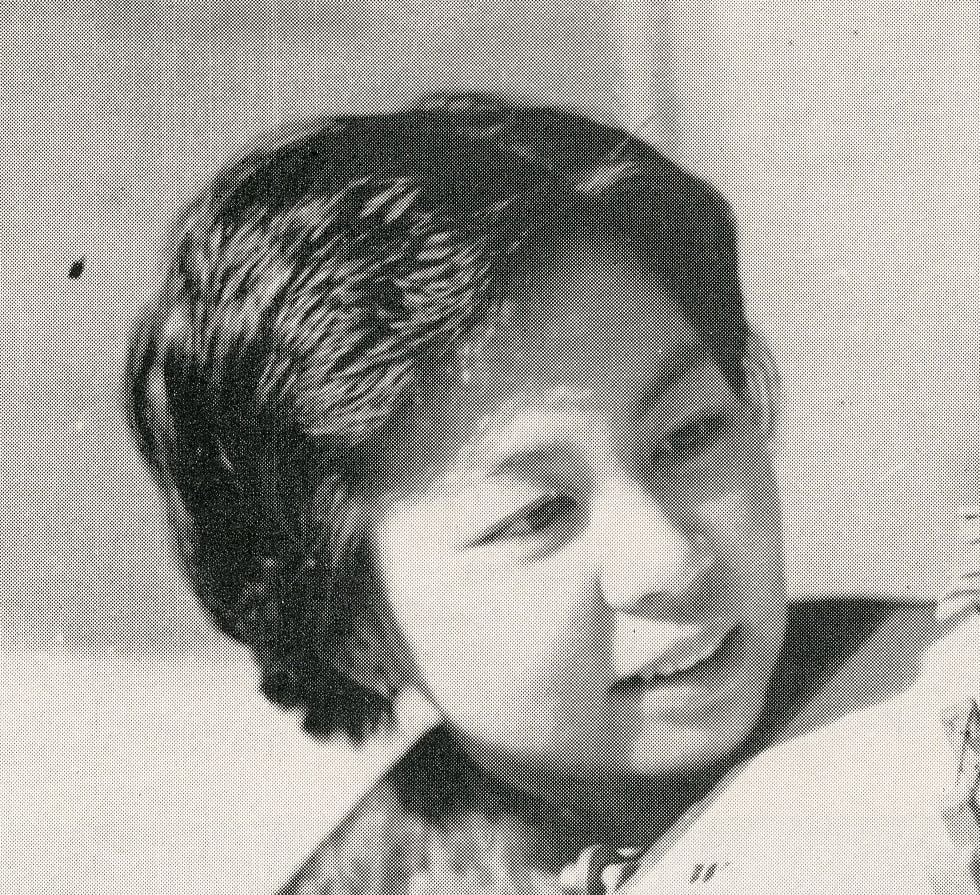
Arporn Chanchareonsook
Year of study 1961
Subhash Chander
Year of study 1960
Thavisakdi Chandrvirochana
Year of study 1959

Iqbal Abbas Chaney
Year of study 1969
Jay Chatterjee
Year of study 1959
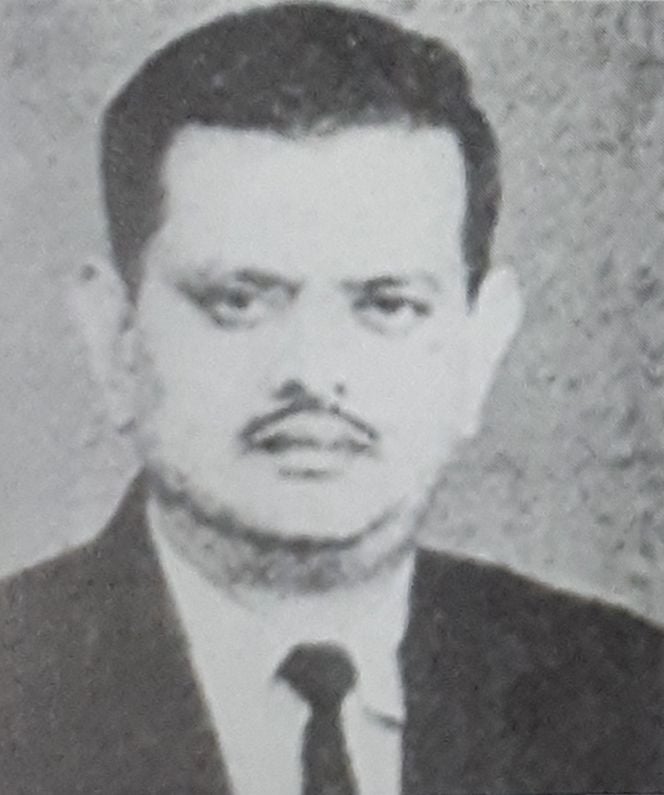
Arun Kumar Chatterjee
Year of study 1970
Peng Lee Choon
Year of study 1970