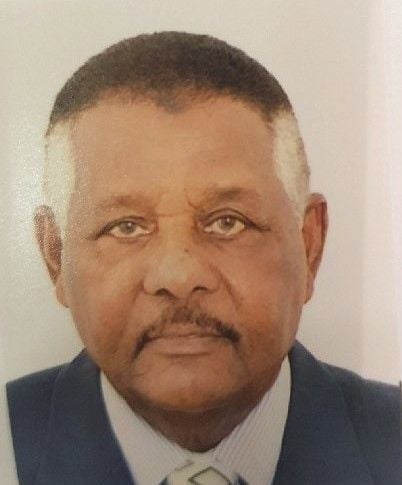
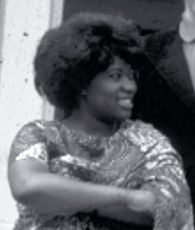
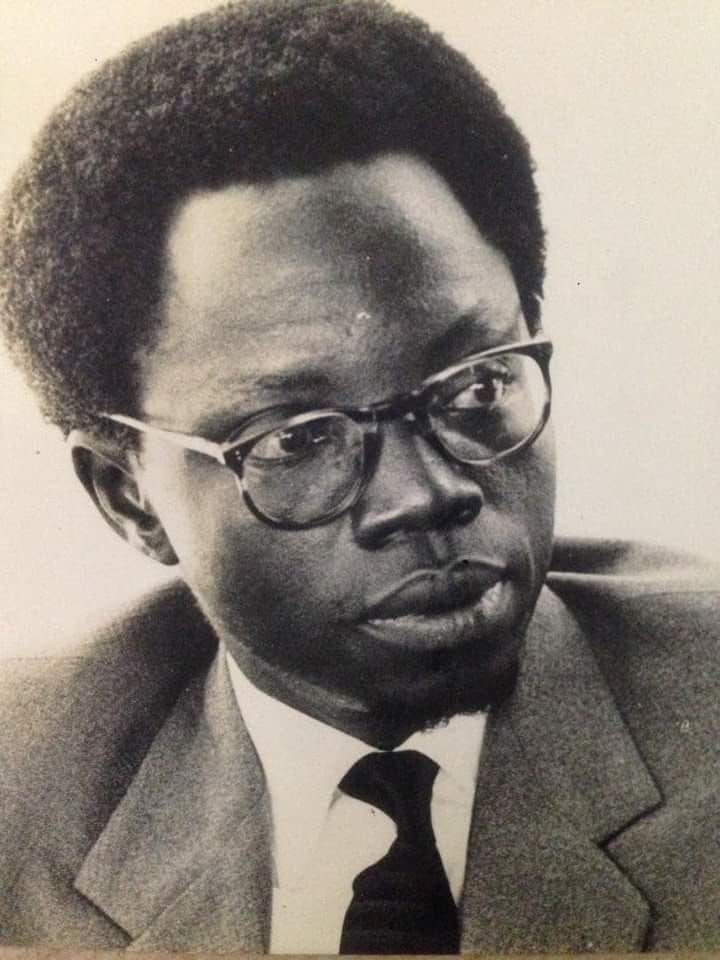
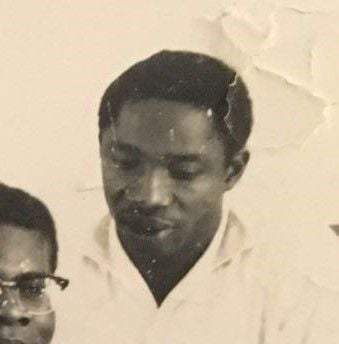
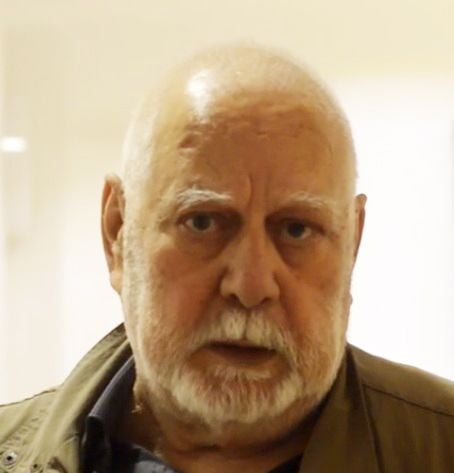
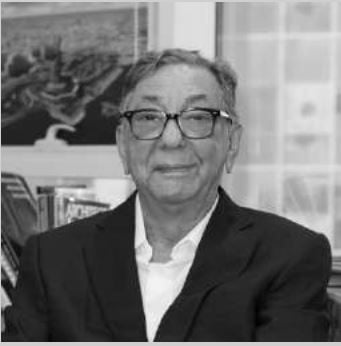
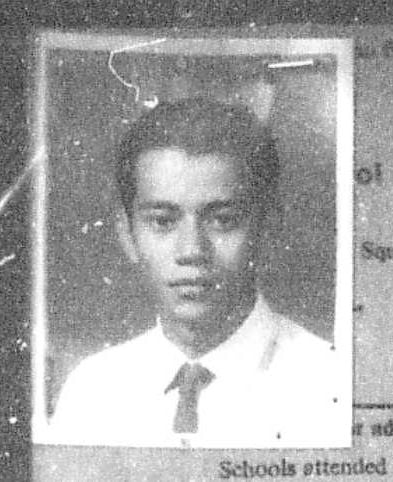
John Owusu Addo was born in 1928 in the village of Akwadum, in the Eastern Region of Ghana, where his father was a cocoa farmer. After attending high school in the city of Koforidua, Addo entered the Wesley Teacher Training College, now Wesley College of Education, Kumasi, Ghana. After graduating from there in 1947 he attended the prestigious Achimota Specialist Training College, in Accra, from c1947 until 1950. In 1952 he was appointed as an art teacher at the College of Art, within the University of Science and Technology, now Kwame Nkrumah University of Science and Technology (KNUST), in Kumasi. However, his interests lay more within architecture and after seeing an advert in the Gold Coast Gazette, for study in the UK, won a scholarship to attend The Polytechnic Regent Street School of Architecture (now University of Westminster), in London, from 1952-57. To gain practical experience, he also joined the London branch of Kenneth Scott Associates. He returned to Ghana in February 1959, and was employed by Scott’s Accra branch, where he worked on the Police Headquarters building on the Ring Road in Accra and on Scott’s own house. After around two years with Scott, Addo was invited to join the Development Office at KNUST and was responsible for the design of a number of remarkable buildings on campus, notably the Senior Staff Club House, 1964 (with Miro Marasovic) – a glazed square, elevated on piloti and housing an open-plan interior space, with wooden louvres and a continuous veranda to shield from the heat. Other major works for KNUST include Unity Hall (1967, with Miro Marasovic), a residential hall somewhat inspired by Corbusier’s Unite D’Habitation, but consisting of two 9-storey blocks standing on piloti, with corridors, shutters and balconies providing air circulation and shading.
In 1963 the Architectural Association, in London, entered into a contract with KNUST “to establish a link between the AA School of Architecture and the Faculty of Architecture of KNUST for the development of education, planning and building.” As part of this programme, an AA tutor, John Lloyd was appointed as Head of the Faculty at KNUST. Addo recalls how Lloyd was impressed with his work on campus and wanted him to join the teaching faculty. This entailed Addo first undertaking further training by means of attending the AA’s six-month, postgraduate course at their Department of Tropical Architecture in London. On completion of this UK sojourn, Addo and a number of his friends purchased an old taxi and embarked upon a tour of Europe, spending several months visiting churches, cathedrals and chateaux. He was to return to Ghana in 1964 and take up the position of Associate Professor at KNUST and Chief Architect at KNUST’s Development Office. By 1966 he was the Head of the postgraduate course and, following Lloyd’s departure, was promoted to Head of the Architecture Department in 1974 – the first Ghanian to hold this role. Four years later he was promoted yet again to Dean of the Architecture Faculty. He was later also to serve as the Pro-Vice Chancellor to the university in 1980-82.
Addo’s pioneering teaching and educational reforms at KNUST were hugely significant. Talking in a BBC interview in 1970, Addo describes how “we have succeeded in throwing that out [RIBA syllabus] completely and building up our own syllabus which is suited to the needs of the country. The programmes for second, third and fourth years have all been based on actual projects. At the end of the third year, students are taken out to survey rural areas and during the ensuring year the entire programme is based on the results of this survey. In the fourth year the same thing is repeated, but this time in the urban environment… This means that the general syllabus for the architecture course in Kumasi is based on the specific requirements of the country.”
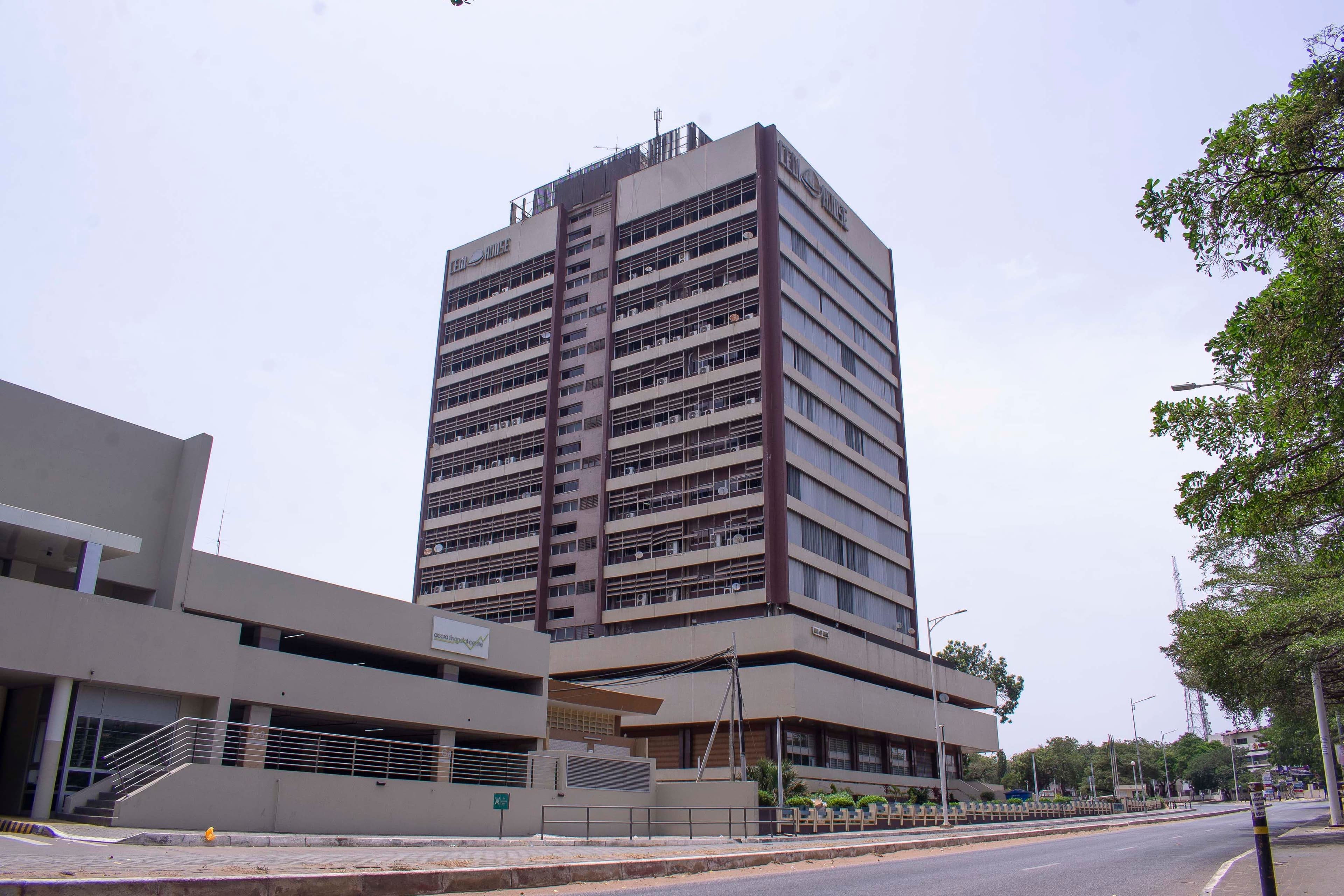
In the early 1980s John Owusu Addo spent year at the University of Nigeria in Nsukka, Enugu State before moving to Imo State University in Owerri, where he was instrumental in setting up a post-graduate programme. He was to return to teaching at KNUST in 1986 until his formal retirement in 1988. Alongside his teaching, John also continued to practice as an architect, designing Cedi House, which houses the Ghanaian Stock Exchange and Bank of Ghana (1973), his own home at Nhyiaeso, Kumasi (1995), and supervising the construction of the Accra International Conference Centre (1991). He has been the recipient of many awards, including the Order of the Volta (2005), for outstanding service to the Republic of Ghana, and the Ghana Institute of Architects’ Life-time Achievement Award (2007).
Sources
- Architectural Association Council Minutes, 16th March, 1964. AA Archives
- Architectural Association Student Register 1945-1972, AA Archives
- Architectural Association Diploma Roll Book, 1924-1963, AA Archives
- Architectural Association Student Records, Registrar’s Office. AA Archives
Requested from Christopher Turner (01/09/25);
Film stills – Charlie Laing:
- Senior Staff Club House, p154 and 155
- John Owuso Addo, p.150
- Unity Hall, p 149
KNUST
- Sketch of Senior Staff Club House, p146
- Sketches of Unity Hall, pp146-7