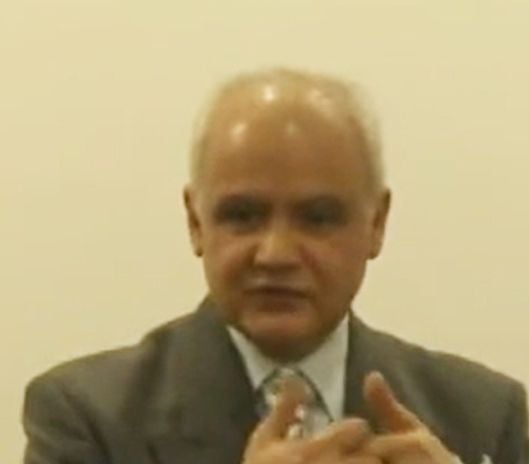
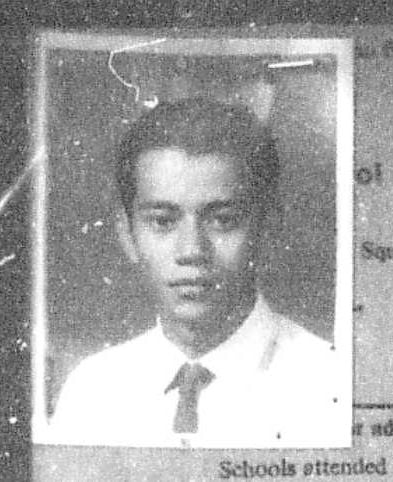
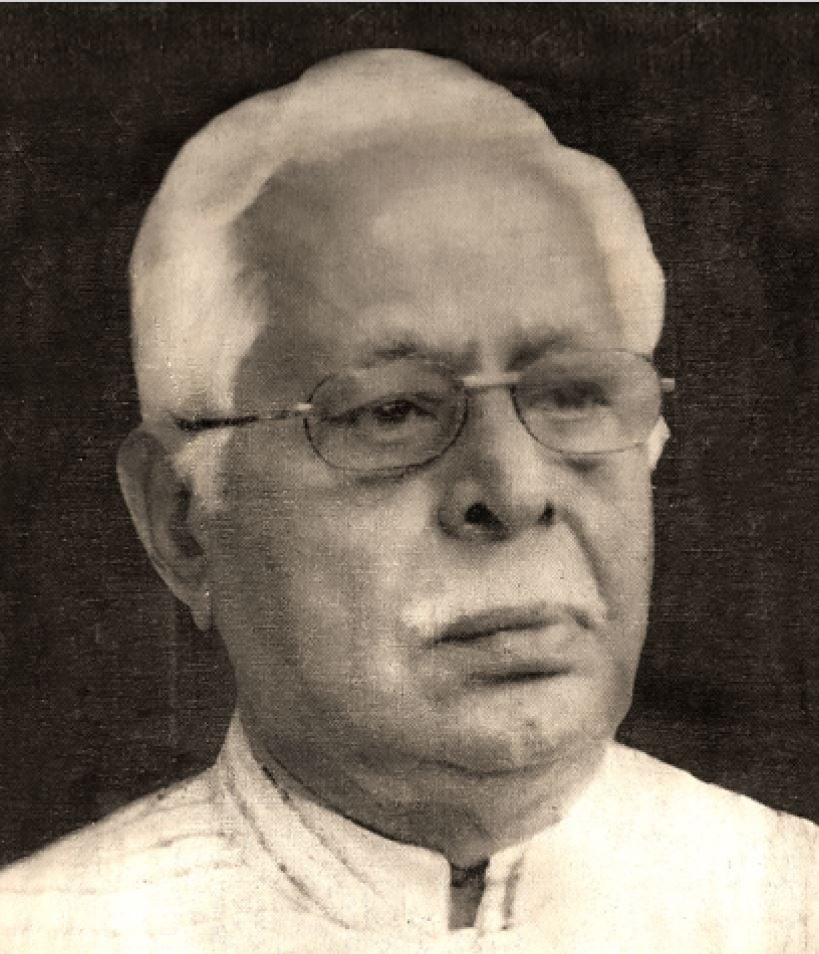
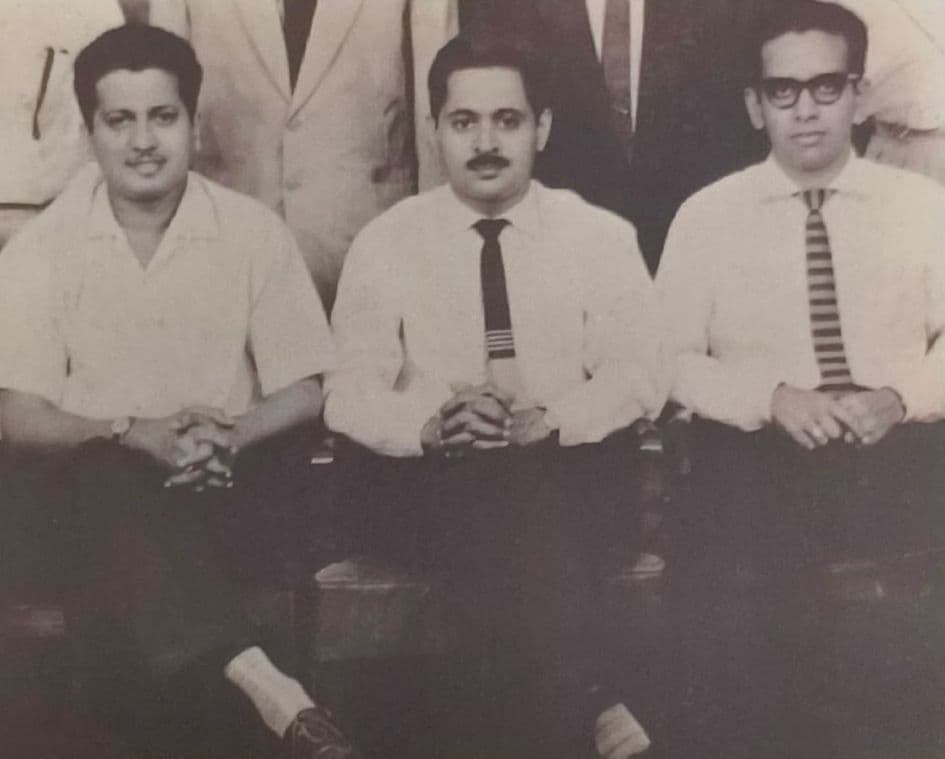
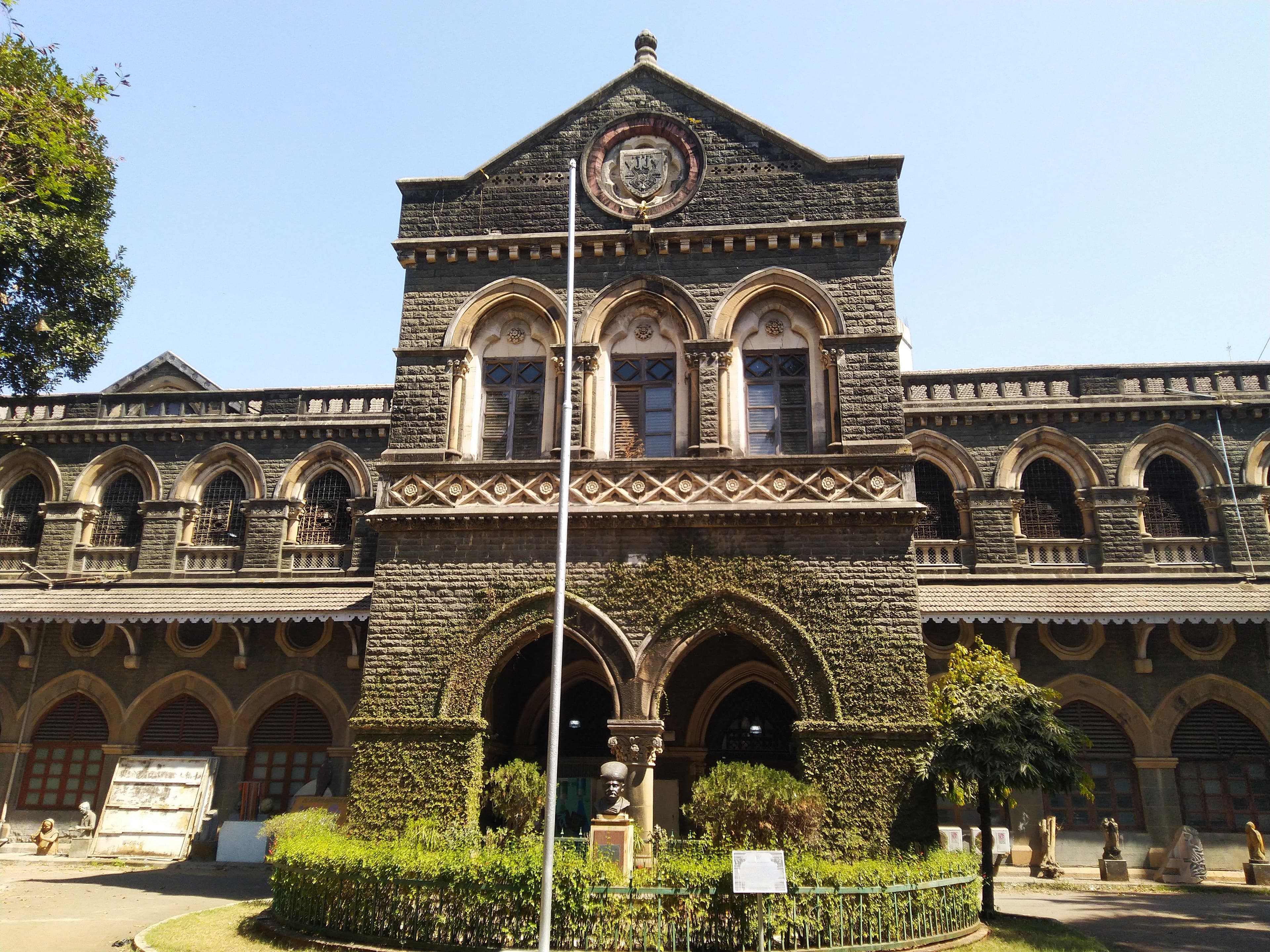
Samant Wandrekar was born in the town of Dahanu, in the Palghar district of Maharashtra State, India, in April 1932. His father was an artist and taxidermist at the Prince of Wales Museum, now the Chhatrapati Shivaji Maharaj Vastu Sangrahalaya, Mumbai. He entered the Sir J.J. School of Architecture, in the same city, in 1949 and graduated 5 years later, gaining the Gold Medal for best design in his Diploma year. In 1955, aged just 23, Sumant Wandrekar joined two other Sir J.J. School alumni, Vidyadhar G. Mhatre and Chandrkant K. Gumaste, to form a private, part-time school for architects in Bombay. The Academy of Architecture was initially housed in the Chabildas Girls’ School, Dadar, with an inaugural intake of just 13 students – a figure which was to rise, after two years, to in excess of 170 students. According to his diaries, Wandrekar was planning to come to the UK in February 1956 in order to undertake post-graduate studies in Town Planning, Interior Design and Landscape Architecture but the rapid growth of the Academy and the work involved in gaining Government recognition for it meant that he had to put such studies on hold. By 1960, the Academy had been renamed the Rachana Sansad Academy of Architecture and two years later Wandrekar felt sufficiently secure to take a leave of absence and pursue postgraduate studies at the Architectural Association’s (AA) Department of Tropical Studies, in London. Wandrekar’s diaries are particularly revealing for this period: “The SUN is our Enemy”. This was the first statement made in the first lecture on the first day in our ‘colorful’ class of students from different tropical countries and Europe. It was shocking for me. We are people who respect and hold the Sun in the highest regard. In India, our day starts with worshiping the Sun. However, I did not want my first day to start with a controversy, so I remained silent. I was quiet but my Prof. Dr. Konigsberger became my enemy (silent). I went through this tropical architecture course in the coldest winter in England (1962-63). I got my certification and learnt a lot about other things. Being a student at AA School, London was a prestigious thing all over the world. I befriended a lot of architects from over the globe. Since I had inherited my Mama’s (Uncle’s) business acumen, I reaped maximum benefit out of this British institution as, besides studies, I also had my own personal agenda of learning their methodology of selection of H.O.D.’s, course planning, pedagogy, etc… Thus was sown the first seed of making ‘Rachana’ a world class institution like AA.” Whilst at the AA, Wandrekar was also employed part-time by the modernist architect, Erno Goldfinger, working on a project proposal for Elephant and Castle (presumably Alexander Fleming House, now ‘Metro Central Heights’). Following his graduation from the AA course, Wandrekar returned to Mumbai where he led the development of the Academy and its transformation into one of the premier design schools in Mumbai. Of the three co-founders, V.G. Mhatre died relatively young and C.K. Gumastre continued to play an administrative role, however Wandrekar describing his own role, as Director, as one which was “to plan and introduce new courses, take them to international levels, handpick suitable heads for the courses and see that they deliver the job entrusted to them…” After a long and illustrious career, celebrated by his students and staff, as an inspirational and Idealistic visionary for educational change, Wandrekar formerly retired as Chairman of Rachana Sansad in 2012.
Sources
- Architectural Association Council Minutes, 13th February, 1963. AA Archives
- Architectural Association Journal, April 1963, pp.302-309, 312-313
- Wandreka, S. ‘Rachana: Pages from my diary’, Manik Sumant Wandrekar, 2015
- Bhatia, H. Becoming Hafeez Contractor: The Making of an Architect Harper Collins, 2019.
- ‘About Us: History’ Academy of Architecture Alumni website, Accessed 17th July, 2025: https://www.aoaconnect.in/
- ‘History’ Rachana Sansad Academy of Architecture website. Accessed 17th July, 2025: https://rachanasansad.edu.in/m/history.php
Acknowlegements
With grateful thanks to Prof Swati Chokshi, Principal In Charge, Rachana Sansad Academy of Architecture, Mumbai.