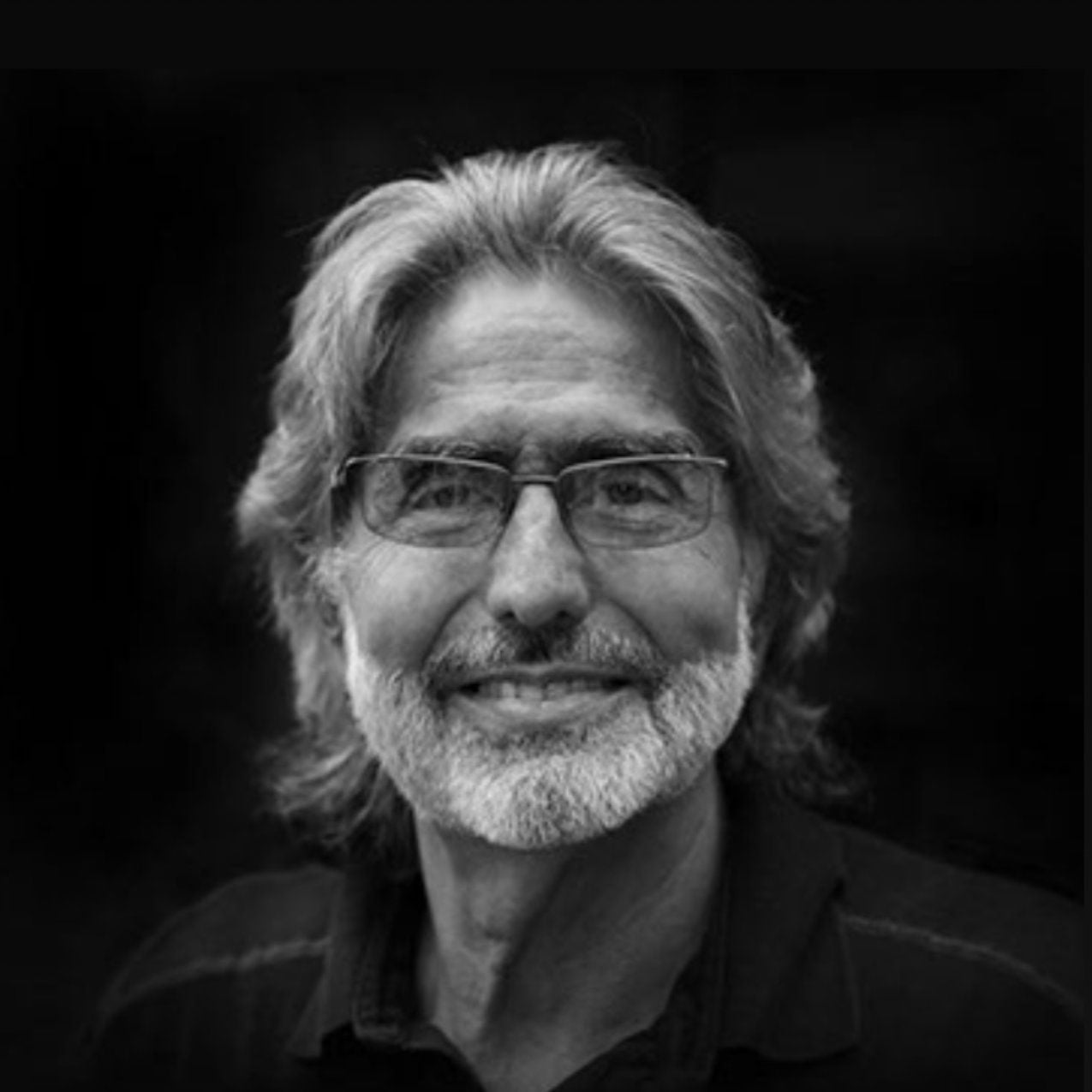
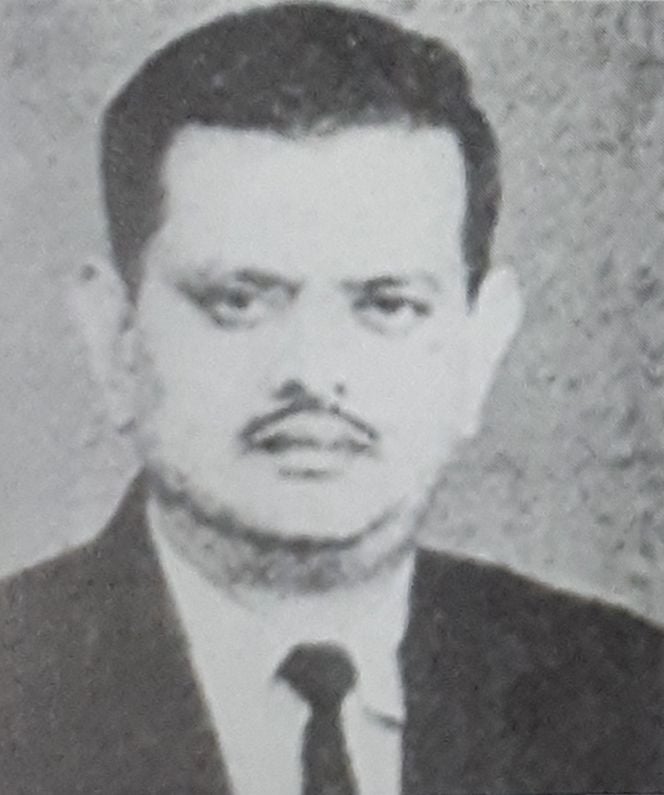
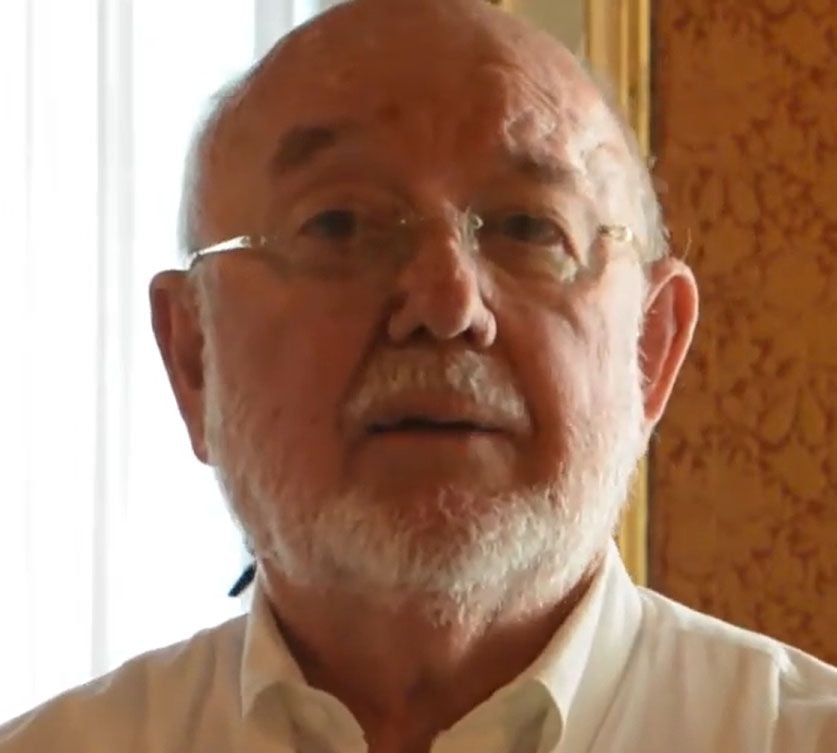
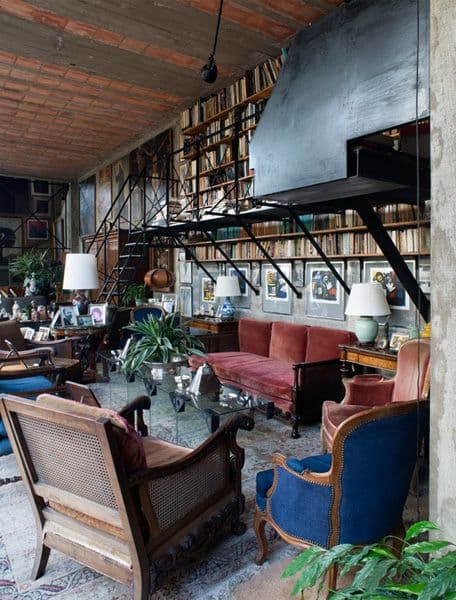
Frederick Cooper is recorded as a Peruvian student enrolled on the 1963-64 postgraduate course run by the Architectural Association’s Department of Tropical Studies, in London. However, it appears he only attended the occasional lecture, instead studying privately with Nicholaus Pevsner and attending courses at London’s Birkbeck College and Courtauld Institute - followed by a spell at the University of Rome and the Institute of Art and Archaeology in Paris. Cooper had previously graduated from the National University of Engineering (UNI), in Lima, in 1960. On his return to Peru c1966 he became a founding member of ‘Bryce Cooper Graña Nicolini Arquitectos’ (now CGGMS). Some of the earliest work included low-cost housing projects for the Peruvian government but their first major success was in 1969, with one of the winning entries to the PREVI Housing Project competition, a brief which required an alternative to the massive informal settlements which had developed in recent decades in Peru. His designs for PREVI are now housed within the MOMA’s collections in New York. The firm rapidly became one of the premier practices in Peru, one of their major clients being the Pontifical Catholic University of Peru (PUCP), where they designed over 15 buildings in the 1970s, including the Central Library, the Central Administration building, the Pastoral Counselling Center and the Faculty of Social Sciences. Over his career, Cooper has been involved in the design and construction of over 450 major projects, ranging from hospitals, to banks, museums and commercial buildings. Some of his most significant works include the Cusco Regional Hospital and the Alide Building, Lima (c1979), and headquarters for both the Banco Continental de Piura (1993) and the Banco Agrario de Cusco – the latter winning the Golden Hexagon Award at the 5th Peruvian Architecture Biennial in 1983. His San Pedro School was selected as the Silver Hexagon Award winner in 2000 and his Museum of Contemporary Art, in Lima, has been much celebrated. His own residence, Casa Cooper, in San Isidro, Lima (1974) has equally been hailed as a deeply poetic modernist masterpiece and is the subject of a recent monograph (2022).
Alongside his architectural practice, Cooper has been deeply immersed in the world of Academia, starting his teaching in 1966 at UNI, where he obtained the position of full professor. He also developed a close relationship with PUCP and was a key member of the commission responsible for the design and organization of the Faculty of Architecture and Urbanism, serving as the President of the Governing Commission and as the first dean of the Faculty (2002). He was also responsible for the design of the Faculty building. Cooper continued to teach there for many years and was awarded the title of Emeritus Professor in 2022. Cooper has also been a keen supporter of the field of architectural publishing and was the founder and director of the journal Arkinka, Revista de Architecture. He has also been a regular columnist and contributor to El Comercio newspaper, La República, and El País (Spain). In 2023 the Cooper Grana Nicolini Archive was established within El Archivo de Arquitectura at PUCP, following a donation of drawings and materials by Cooper and Antonio Grana.
- Sources
Architectural Association Council Minutes, 16th March, 1964. AA Archives - Architectural Association Student Register 1945-1972, AA Archives
- PREVI Revisited: A Contemporary Approach to the Proyecto Experimental de Vivienda in Lima. Background: Interview with Frederick Cooper. Digital Architecture Papers, Issue 9, June 2012. Accessed 16th September 2025: https://www.architecturalpapers.ch/indexda46.html?ID=95
- Frederick Cooper: Conversación con Luis Rodríguez. El Archivo de Arquitectura PUCP website, 2021. Accessed 16th September 2025: https://galeria-arquitectura.pucp.edu.pe/exposicion/conversaciones-arquitectos//frederick-cooper/
- El Fondo documental COOPER GRAÑA NICOLINI. PUCP website, accessed 15th September 2025: https://arquitectura.pucp.edu.pe/coleccion/cooper-grana-nicolini/
- Personal communication, Frederick Cooper, AA Archives, 18th September 2025.