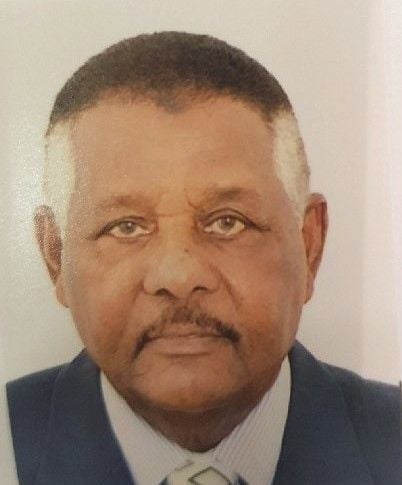
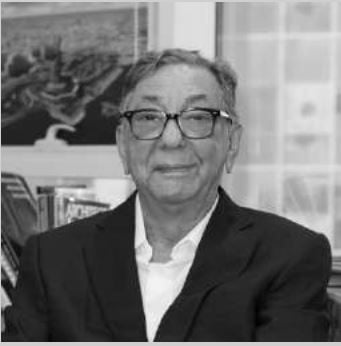
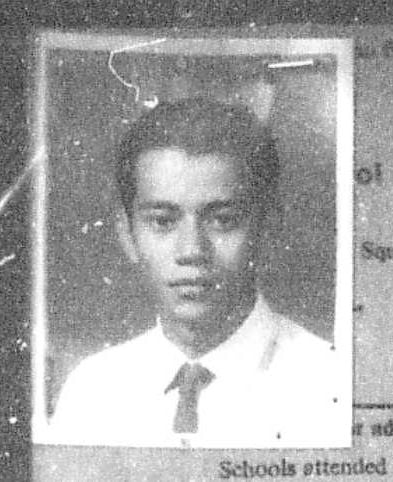
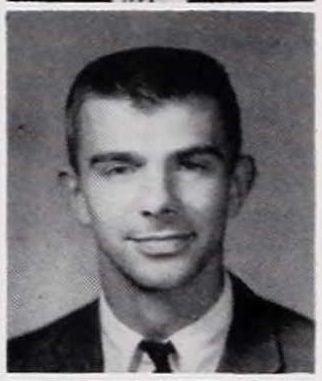
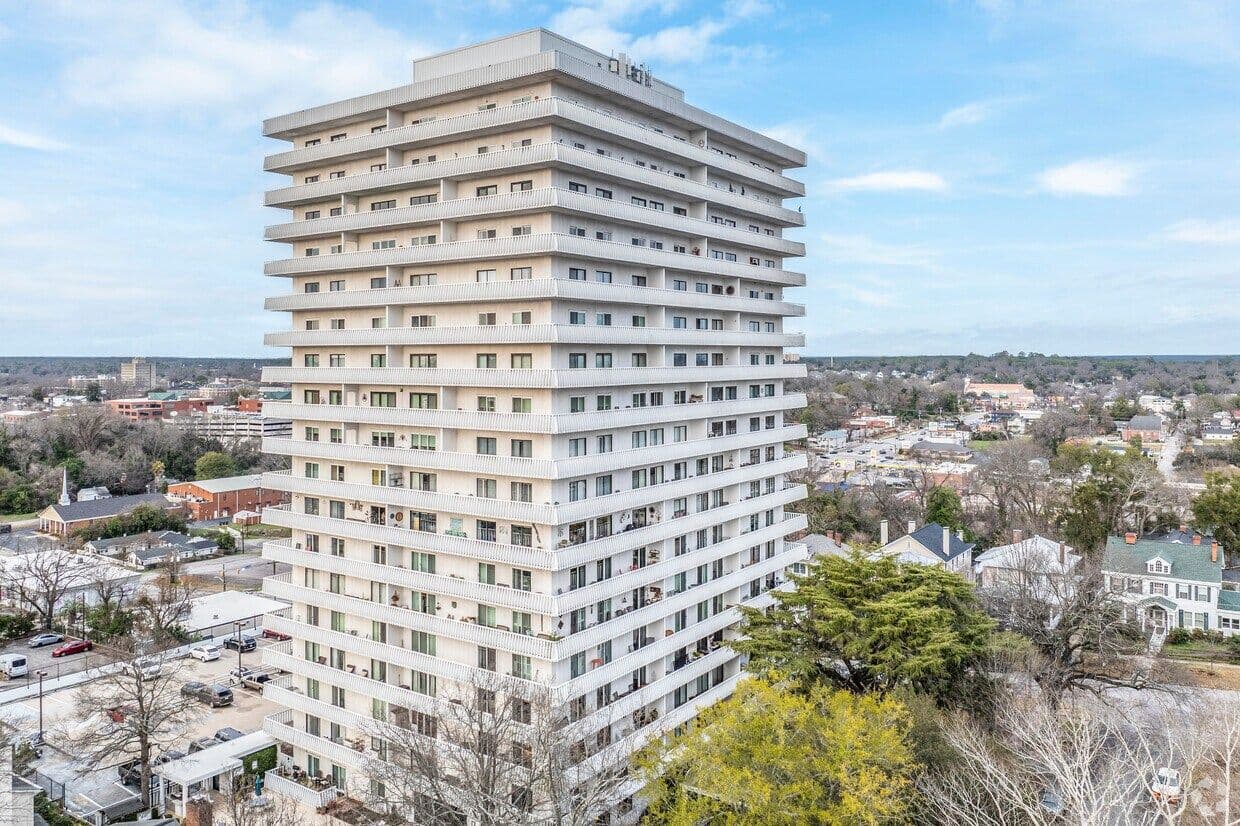
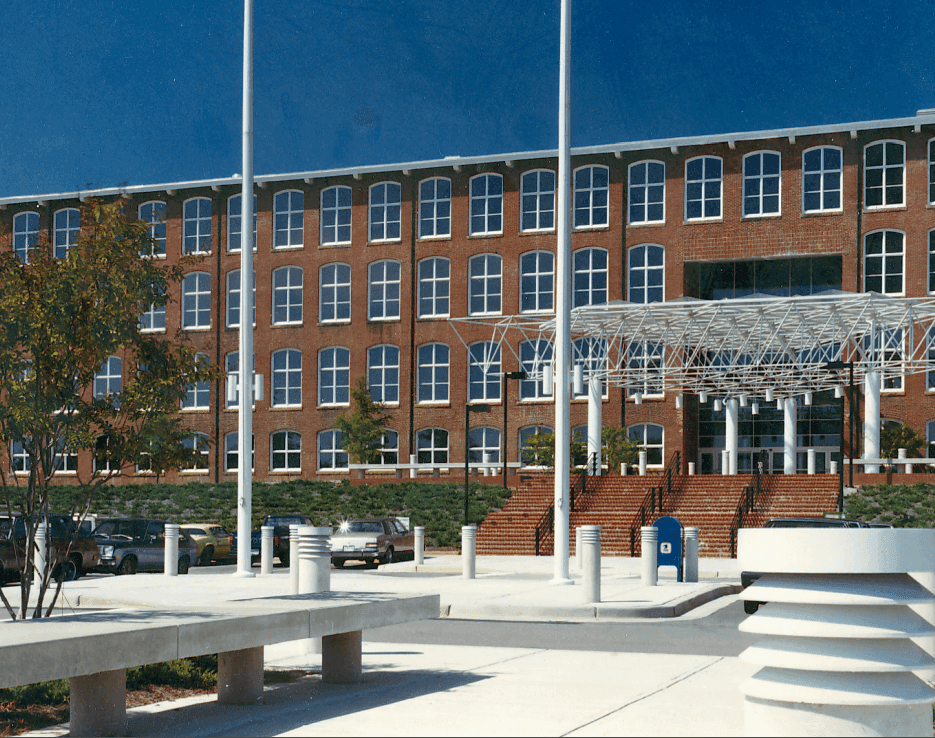
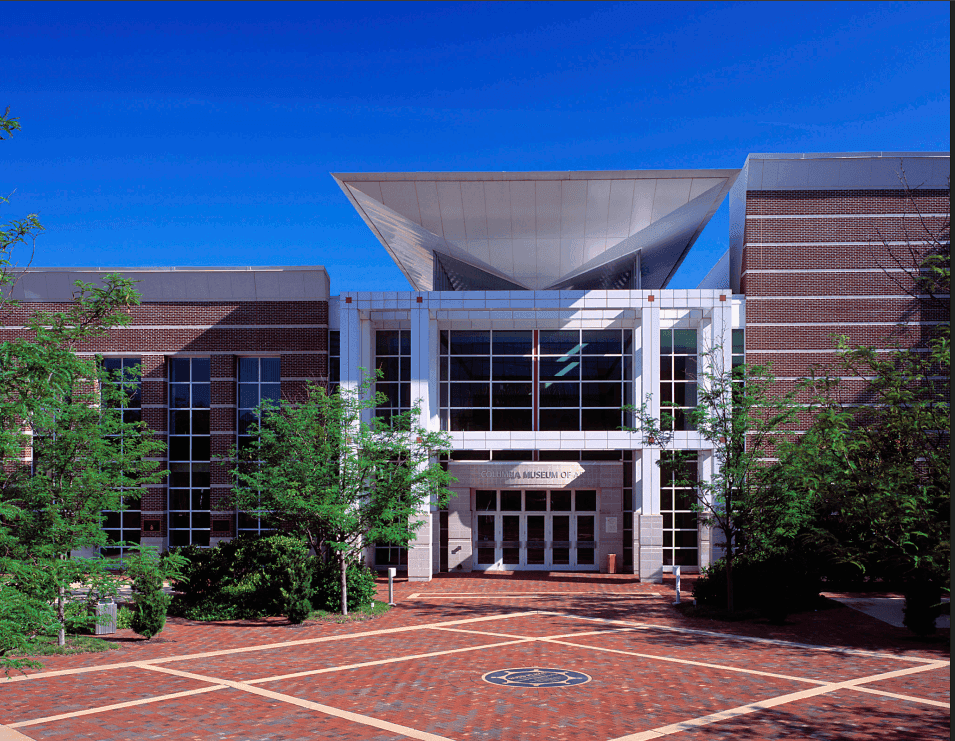
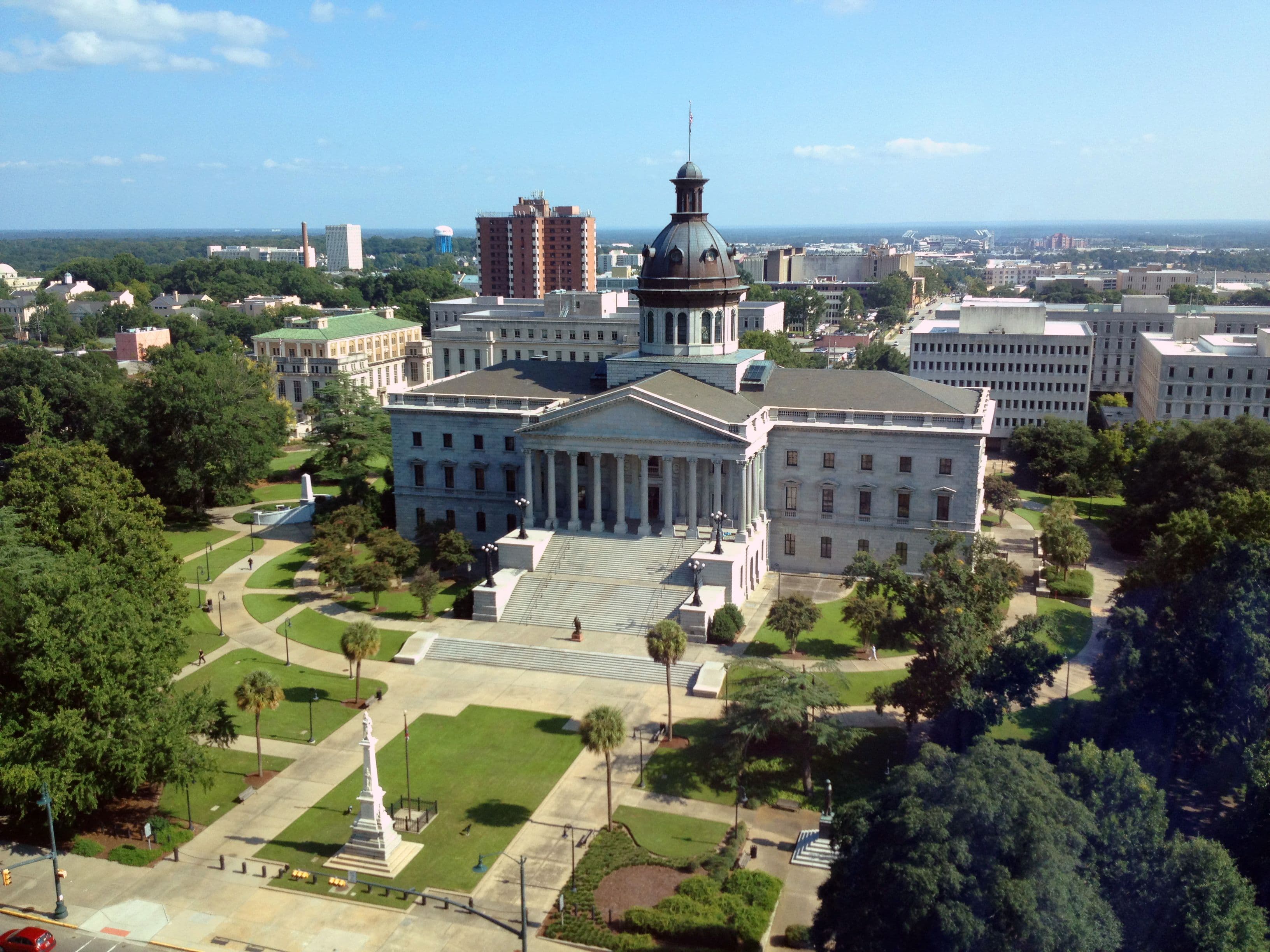
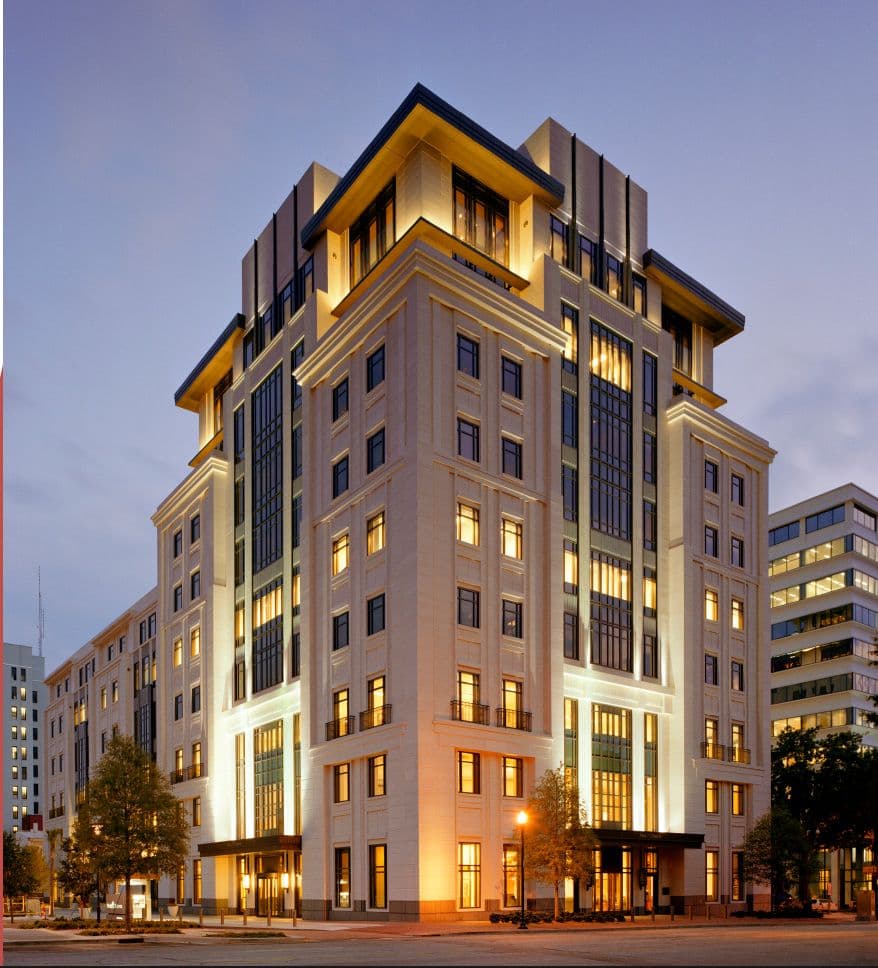
Robert Thomas Lyles was born in Columbia, South Carolina, USA, in 1941, the son of William G. Lyles, a founding partner in one of the most prominent architectural practices in the state. Robert attended Columbia High School and then studied for a BArch. at Clemson University, from 1959-65, where he was asked by Dean McClure to act as mentor and support for Harvey Grantt, the first African American student at the university – later a major architect and Democratic politician. During Lyle’s final year at Clemson, Dean McClure recommended he apply to the Architectural Association, London, for postgraduate studies. McClure sent a personal letter of recommendation to William Allen, the AA principal, and Lyles was accepted on the 1965-66 iteration of the ‘General Course’ run by the AA’s Department of Tropical Studies. By this stage, Lyles had already acquired significant experience, working with his father’s practice of Lyles, Bissett, Carlyle and Wolff (LBCW), alongside periods with Lyles and Lang Construction Company (1957), M.B. Kahn Construction (1959) and T. Ree McCoy and Son Construction (1964). On completion of his course at the AA, Robert returned to South Carolina and joined his father at LBCW, where he was placed in charge of the Comprehensive Design subsidiary. With retirement of all four original partners in the mid-1970s and the economic recession, the firm was sold to Combustion Engineering. Robert took the opportunity to join the Atlanta practice of Stevens & Wilkinson (SW), opening a branch for them in Columbia. He was rapidly promoted and given a seat on the Board, then serving as President, and finally Chairman, of SW, holding the latter role for 15 years. Under his leadership, SW developed into a major presence in South Carolina, contributing a significant number of landmark projects within the state. Amongst the most important of Robert’s early works was The Heritage, an upscale, high rise condominium sited on Senate Street, Columbia, designed alongside his father and completed in 1974. His work with SW is perhaps best represented by the South Carolina State Museum, Columbia, which was opened in 1986 after SW’s imaginative renovation and conversion of a 19th C former hydro-electric cotton mill. Other major projects in the city include the Columbia Museum of Art (1998), the renovation of the South Carolina State House (1998) and the First Citizens Bank Headquarters (2006). Towards the end of his career, Robert’s achievements were recognised by being presented with the Order of the Palmetto (the highest civilian honour in South Carolina), for his lifetime of outstanding contributions to Columbia and the State of South Carolina.
Sources
- Architectural Association Student Register, 1945-71. AA Archives
- Architectural Association Registrar’s Records, 1965. AA Archives
- Architectural Association Council Minutes, 18th July 1965
- AIA American Architects Directory, 1970 (3rd ed.). American Institute of Architects, 1970, p565
- Lee, C. “Preserving the Architectural Legacy of Lyles, Bissett, Carlisle and Wolff, 1948-1976.” Master’s Thesis, University of South Carolina, 2016
- ‘Obituary, Robert Thomas Lyles, AIA, July 27, 1941 – July 30, 2024’ Dignitymemorial.com website, accessed 21st November, 2025: https://www.dignitymemorial.com/obituaries/columbia-sc/robert-lyles-aia-11920680