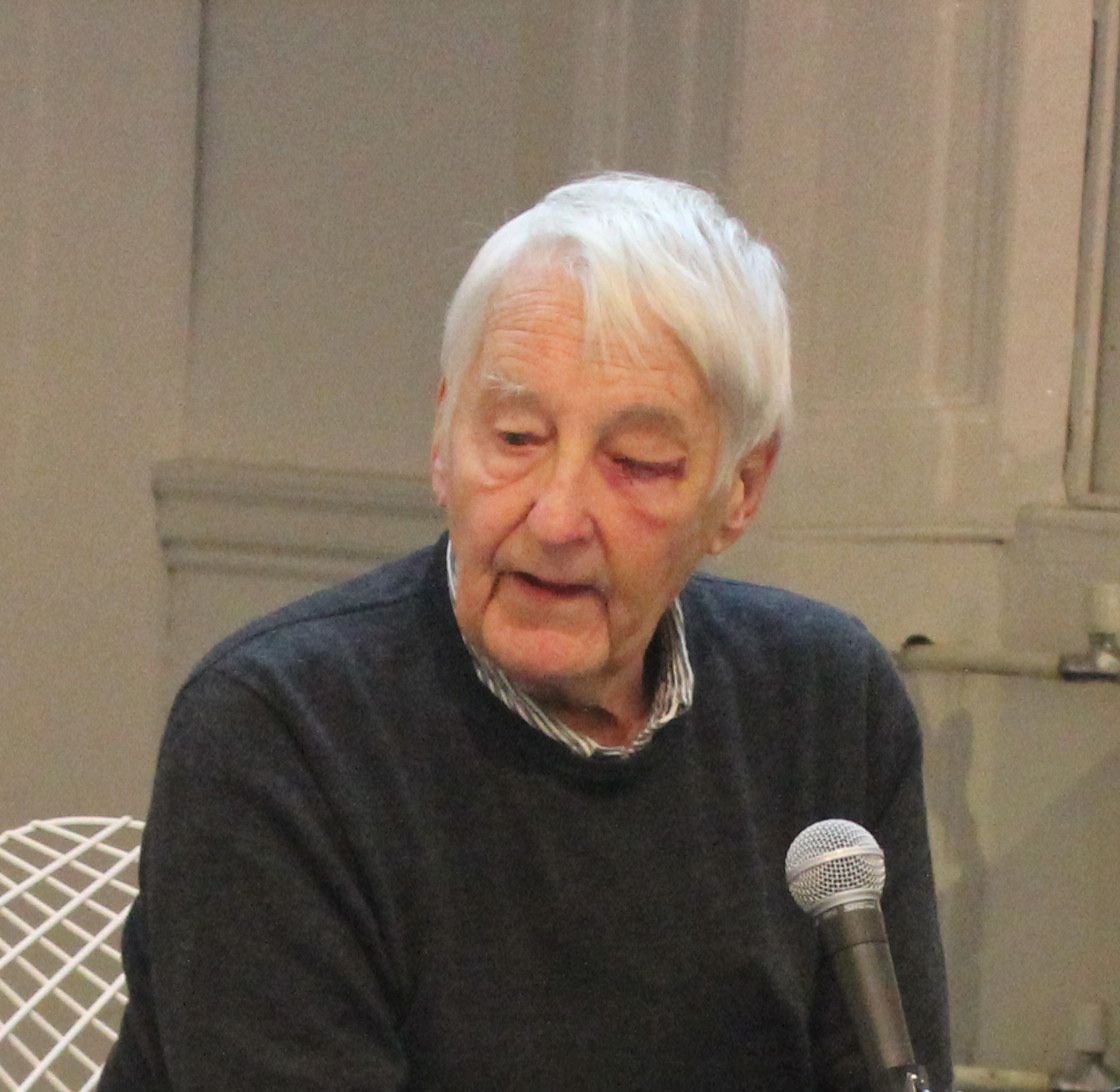
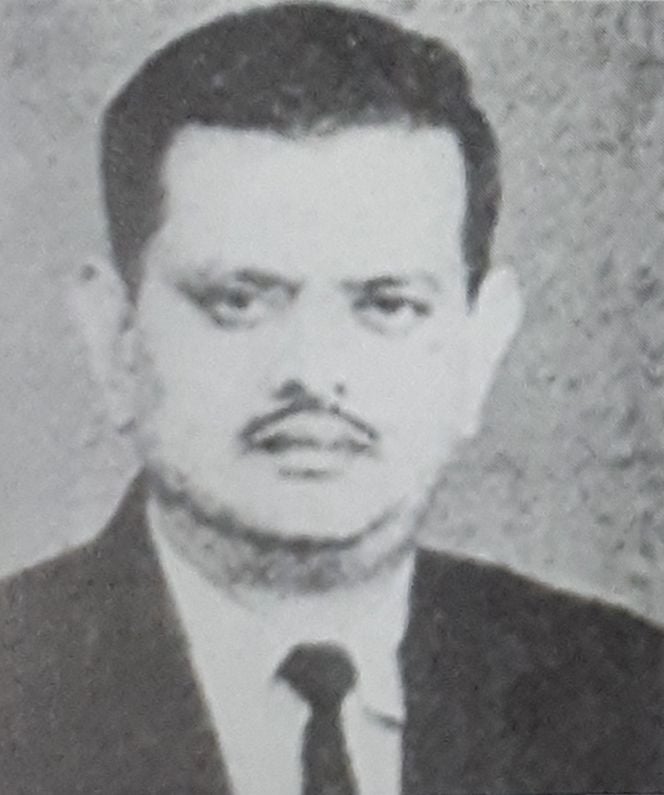
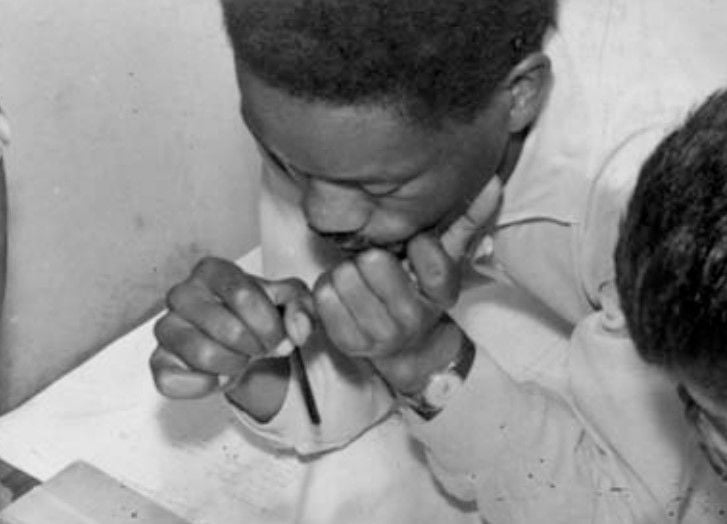
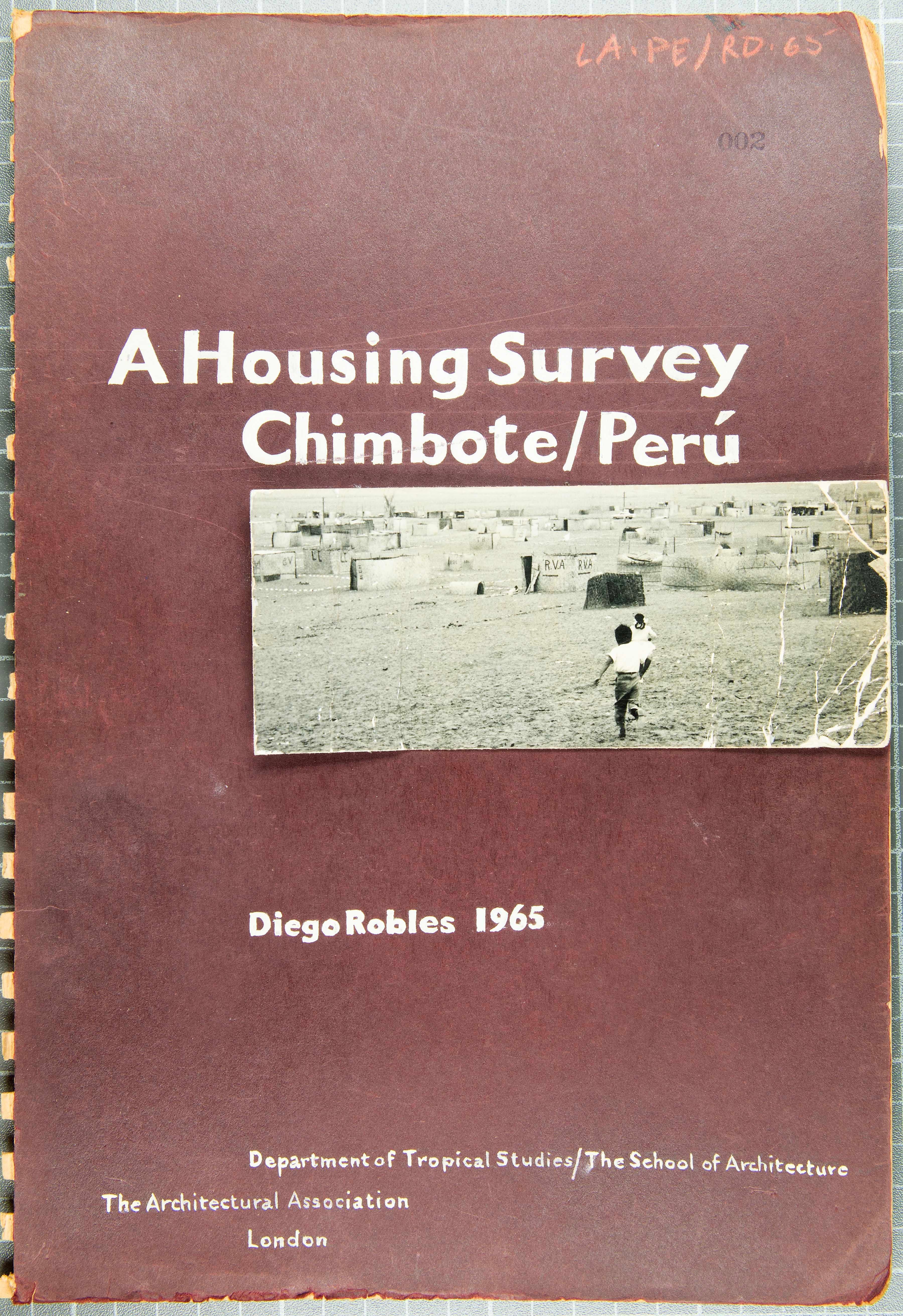
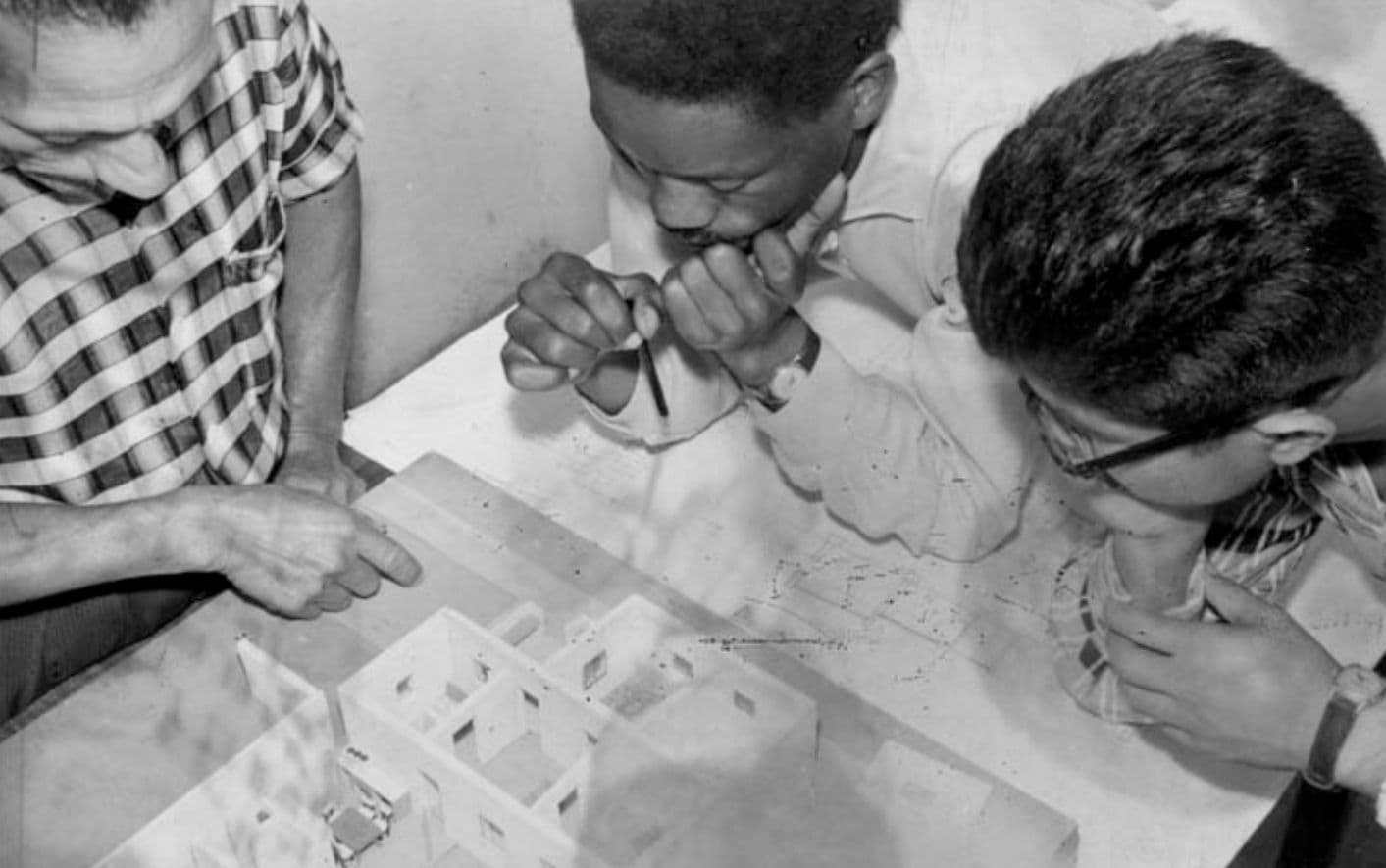
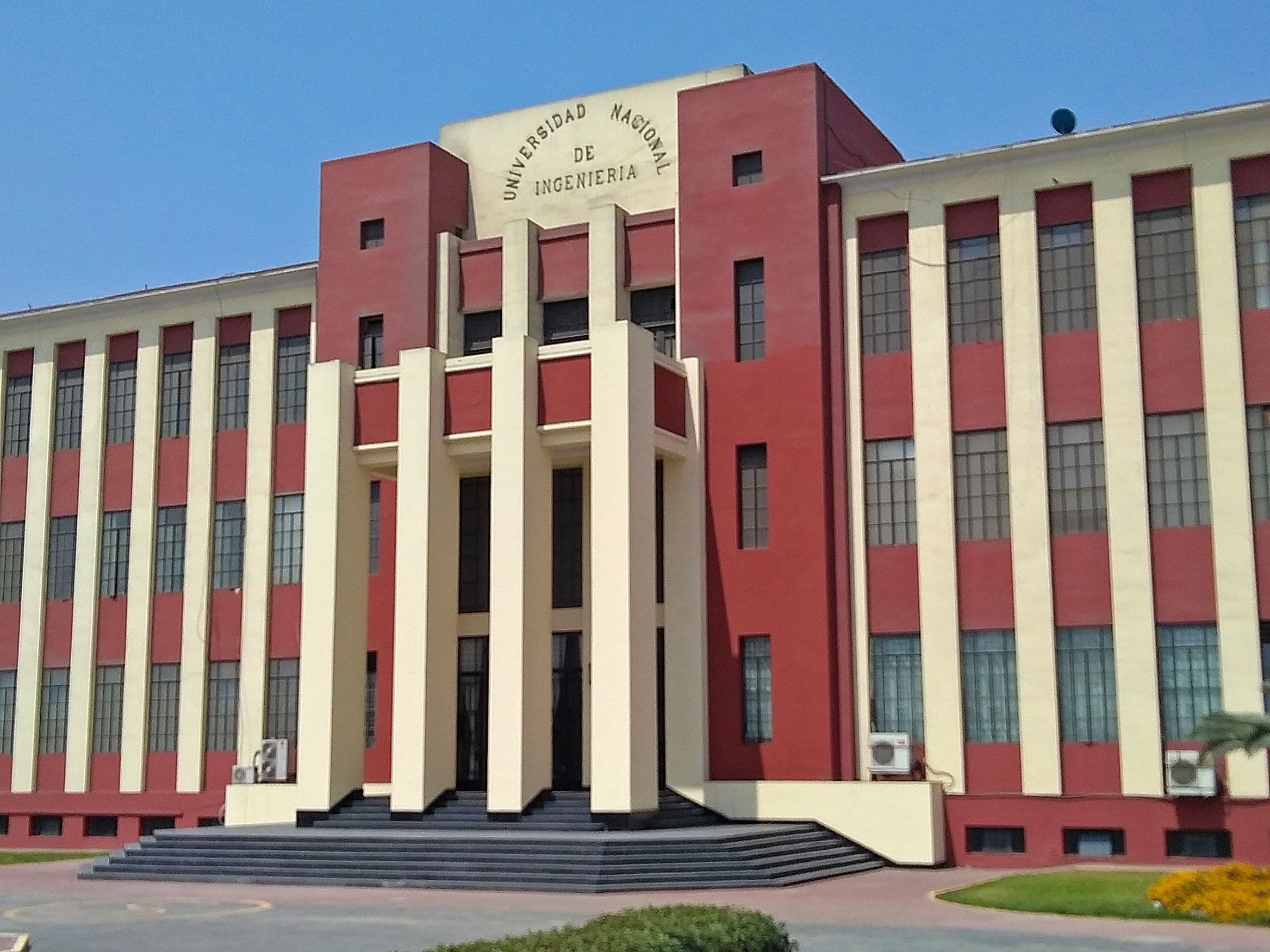
Diego E. R. Robles is an Afro-Peruvian architect and planner. He grew up in Lima and studied painting and drawing at the Escuela Nacional de Bellas Artes in the mid-1950s, before transferring to the architecture course at the Escuela Nacional de Ingenieros. Whilst a student in the latter institution, Robles was living in a barrio popular and became closely involved in resisting land invasions and aiding pobladores in the drawing up of urban plans. After hearing the British architect and advocate of self-help housing, John F.C. Turner, speak at the Escuela, Diego worked with him on a number of projects, including a community-built school in Lima and assisting urban development in the barrio of the city of Paramonga, for which he drew up plans, with Turner, for prototype housing. It is possible that Robles’ decision to travel to London and study at the Architectural Association Department of Tropical Studies, in 1964-65, was partly influenced by Turner, who himself had graduated from the AA a decade earlier. Robles enrolled on the ‘General Course’ at the Department and was awarded the AA Certificate in Tropical Studies in July 1965, his final thesis being entitled “A Housing Survey: Chimbote/Perú.’ (now housed within the John F.C. Turner archive at El Collegi d'Arquitectes de Catalunya (COAC), in Barcelona. In the same year, Robles published a seminal article in the Architects’ Year Book (1965), with Margaret Grenfell, on the topic of ‘Squatters in Peru’. He had returned to Peru by 1966 and began working in Chimbote, working on consolidating and improving the barrios. His work with informal settlements had by this stage gained him a reputation and he was appointed to the key role of civilian head of the Oficina Nacional de Desarrollo de Pueblos Jóvenes (ONDEPJOV) which was formed in December 1968, in the very early days of the Peruvian Revolution. Robles continued to work in the field of informal settlements and his writings, proving hugely influential in Peru and internationally amongst urban planners.
Sources
- Architectural Association Student Register, 1945-71. AA Archives
- Diego Robles Rivas, “A Housing Survey: Chimbote/Perú” (thesis, Department of Tropical Studies, Architectural Association, London, 1965), John Turner Archive, El Collegi d'Arquitectes de Catalunya, Barcelona
- Grenfell, Margaret, and Diego Robles Rivas. “Squatters in Peru.” Architects Year Book 11 (1965): 155-159.
- José Muñoz and Diego Robles Rivas, Estudio de tugurios en los distritos de Jésus María y La Victoria (Lima: ONPU, 1968)
- Diego Robles Rivas, “El proceso de urbanización y los sectores populares en Lima,” in Nueva visión del déficit de vivienda (Lima: DESCO, 1969), 52-53.
- Diego Robles Rivas, “Development Alternatives for the Peruvian Barriada,” in Latin American Urban Research, vol. 2, ed. Francine Rabinowitz and Felicity Trueblood (Beverly Hills: Sage Publications, 1972)
- The Informal as a Project: Self-Help Housing in Peru, 1954–1986 - Helen Elizabeth Gyger - Columbia 2014
- Diego Robles and Juan Sierra, “Sintesis del desarrollo del Barrio ‘La Libertad’ Chimbote-
- Ancash, Perú,” in Barrio El Acero de Chimbote, Perú, 45.