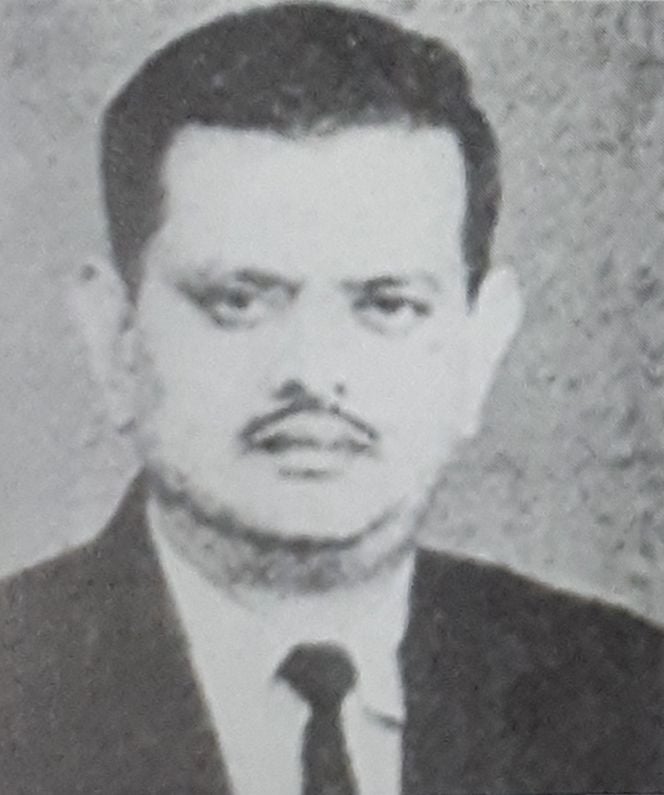
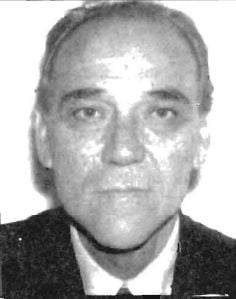
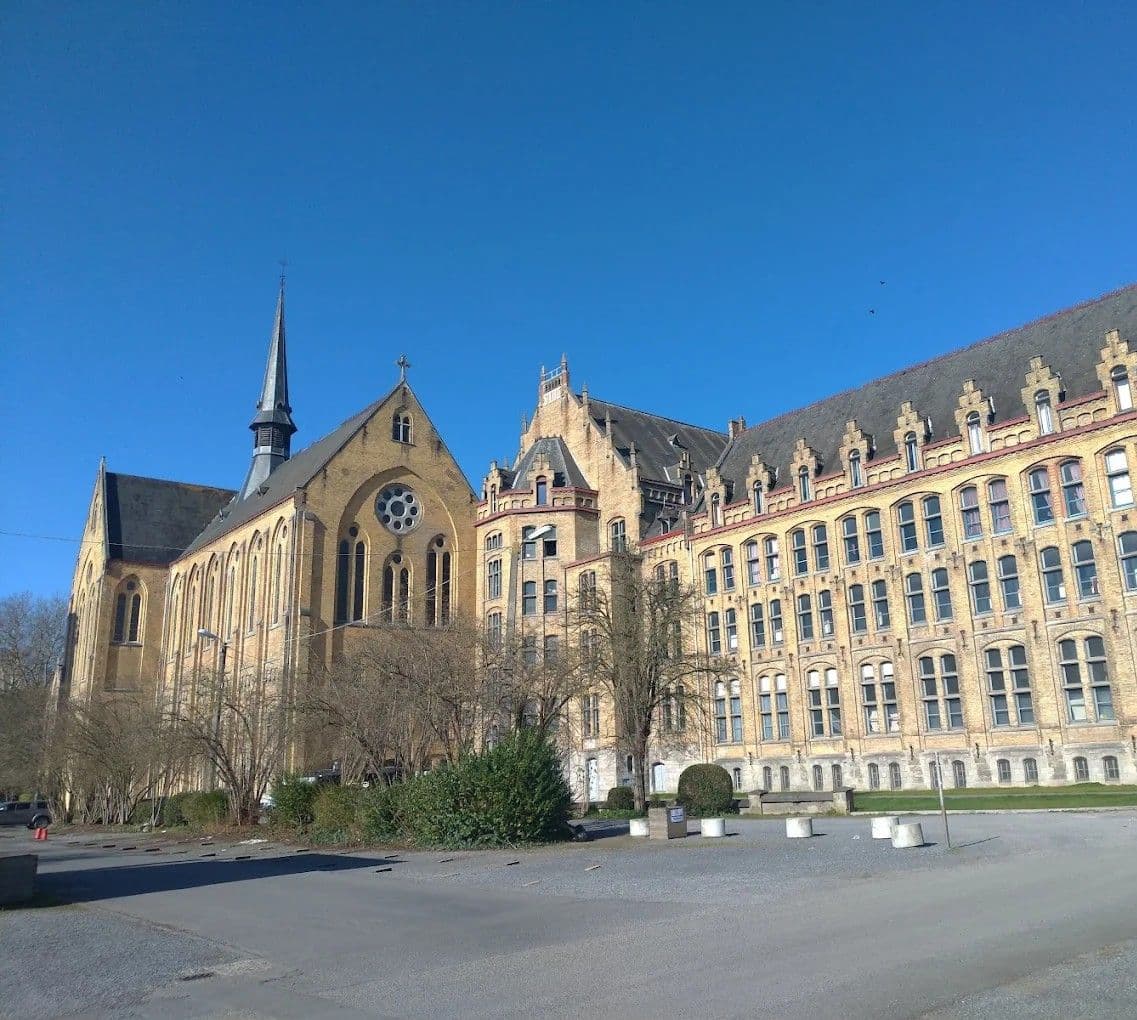
Lorenzo Guerrero Mora was born in 1943 in Granada, Nicaragua, where he was raised within an important political family. He received secondary education at Colegio Centroamérica in Granada, before studying architecture in Belgium at L’École Supérieure d’Architecture Saint-Luc in Tournai. He subsequently enrolled at the Architectural Association (AA) in London, undertaking the postgraduate General Design Course in the Department of Development and Tropical Studies in 1968–69. A student with an identical family name and initial, also from Nicaragua, is also listed in the AA's records for 1969-70, presumably indicating Guerro Mora either continued his studies within the Department or had deferred from the previous year. Following his return to Nicaragua, c9170, Guerrero Mora founded Guerrero y Asociados Arquitectos, in Managua. While focusing primarily on private residences, he notably worked on a number of significant public projects including the National Handicrafts School in Masaya, the restoration of the colonial San Pablo Fortress in Granada, and the Los Portales Shopping Center. Beyond architectural practice, Guerrero Mora became deeply involved in Nicaragua’s political scene following his return. Indeed, his father Lorenzo Guerrero Gutiérrez had served as President of Nicaragua from 1966-67 and was a close ally of the Somoza family who ran the country’s Junta Nacional de Gobierno. Leveraging his political ties, Guerrero Mora led Granada’s Liberal Youth (Juventud Liberal) from 1970–1979, the youth wing of Nicaragua’s liberal movement, and served as a deputy in the National Constituent Assembly from 1972 to 1974. After the Sandinista Revolution in 1979, he was compelled to relocate to Puerto Rico, where from 1983 to 1989 he served as president of T.U.S. Planning Corp, a private planning and development firm in San Juan which specialized in designing and developing large‑scale housing projects. Returning to Nicaragua after the 1990 electoral transition, Guerrero Mora joined the Managua mayor’s office as an adviser on urban planning and infrastructure from 1990 to 1996, contributing to a string of civil works that sought to address the city’s severe damage from the 1972 earthquake and years of neglect during the revolution. He directed the new Malecón de Managua, reclaiming the Lake Xolotlán waterfront with promenades, plazas, and amenities to revive public life and tourism. He also helped design the Faro de la Libertad, a lighthouse-like landmark symbolizing the country’s democratic turn, and two culturally themed roundabouts—Rotonda Rubén Darío and Rotonda El Güegüense—that combined traffic management with national monuments. Notably, Guerrero Mora briefly served as Minister of the Presidency of Nicaragua in 1997 within the Partido Liberal Constitucionalista (PLC) led by President Arnoldo Alemán, who later appointed him as President of the Nicaraguan Institute of Tourism (INTUR) in 1998. While specific initiatives under his tenure are not widely documented, INTUR in the late 1990s focused on infrastructure improvements, heritage preservation and promotion of eco‑tourism—all areas aligned with Guerrero Mora’s experience. Two years into his cabinet tenure, Guerrero Mora passed away in Miami on February 11, 2000, and was honoured by three days of national mourning. While his early architectural work deserves further documentation, his later role as a politically embedded planner and project enabler marks him as a significant figure in Nicaragua’s late-20th-century development.
Sources:
- Biblioteca Virtual Enrique Bolaños. “Diputados Período 1997–2002 (Apellidos F–L) — Lorenzo Guerrero Mora (ficha biográfica).” Biblioteca Virtual Enrique Bolaños. n.d. Accessed September 9, 2025. https://sajurin.enriquebolanos.org/docs/3.%20Diputados%20Per%C3%ADodo%201997%20-%202002%20con%20apellido%20entre%20F%20-%20L.pdf
- La Gaceta, Diario Oficial. “Decreto de duelo nacional por el fallecimiento del Arq. Lorenzo Guerrero Mora.” Biblioteca Virtual Enrique Bolaños. February 11, 2000. Accessed September 11, 2025. https://sajurin.enriquebolanos.org/docs/G-2000-02-11.pdf
- La Gaceta, Diario Oficial. “Acuerdo Presidencial No. 90-2000 (cancelaciones administrativas posteriores al deceso de Lorenzo Guerrero Mora).” Biblioteca Virtual Enrique Bolaños. March 2, 2000. Accessed September 12, 2025. https://sajurin.enriquebolanos.org/docs/G-2000-03-02.pdf
- La Gaceta, Diario Oficial. “Sesiones de la Asamblea Nacional Constituyente — nómina/actas con el Diputado Arq. Lorenzo Guerrero Mora.” Biblioteca Virtual Enrique Bolaños. October 10, 1972. Accessed September 14, 2025. https://sajurin.enriquebolanos.org/docs/G-1972-10-10.pdf
- La Gaceta, Diario Oficial. “Sesiones de la Asamblea Nacional Constituyente — comisiones y actuaciones (incluye al Arq. Lorenzo Guerrero Mora).” Biblioteca Virtual Enrique Bolaños. October 19, 1972. Accessed September 15, 2025. https://sajurin.enriquebolanos.org/docs/G-1972-10-19.pdf
- Asamblea Nacional de Nicaragua. “Acuerdo Presidencial No. 7-97 — Nombramiento del Arq. Lorenzo Guerrero Mora como Ministro de la Presidencia.” Sistema de Información Legislativa. January 10, 1997.
- Asamblea Nacional de Nicaragua. “Acuerdo Presidencial No. 330-98 — Nombramiento del Arq. Lorenzo Guerrero Mora como Presidente del Consejo Directivo de INTUR.” Sistema de Información Legislativa. October 20, 1998.
- Justia Nicaragua. “Constitución Política de la República de Nicaragua (24 de abril de 1974) — Texto histórico.” Justia Nicaragua. April 24, 1974.
La Prensa (Nicaragua). “El PLC que conocí.” La Prensa. September 7, 2013. Accessed September 24, 2025. https://www.laprensani.com/2013/09/07/opinion/161559-el-plc-que-conoci