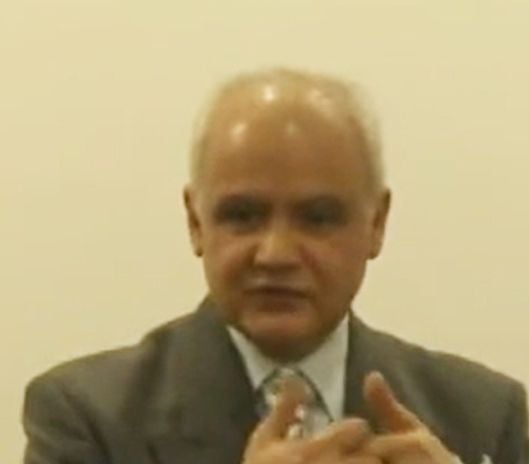
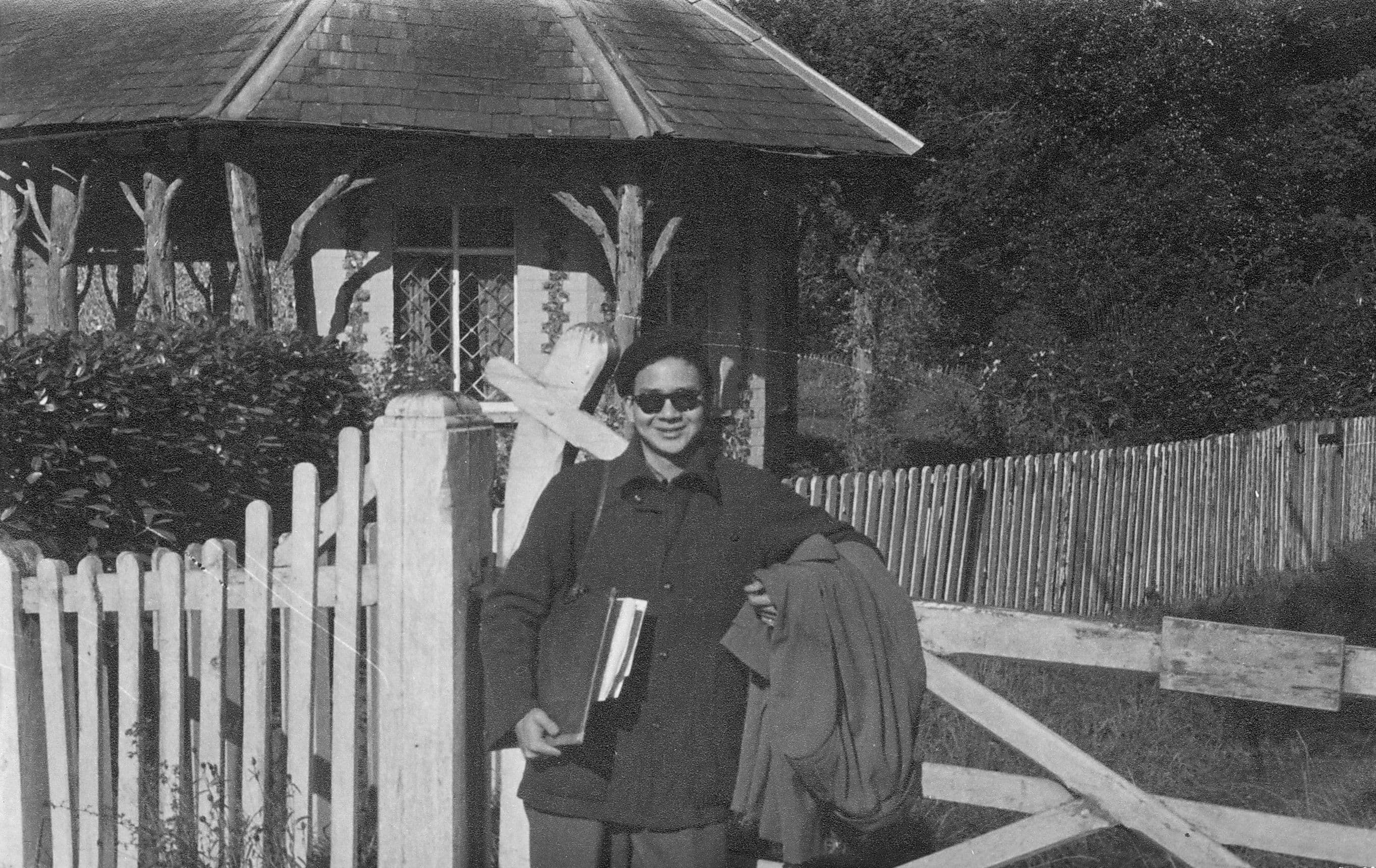
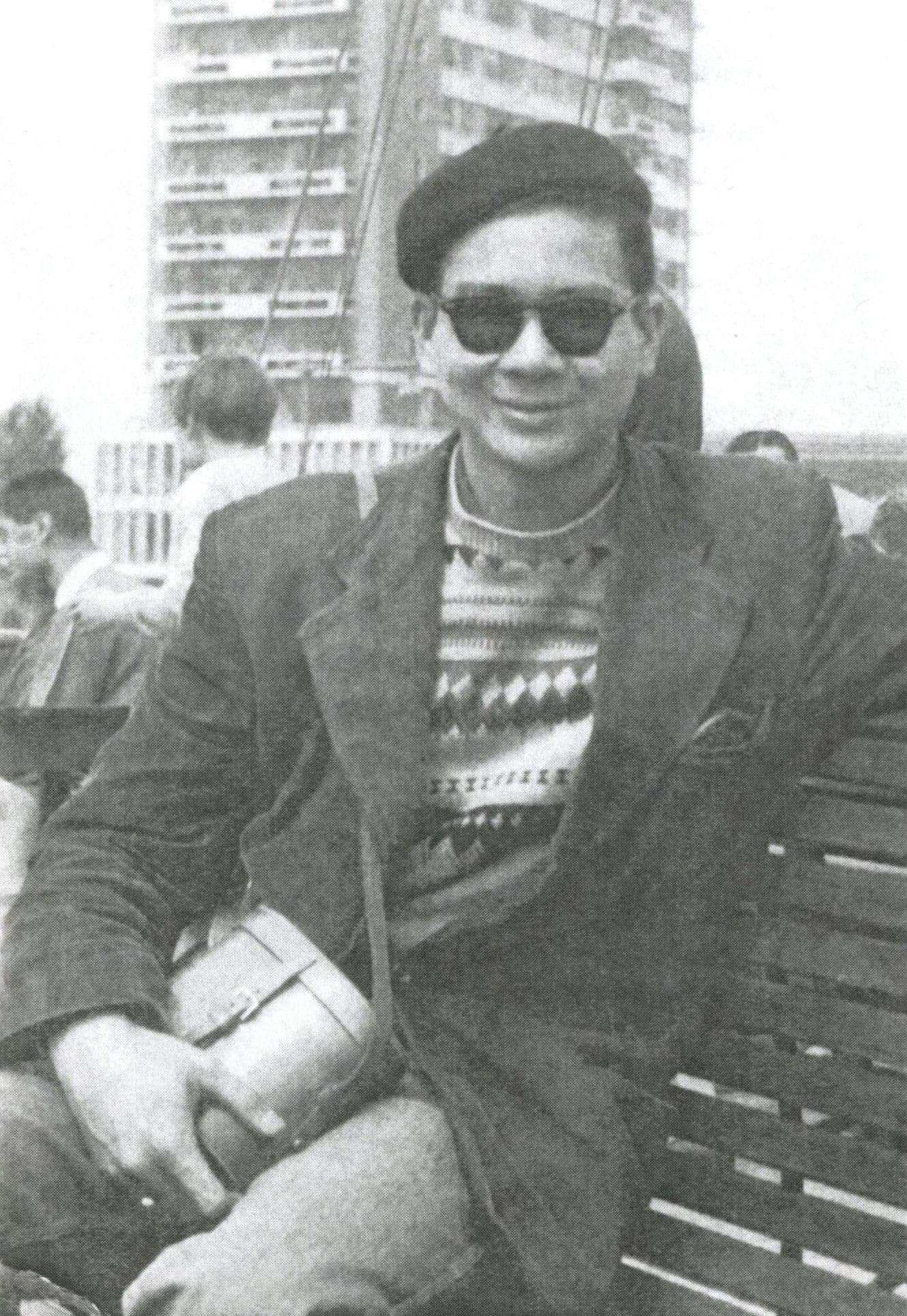
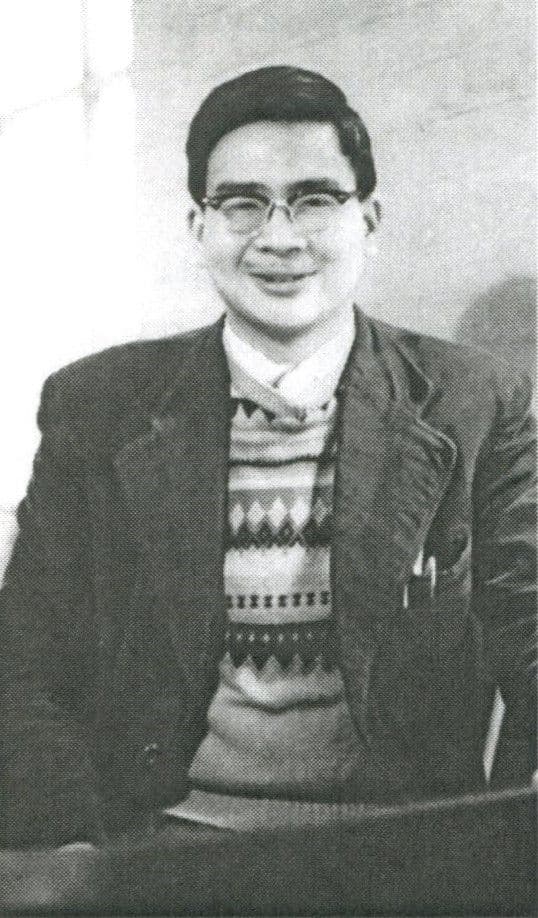
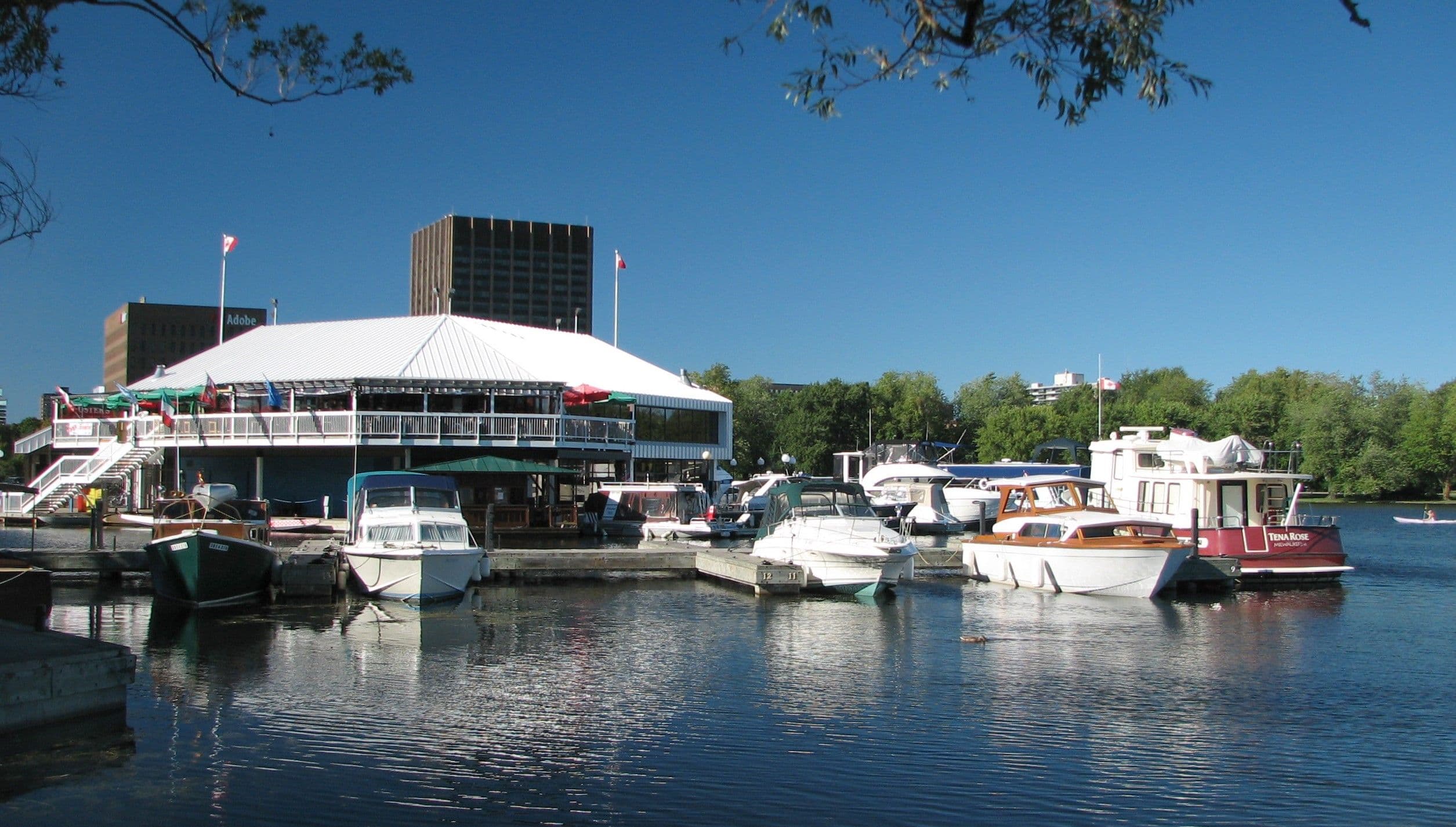
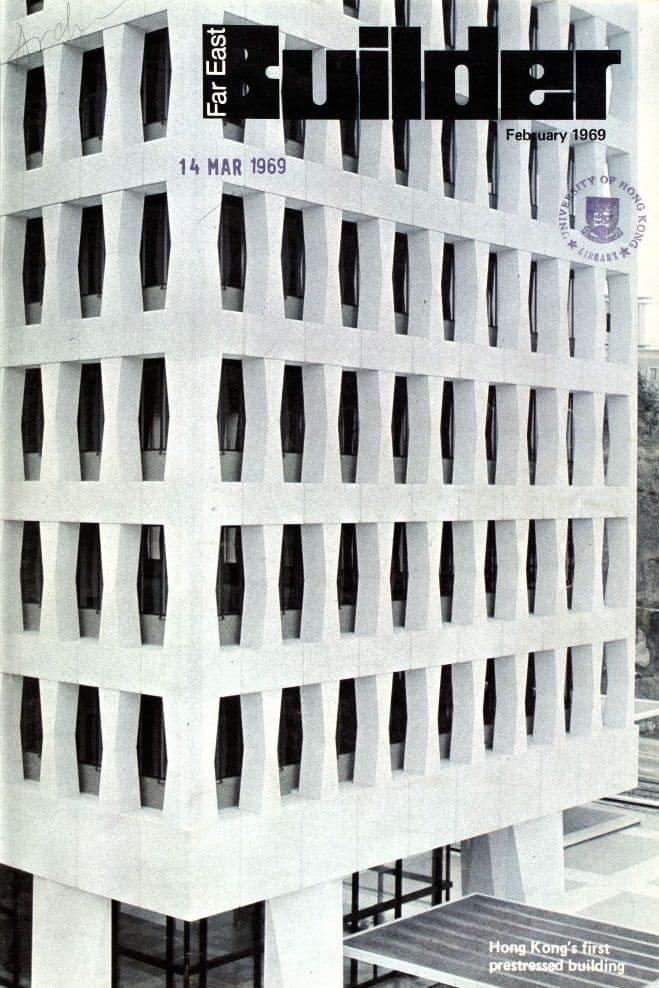
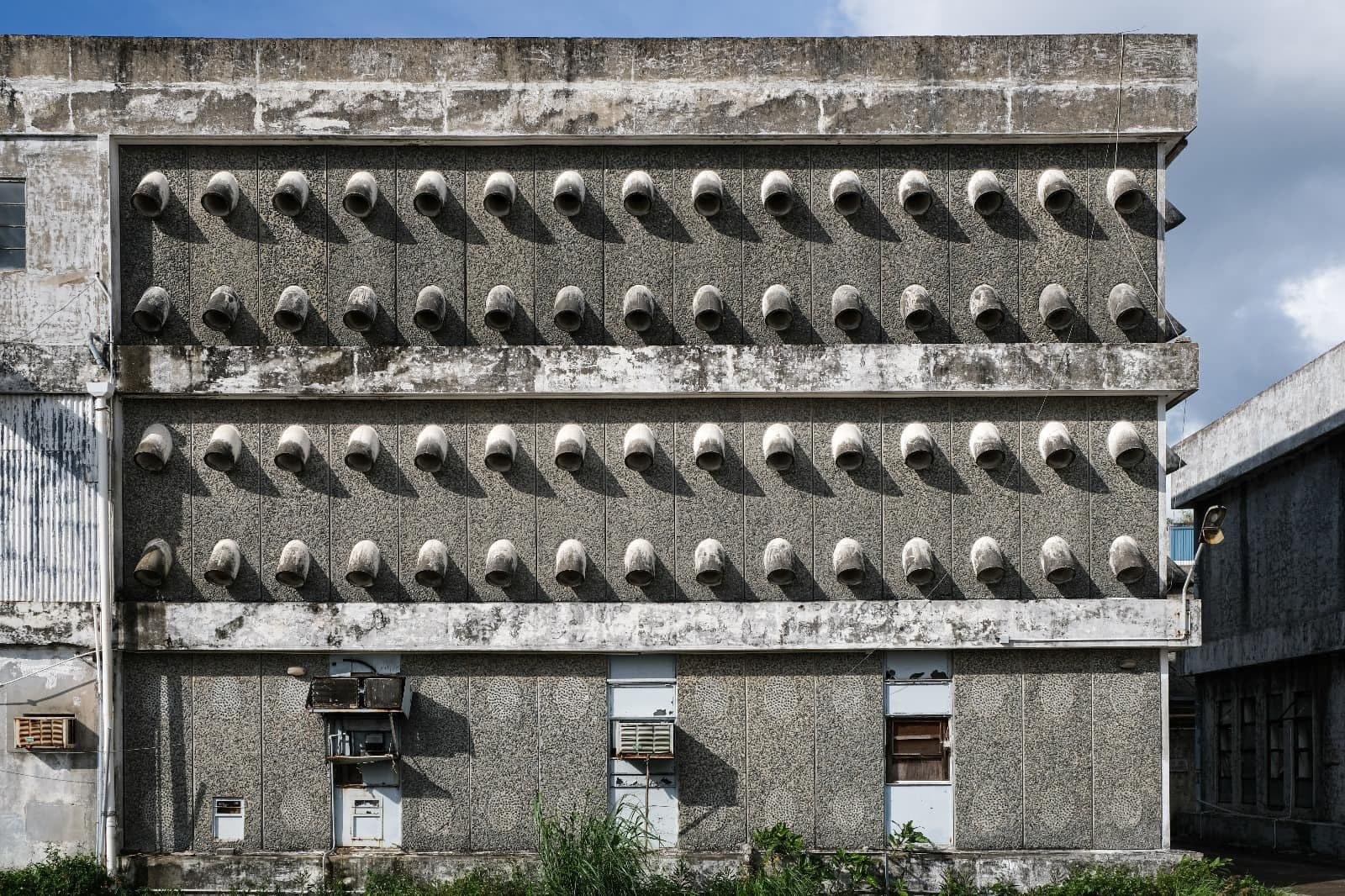
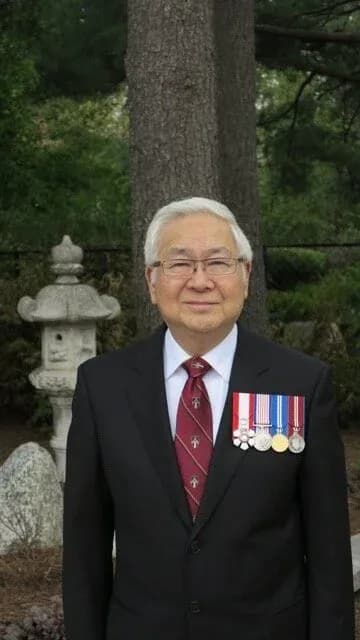
Frank Ng was born in Hong Kong in 1937, where he received his secondary education at Wah Yan College. Driven by his early passion for drawing, Ng departed for London in 1957 to study architecture at the Architectural Association (AA). During his five-year diploma studies at the AA, Ng was instructed by John Dennis, Elizabeth Chesterton, David Oakley, John Winter and Robert Maxwell. He spent his second and third summers gaining practical experience, first with the Architectural Division of the London County Council, drafting school buildings, and later with the practice of Clifford Wong in Hong Kong. His early interest in the visual refinement of prefabricated construction methods led to his receipt of the Henry Jarvis Scholarship, which enabled him to undertake a study tour of Germany and France in his fourth summer at the AA. As part of his AA fifth year, seeking to broaden his architectural and cultural horizons, Ng enrolled in the postgraduate programme at the Department of Tropical Architecture. His thesis focused on the redevelopment of the maternity wing of the Hong Kong Sanatorium and Hospital. Upon completing his AA Diploma in 1962, Ng also obtained the AA Tropical School Certificate and the Certificate of the School of Advanced Architectural Studies, Royal Academy of Art. Following graduation, Ng joined the London office of Booty, Edwards and Partners as a Senior Assistant Architect. During this period, he was responsible for the design of the geriatric block of Amersham Hospital and was awarded first prize in an Ideal Home design competition. His professional trajectory then took him to Southeast Asia, where he worked in the firm’s Kuala Lumpur and Brunei offices between 1964 and 1966, advancing to the position of Senior Architect and Junior Partner. Concurrently, he lectured at the Kuala Lumpur Technical College and contributed to the Far East Architect & Builder journal, publishing on the topic of industrialised building. In 1967, Ng briefly returned to Hong Kong to serve as an Architectural Consultant with Peter Y. S. Pun & Associates, contributing to the expansion of the Shaw Brothers Studios. The project, notable for its precast cladding and distinctive ventilation openings, exemplified his continuing interest in prefabricated design and the application of climatic design principles formulated during the Tropical Studies programme. Later that year, he emigrated to Canada, where he worked with several architectural firms in Ottawa. At Murray & Murray, he contributed to the design of the new campus for Algonquin College of Applied Arts and Technology, characterised by its expressive use of exposed steel structures. His collaboration with Miska and Gale Architects culminated in a winning entry for a housing competition in Ottawa’s Lowertown district. Between 1970 and 1972, Ng (by this time known as Ling) pursued graduate studies at Harvard University, where he obtained a Master of City Planning in Urban Design. Upon completion, he rejoined Miska and Gale Architects, which was subsequently renamed Miska, Gale and Ling Architects and Planning Consultants. Among his major commissions during this period were the Embassy of the People’s Republic of China in Canada, the renovation of the Langevin Block, now the Office of the Prime Minister and Privy Council, and the Dows Lake Pavilion — a project he later identified as his personal favourite from his three-decade architectural career. Ling retired from professional practice in 1989, at the age of fifty-two, to devote his time to community service. His contributions have been recognised through several national honours, including the 125th Anniversary of the Confederation of Canada Medal, the Queen Elizabeth II Golden Jubilee Medal, the Queen Elizabeth II Diamond Jubilee Medal, and membership of the Order of Canada.
Sources
- Architectural Association Student Register 1945-1972, AA Archives.
- Frank Ling, Pray Standing: A Global Life Inspired by Family and A Fortune Teller (Frank Hegyi Publications, 2013).
- Frank Ng, “Industrialised Building”, Far East Architect & Builder, May 1965: 57-61.
- “Precast Units Ventilate Scenery Block”, Far East Builder 5, no.2 (1969): 28-31.