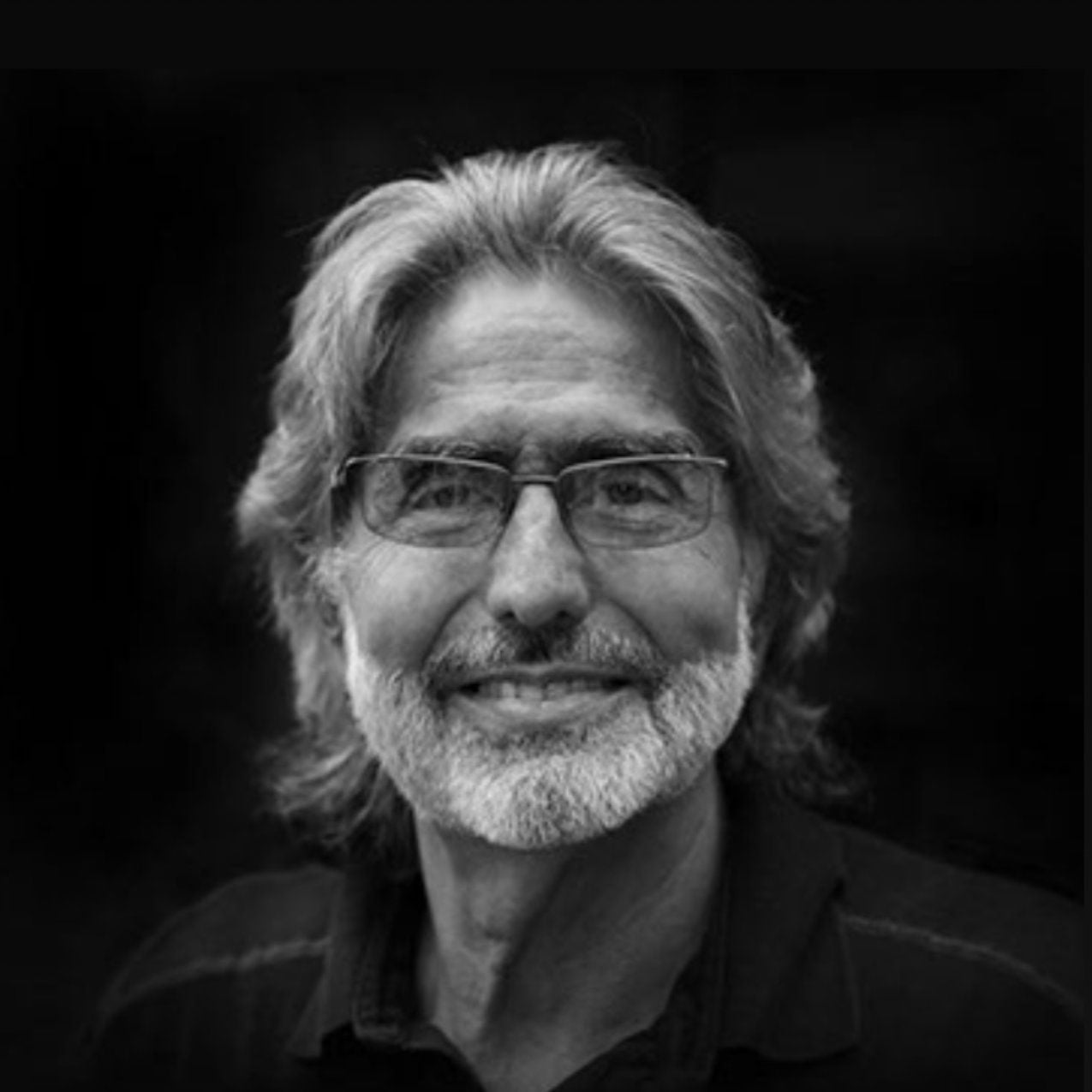
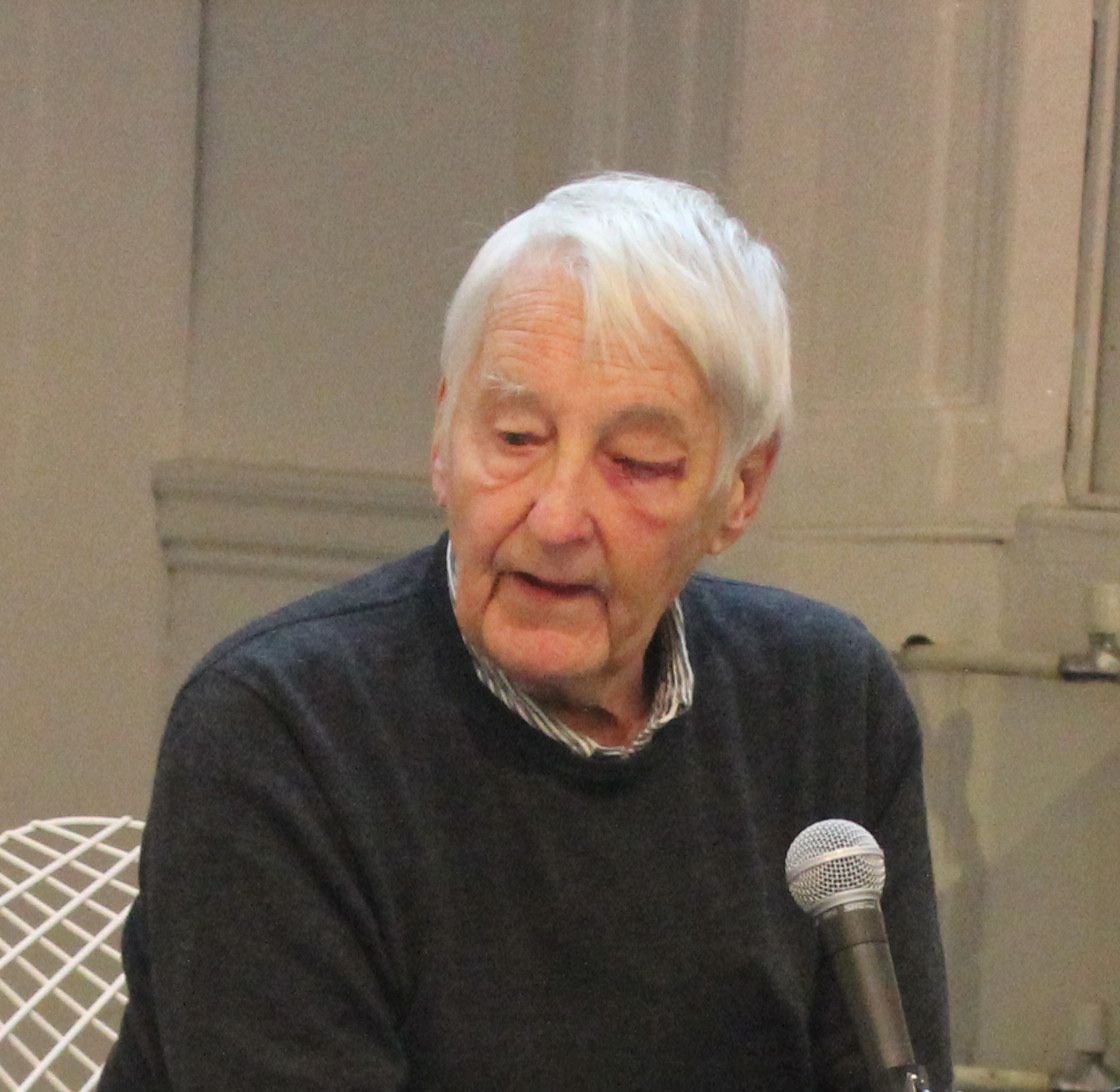
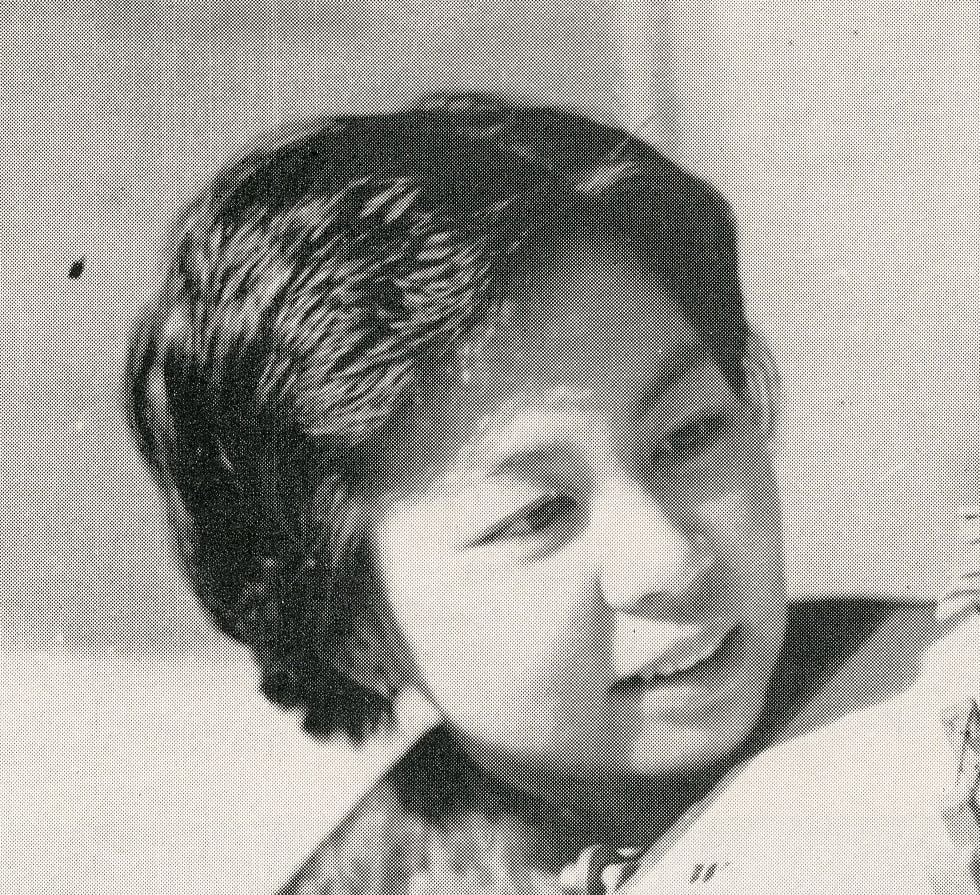
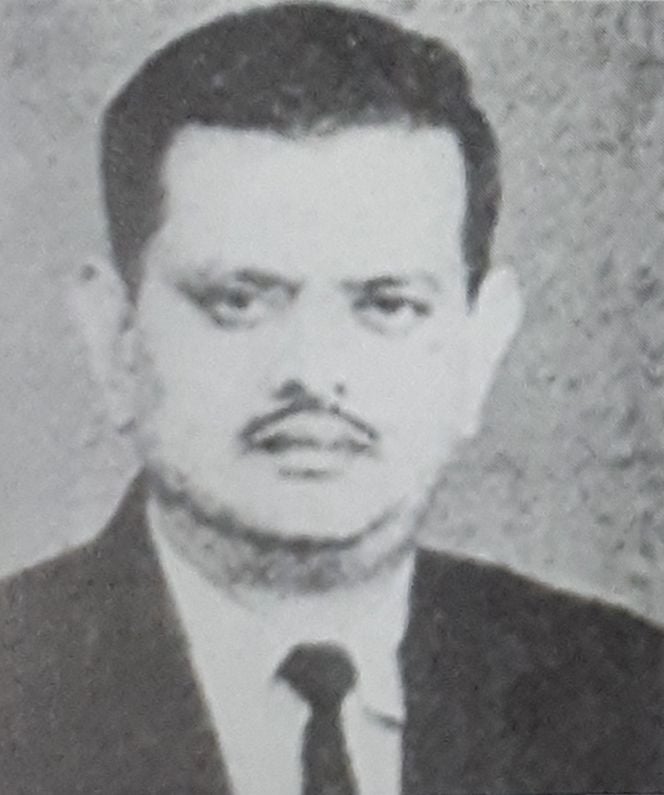
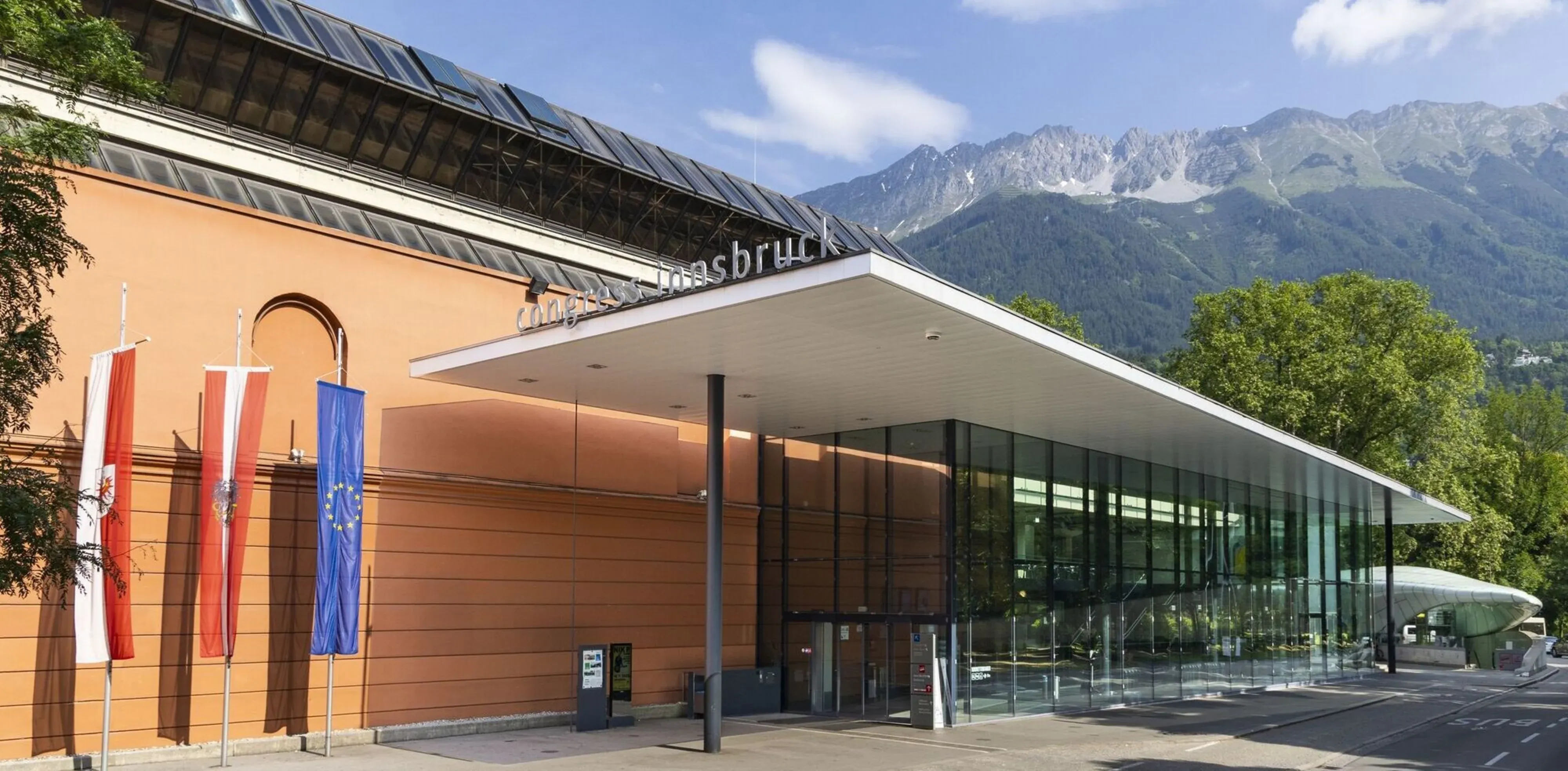
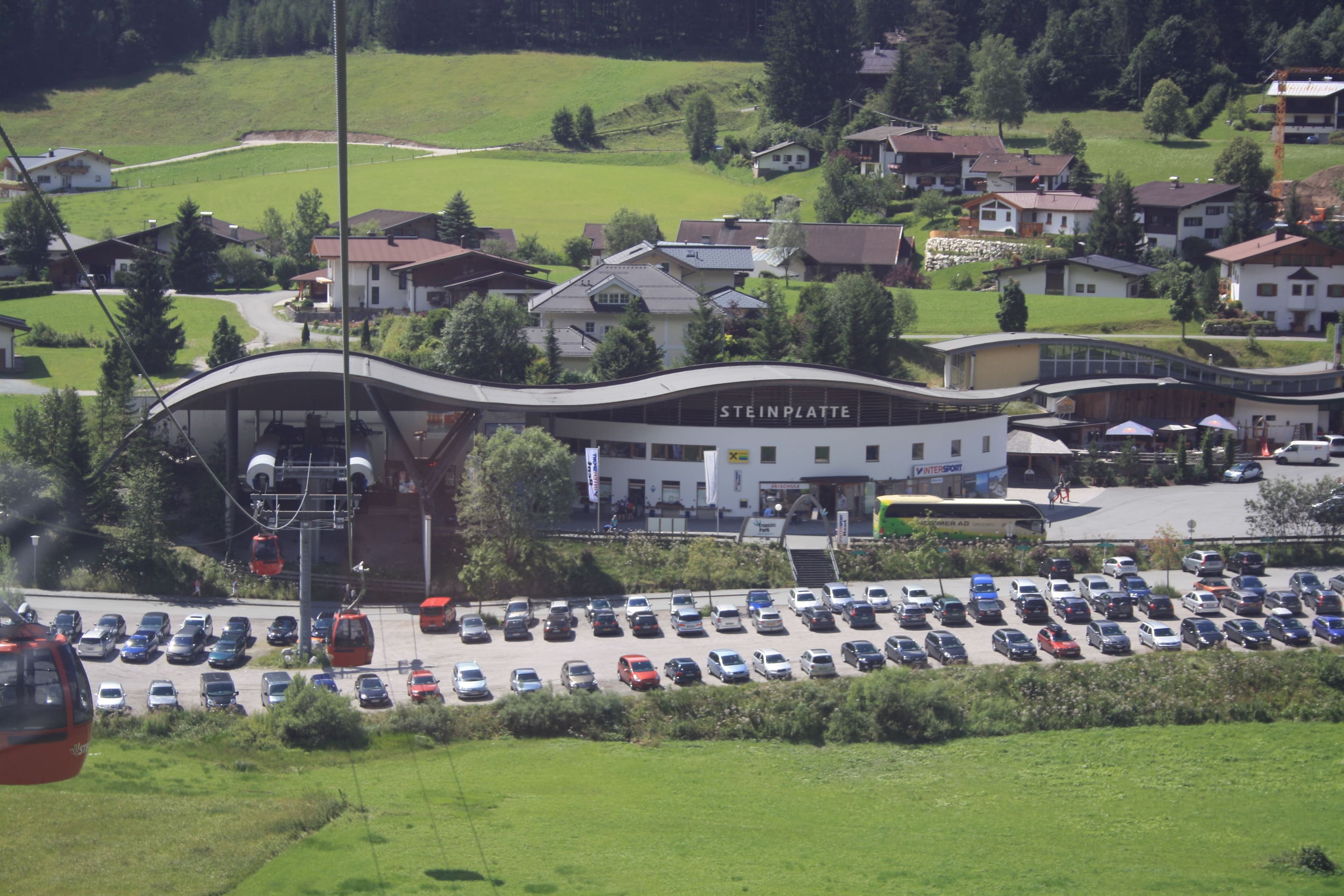
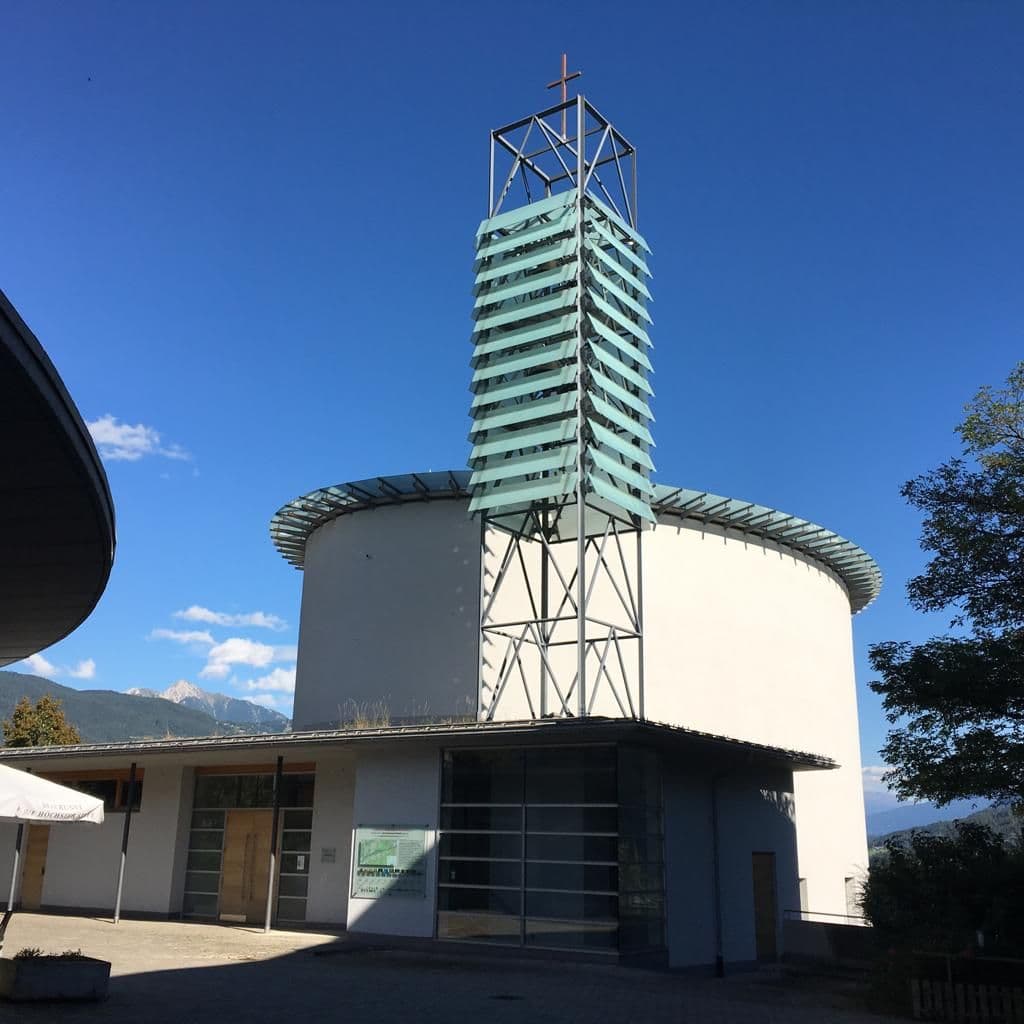
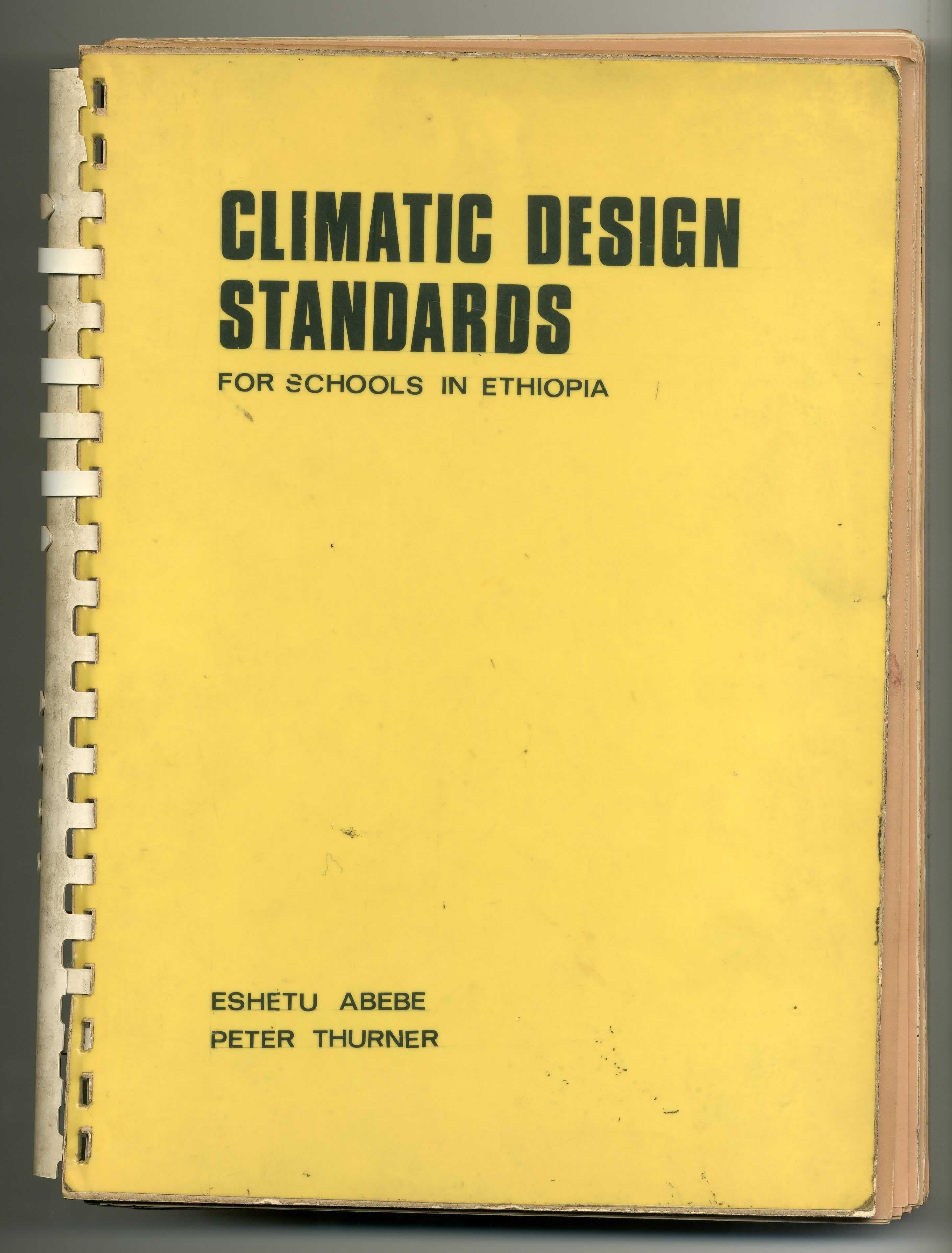
Peter Thurner was born in 1941 in Villach, Austria. He studied architecture at the Technische Hochschule Graz from 1960 to 1966, before attending the Architectural Association School of Architecture in London, where he studied in the Department of Development and Tropical Studies from 1967 to 1968. His AA thesis, co-written with Eshetu Abebe and titled ‘Climatic Design Standards for Schools in Ethiopia’, is retained within the AA Archives. On his return to Austria in 1969, he co-founded Atelier M9 in Innsbruck with Richard Gratl, where he worked until 2001. Their practice combined modernist forms with alpine traditions, producing a wide range of works across the public and private sectors. Major projects include his role in the design team for the Kongresshaus Innsbruck (1973), the extension of Hotel Rainer in Sexten (1976), and the renovation and expansion of Hotel Central in Innsbruck (1978–80). He was a co-author of the Peerhofsiedlung housing development in Innsbruck (1982–90), and designed several ski infrastructure projects, including the Festkogelbahn in Obergurgl (1989), the Möseralmbahn in Fiss (1995), the Steinplattenbahn base station in Waidring (1998), the Schattbergbahn in Saalbach (2002), and the Penkenbahn spiral ramp in Mayrhofen (2004). He also co-designed the Heilig-Geist Church and parish center in Telfs (2001–02). From 2002 he partnered with Paul Senfter and completed the Ötztal Information Center in Oetz in 2005. Alongside his alpine work, Thurner carried out humanitarian projects, including a school and children’s center in Colombia and a hospital in Tanzania. His work is remembered for its sensitivity to site, principled modernist approach, and its combination of regional identity with architectural innovation. He passed away in Innsbruck in 2005.
Sources:
- Architectural Association Student Register 1945–1972. AA Archives
- Architectural Association Membership Register, 1969. AA Archives
- Archinform. “Peter Thurner.” Archinform Architectural Database. Last modified March 25, 2024. Accessed August 4, 2025. https://www.archinform.net/arch/53320.htm
- Hauser, Krista. “Bauen mit Haltung und enormer Sensibilität: Zum Tod des Tiroler Architekten Peter Thurner.” Wiener Zeitung, January 20, 2005. Accessed July 21, 2025. https://www.tagblatt-wienerzeitung.at/nachrichten/kultur/mehr_kultur/143265_Bauen-mit-Haltung-und-enormer-Sensibilitaet.html
- Hotel Café Central Innsbruck. “Architektur – Hotel Café Central Innsbruck.” Hotel Café Central Official Website. n.d. Accessed July 18, 2025. https://www.hotel-cafe-central.at/architektur/
- Seelsorgeraum Telfs. “Pfarrkirche Heilig Geist Telfs – Sozial-Pastorales Zentrum.” Seelsorgeraum Telfs Official Site.n.d. Accessed July 29, 2025. https://srtelfs.at/pfarre-heilig-geist/sozial-pastoralen-zentrums/