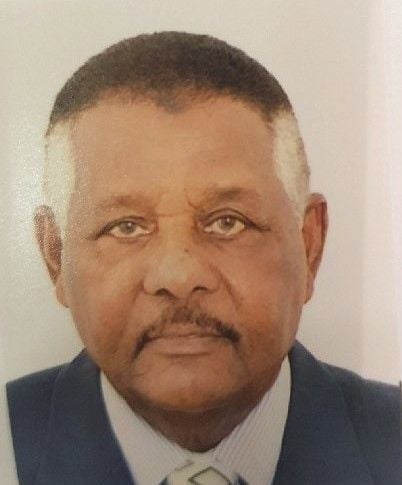
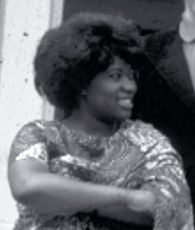
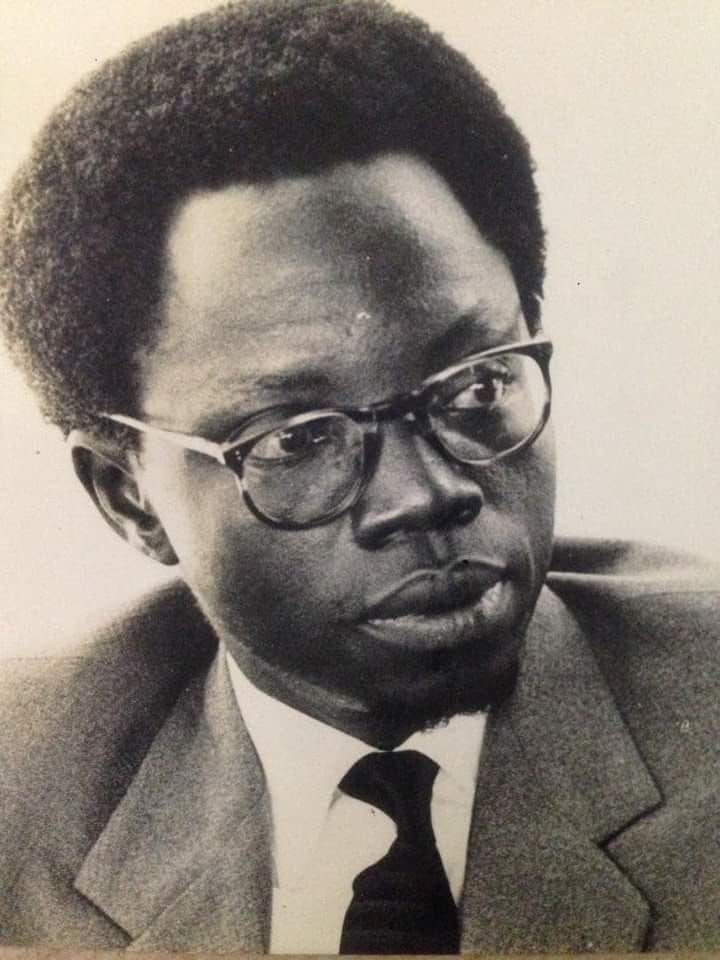
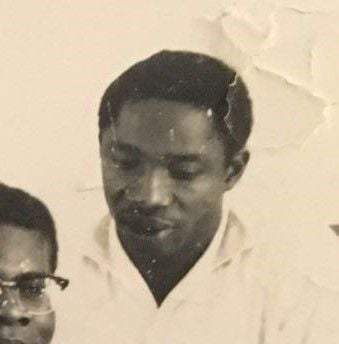
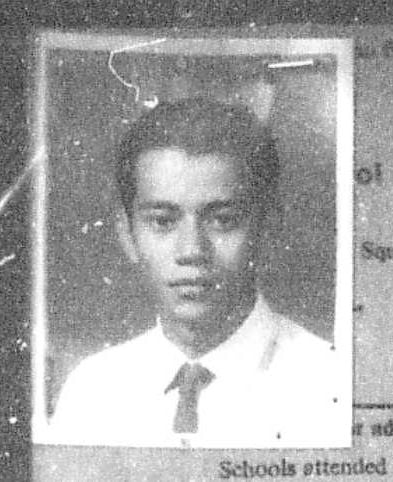
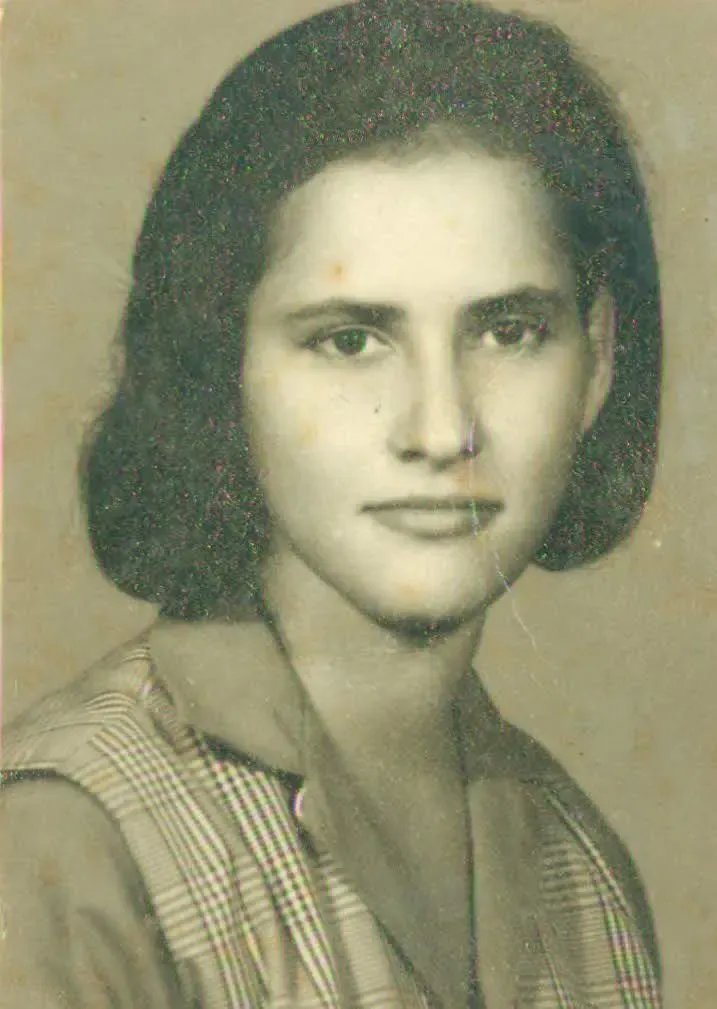
Maria Zuleyka Salom-Rodríguez was born in 1937 in Puntarenas, Costa Rica, where she became a pioneering female figure in architecture. She received her early education in Costa Rica, attending Colegio María Auxiliadora in San José before earning a Licenciatura in Architecture at the Universidad Iberoamericana in Mexico City in 1967. In 1968–69, she pursued postgraduate studies at the Architectural Association’s Department of Development and Tropical Studies under the direction of Amos Rapoport. Upon returning to Costa Rica, Salom-Rodríguez joined the Instituto Nacional de Vivienda y Urbanismo (INVU) in March 1967 as an architect and built her career in this public-sector institute for the next 29 years. She specialized in urban planning and housing policy, rising through the ranks at INVU – by 1976 she headed the Technical Cooperation unit and in 1984 she was appointed Director of Urbanism. In 1971 Salom-Rodríguez became the second woman ever registered as a professional architect in Costa Rica, and in 1976 she was elected as the first female board member of the Costa Rican Architects’ Association. Renowned for her leadership and expertise, she was entrusted with major national projects: she led the development of the Plan GAM, a metropolitan development plan for Greater San José (1982), and spearheaded updates to the national building code (Reglamento de Construcciones, 1983). She also championed pioneering legislation such as the Maritime Terrestrial Zone Law (1977) to protect coastal lands. Salom-Rodríguez’s work focused on sustainable urban development, affordable housing, and heritage conservation, and was instrumental in creating Costa Rica’s Heritage Conservation Center and advocating for the preservation of historic architecture. Outside of her INVU duties, Salom-Rodríguez contributed to academic and policy initiatives and was widely respected by colleagues (one noted that “what she said was like the Bible”). She spent virtually her entire career in public service, breaking gender barriers in a traditionally male field. She retired from INVU in 1996 and passed away later that year at age 59. Her legacy endures in Costa Rica’s modern urban planning frameworks and in the recognition of women’s contributions to architecture and planning.
Sources:
- Architectural Association Student Register 1945–72. AA Archives.
- Architectural Association Membership Register, 1969. AA Archives .
- Colegio de Arquitectos de Costa Rica. “Arq. Zuleyka Salom Rodríguez (1937–1996).” Arquitectas de Costa Rica(official website). Accessed July 12, 2025. https://cacr.cfia.or.cr/arquitectas/arq-zuleyka-salom-rodriguez/
- Mora Valenciano, Marianela. “Breve genealogía de las arquitectas en Costa Rica: una reconstrucción.” In VI International Conference on Architecture and Gender (ICAG 2023), Universitat Politècnica de València, 2023. Accessed August 3, 2025. https://doi.org/10.4995/ICAG2023.2023.16816.
- “Timeline: Arquitectas Costarricenses.” Timetoast. Accessed September 3, 2025. https://www.timetoast.com/timelines/arquitectas-costarricenses.