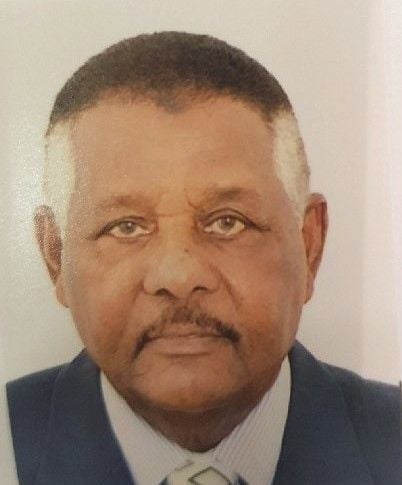
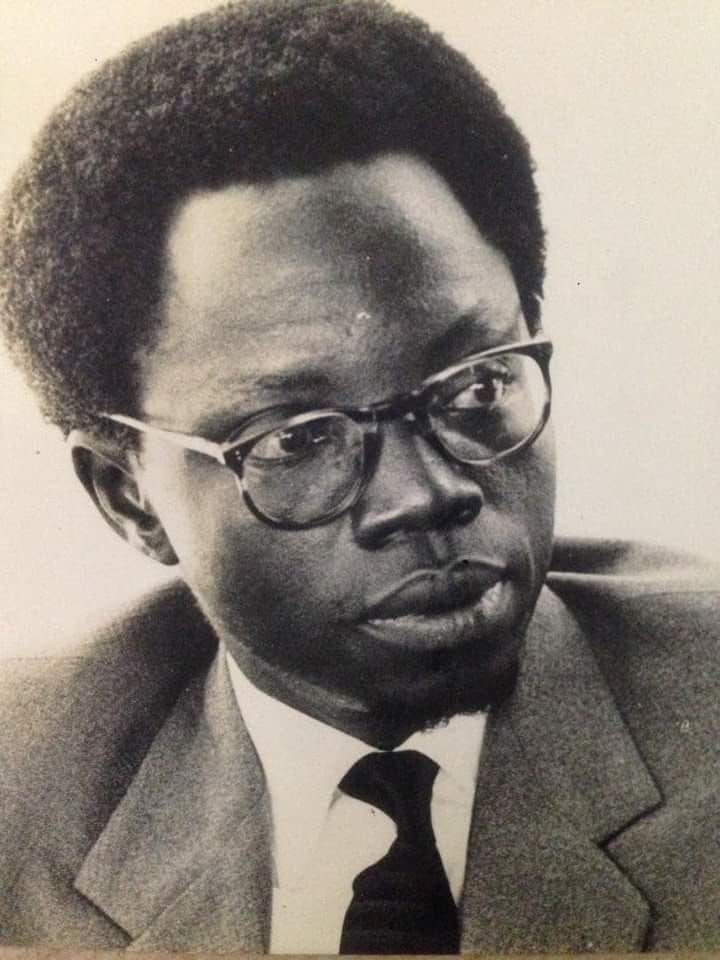
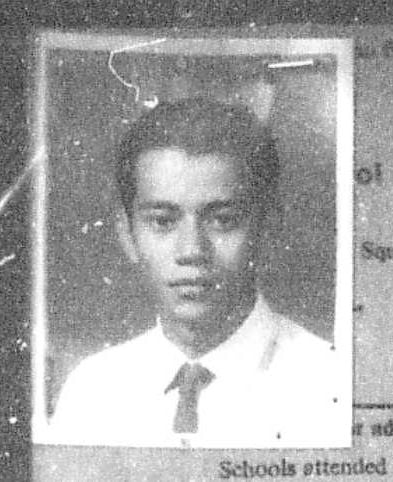
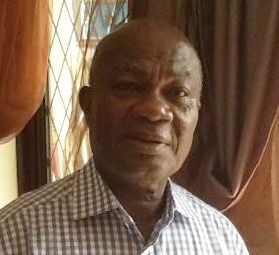
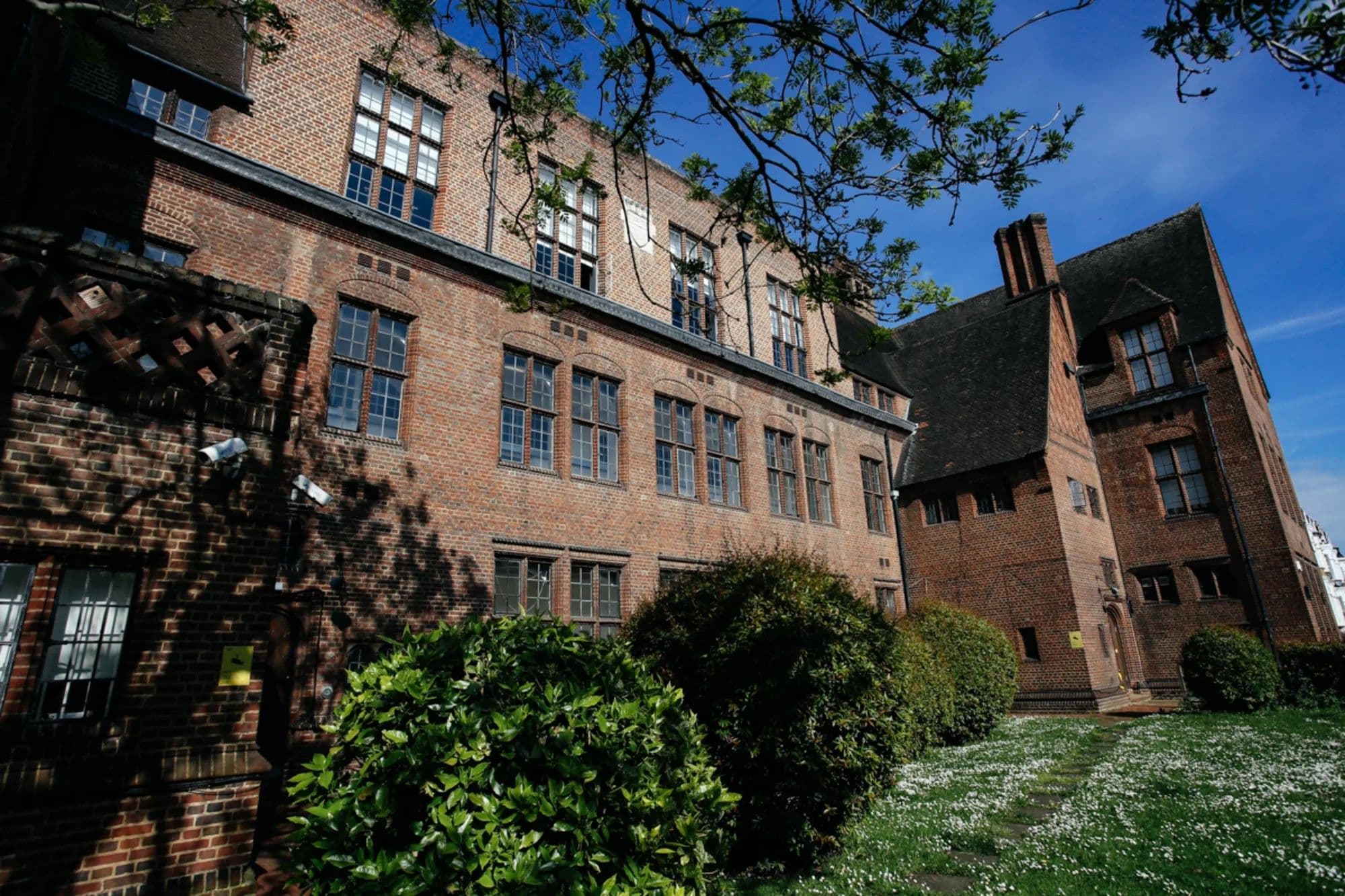
Born in May 1939 in Ghana, Clement Berku Karikari was educated at Government Boys' School, Accra, from 1945-1953, followed by Saint Augustine’s College, Cape Coast, between 1954-1957. He began his architectural education at Kwame Nkrumah University of Science and Technology (KNUST) in Accra, before joining the university’s Building Research Group from 1962-1963. In 1963, Karikari worked for the Ghana Architectural and Civil Engineering Company before travelling to London, towards the end of the year, to study at the Architectural Association (AA). After completing three years of undergraduate studies, he departed the AA for his fourth year studies to take part-time courses at London’s Northern Polytechnic and Hammersmith College of Art from 1965-1968. Tutor reports written during his time at the AA show that he was encouraged to improve his technical skills through further professional experience, leading him to join the London-based practice Gerlach and Gillies-Reyburn from 1964–1965. He would continue practising throughout the rest of his studies in London, working at Playne, Lacey and Vallance (1965-1966), Barnet Borough Council (1968), and Roland Ward and Partners (1969). Karikari returned to the AA to study within the Department of Development and Tropical Studies for the academic year 1968-1969, joining the same cohort as fellow KNUST graduates and former research partners Eve Adebayo and Babar Mumtaz. Upon graduating, Karikari established himself in professional practice in Ghana. He founded Arch-Design Consult in 2002 and currently serves as CEO. The firm has been involved in providing consultancy services on both public and private sector projects, including the design of the West African Examinations Council (WAEC) Office Complex at Shiashie, Accra, in 2006. It also undertook design consultancy for the University of Education, Winneba, between 2008 and 2009, and was among the local firms shortlisted for polytechnic rehabilitation projects under the Ghana Education Trust Fund (GETFund) in the early 2000s. As of 2025, records show that Karikari continues to live and work in Ghana.
Sources:
- Architectural Association Student Register, 1965-69. AA Archives
- Architectural Association Registrar's Records, 1965-69. AA Archives
- Seth J. Bokpe. “WAEC now has an office complex.” Daily Graphic. Published January 7, 2017. Accessed October 20, 2025. https://www.graphic.com.gh/news/general-news/waec-now-has-an-office-complex.html
- University of Education, Winneba. Consolidated Annual Budget 2017. Winneba: UEW, 2016. Accessed October 20, 2025. https://www.uew.edu.gh/sites/default/files/2019-11/conso_2017_budget_with_cover_print.pdf
- Architects Registration Council of Ghana. “Architects, Probationers and Firms in Good Standing – 2019.” ARC Ghana. Accessed October 20, 2025. https://arc.gov.gh/publications-2020/architects-probationers-and-firms-in-good-standing-2019
- Government of Ghana. Ghana Gazette, No. 7 (February 15, 2002): 39–40.
- Ghana News Agency. “Architects query public-sector projects.” Accra Mail. Published October 30, 2003. Accessed October 20, 2025. https://www.modernghana.com/news/43576/architects-query-public-sector-projects.html
- Lands Commission, Ghana. “Land Act, 2020 (Act 1036) – Notice of Application for Deeds Registration (Locality: Abrensua; Applicant: Clement Karikari).” Published June 23, 2025. Accessed October 20, 2025. https://www.lc.gov.gh/2025/06/23/land-act-2020-act-1036-notice-of-application-for-deeds-registration/
- Pacheco, M. “The Impact of Post-War Transnational Consultants in Housing and Planning Development Narratives: The Case of Otto Koenigsberger.” Urban Planning 7, no. 1 (2022): 321–35.