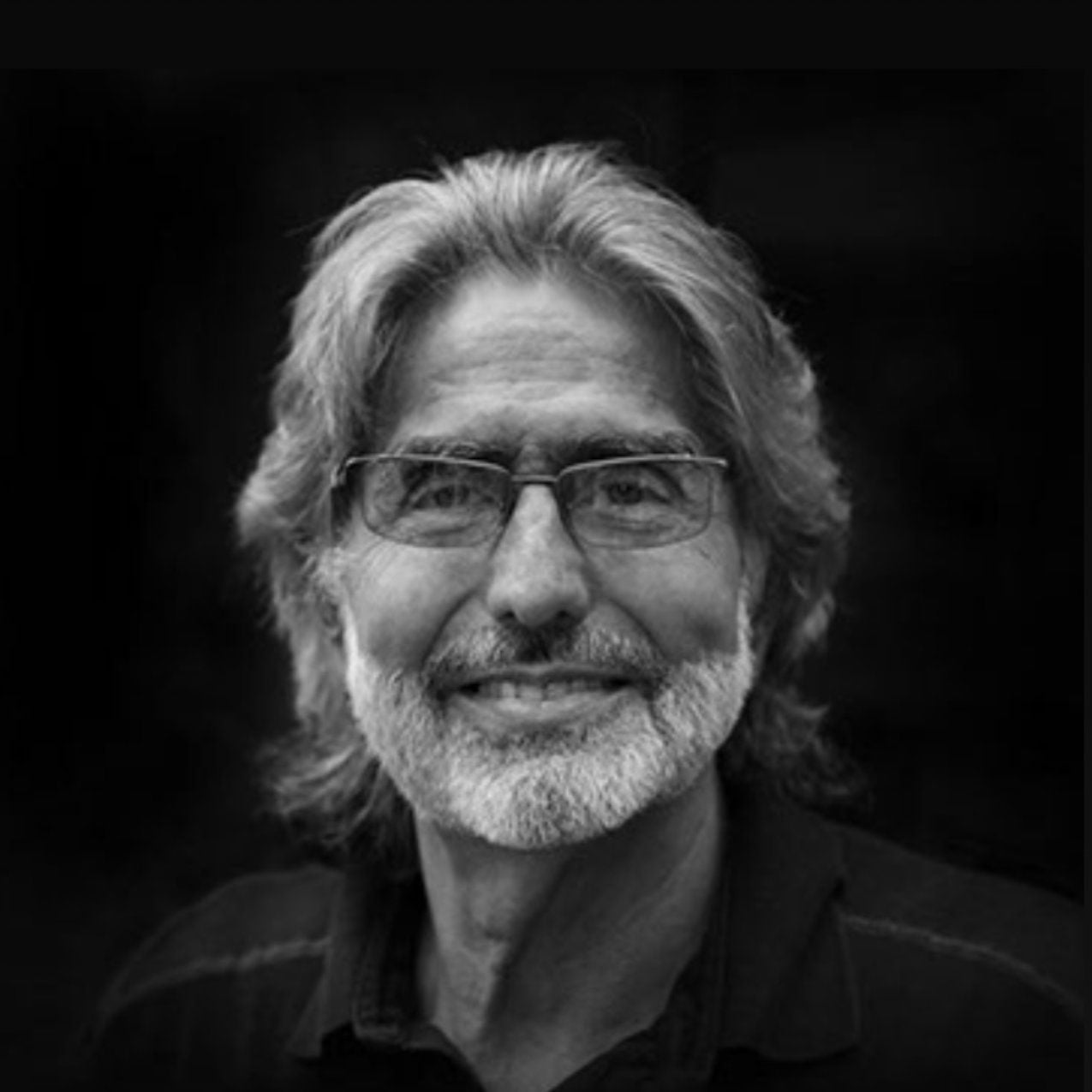
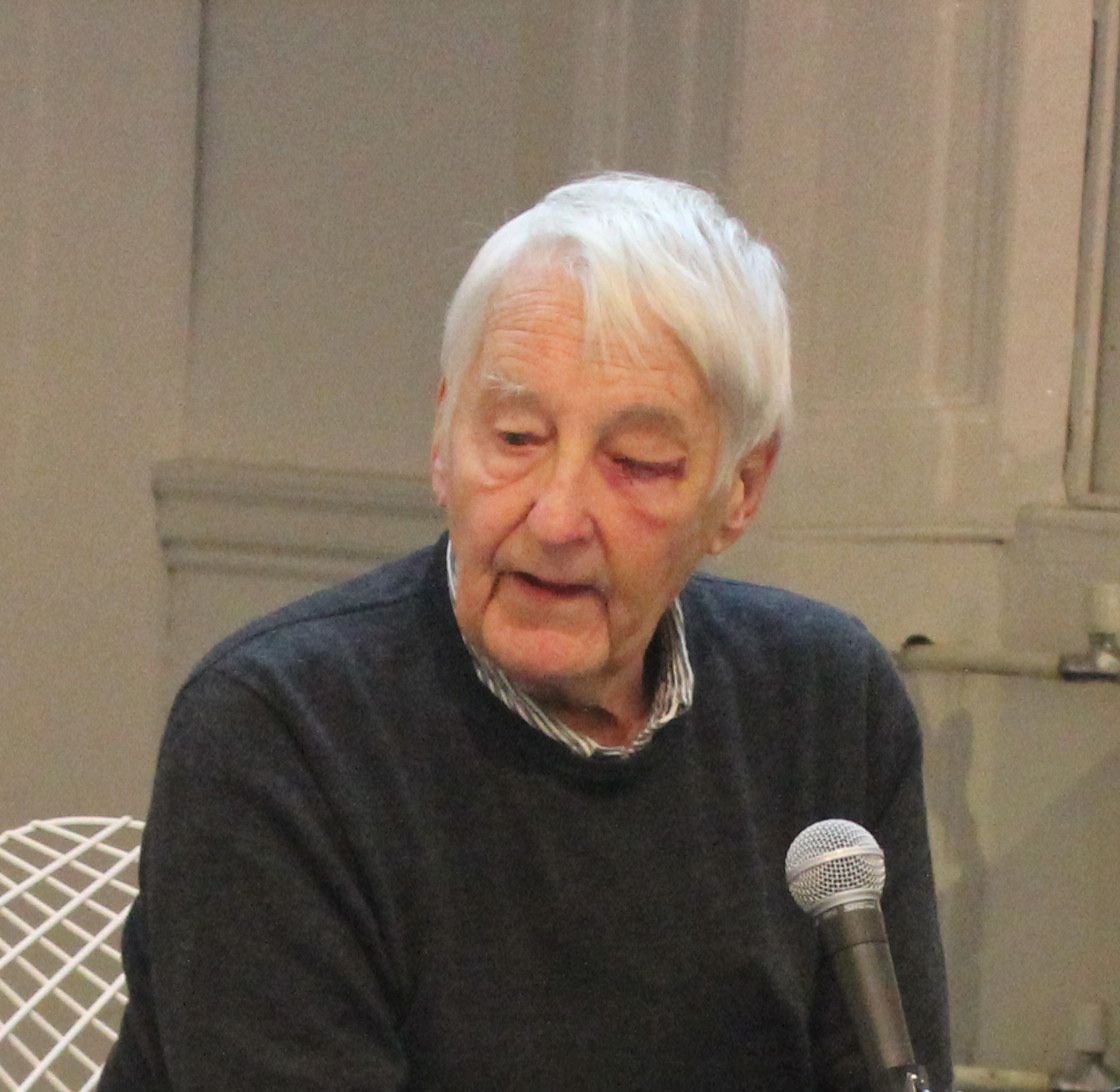
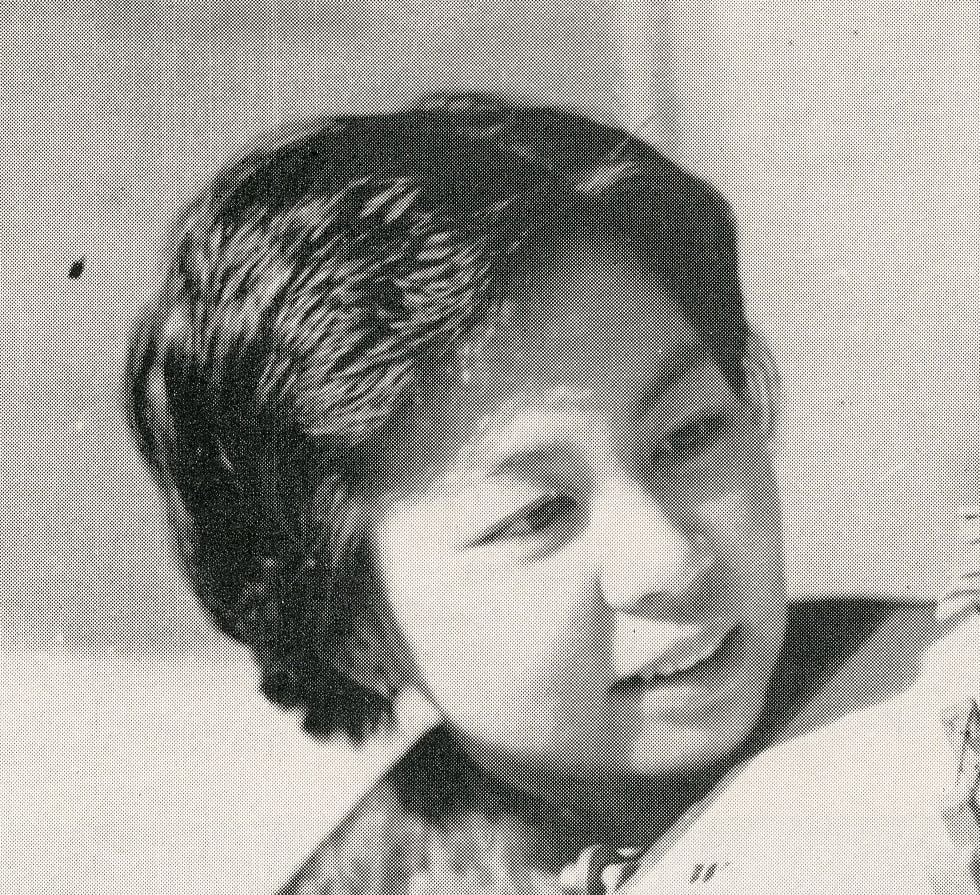
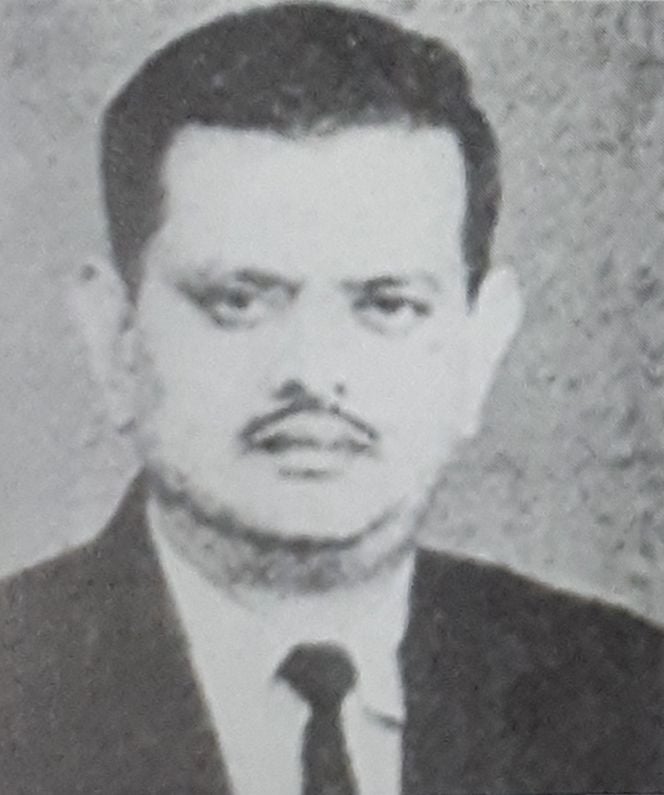
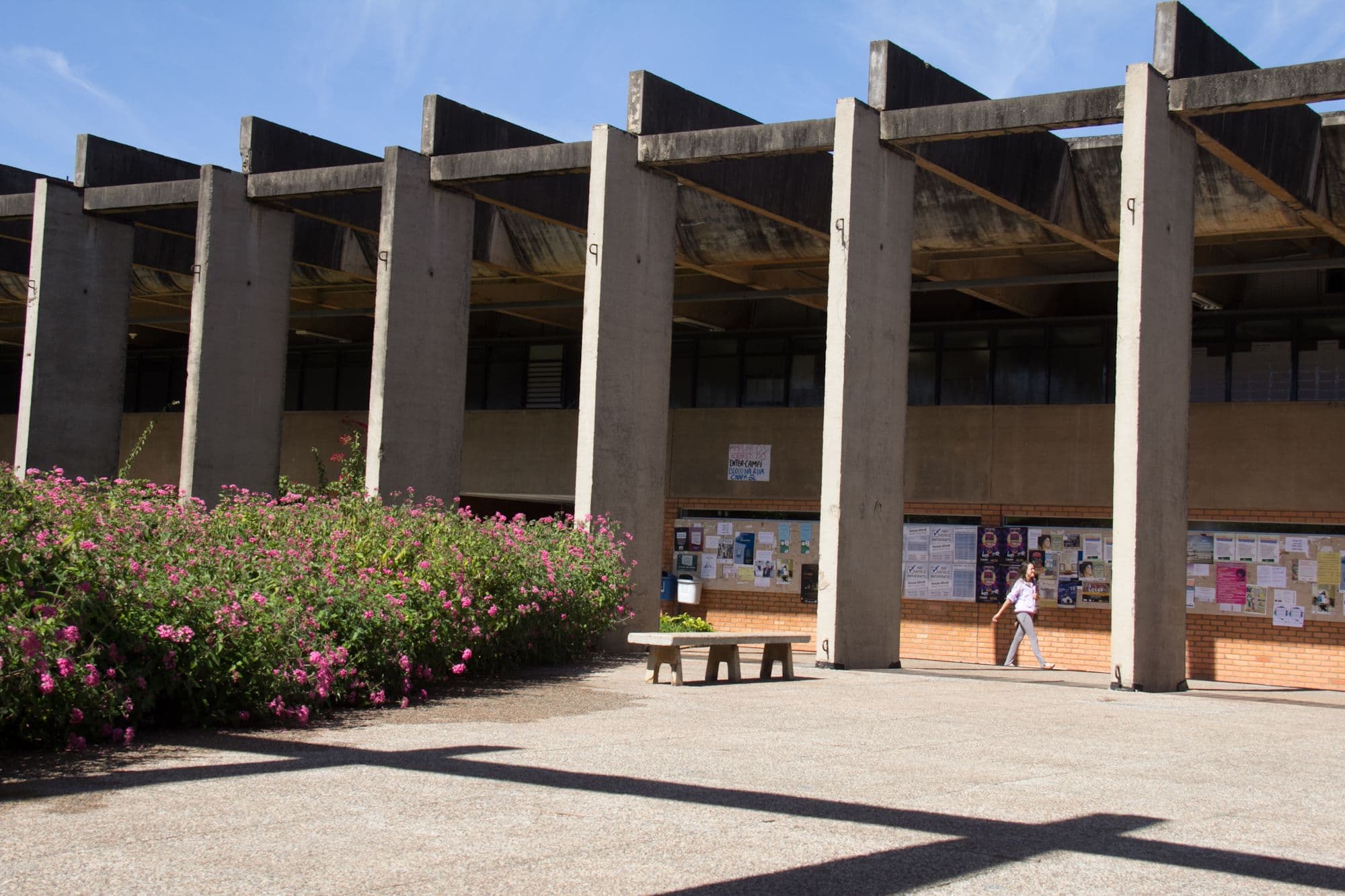
Elifas Lopes Martins was born in the state of Goiás, Brazil. He studied at the newly founded Faculty of Architecture and Urbanism of the University of Brasília (FAU/UnB) and graduated in 1968 as part of the school’s third cohort. Immediately after completing his degree moved to London for a short spell to attend the Architectural Association, joining the Department of Development and Tropical Studies for the academic year 1968-1969. Following his graduation from the AA, Martins returned to Brazil, basing his career in the interior of Minas Gerais and settling in Uberlândia in 1970. Between 1970-1980 his office produced a substantial body of residential and industrial work whose sharp volumes and exposed concrete details echoed the Paulista strand of Brazilian modernism while responding to the hot, dry “cerrado” climate of the Triângulo Mineiro. One of his earliest commissions, the Marco Paulo Teixeira Paiva House, became a reference point for middle-class domestic design in the region and is now catalogued by DOCOMOMO Minas as a key work of the local modern heritage. Industry also proved an important field for Martins. Projects such as the Incubatório da Granja Resende (later Incubatório Diamante) demonstrate his ability to translate the clean lines and structural clarity of Brasília’s architecture into efficient agri-industrial facilities. Beyond practice, Martins helped to seed architectural culture in Uberlândia. Together with colleagues Harley Simão and Paulo Henrique Carrara Arantes he co-founded the city’s first university-level art and design course at the Federal University of Uberlândia in 1972, laying the academic foundations for what would become the FAUeD-UFU. Today Martins’ built legacy, including residences, small apartment blocks, industrial sheds and civic facilities, forms an essential chapter in the story of modern architecture across the Triângulo Mineiro. Local preservation studies routinely cite his work as evidence of how modernist ideas migrated inland and were re-interpreted through regional materials, budgets and climates.
Sources:
- Architectural Association Student Register, 1968-69. AA Archives
- Cappello, Maria Beatriz Camargo. “O espaço da produção industrial na obra de Elifas Lopes Martins em Uberlândia.” In Anais do V Seminário DOCOMOMO Brasil: Arquitetura e Urbanismo Modernos (Goiânia, 27–30 out. 2003). Accessed August 21, 2025. https://docomomobrasil.com/wp-content/uploads/2016/01/seminario5mesatematica03.pdf?
- França, Maria Fernanda Zumpano, and Maria Beatriz Camargo Cappello. “A Descaracterização de Exemplares da Arquitetura Moderna na Cidade de Uberlândia.” Horizonte Científico 5, no. 2 (2011).
- Silva, Natália Achcar Monteiro. “Triângulo Mineiro e Alto Paranaíba: Arquitetura Moderna e sua Relação com o Espaço Público.” Horizonte Científico 5, no. 2 (2011).
- Silva, Raquel Beatriz, and Luiz Carlos de Laurentiz. “A Arquitetura Moderna nas Casas do Triângulo Mineiro e Alto Paranaíba.” Horizonte Científico 5, no. 2 (2011).
- Tavares Miranda, Ana Paula. Arquitetura Moderna no Triângulo Mineiro e Alto Paranaíba: Indícios para a Construção de uma Cultura Arquitetônica (1945–1975). Master’s diss., Universidade de São Paulo (EESC-USP), 2014. Accessed July 12, 2025. https://teses.usp.br/teses/disponiveis/102/102132/tde-16122014-153129/publico/DissertacaoAnaPaulaTavaresFinal.pdf?