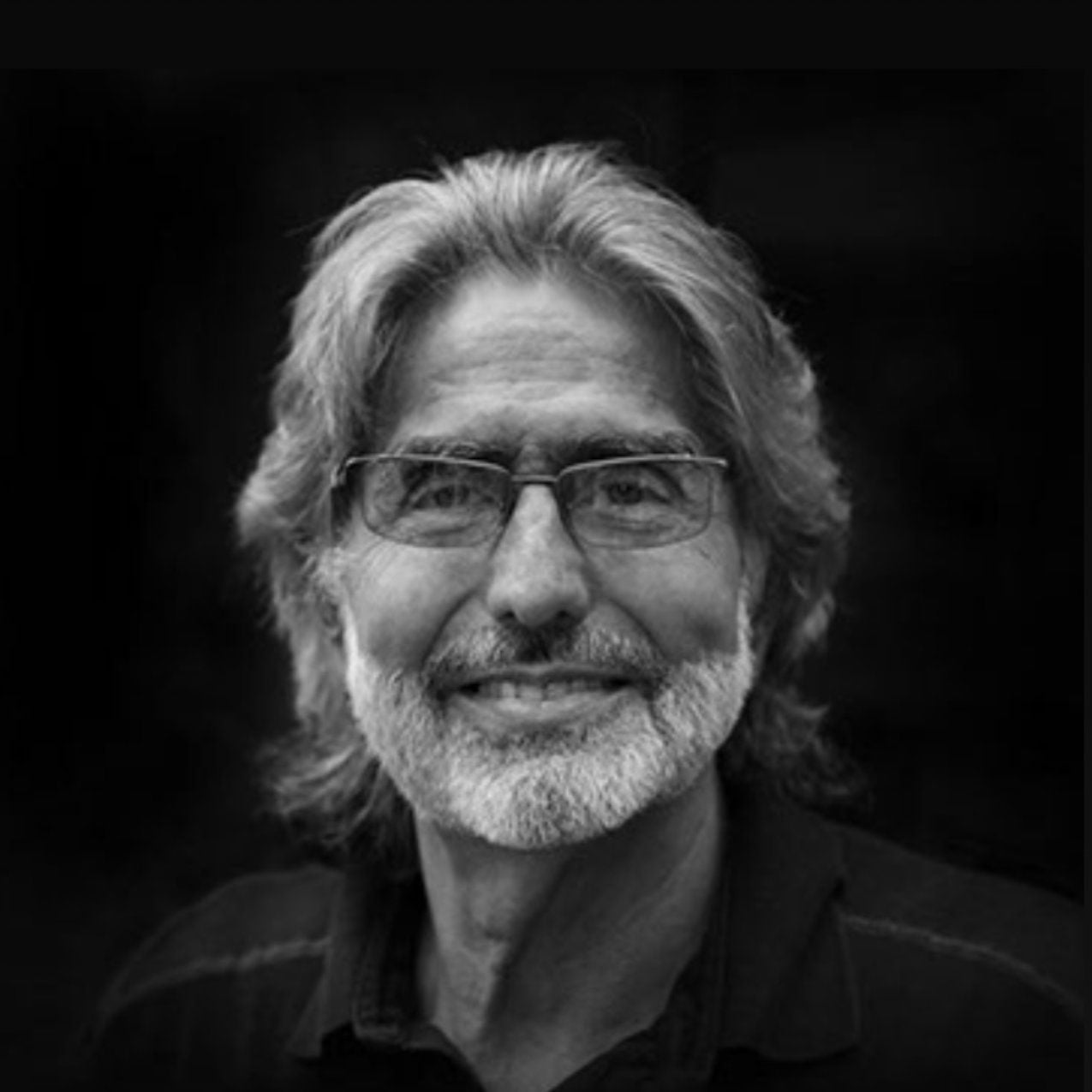
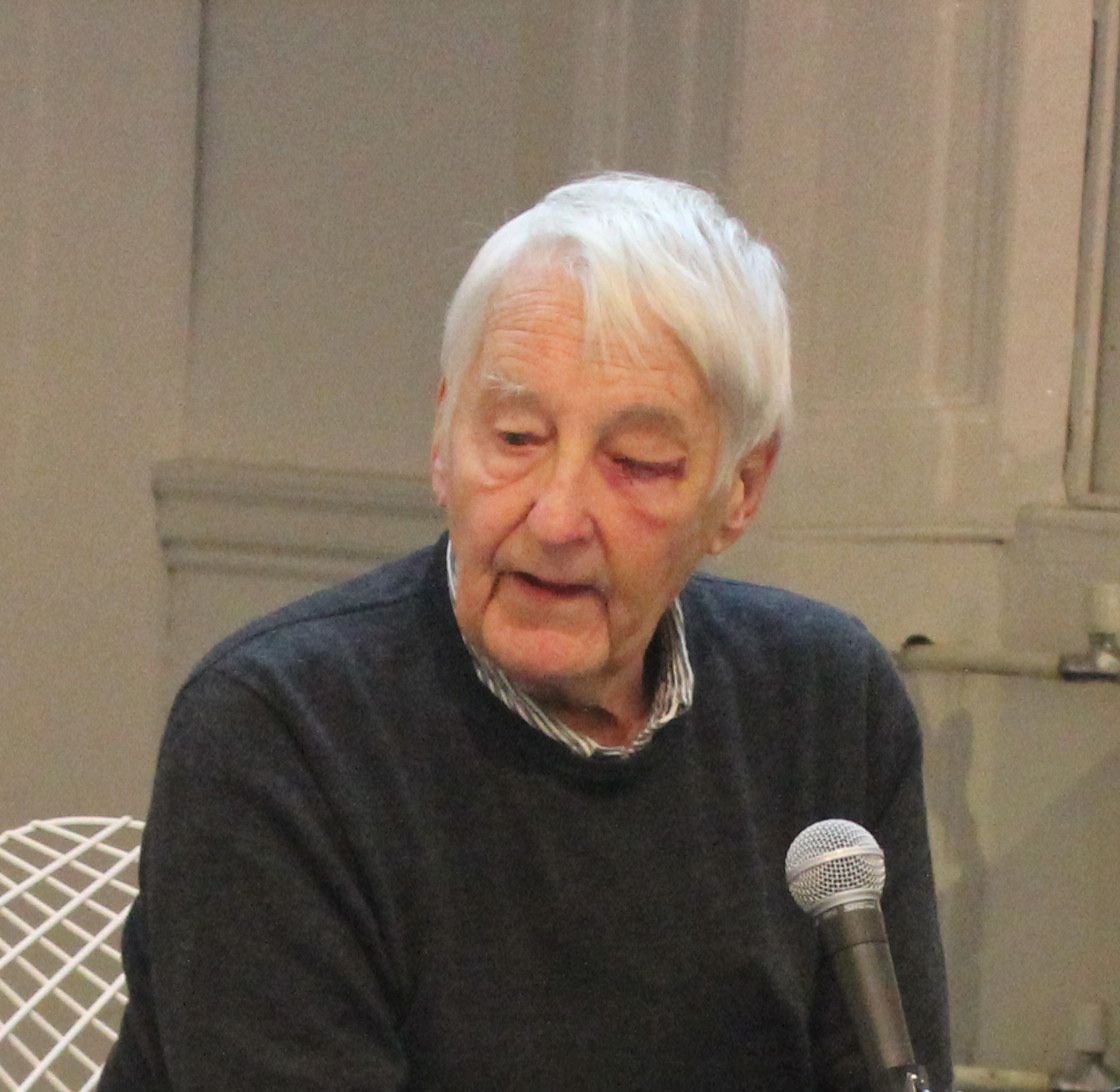
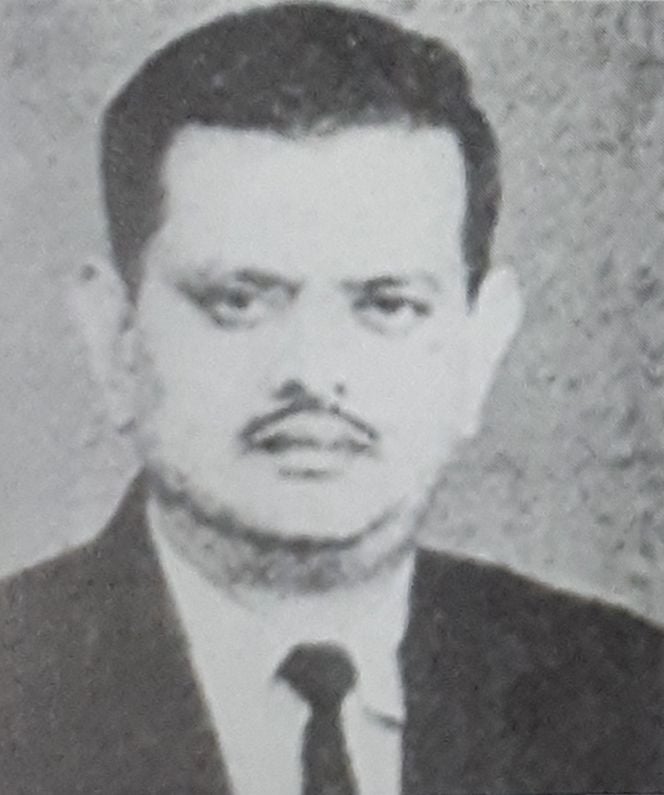
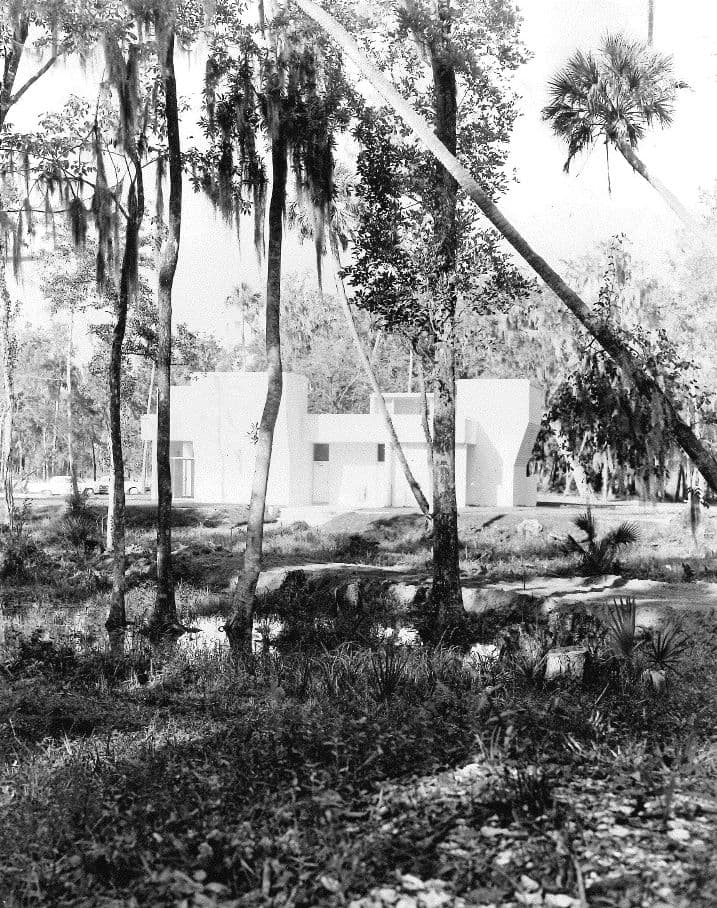
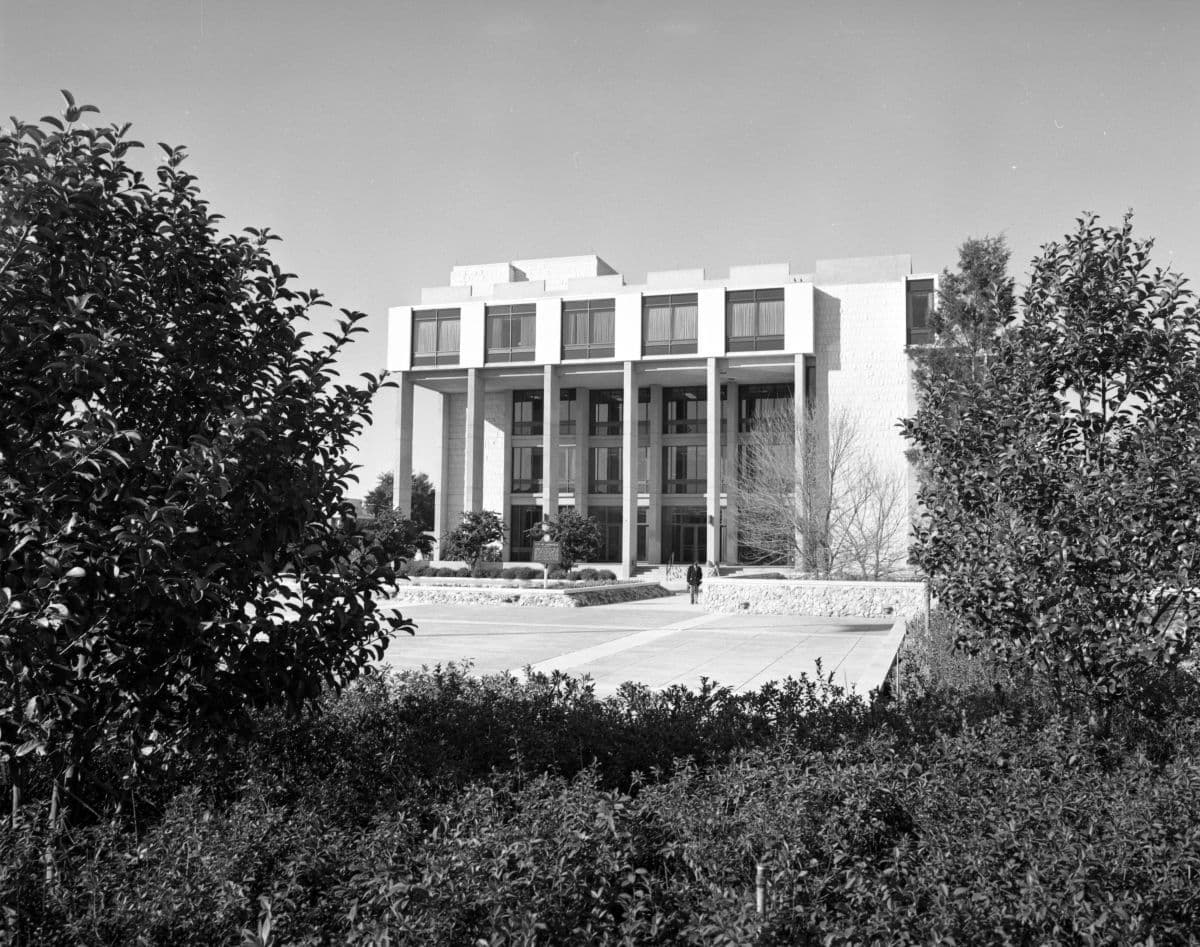
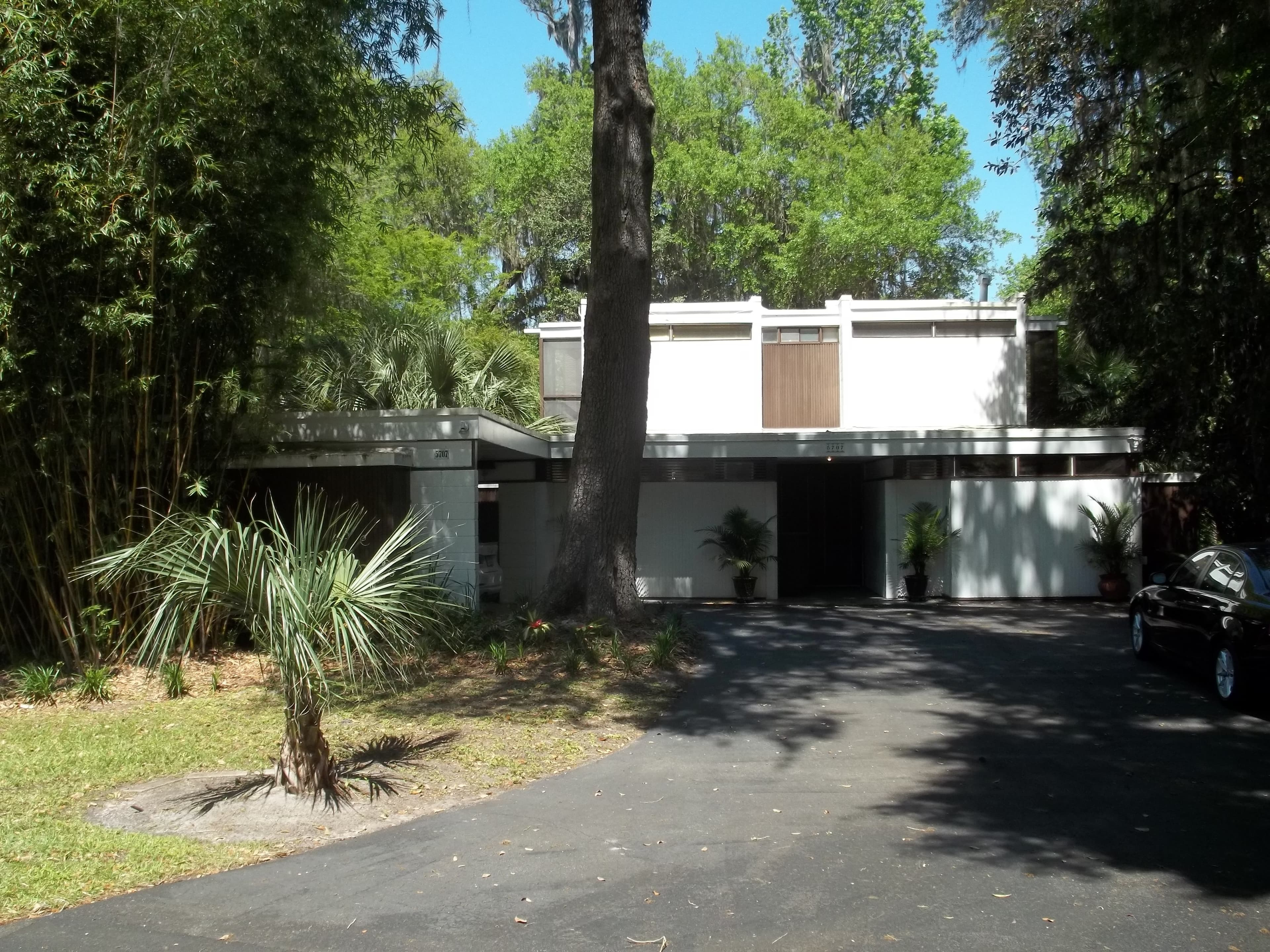
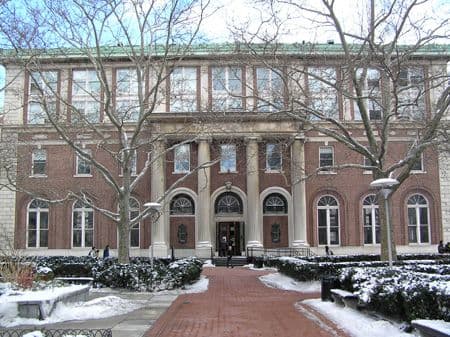
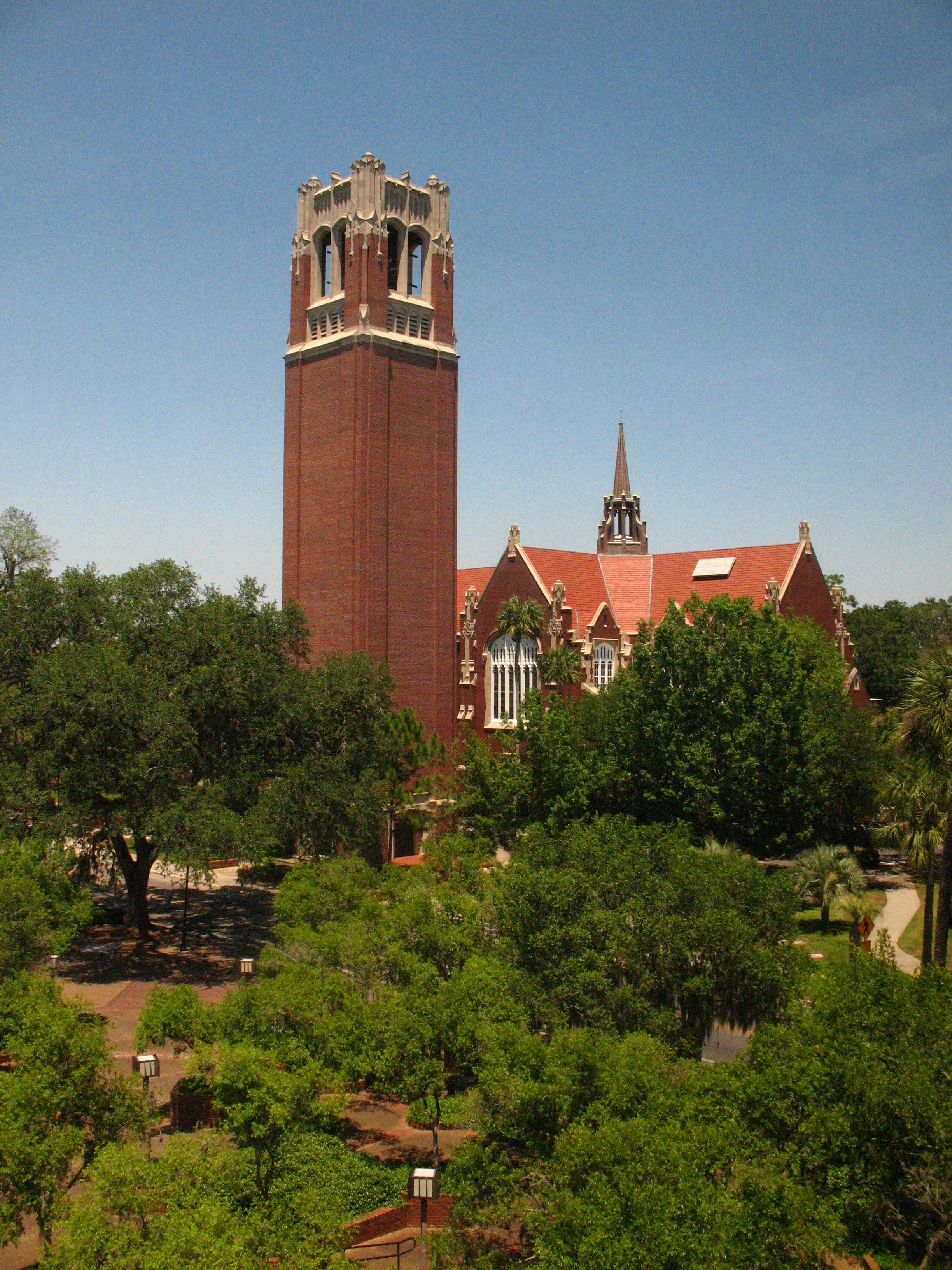
‘Dan’ Paulk Branch was born in Fitzgerald, Georgia, USA in 1931, and grew up on South Caroline and Oregon, his family moving to Florida after the Second World War. He was educated at Lee High School, Jacksonville and gained an architecture degree from the University of Florida in 1954. He subsequently acquired a Masters degree in architecture from Columbia University in 1956, before enrolling at the Architectural Association, London, and joining their six-month post-graduate course at the Department of Tropical Architecture (DTA). Following a period travelling in Europe, Branch returned to Gainesville, Florida where he joined the practice of ‘Barrett, Daffin, Bishop Architects’ in 1959. Building upon his experiences at the DTA, Branch published an article in Scientific American, in 1960, entitled ‘Primitive Architecture and Climate’ (with James Marston Fitch). Later the following year joined the staff of the College of Architecture and Fine Arts, at Columbia University, as an Associate Professor, where he published his first book ‘Folk Architecture of the Eastern Mediterranean, in 1966. Academia and practice went hand-in-hand and in 1961 Branch co-founded the practice of ‘Dan Branch and David Reaves’, based in Gainesville, their name changing to ‘Dan Paulk Branch Architects’ in 1965. The practice flourished and designed many public and commercial buildings in the County. Amongst his most significant projects are the Crystal River Archaeological Museum (1963, with David Reaves); Gainesville City Hall and Library, (1965, with David Reaves) and the University of Florida Student Project House, in Hibiscus Park Neighbourhood (1969). His own family residence, in the Malore Gardens area of Gainesville (1965), is of major importance and is listed on the Florida Register of Historic Places.
Branch continued to teach all through his career, initially at Columbia, then at the University of Florida, the University of Miami and the University of Southwestern Louisiana, where he was appointed Head of the Architecture Department and created a Professor. In his later years, following retirement, Branch worked part-time at Southern University and for the Traffic and Transportation Department of the Lafayette Consolidated Government.
Sources
- Architectural Association Student Register 1945-1972, AA Archives
- Department of Tropical Architecture, student listing, Otto Koenigsberger Collection, Box OK27, AA Archives
- Architectural Association Council Minutes Books, 25th February, 1957, p133. AA Archives
- Architectural Association Membership Register, 1961, 1969, 1979
- James Marston Fitch, Daniel P. Branch, ‘Primitive Architecture and Climate’, Scientific American, Vol. 203, No. 6, December 1960, pp134-145
- Daniel P. Branch, ‘Folk Architecture of the Eastern Mediterranean.’ Columbia University Press, 1966
- ‘Florida’s Single Family Housing at Mid-Twentieth Century (1945-1975): A survey and study of the postwar residences and suburban developments of the Sunshine State’, University of Florida, Historic Preservation Program, 2019.
- ‘Dan Paulk Branch Obituary, October 29th, 2023’. Waltersfh.com. Accessed 7th March, 2025: https://www.waltersfh.com/obituaries/dan-branch